Camping Survival Kit
Camping in the United Kingdom offers some of the most rewarding outdoor experiences in Europe, from the rugged Highlands of Scotland to the rolling hills of the Peak District and the dramatic coastline of Cornwall. However, the British weather is notoriously unpredictable — clear skies can give way to driving rain, dense fog, or biting winds within the space of an hour. Being properly prepared with the right survival gear is not just sensible, it can be the difference between a minor inconvenience and a genuine emergency. Every year, mountain rescue teams across the UK respond to hundreds of callouts involving campers caught out by sudden weather changes, inadequate equipment, or poor planning.
It is worth noting that wild camping regulations differ significantly across the UK. In Scotland, the Land Reform Act 2003 grants a broad right to roam and wild camp responsibly, making it one of the few places in Britain where you can legally pitch a tent in most open countryside. In England and Wales, wild camping is generally not permitted without the landowner's permission, with notable exceptions such as Dartmoor (though even this has faced recent legal challenges). Understanding these rules is essential, as camping in unauthorised areas can result in fines and conflicts with landowners. Always research the specific rules for your destination before setting out.
A well-assembled camping survival kit should account for the unique challenges of the British countryside. Waterproof layers are non-negotiable given the average UK rainfall, and a reliable shelter system that can withstand strong winds is essential. Navigation tools are critical in areas where mobile phone signal is patchy or non-existent — large parts of rural Wales, the Scottish Highlands, and the Lake District have limited coverage. Fire-starting equipment, a comprehensive first aid kit, and emergency signalling devices round out the essentials that every camper should carry, regardless of whether they are spending one night or a full week under canvas.
This page contains affiliate links. We may earn a commission at no extra cost to you.

Tick as you go.
See what you're missing.
Water & Hydration
3 items
Portable water filtration for safe drinking water from any freshwater source. Removes 99.99% of bacteria and parasites.

A hydration bladder holds two or three litres inside your pack with a hose to your shoulder, so you drink steadily on the move without stopping. The easy way to carry enough water on the trail.
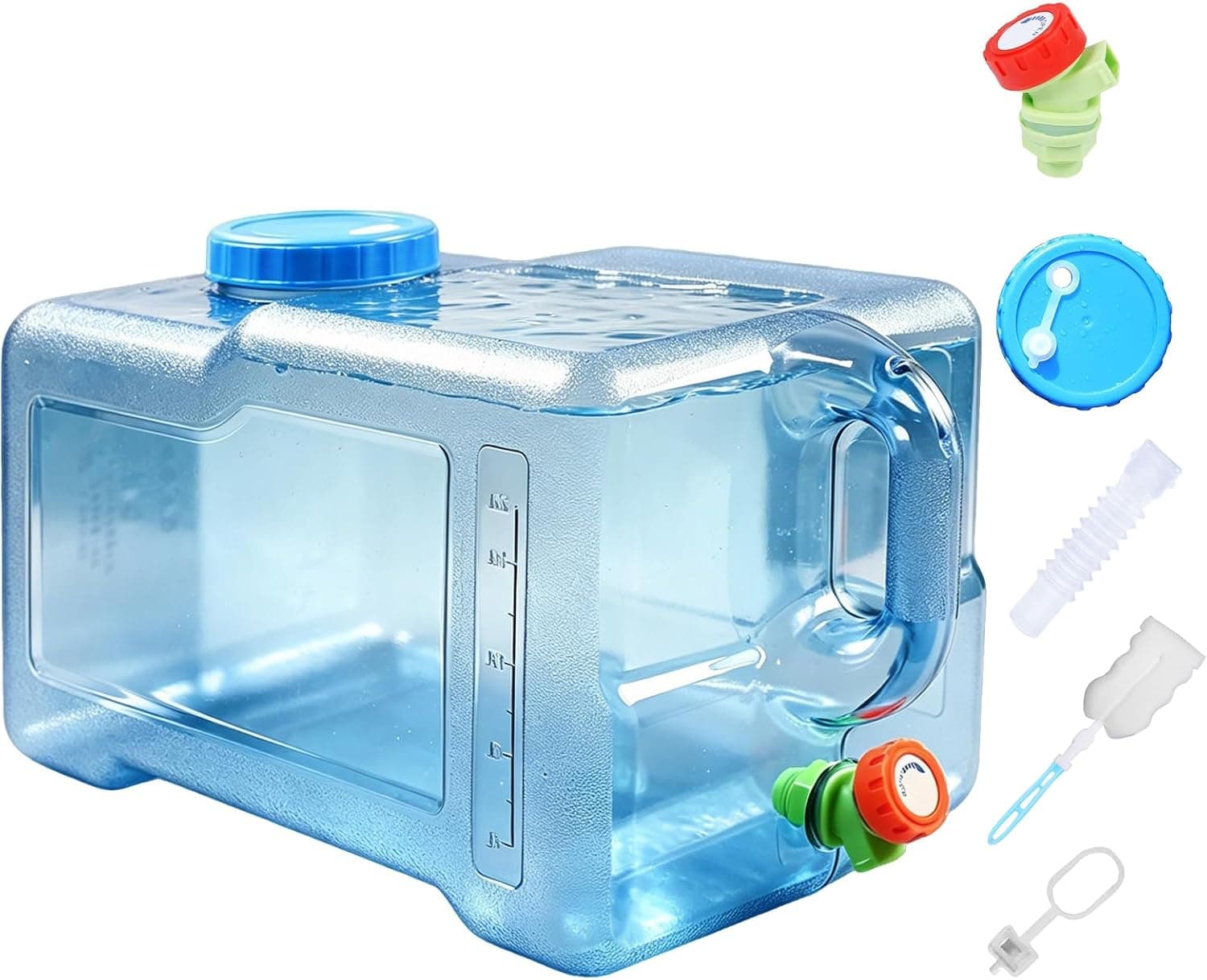
A collapsible water carrier stores and transports the litres you need when the taps stop — the storage side of water security that a filter or bottle can't cover.
Shelter
2 items
Lightweight waterproof sheet for creating emergency shelters, ground cover, and rain protection.
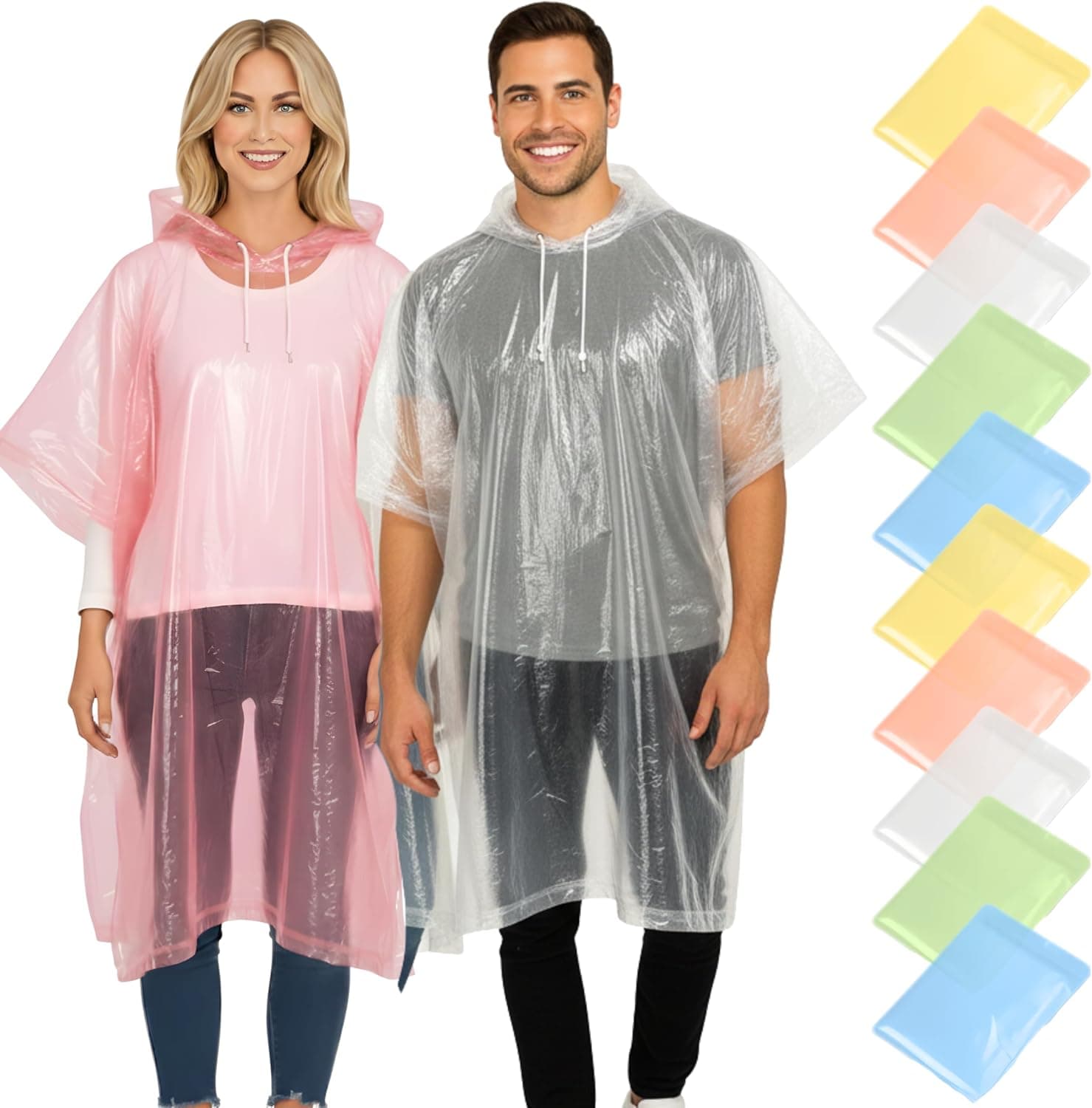
A packable poncho keeps you and your pack dry in a downpour and doubles as an emergency shelter or ground sheet — a lot of usefulness for almost no weight.
Warmth
3 items
Insulated sleeping bag rated for cold temperatures. Essential for any overnight emergency or planned outdoor stay.

A self-inflating sleeping mat insulates you from the cold ground, which matters more for a warm night than the sleeping bag alone. The difference between a comfortable night and a shivering one.
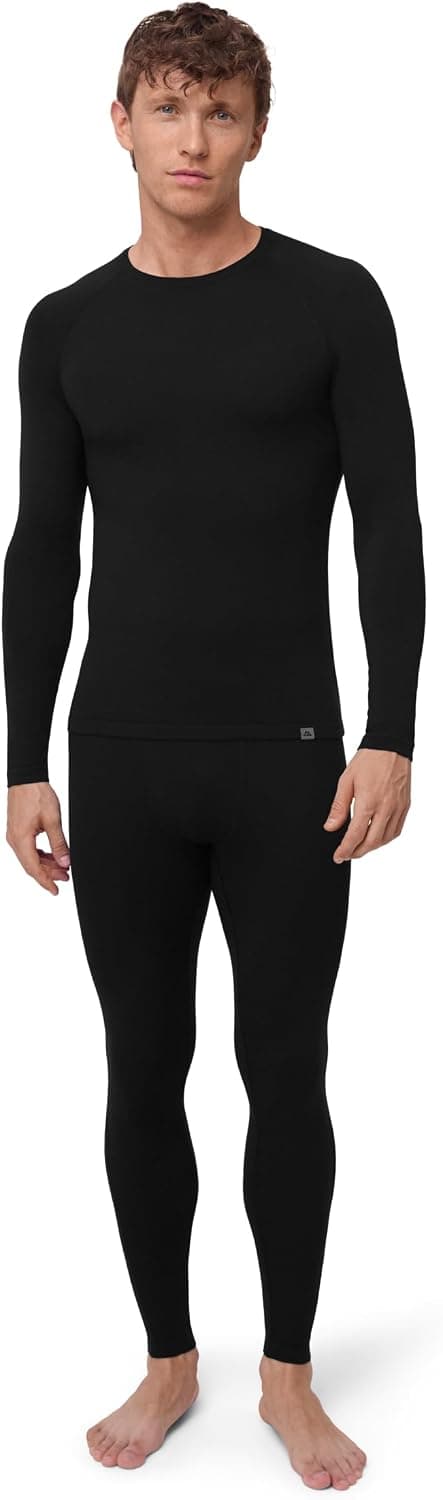
A close-fitting top and leggings worn next to the skin that trap warmth and move sweat away — the foundation of staying warm outdoors or through a cold power cut, and far more effective than piling on cotton.
Fire & Cooking
4 items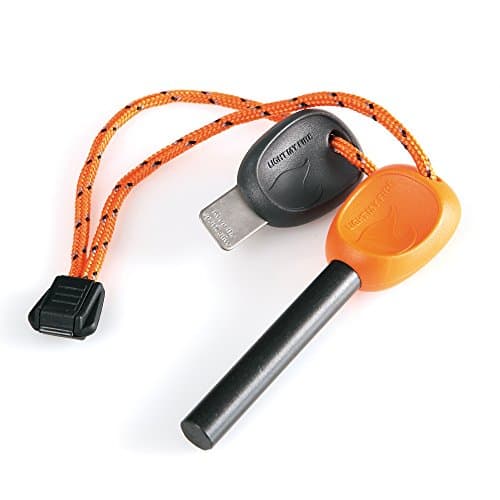
Ferrocerium rod that produces sparks over 3,000°C when struck. Works wet, lasts thousands of strikes.

Compact camping stove for boiling water and cooking food. Essential for hot meals and water purification.

A screw-fit gas canister is the fuel a portable stove actually needs — carry spares and hot food or a hot drink is always within reach, whatever the weather.
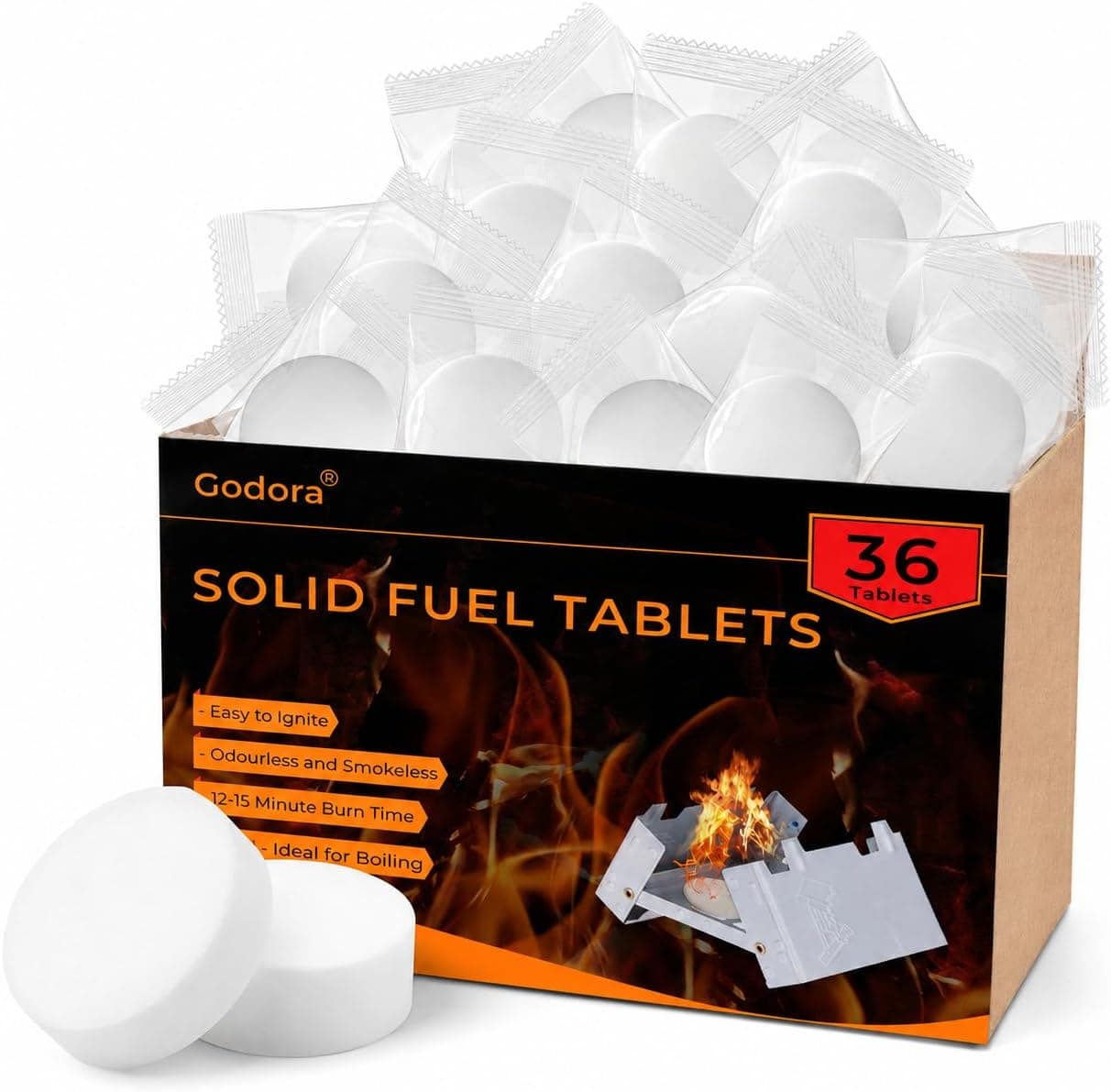
Solid fuel tablets light easily, burn hot and store for years — a compact, foolproof way to boil water or cook when there's no gas and the weather's against you.
Lighting
2 items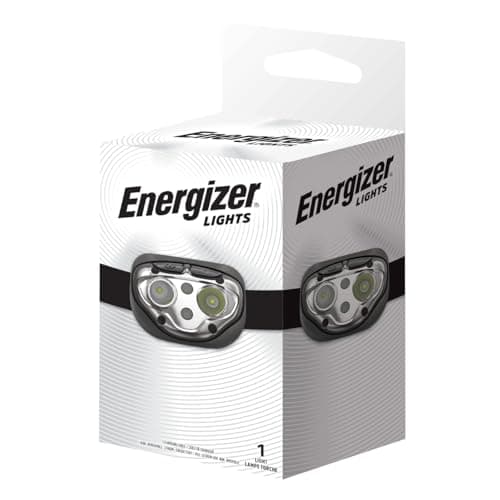
A reliable LED headlamp provides hands-free illumination for navigating, setting up camp, and performing tasks in darkness. Essential kit for any UK survival scenario where torchlight alone won't cut it.

A rechargeable LED lantern lights a whole room or tent with soft, even light — far more useful than a torch for sitting, cooking and keeping children calm during a power cut.
Tools
8 items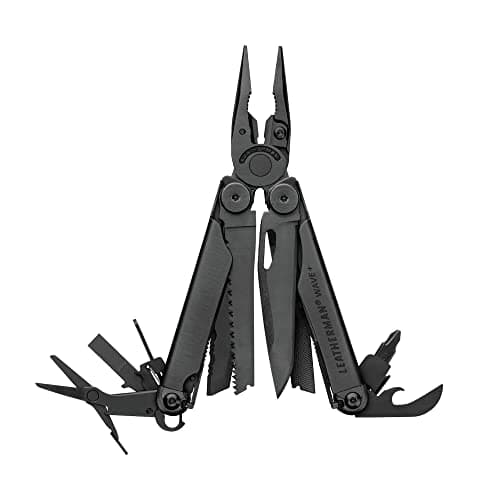
A quality multi-tool combines pliers, knife blades, screwdrivers, and other implements into a single compact unit. The Swiss Army knife's more robust cousin and an indispensable survival companion.

A fixed-blade survival knife is the single most versatile tool you can carry — for food prep, cutting cordage, making fire feathers, and countless field tasks. Choose a full-tang blade you can rely on when it matters.

A compact folding shovel digs a fire pit, a latrine, or gets a car unstuck from mud or snow. Small enough to live in a boot or pack, useful the moment ground work is needed.
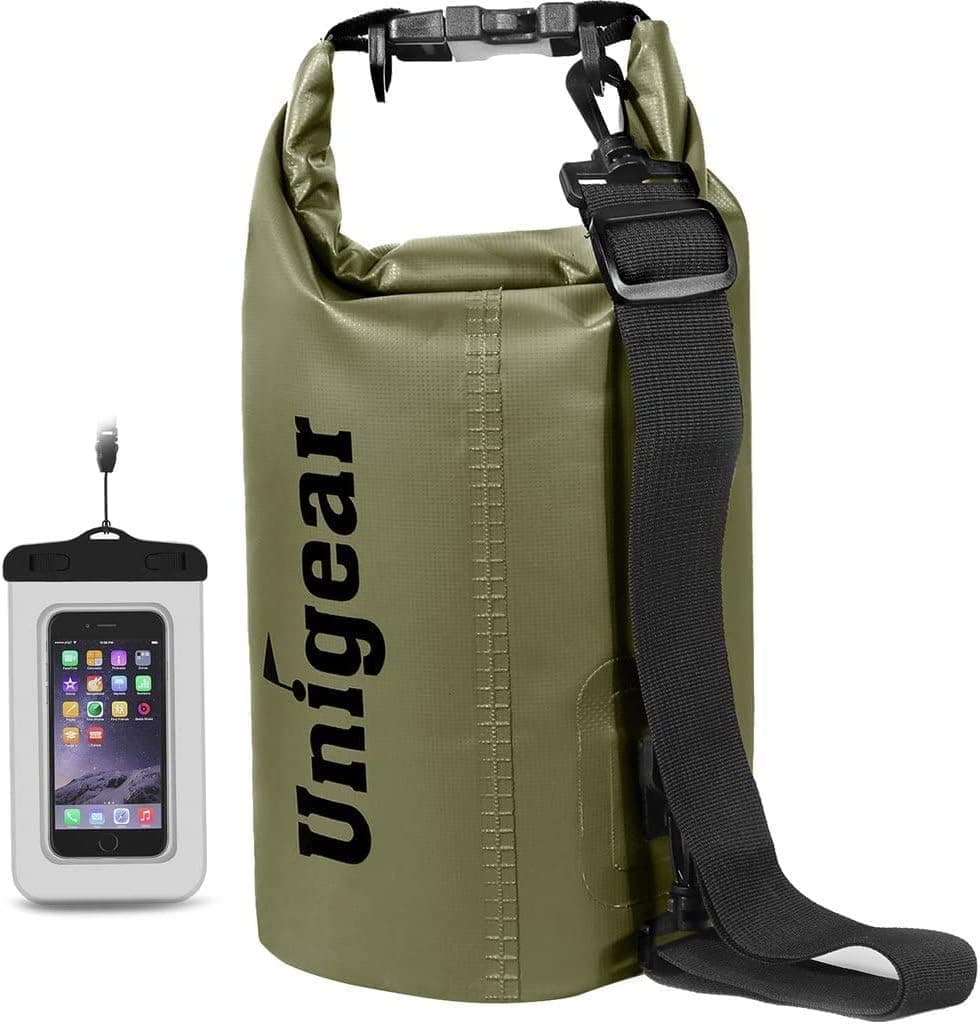
A roll-top dry bag keeps spare clothes, electronics and food genuinely dry when a rucksack or boot can't — the difference between a warm night and a wretched one.
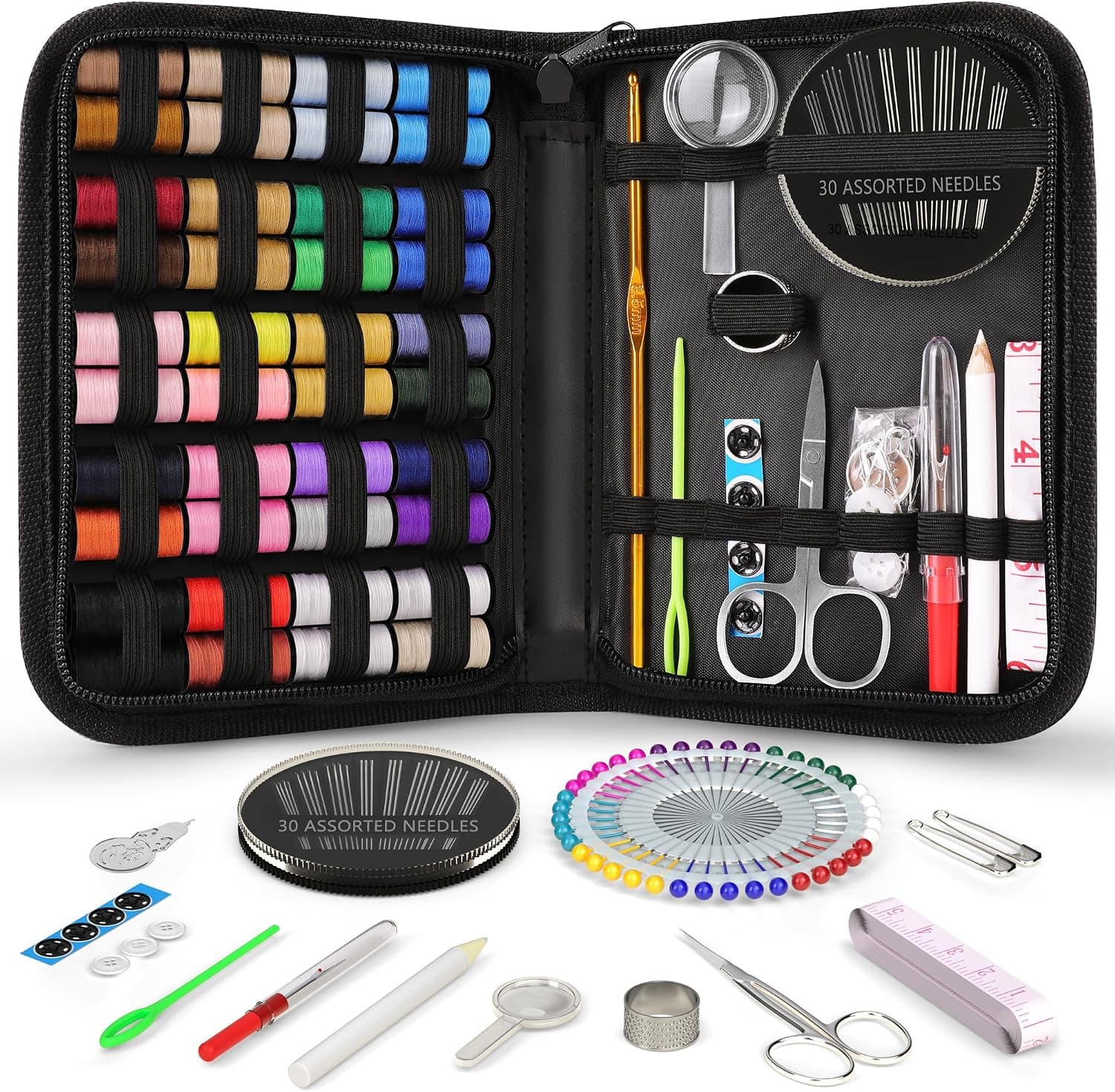
A compact sewing kit mends torn clothing, packs and gear on the spot — keeping the things that keep you warm and dry doing their job instead of failing you.
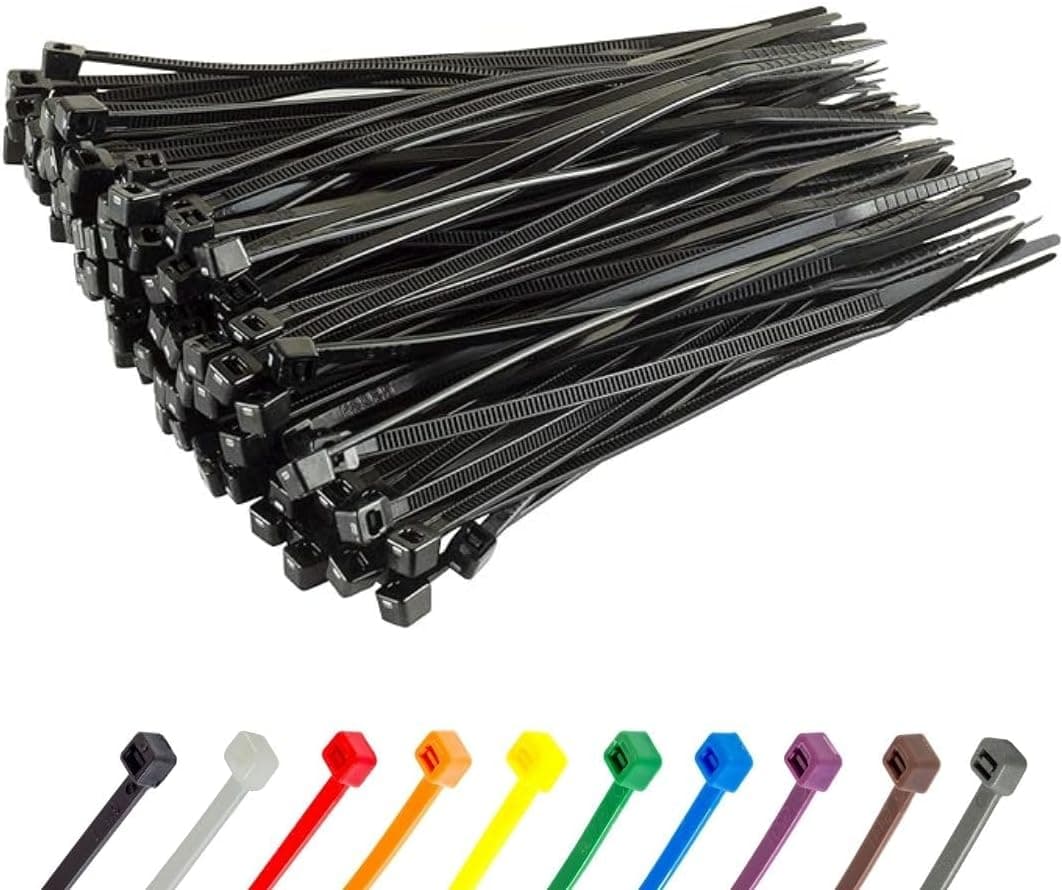
Cable ties bind, secure and repair almost anything in seconds — the featherweight, do-everything fastener that earns its place in every kit, car and toolbox.
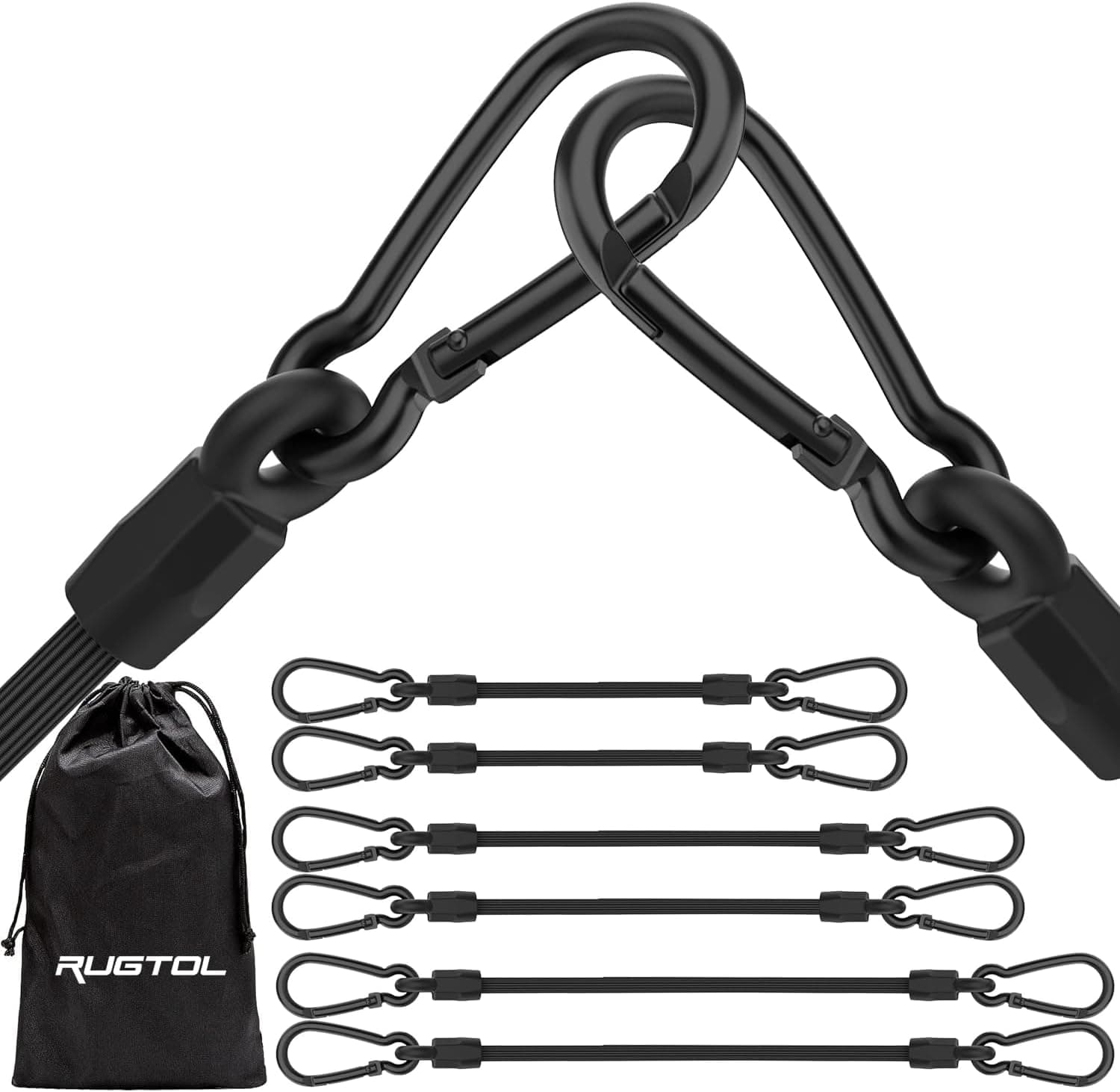
Elasticated bungee cords with hooks secure loads, rig shelters and strap gear down fast — reusable tension you can apply and release in seconds.
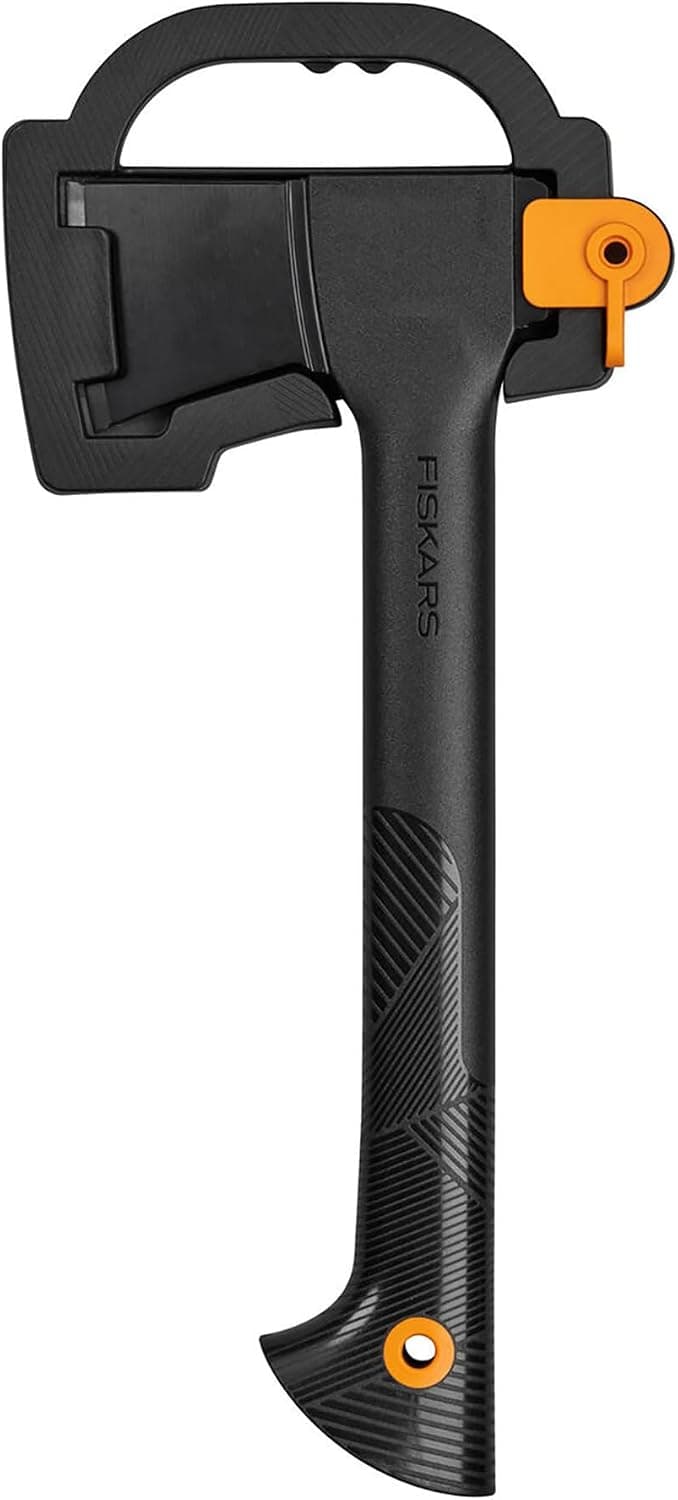
A compact camping axe splits kindling and processes small firewood when a folding saw isn't enough — the difference between a struggling smoky fire and a warm, dependable camp.
Food
3 items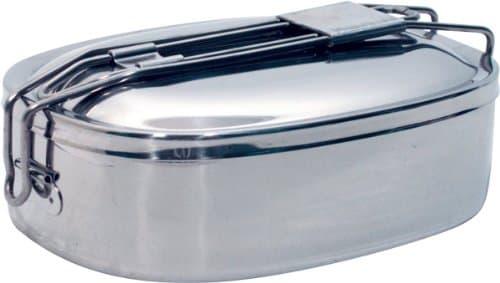
A lightweight aluminium or titanium mess tin serves as cooking pot, eating vessel, water boiler, and storage container. The original multi-use survival item that has equipped soldiers and explorers for generations.
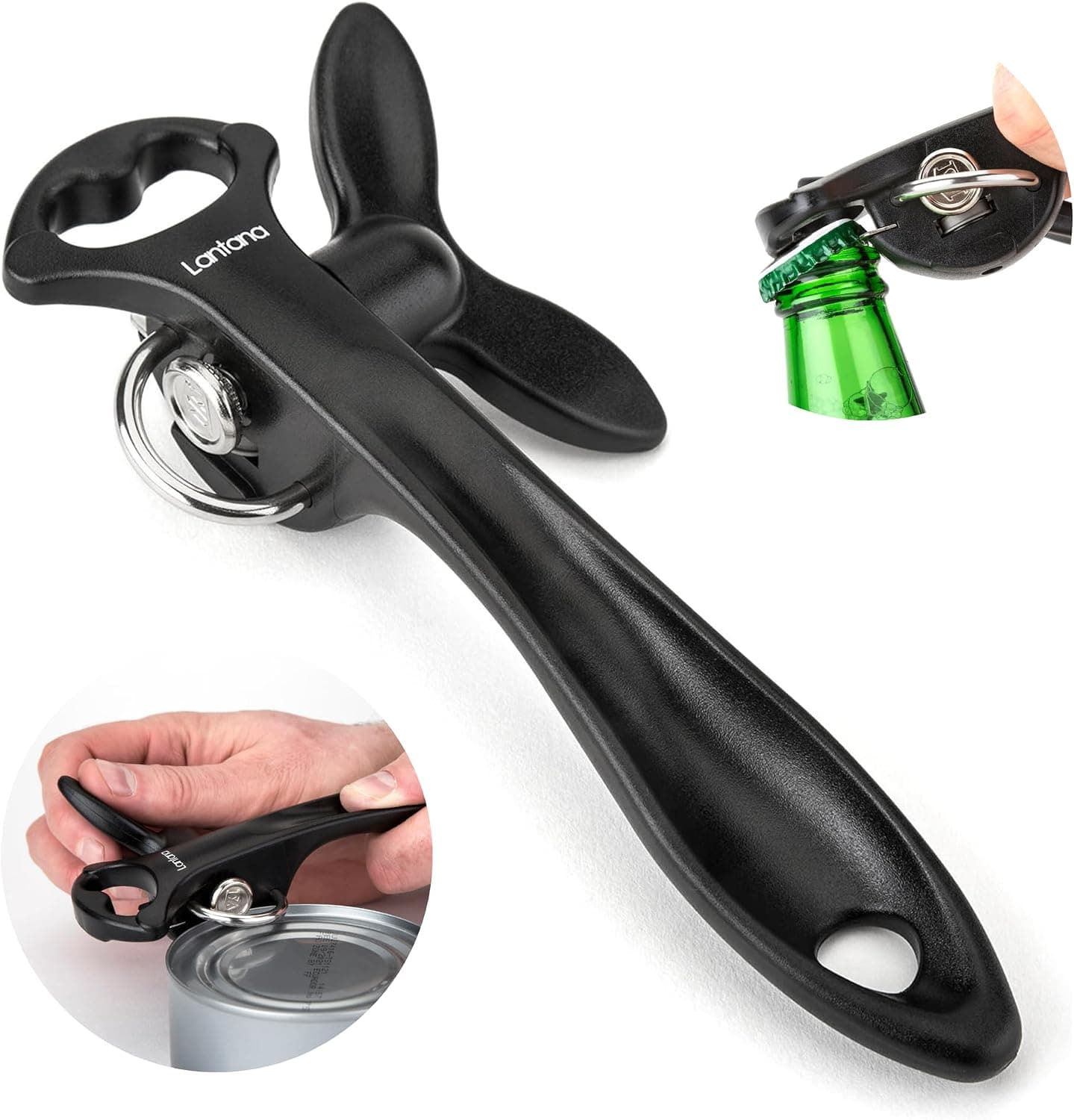
A sturdy manual can opener gets you into your stored tinned food when there's no power — the cheap, overlooked tool that a whole food stockpile depends on.
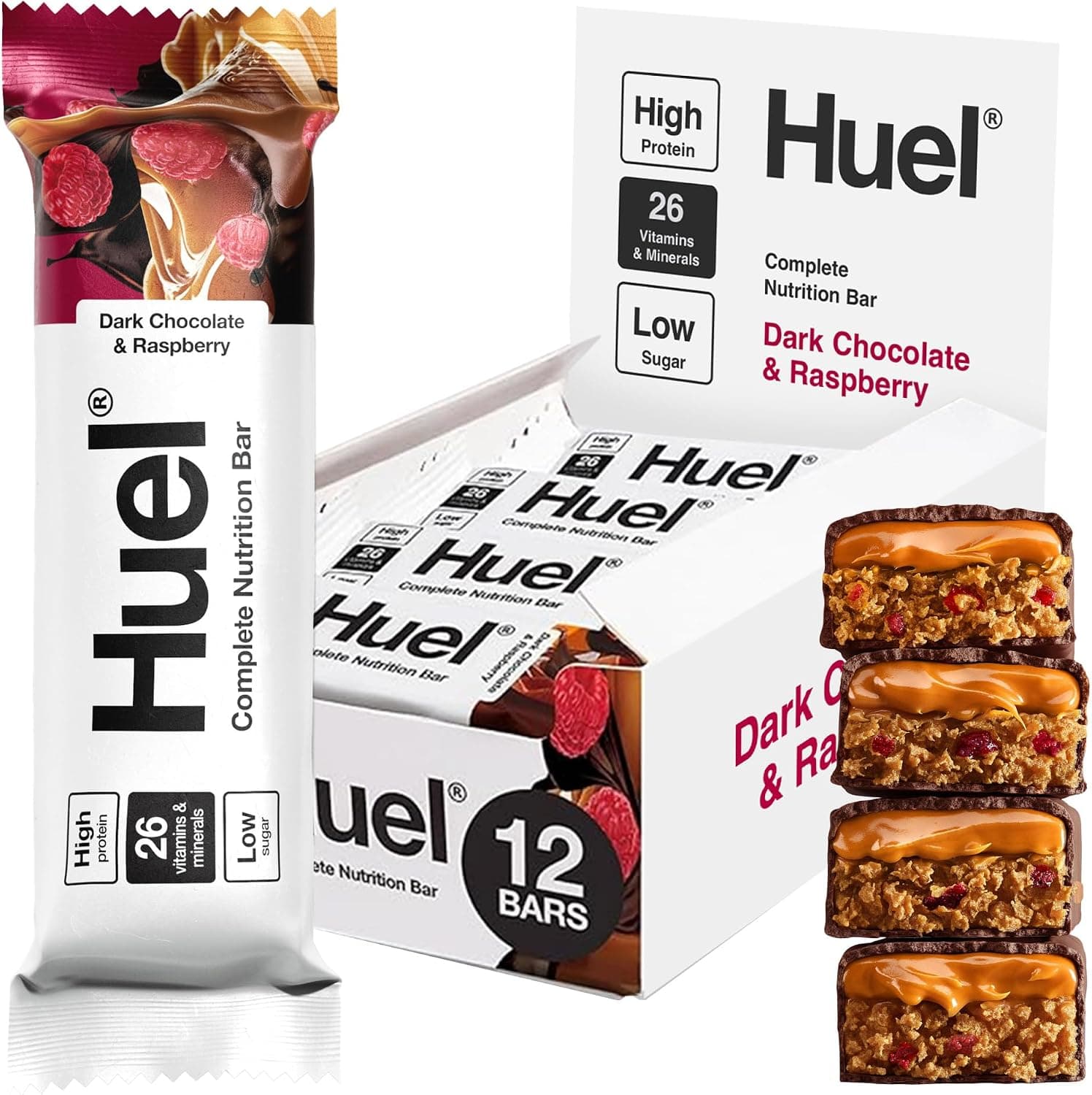
Calorie-dense energy bars need no cooking and store for months — fast fuel for a long day, a delayed journey, or the first hours of an emergency.
Communication
1 item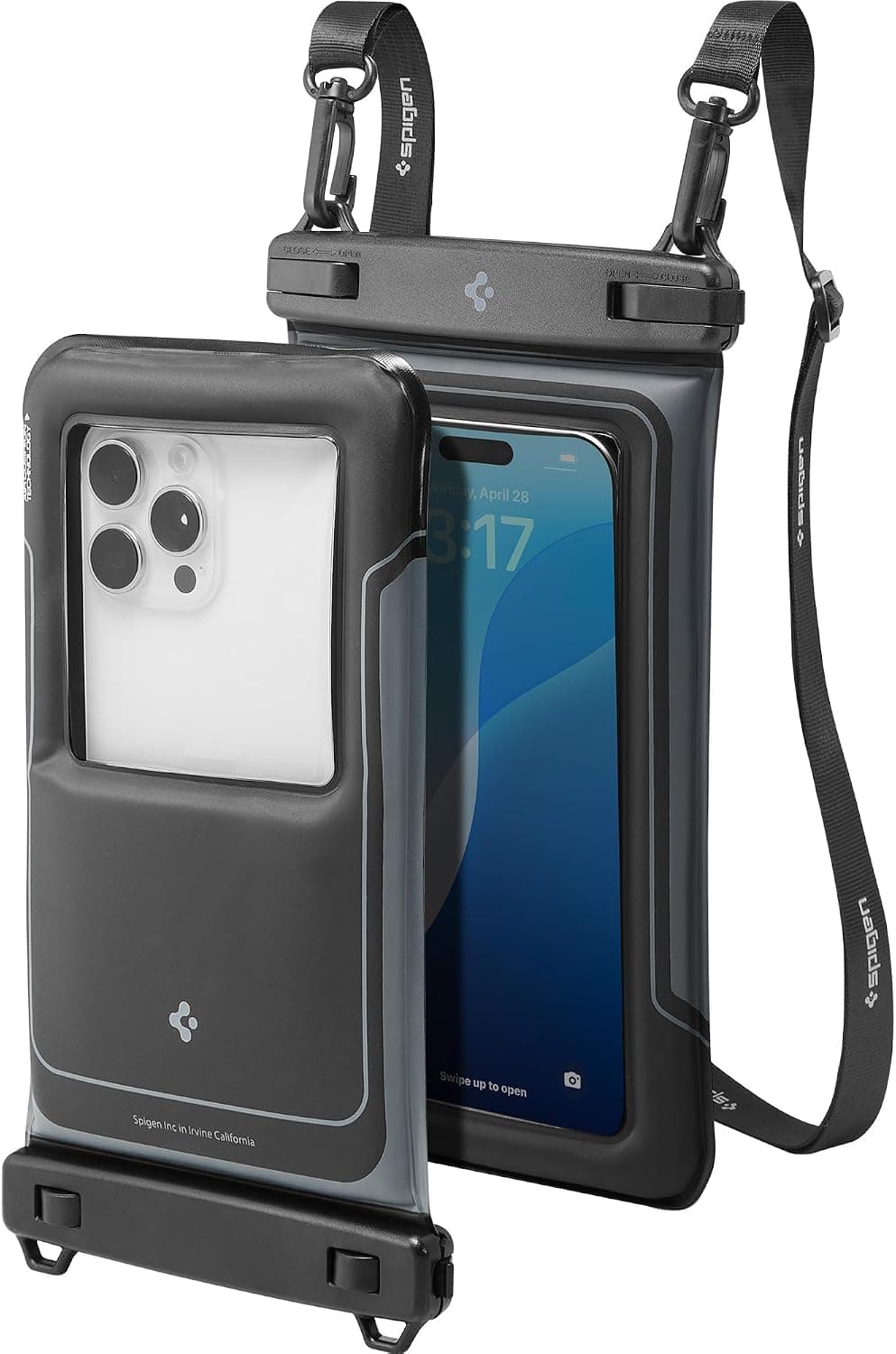
A sealed pouch keeps your phone — your lifeline for calls, maps and alerts — dry and working through rain, spray and accidental dunks.
First Aid
3 items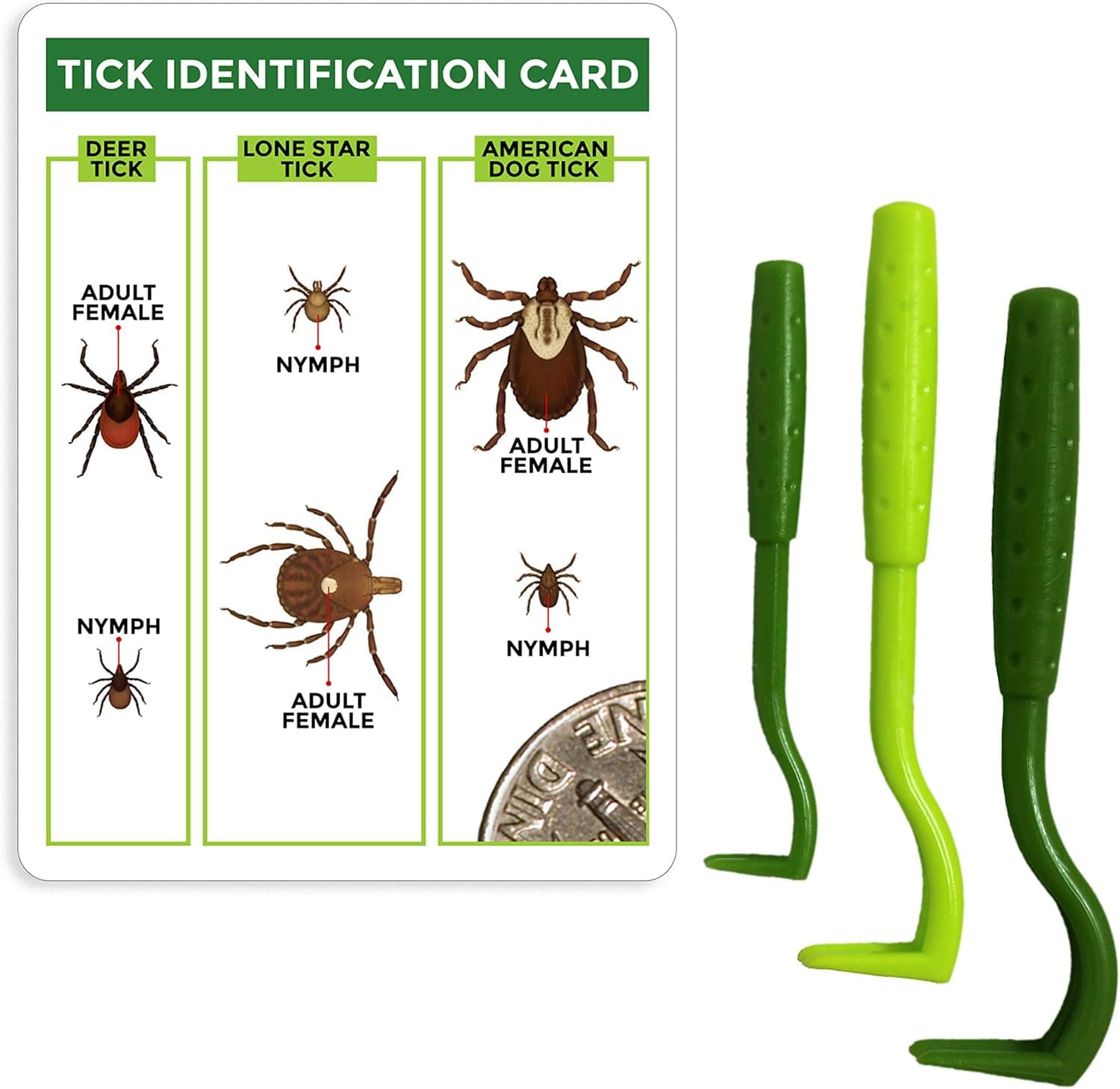
A proper tick tool removes the whole tick — head included — cleanly and quickly, cutting the risk of Lyme disease that squeezing with fingers or tweezers makes worse.
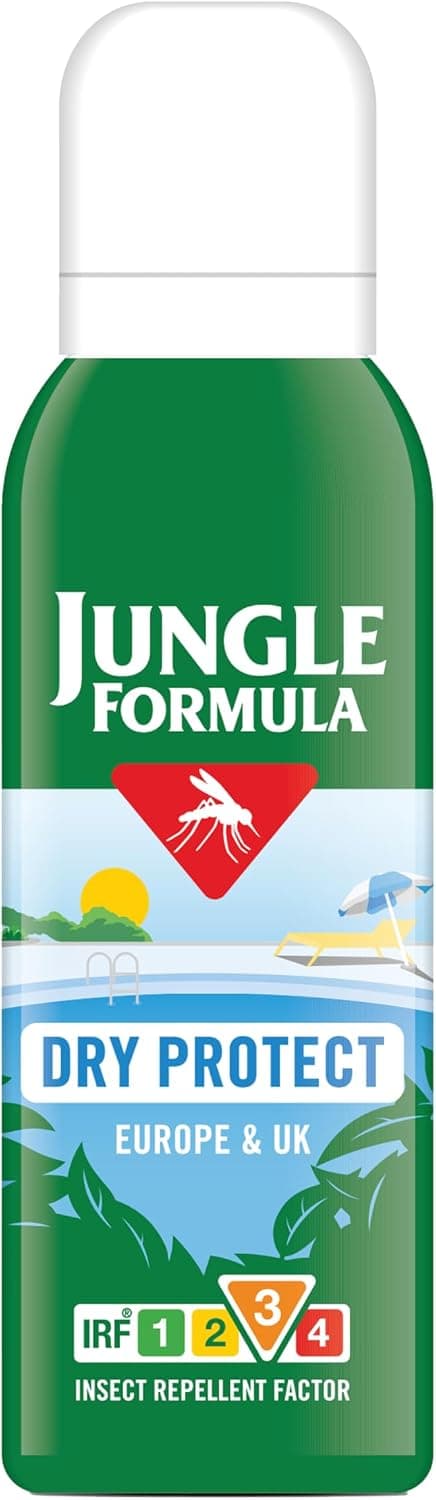
Repellent keeps biting insects — and the ticks and diseases some carry — off your skin, turning a miserable, bite-covered outing into a bearable one.
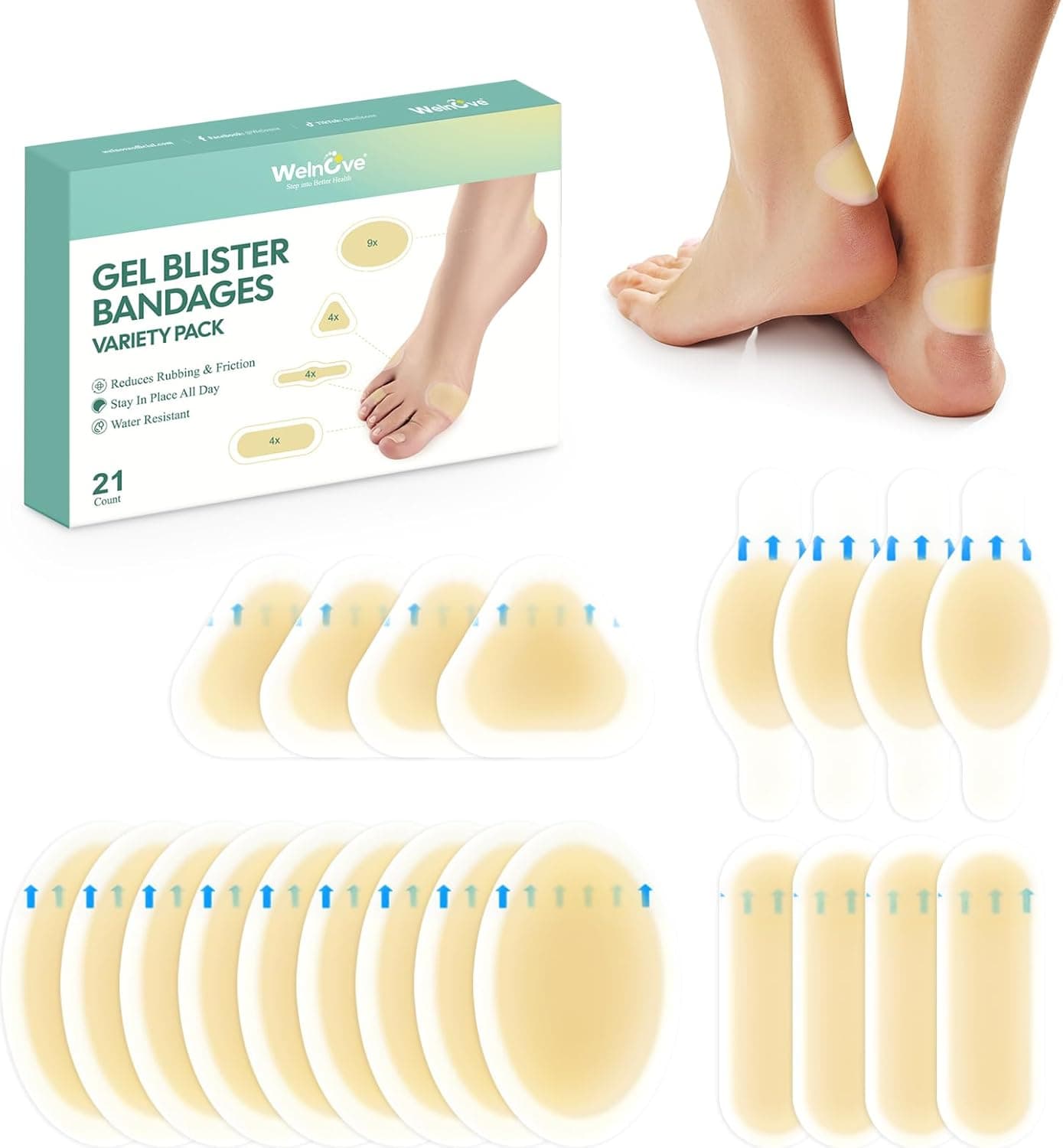
Hydrocolloid blister plasters cushion and heal blisters fast — the small item that keeps a minor foot problem from ending your walk or grounding you when you need to move.
Power & Charging
1 item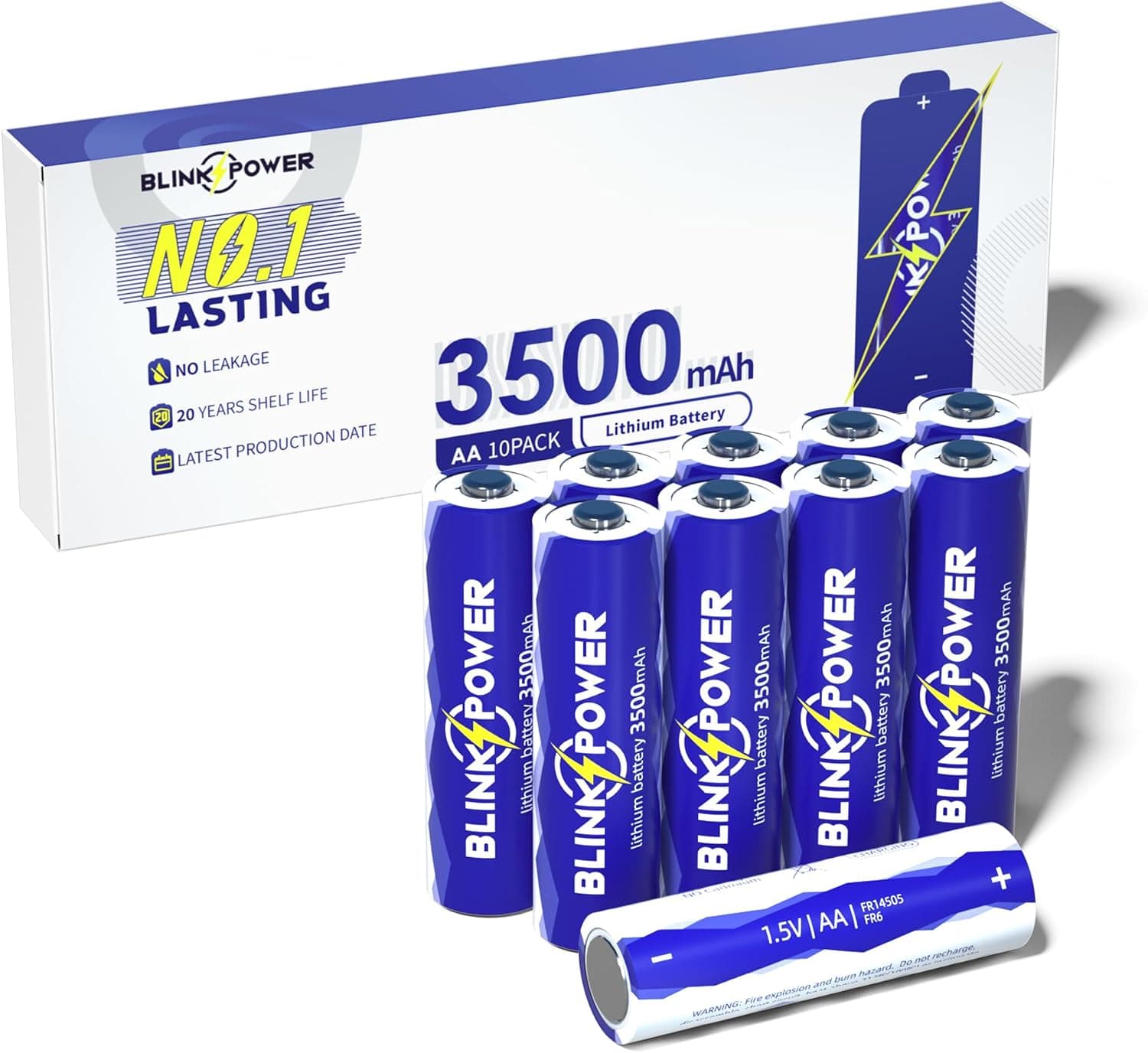
Lithium AAs last far longer, survive the cold, and store for a decade without leaking — the batteries you actually want powering a torch or radio in an emergency.
Navigation
1 item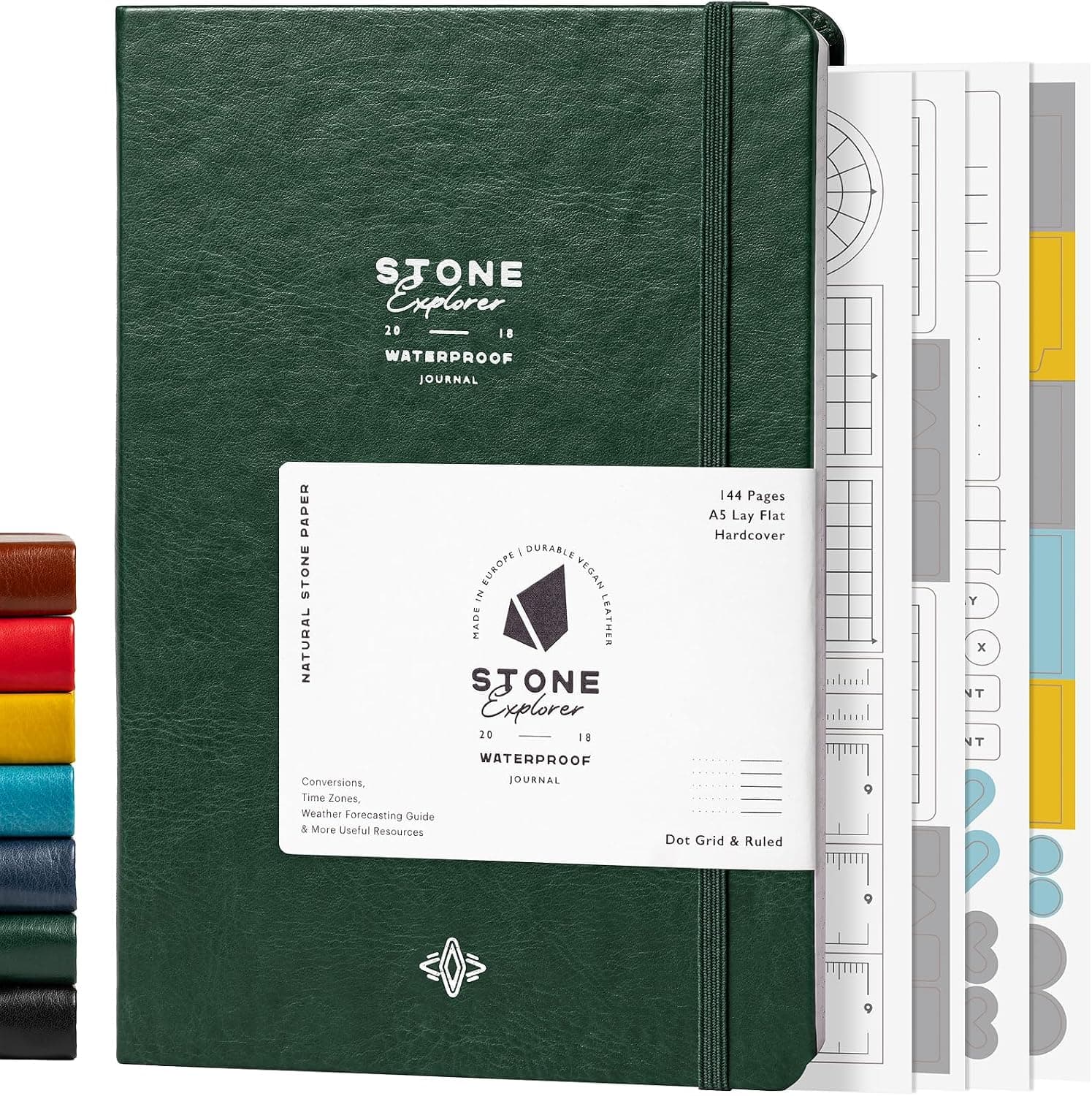
A waterproof notebook records grid references, contacts, symptoms and plans that survive rain and sweat — reliable written information when a phone can't be trusted.
Hygiene
1 item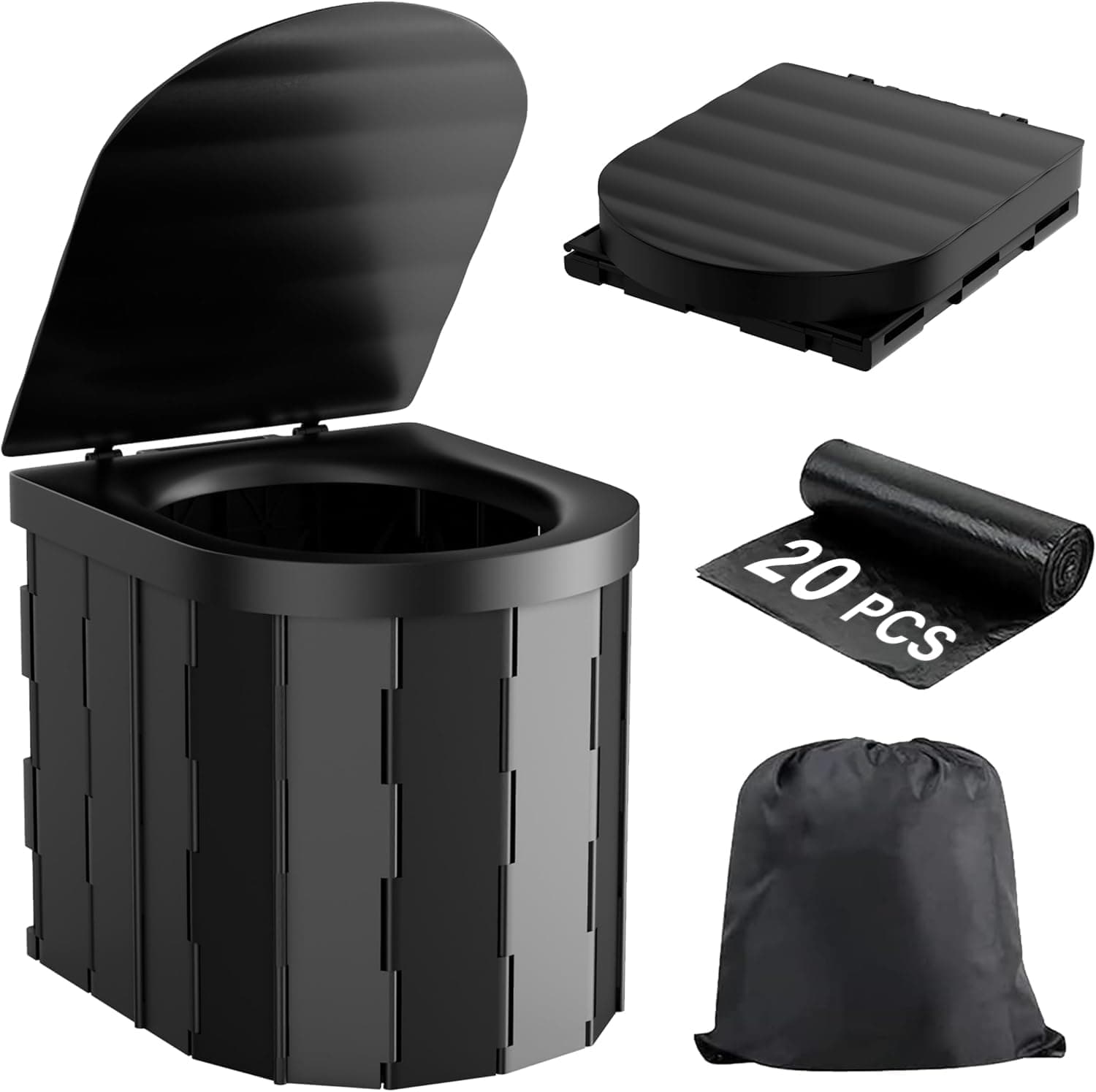
A foldable loo with disposal bags for when the water is off or the drains are down — the unglamorous item that keeps a household sanitary and dignified through a flood or long outage.
Where it goes,
how often you check it.
One box, one place
A 50L Really Useful Box, kept dry, out of sunlight, accessible without a torch.
Quarterly check-in
Calendar reminder for the first weekend of January, April, July, October. 10 minutes.
Rotate the perishables
Water tanks every 6 months, food rations on best-before, batteries every 5 years.
More preparedness guides.

The Complete Guide to Building Your First Survival Kit
Everything you need to know about assembling a reliable survival kit for UK conditions — from essential gear categories to budget-friendly options and proper storage.

Best Survival Kit Items for Beginners
Starting your preparedness journey? Here are the most important items to include in your very first survival kit.


