Car Emergency Kit
Breaking down on a UK road can range from a frustrating delay to a genuinely dangerous situation, depending on where and when it happens. The UK's motorway network carries millions of vehicles daily, and a breakdown on a smart motorway — where the hard shoulder has been converted into a live traffic lane — poses a serious risk to life. In 2023, National Highways reported numerous incidents involving stranded vehicles on smart motorways, prompting renewed calls for safety improvements. Beyond motorways, rural A-roads and B-roads in Scotland, Wales, and northern England can leave you stranded miles from the nearest town, often without mobile phone signal to call for help.
Both the AA and RAC recommend that every driver carry a basic emergency kit in their vehicle, including a warning triangle, hi-visibility vest, torch, and first aid kit. However, a true car survival kit goes well beyond these basics. Winter driving in the Scottish Highlands or across the Welsh mountain passes can expose you to sub-zero temperatures, black ice, and heavy snowfall that can block roads for hours or even days. The Beast from the East in 2018 left thousands of motorists stranded on roads across the country, with some spending entire nights in their vehicles. Having thermal blankets, food, water, and warm clothing in your boot could prove life-saving in such circumstances.
Your car emergency kit should be tailored to the seasons and the routes you regularly drive. A jump starter or battery pack is invaluable during cold months when batteries are most likely to fail, while a tow rope and basic tool kit can help resolve minor mechanical issues without waiting hours for roadside assistance. Screen wash, de-icer, and a sturdy ice scraper are winter essentials that many drivers overlook until it is too late. Keep your kit in an accessible part of the boot, check it regularly, and ensure you know how to use every item — there is little point carrying a tow rope if you have never practised attaching one.
This page contains affiliate links. We may earn a commission at no extra cost to you.

Tick as you go.
See what you're missing.
Shelter
2 items
Compact thermal blanket that reflects up to 90% of body heat. Weighs under 60g and fits in your pocket.

A packable poncho keeps you and your pack dry in a downpour and doubles as an emergency shelter or ground sheet — a lot of usefulness for almost no weight.
First Aid
2 items
Comprehensive medical supplies for treating injuries, burns, and illnesses in the field. The most important safety item in any kit.

A trauma (Israeli) bandage combines a dressing, pressure bar and securing wrap in one, to control serious bleeding fast. The step up from plasters that could genuinely save a life.
Lighting
1 item
Handheld LED flashlight providing reliable illumination. Essential for navigation, signalling, and camp tasks after dark.
Warmth
4 items
Single-use or reusable heat packs that provide warmth for 6–12 hours. Critical for preventing cold injuries.

A wool blanket keeps you warm even when damp and won't melt near a flame — the rugged, reusable warmth layer for a cold house, a stranded car or a night outdoors.
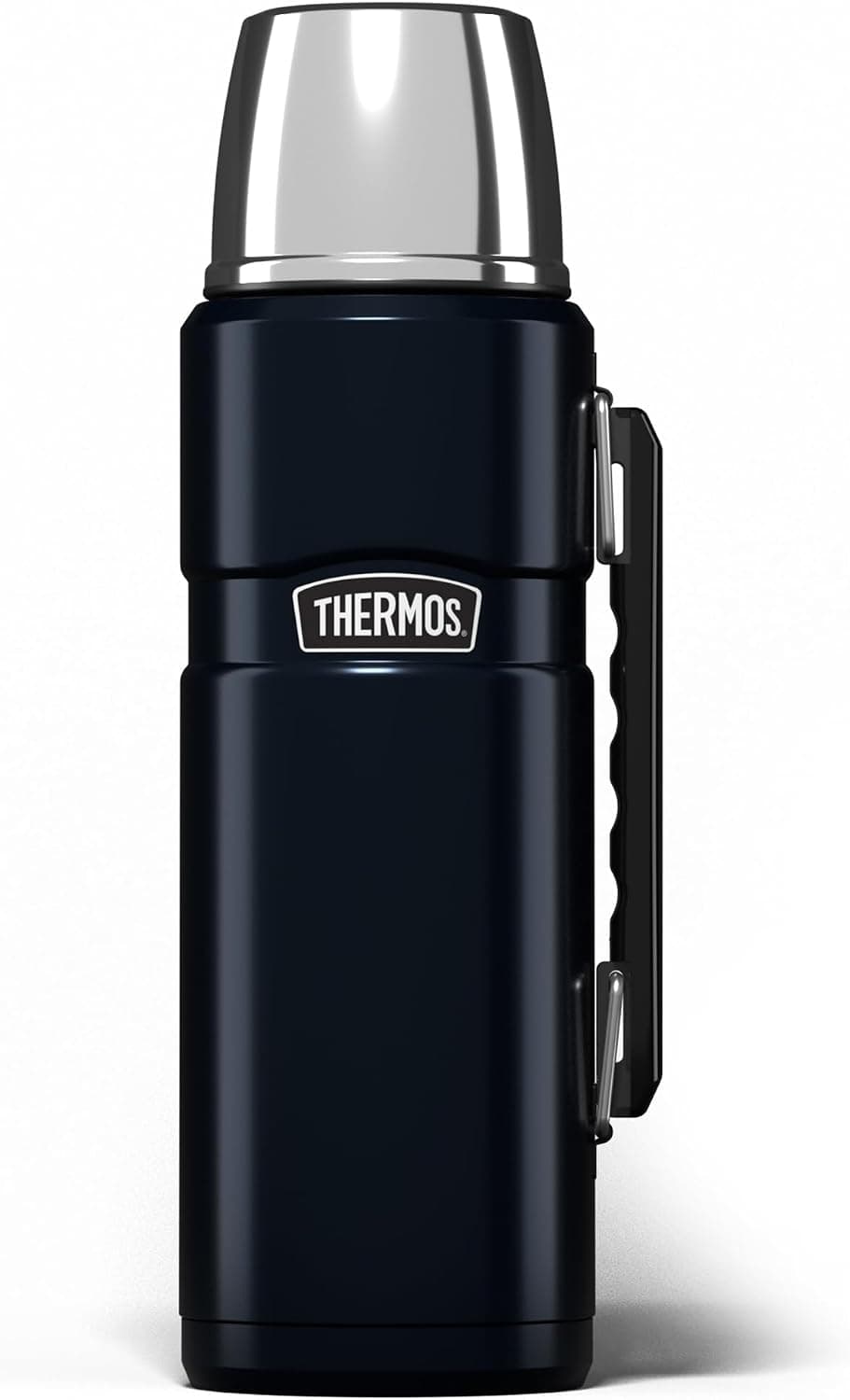
A good stainless flask keeps drinks and food hot for the best part of a day with no power at all — a hot brew in a cold, dark house does more for morale than almost anything.

A close-fitting top and leggings worn next to the skin that trap warmth and move sweat away — the foundation of staying warm outdoors or through a cold power cut, and far more effective than piling on cotton.
Communication
2 items
A wind-up or solar-powered emergency radio keeps you connected to weather warnings, emergency broadcasts, and rescue coordination when the power grid fails. Your lifeline to critical information.
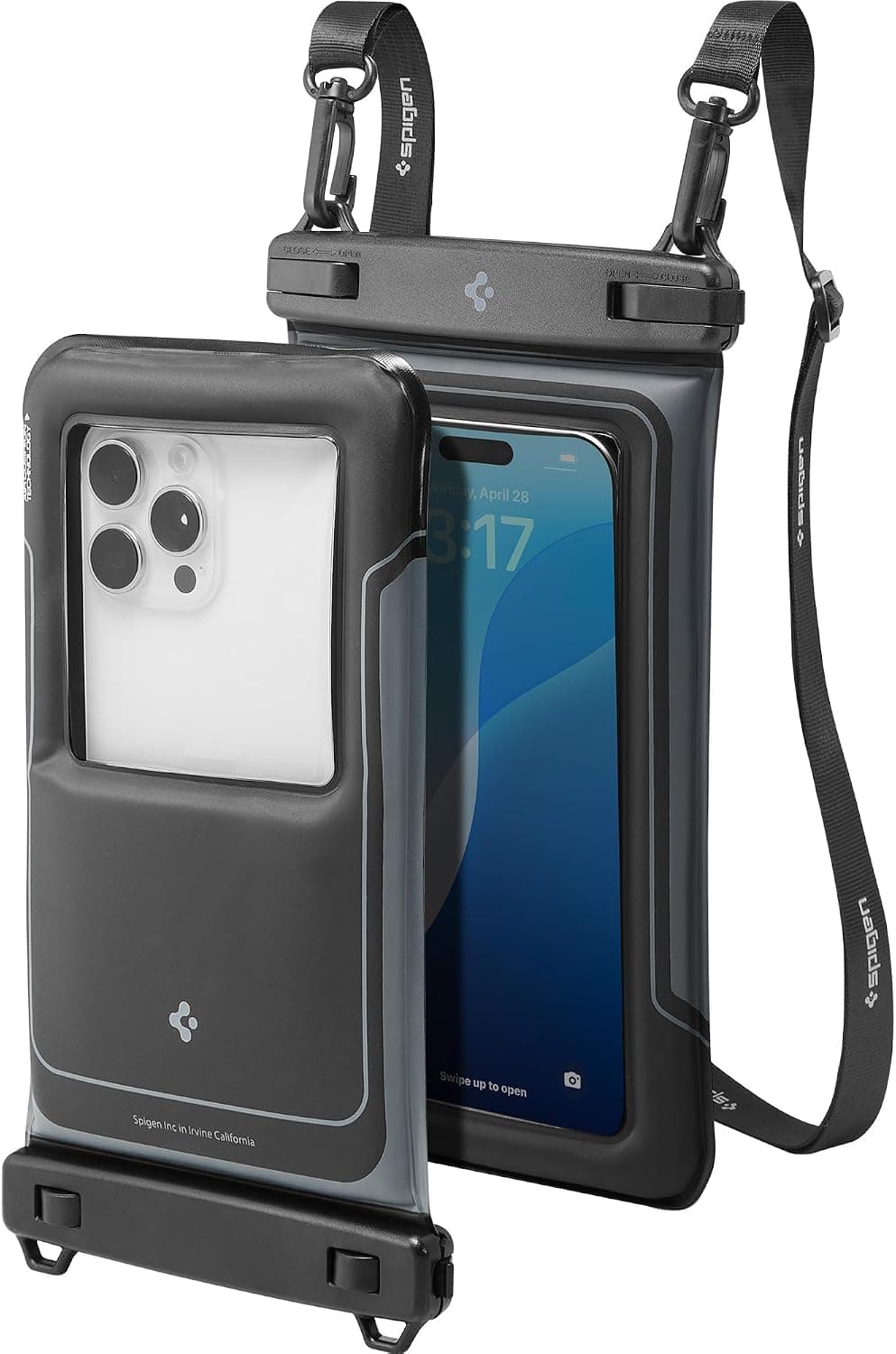
A sealed pouch keeps your phone — your lifeline for calls, maps and alerts — dry and working through rain, spray and accidental dunks.
Tools
8 items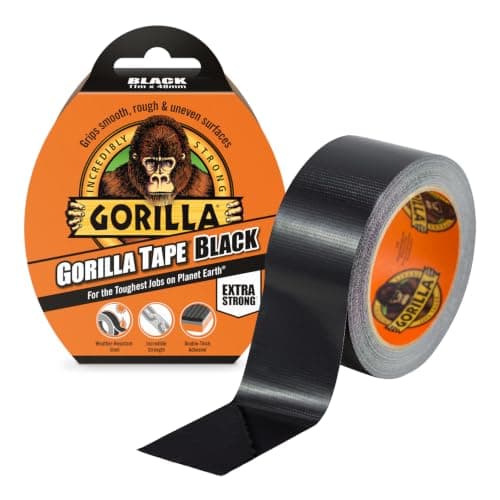
Heavy-duty duct tape is the ultimate field repair solution — capable of patching tents, waterproofs, shelters, and gear in seconds. A survival kit staple that weighs almost nothing when wrapped around a pencil or card.

A compact folding shovel digs a fire pit, a latrine, or gets a car unstuck from mud or snow. Small enough to live in a boot or pack, useful the moment ground work is needed.

A pair of tough leather work gloves protects your hands clearing debris, handling glass, changing a tyre or gripping a jump-starter cable. Cheap protection for the jobs bare hands shouldn't do.
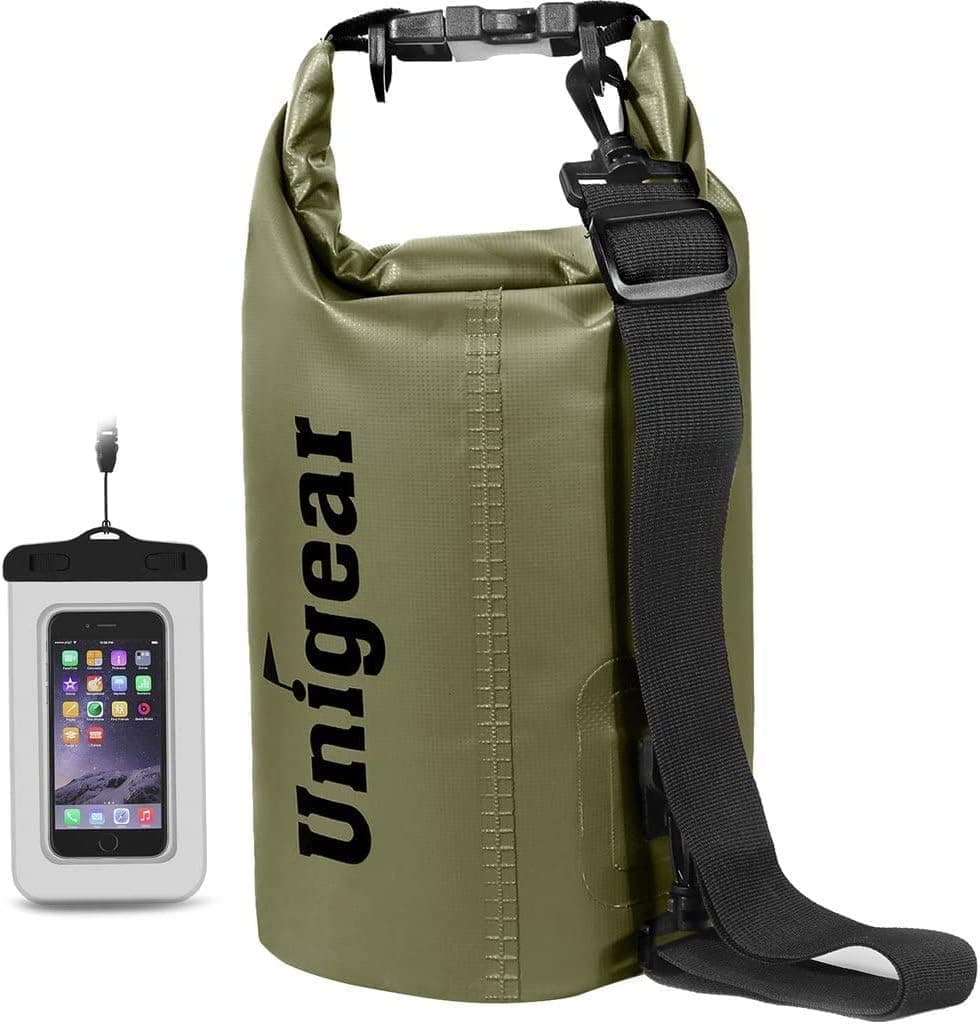
A roll-top dry bag keeps spare clothes, electronics and food genuinely dry when a rucksack or boot can't — the difference between a warm night and a wretched one.
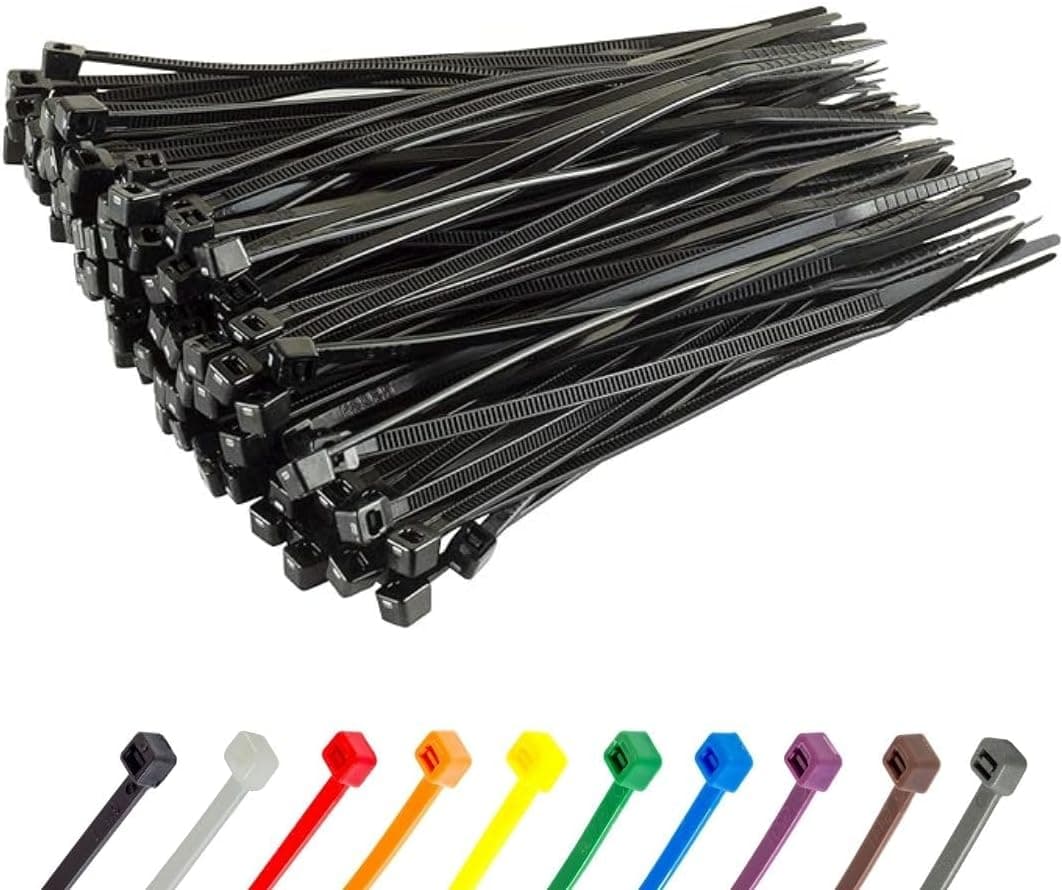
Cable ties bind, secure and repair almost anything in seconds — the featherweight, do-everything fastener that earns its place in every kit, car and toolbox.
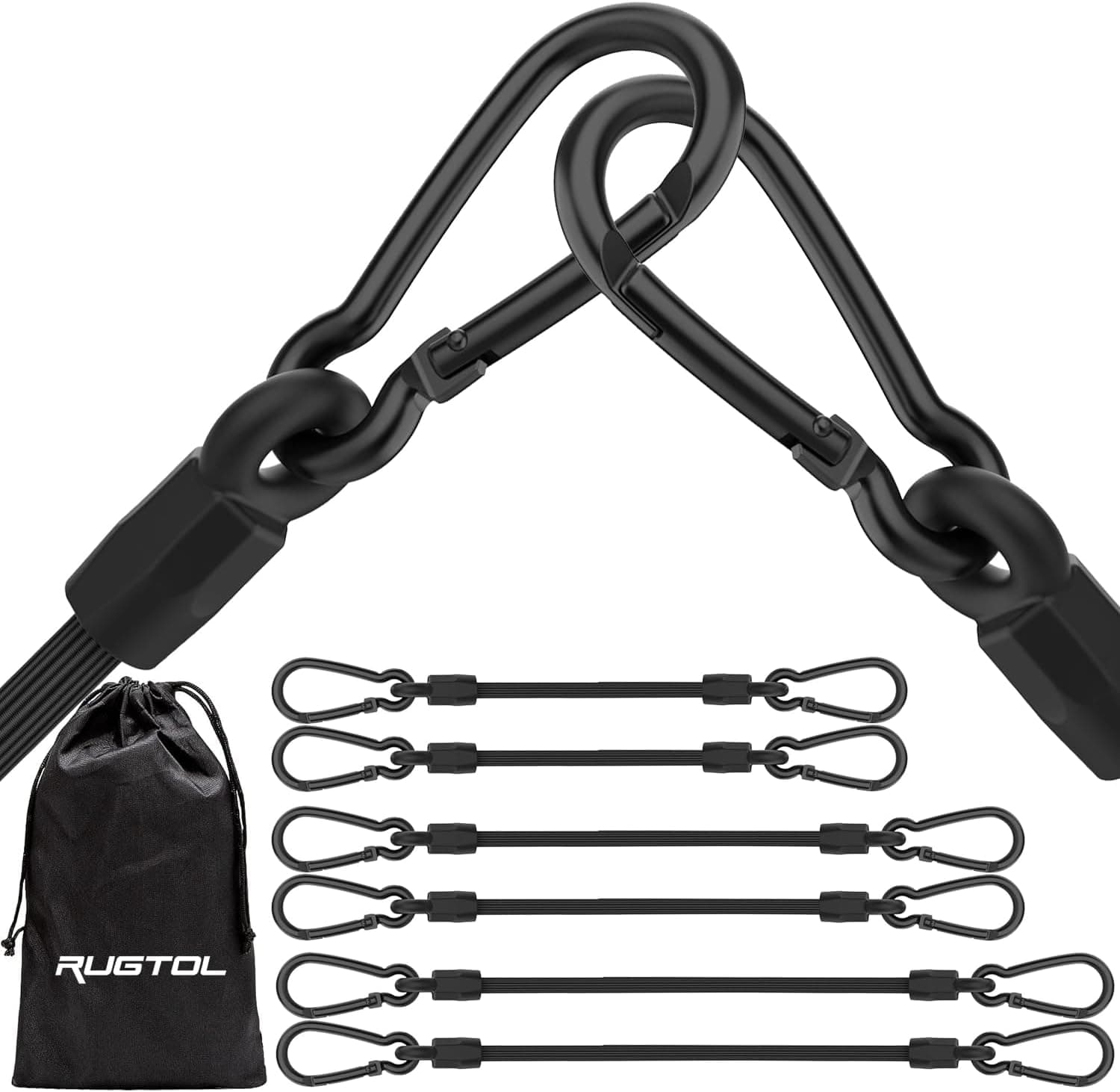
Elasticated bungee cords with hooks secure loads, rig shelters and strap gear down fast — reusable tension you can apply and release in seconds.
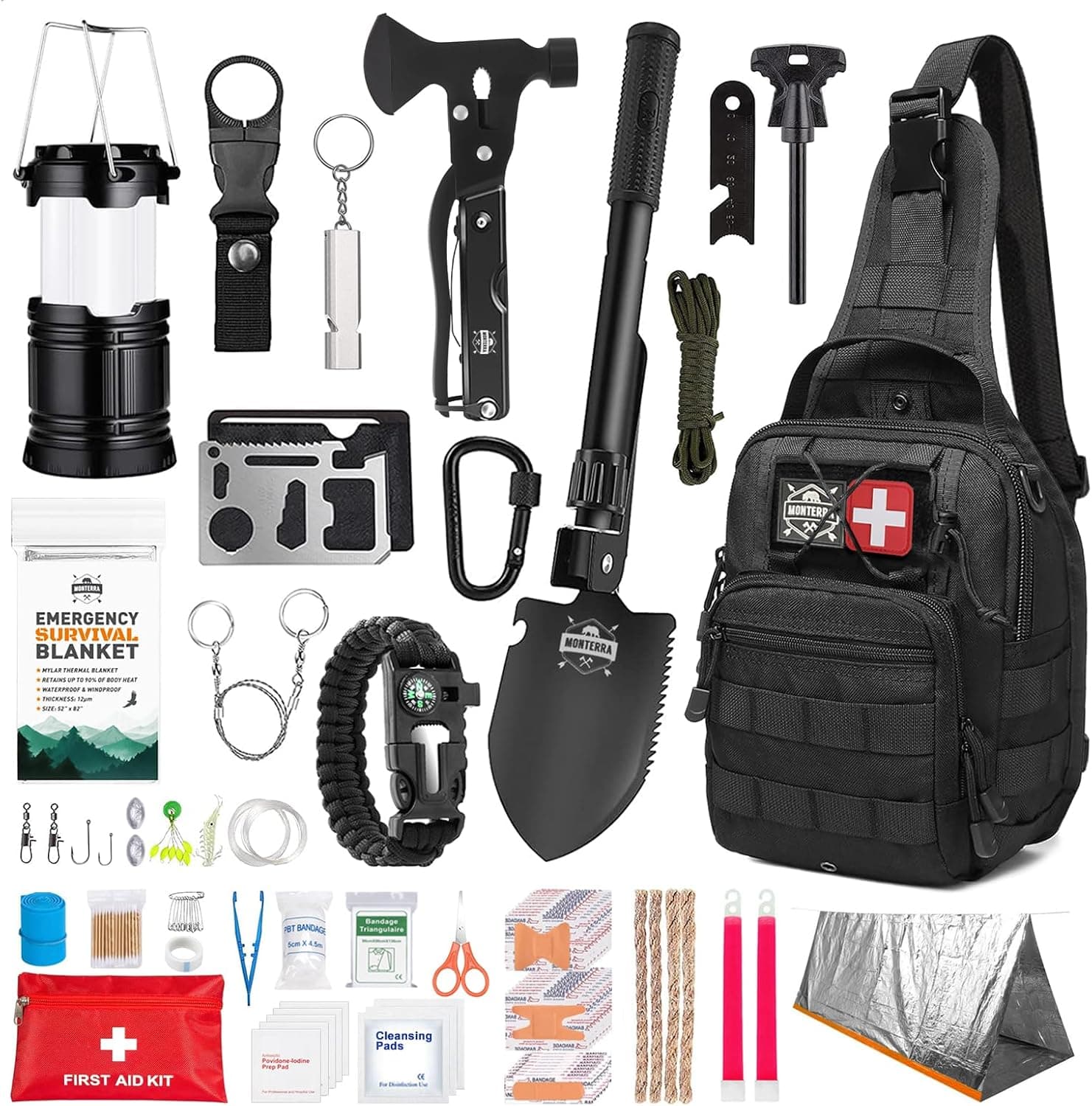
A pre-packed box of survival and first aid basics in one bag. A fast, affordable way to start — best used as a foundation you check, top up and personalise, not a finished emergency plan.
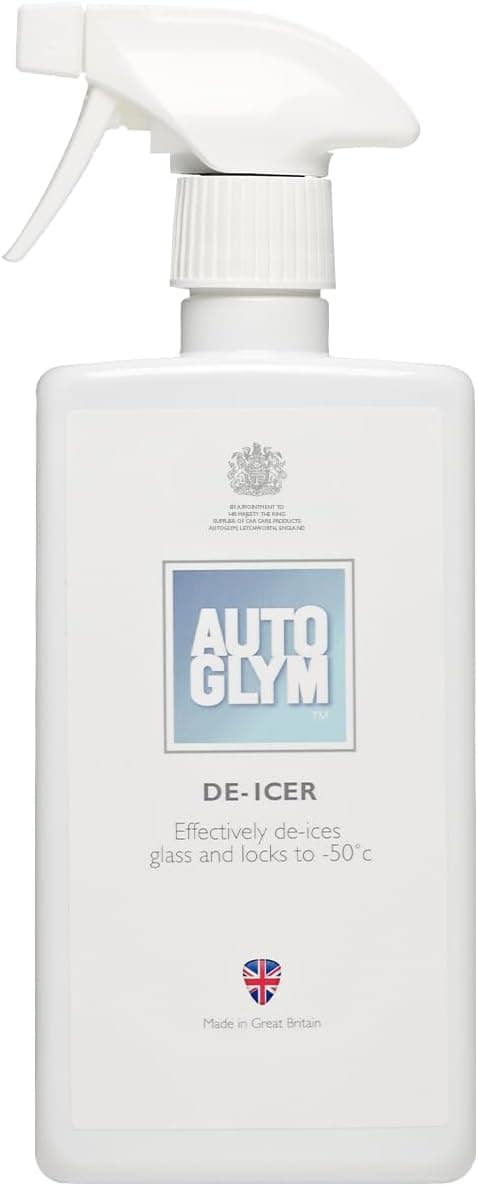
A can of de-icer clears a frozen windscreen in seconds so a cold morning never turns into a missed appointment or a dangerous drive with a half-scraped view.
Water & Hydration
1 item
Flexible water container that rolls up flat when empty. Essential for carrying treated water from source to camp.
Hygiene
1 item
A box of disposable nitrile gloves protects you when giving first aid, handling contaminated water, or cleaning up after a flood. Cheap, compact hygiene that belongs in every kit.
Power & Charging
1 item
A portable jump starter gets a flat car battery running again without needing a second car or a roadside callout — pocket-sized insurance against a cold-morning no-start.
Food
1 item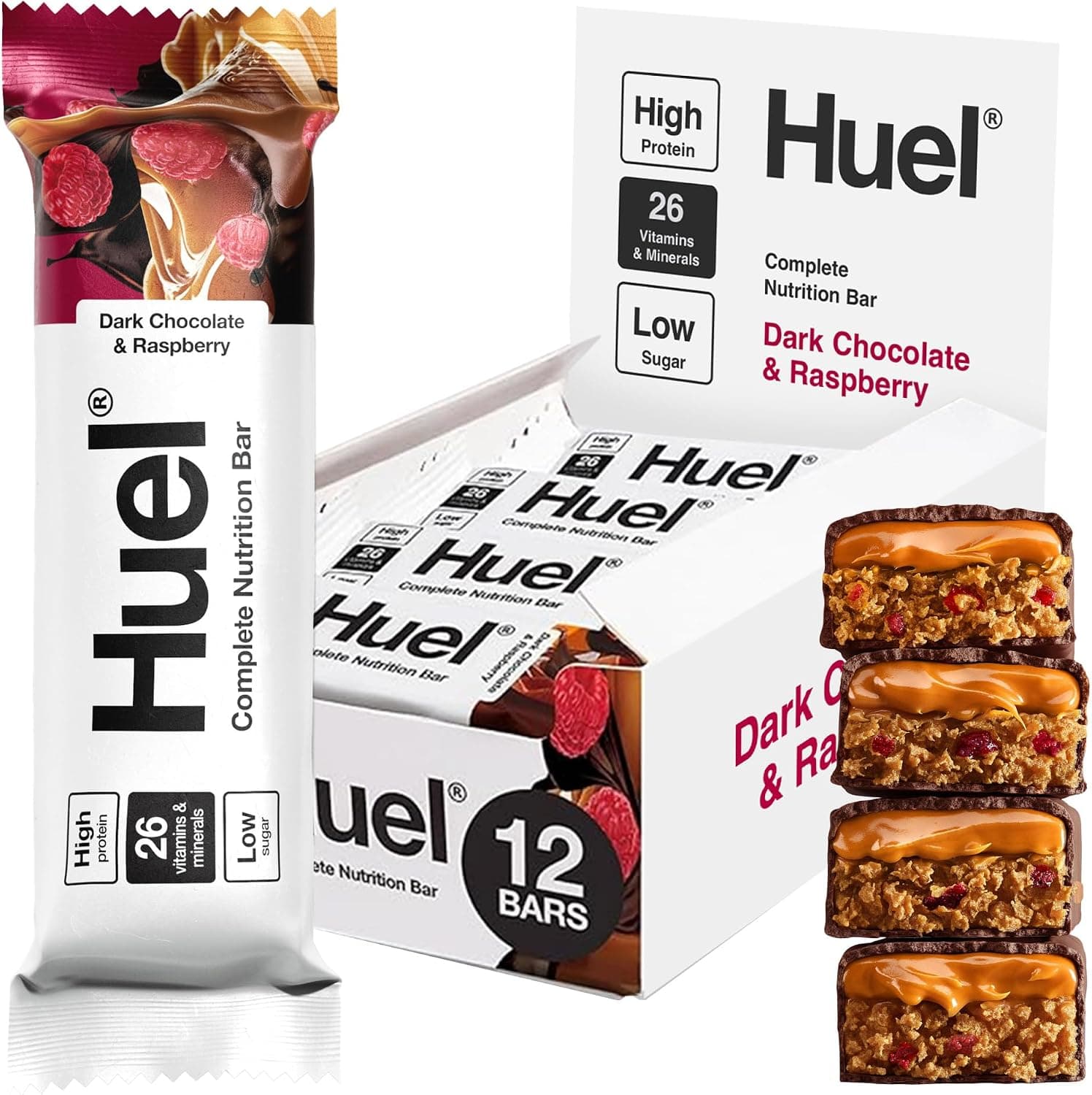
Calorie-dense energy bars need no cooking and store for months — fast fuel for a long day, a delayed journey, or the first hours of an emergency.
Where it goes,
how often you check it.
One box, one place
A 50L Really Useful Box, kept dry, out of sunlight, accessible without a torch.
Quarterly check-in
Calendar reminder for the first weekend of January, April, July, October. 10 minutes.
Rotate the perishables
Water tanks every 6 months, food rations on best-before, batteries every 5 years.


