The 10 Essentials
Every survival kit should be built around a core set of essentials. Whether you are preparing for a weekend hike in the Lake District or a nationwide emergency, these ten categories form the backbone of any reliable kit. Getting these right means you can survive the critical first 72 hours of almost any situation.
The essentials cover your basic human needs: hydration, shelter, warmth, the ability to signal for help, and medical care. Miss any one of these and your chances of a comfortable — or even survivable — outcome drop significantly.
Water Purification
Water is your number one priority. You can survive weeks without food but only days without water. A reliable water filter should be the first item in your kit. Modern pump and squeeze filters remove 99.99% of bacteria and protozoa, making almost any freshwater source safe to drink.
Always carry a backup method. Water purification tablets weigh almost nothing and can save your life if your primary filter fails. They also kill viruses, which most filters do not.
Shelter & Warmth
Hypothermia kills more people in UK outdoor emergencies than any other cause. An emergency blanket reflects up to 90% of your body heat and weighs just a few grams. It is the most weight-efficient warmth item you can carry.
For extended situations, a bivvy bag provides full-body protection from wind and rain. Combined with an emergency blanket inside, it creates a surprisingly effective emergency shelter that can keep you warm through a cold British night.
Fire Starting
Fire provides warmth, light, the ability to purify water by boiling, and a massive morale boost. A fire steel is the most reliable fire-starting tool available. Unlike lighters, it works when wet and never runs out of fuel — a single rod provides thousands of strikes.
Keep waterproof matches as a backup. They are easier to use when your hands are cold or shaking, and require less skill than a fire steel. Store them in a waterproof container with a striker.
First Aid
A quality first aid kit is non-negotiable. Minor injuries can become serious without treatment, and in a survival situation, even a small infected cut can become life-threatening. Look for kits designed for outdoor use that include wound closure strips, blister treatment, and a comprehensive range of bandages.
Supplement your kit with any personal medications you take regularly, plus painkillers, antihistamines, and anti-diarrhoea tablets. Knowledge is just as important as supplies — take a basic first aid course so you know how to use everything in your kit.
Navigation & Communication
When your phone battery dies or there is no signal, a compass and a paper map become your lifeline. GPS devices fail, batteries die, and screens crack. A compass works in any weather, any temperature, and never needs charging.
A reliable torch is essential for signalling, navigation after dark, and performing tasks in low light. Choose one with multiple brightness settings and a strobe mode for emergencies. LED torches offer the best battery life.
Tools
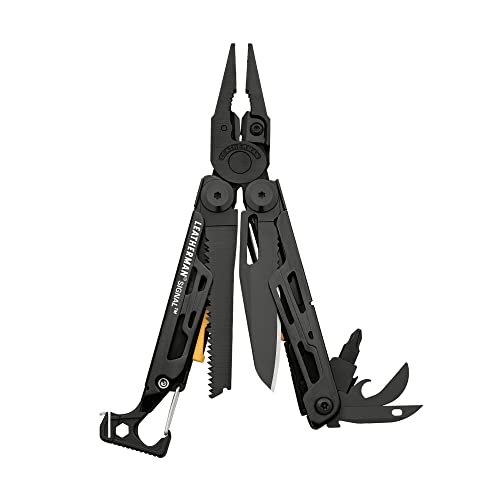
A good multi-tool replaces an entire toolbox. From cutting cordage and preparing food to repairing gear and building shelter, a multi-tool earns its weight many times over. Choose one with a locking blade, pliers, and a saw.
Paracord, duct tape, and cable ties are also worth including. These simple items have dozens of survival uses from shelter building to gear repair, and take up almost no space in your kit.
Building Your Kit on a Budget
You do not need to spend a fortune to be prepared. Start with the absolute essentials — a water filter, emergency blanket, first aid kit, fire steel, and torch — and build from there. A solid starter kit can be assembled for under £100 if you shop wisely.
Invest in quality where it matters most: your water filter and cutting tool will be used hardest, so buy the best you can afford. For items like emergency blankets and paracord, budget options work perfectly well. Build your kit gradually over a few months rather than trying to buy everything at once.