Multi-Tool

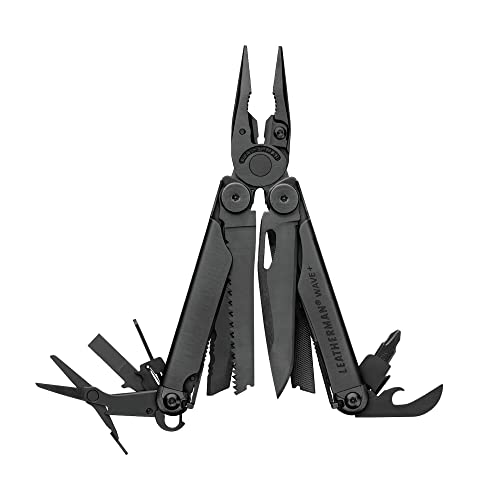
A quality multi-tool combines pliers, knife blades, screwdrivers, and other implements into a single compact unit. The Swiss Army knife's more robust cousin and an indispensable survival companion.

Why It Matters

A multi-tool is arguably the single most versatile item in any survival kit. It replaces a toolkit's worth of individual implements — pliers for gripping and bending, blades for cutting cordage and preparing food, screwdrivers for gear repair, and often a file, saw, or can opener as well. In a UK survival context, where you may need to repair a tent pole snapped by highland winds, cut paracord for a shelter, or improvise a fishing hook, a multi-tool handles it all. Carrying multiple single-purpose tools adds weight and bulk; a multi-tool keeps you capable while staying light.

When to Use It

Reach for your multi-tool whenever you face a practical problem in the field — from tightening a loose stove fitting on a Lake District wild camp to cutting moleskin for a blister on the South West Coast Path. In vehicle emergency kits, a multi-tool can cut a jammed seatbelt, break a window with a pointed end, or tighten a loose battery terminal. It is a daily-carry essential for anyone venturing into the UK backcountry.

Features to Look For

Locking blade mechanism
Ensure the knife blade and other key tools lock firmly into position when deployed. A non-locking blade can close on your fingers under pressure. UK law permits carrying a folding knife with a blade under 3 inches without good reason — check that your multi-tool's main blade complies.
Spring-loaded pliers
Spring-loaded pliers reduce hand fatigue significantly during prolonged use. Look for replaceable wire-cutter inserts — hardened wire cutters dull over time, and replaceable ones extend the tool's service life considerably.
One-hand opening tools
In cold, wet conditions — standard UK fare — one-hand opening blades and tools are far easier to deploy. Thumb studs or flippers allow you to access your most-used tools while your other hand holds a torch, rope, or casualty.
Corrosion-resistant materials
Stainless steel construction is essential for UK use where moisture is constant. Some premium models use 154CM or S30V steel for the blade, offering better edge retention. Ensure the pivot points are tight and the tool does not develop play over time.

Common Mistakes

Buying too many functions you won't use
A 30-function multi-tool sounds impressive but adds unnecessary weight and bulk. Focus on the core tools you'll actually use: pliers, plain-edge blade, screwdriver, and bottle opener. Extra tools like corkscrews or miniature scissors rarely justify their presence in a survival context.
Never maintaining or sharpening it
A dull blade is more dangerous than a sharp one because it requires more force and is more likely to slip. Regularly oil the pivot points, sharpen the blade, and check that all locking mechanisms engage properly. Carry a small sharpening stone or ceramic rod in your kit.
Forgetting UK knife law
Under UK law, you can carry a folding knife with a blade of 3 inches (7.62cm) or less without needing a specific reason. Locking blades of any length require a good reason to carry in public. Ensure your multi-tool complies, especially if it has a locking main blade.

People Also Need

People also need

This page contains affiliate links. We may earn a commission at no extra cost to you.