Definitions
The terms "bug out bag" and "survival kit" are often used interchangeably, but they serve different purposes. Understanding the distinction helps you prepare more effectively and avoid wasting money on gear you do not need.
A survival kit is a collection of essential items designed to help you survive an emergency in place or during a short outdoor trip. A bug out bag (BOB) is specifically designed for evacuation — it contains everything you need to sustain yourself for 72 hours while travelling from a dangerous location to a safe one.
Key Differences
The biggest difference is mobility. A survival kit can be stored at home, in your car, or at a campsite. It does not need to be lightweight or compact because you are not carrying it long distances. A bug out bag must be portable enough to carry on your back for hours or even days.
A survival kit can be comprehensive and heavy. You can include bulky items like a full-size first aid kit, multiple tools, and generous food supplies. A bug out bag forces you to make tough choices about what to include, because every gram counts when you are walking.
Focus also differs. A survival kit emphasises long-term sustainability and comfort. A bug out bag prioritises movement, navigation, and short-term survival during travel.
When You Need a Bug Out Bag
A bug out bag makes sense if you live in a flood-prone area, near an industrial facility, or in a location where evacuation is a realistic possibility. In the UK, flooding is the most likely scenario requiring rapid evacuation. Some coastal communities also face storm surge risks.
Your bug out bag should be a comfortable rucksack weighing no more than 15-20% of your body weight. Include lightweight versions of essential items, a change of clothes, documents, cash, and enough food and water for three days of travel.
When a Survival Kit Is Enough
For most UK residents, a well-stocked home survival kit is more practical than a bug out bag. Power cuts, storms, and water disruptions are far more common than events requiring evacuation. Your priority should be being able to shelter in place comfortably for 72 hours.
A car survival kit is also more useful than a bug out bag for most people. You are far more likely to be stranded at the roadside in winter than to need to walk across country with a rucksack.
Essential Items for Both
Regardless of which you are building, certain items appear in both. A water filter, first aid kit, and torch are non-negotiable in any emergency preparation.
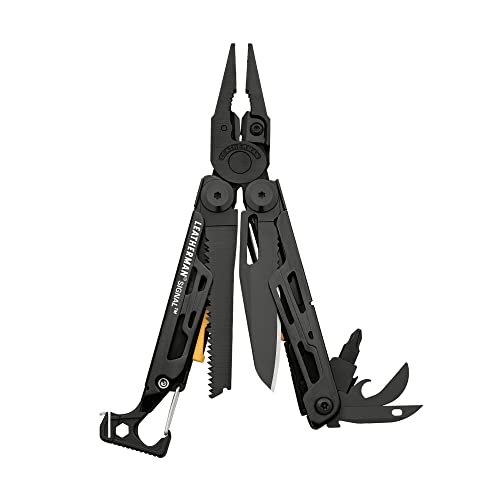
An emergency blanket, fire steel, compass, whistle, and multi-tool are also common to both. The difference is in the quantity, quality, and specific versions you choose based on whether portability or comprehensiveness is your priority.
Our Recommendation for UK Residents
Start with a home survival kit. This covers the most likely scenarios and gives you the broadest protection. Add a car kit next, as vehicle emergencies are common and often happen in remote areas. Only then consider a bug out bag if your specific situation warrants one.
The good news is that many items overlap between all three. Building one kit gives you the core items to quickly assemble the others. Focus on quality essentials and build outward from there, rather than trying to prepare for every possible scenario at once.