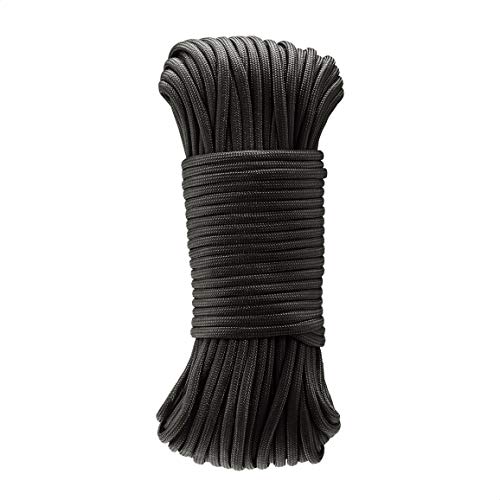
Paracord

550 paracord is an incredibly versatile survival essential — useful for shelter building, gear repair, first aid improvisation, and dozens of other field applications. Lightweight and compact for its strength.

Why It Matters

Paracord is often called the duct tape of the cordage world, and for good reason. Genuine 550 paracord has a minimum breaking strength of 250kg, yet weighs just grams per metre and packs down to almost nothing. In UK survival situations, you'll use it constantly — rigging a tarpaulin shelter against driving rain, creating a washing line to dry sodden clothes, fashioning a tourniquet or splint binding in a first aid emergency, or replacing a snapped bootlace on a remote Munro. The inner strands can be separated for finer tasks like fishing line or suture thread. No survival kit is complete without at least 15 metres.

When to Use It

Paracord is a reach-for-daily item in any outdoor scenario. Use it to pitch tarps and hammocks in UK woodlands, secure gear to the outside of your rucksack, hang a bear bag (or simply keep food away from foxes and badgers at camp), create a ridgeline for a shelter, or lash together a makeshift stretcher. In urban emergency situations, paracord can serve as a tow line, a bundle tie, or a securing strap for loose items in high winds.

Features to Look For

Genuine 550 Type III specification
True 550 paracord has a kernmantle construction with 7-9 inner strands enclosed in a braided outer sheath. Cheap imitations often have only 2-3 inner strands or none at all. Check the specification — genuine Type III 550 cord has a minimum tensile strength of 550 lbs (250kg).
Inner strand count and quality
Each inner strand should itself be made of multiple twisted fibres. These inner strands are individually useful as fishing line, sewing thread, or dental floss in a survival situation. The more inner strands, the more versatile your cordage supply becomes.
Mildew and UV resistance
For UK use where your cord may spend days wet, choose nylon paracord that resists mildew and rot. Some premium cords include UV-resistant treatments that prevent the outer sheath from degrading in sunlight. Avoid cotton or polyester imitations.

Common Mistakes

Not sealing cut ends
When you cut paracord, the ends will fray rapidly unless you melt them with a flame. Always seal cut ends immediately — this prevents unravelling and makes the cord easier to thread through grommets and tie-down points on tarps and packs.
Using it for climbing or life-safety applications
Despite its impressive strength rating, paracord is NOT rated for climbing, abseiling, or any life-safety application. It has very little stretch and no dynamic energy absorption. Use proper climbing rope for those purposes. Paracord is for utility, not fall arrest.

People Also Need

People also need

This page contains affiliate links. We may earn a commission at no extra cost to you.