Flood Emergency Kit
<p>Flooding is the most common natural hazard in the United Kingdom, affecting homes from coastal villages to inland towns beside swollen rivers. When heavy rain arrives, water can rise faster than many people expect, cutting off power, contaminating supplies and blocking safe routes out. A well-prepared flood kit is not about panic; it is about having the practical things you need already gathered so you can act calmly. The aim is simple: keep your household warm, dry, informed and mobile if you need to move upstairs or leave altogether. Preparation today saves precious minutes when a warning finally comes through.</p>
<p>Sign up for free Environment Agency flood warnings and check the gov.uk 'check for flooding' service whenever rain is forecast for your area. Keep a grab bag ready by the front door holding documents, medication, a torch and a means of charging your phone. Know where your gas, electricity and water shut-off points are, and learn how to isolate them safely before water reaches sockets or the meter. Store your kit above likely flood levels, ideally upstairs, so it stays dry and reachable. A little planning turns a frightening night into a situation you can manage.</p>
<p>During a flood, never walk or drive through floodwater. Just thirty centimetres of moving water can knock you off your feet, and it often hides open drains, debris and sewage. If your home is flooding and there is a risk to life, call 999 and move to the highest safe floor. Use your emergency radio to follow local updates when the mains supply fails, and keep hands and cuts clean, as floodwater carries contamination. Once the water recedes, wait for guidance before returning, and wear gloves during any clean-up. Stay patient, stay dry and prioritise people over possessions.</p>
This page contains affiliate links. We may earn a commission at no extra cost to you.

Tick as you go.
See what you're missing.
Tools
2 items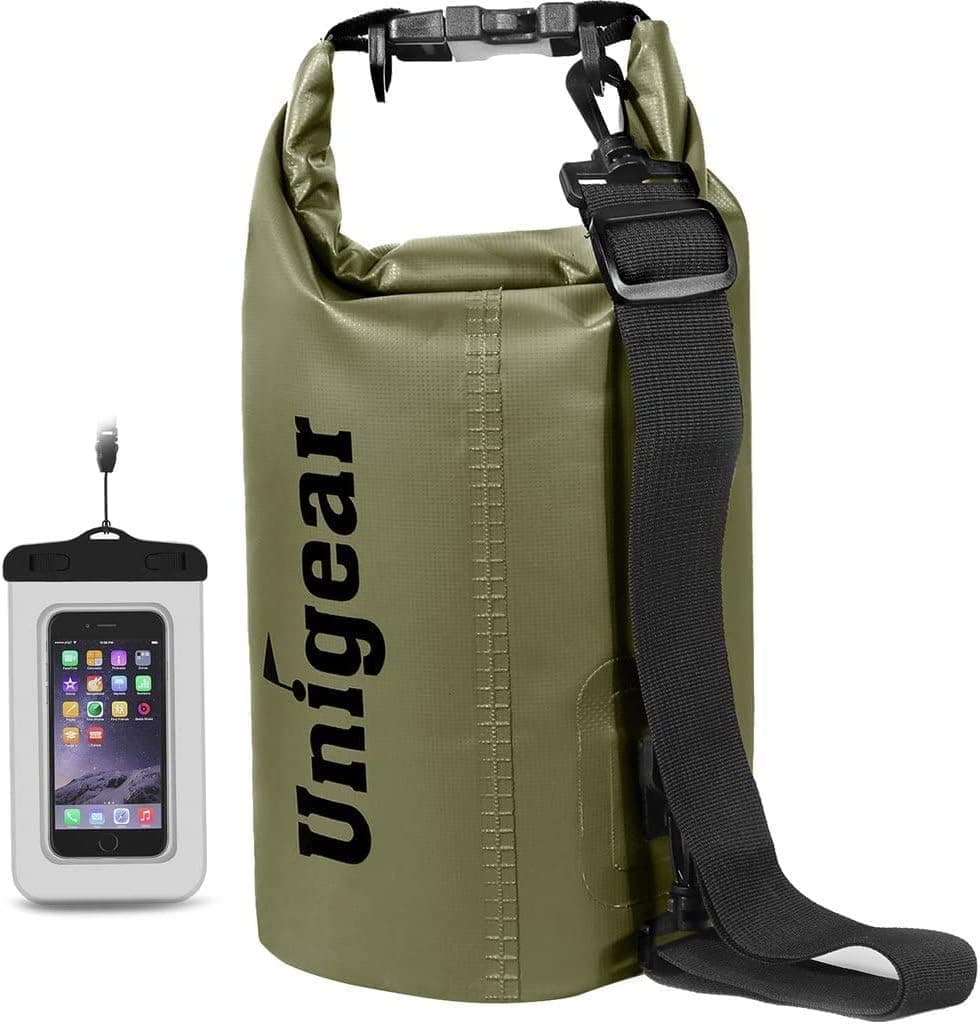
A roll-top dry bag keeps spare clothes, electronics and food genuinely dry when a rucksack or boot can't — the difference between a warm night and a wretched one.

A pair of tough leather work gloves protects your hands clearing debris, handling glass, changing a tyre or gripping a jump-starter cable. Cheap protection for the jobs bare hands shouldn't do.
Communication
2 items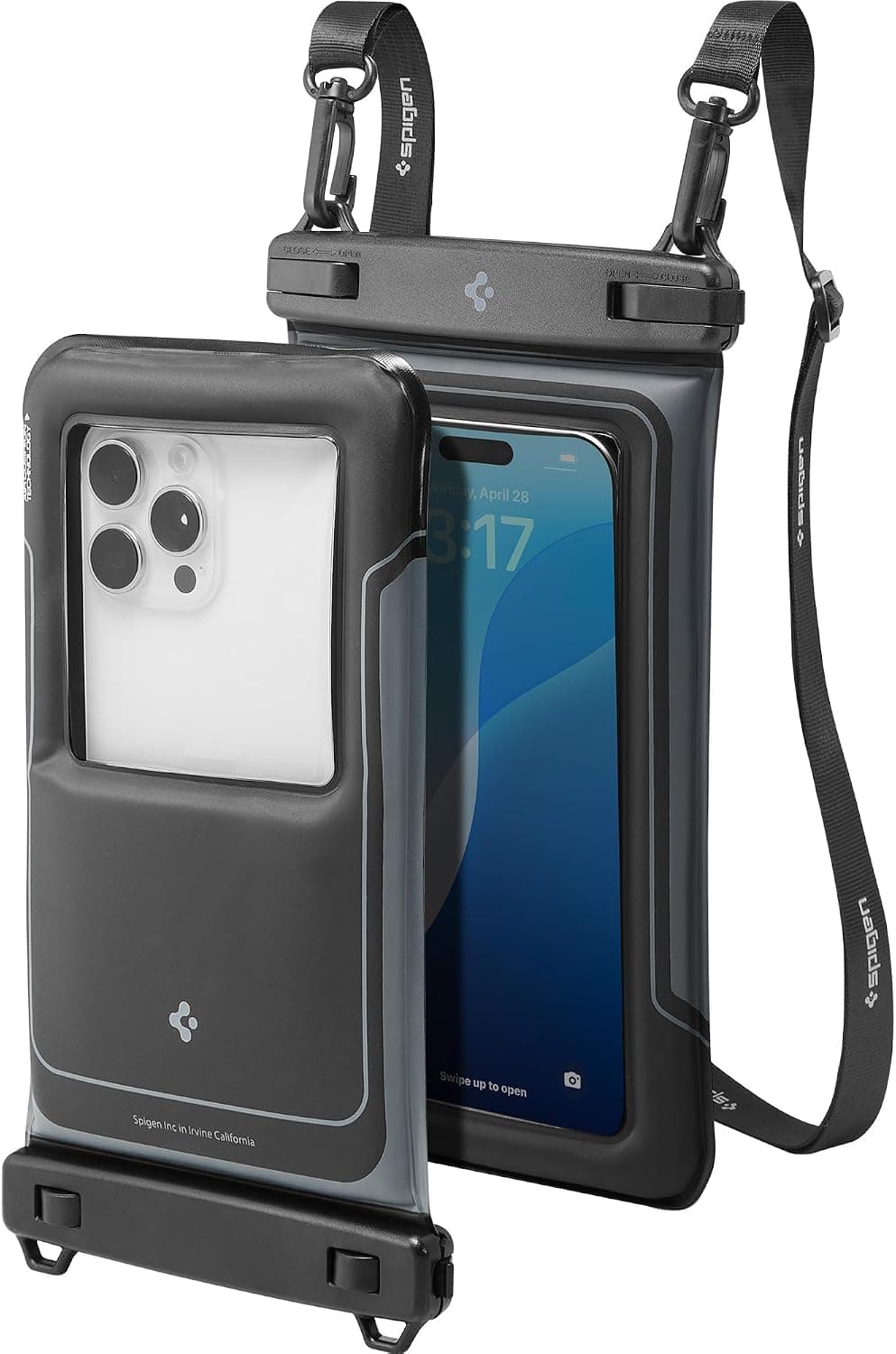
A sealed pouch keeps your phone — your lifeline for calls, maps and alerts — dry and working through rain, spray and accidental dunks.

A wind-up or solar-powered emergency radio keeps you connected to weather warnings, emergency broadcasts, and rescue coordination when the power grid fails. Your lifeline to critical information.
Lighting
2 items
Handheld LED flashlight providing reliable illumination. Essential for navigation, signalling, and camp tasks after dark.
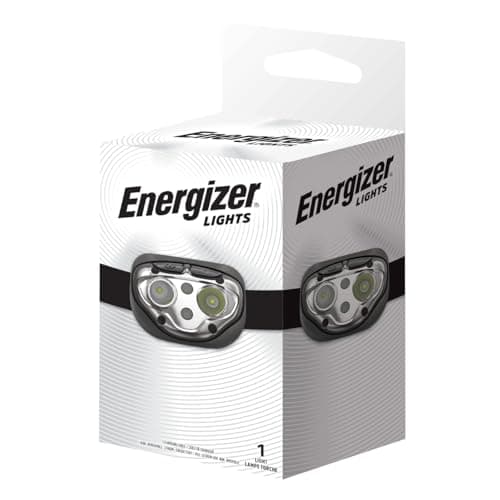
A reliable LED headlamp provides hands-free illumination for navigating, setting up camp, and performing tasks in darkness. Essential kit for any UK survival scenario where torchlight alone won't cut it.
Power & Charging
1 item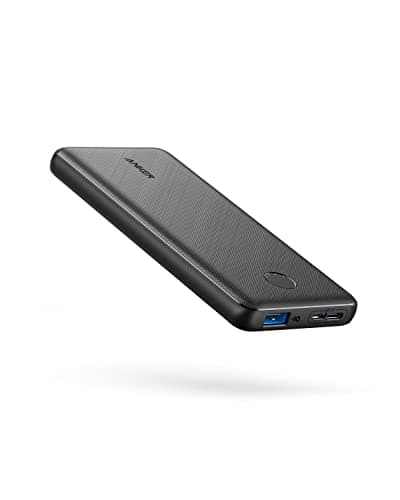
A portable battery pack keeps your phone, GPS, and headlamp charged when mains power is unavailable. Essential for maintaining communication, navigation, and emergency calling capability in the field.
Water & Hydration
1 item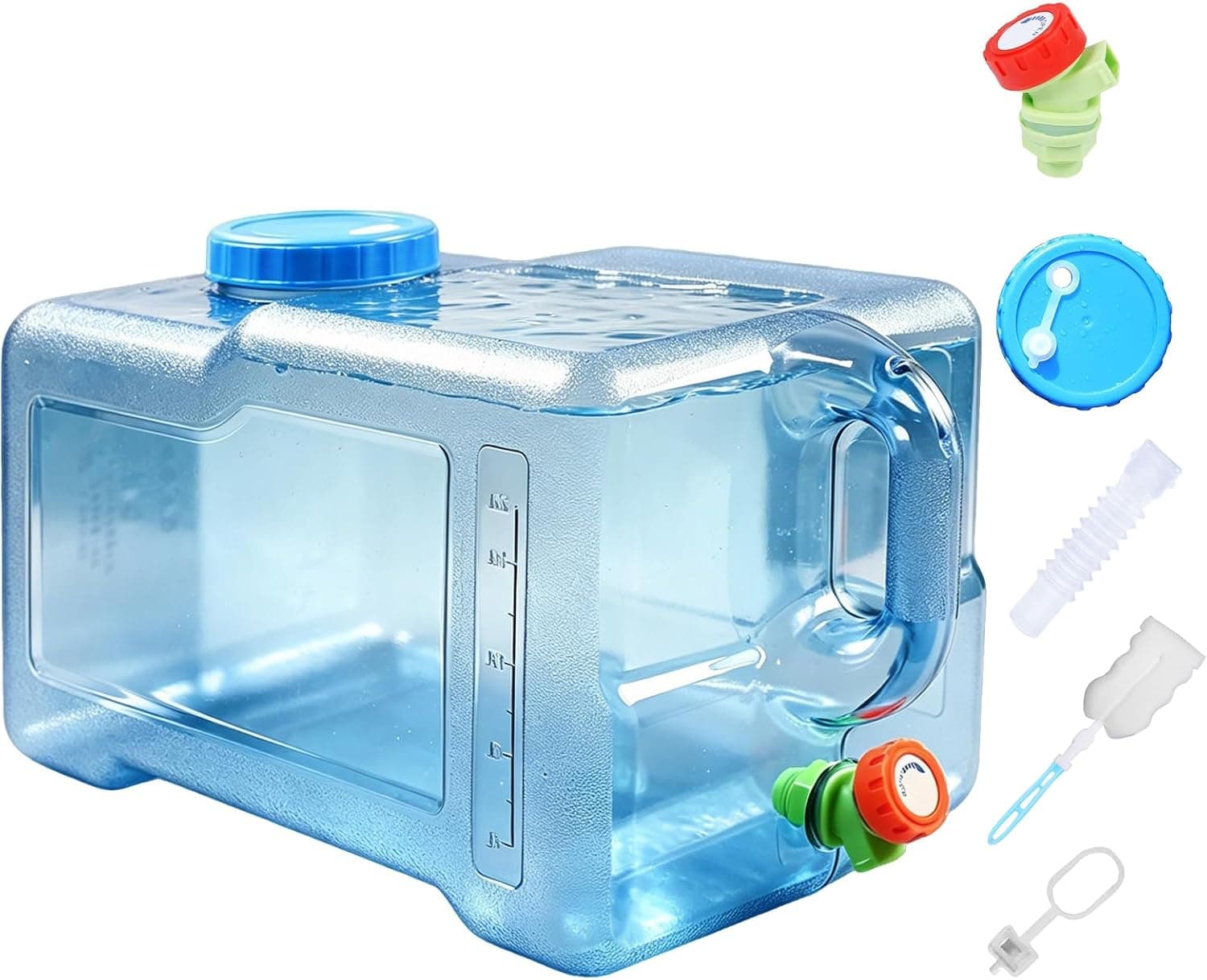
A collapsible water carrier stores and transports the litres you need when the taps stop — the storage side of water security that a filter or bottle can't cover.
First Aid
1 item
Comprehensive medical supplies for treating injuries, burns, and illnesses in the field. The most important safety item in any kit.
Warmth
1 item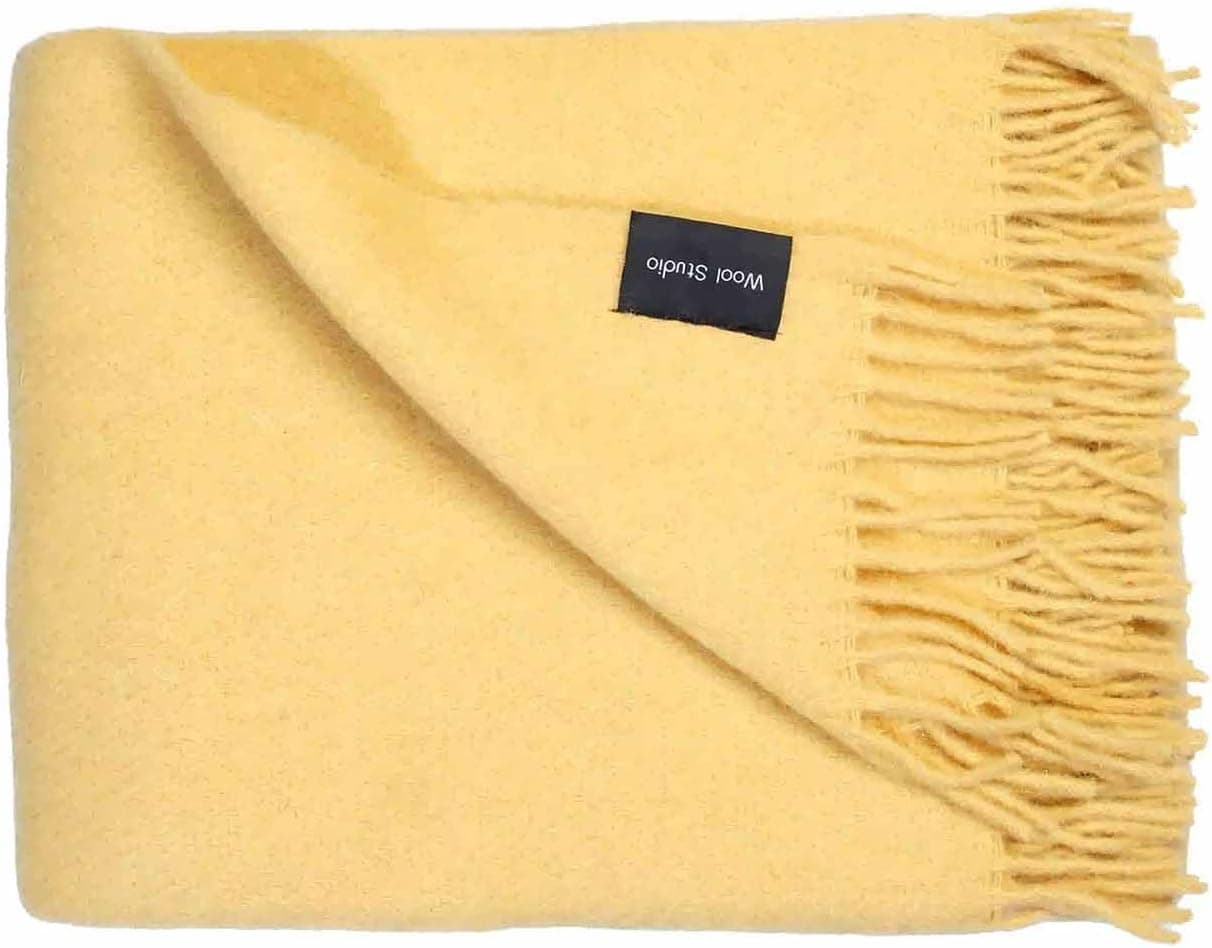
A wool blanket keeps you warm even when damp and won't melt near a flame — the rugged, reusable warmth layer for a cold house, a stranded car or a night outdoors.
Shelter
1 item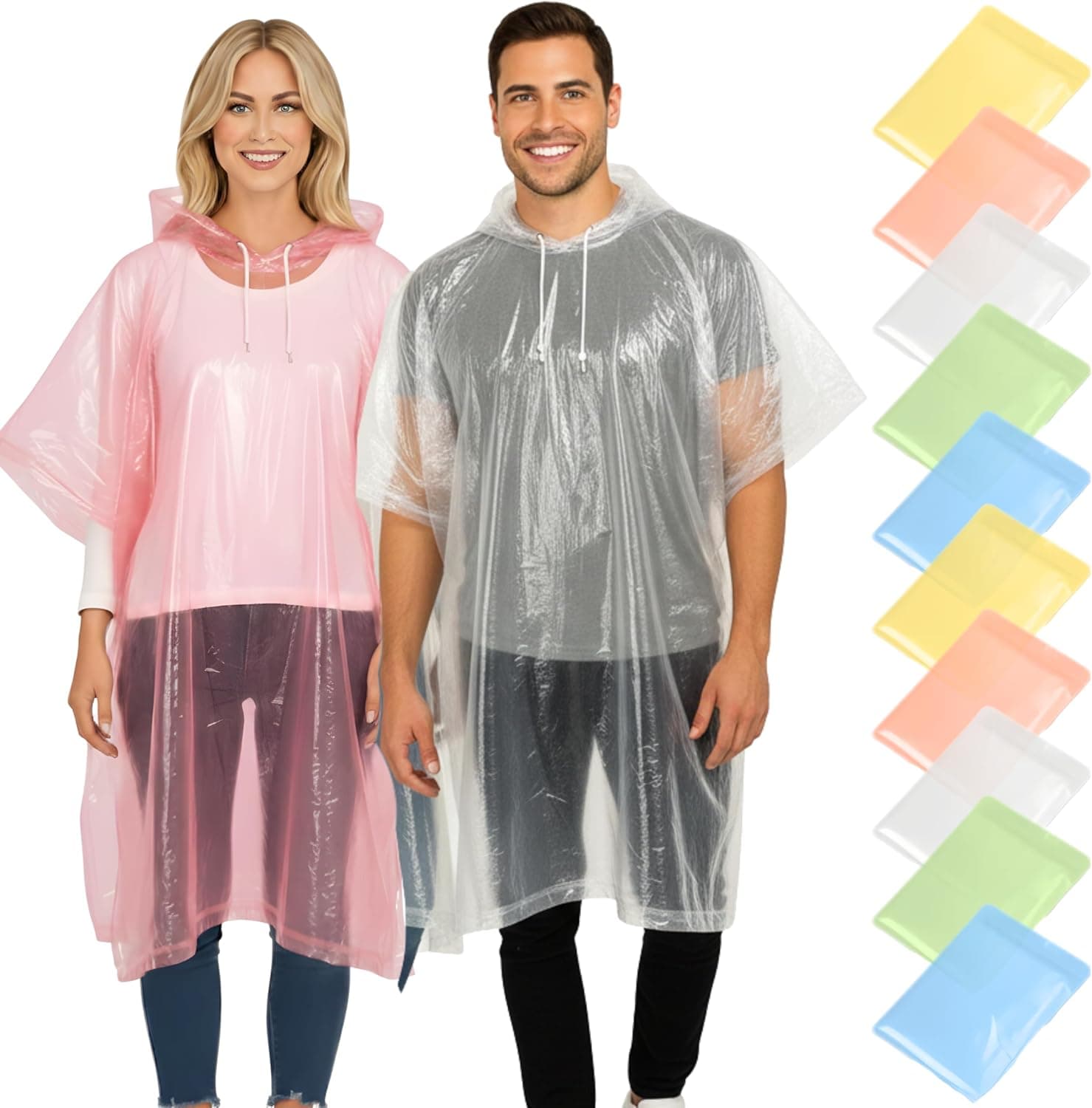
A packable poncho keeps you and your pack dry in a downpour and doubles as an emergency shelter or ground sheet — a lot of usefulness for almost no weight.
Hygiene
2 items
Biodegradable wet wipes provide quick sanitation for hands, face, and body when washing facilities are unavailable. Essential for maintaining hygiene, morale, and preventing infection in field conditions.
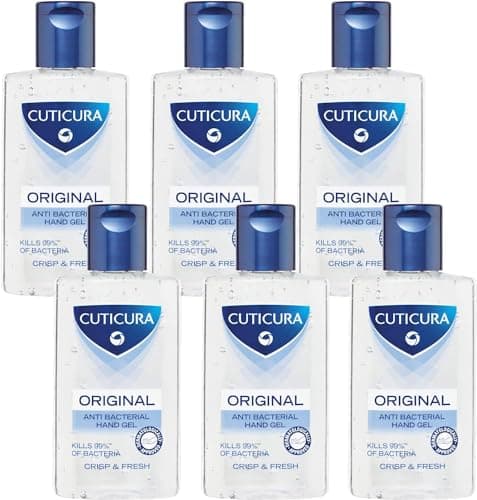
Antibacterial hand gel maintains field hygiene when soap and clean water are unavailable. A small bottle prevents the gastrointestinal infections that can rapidly debilitate you in a survival situation.
Navigation
1 item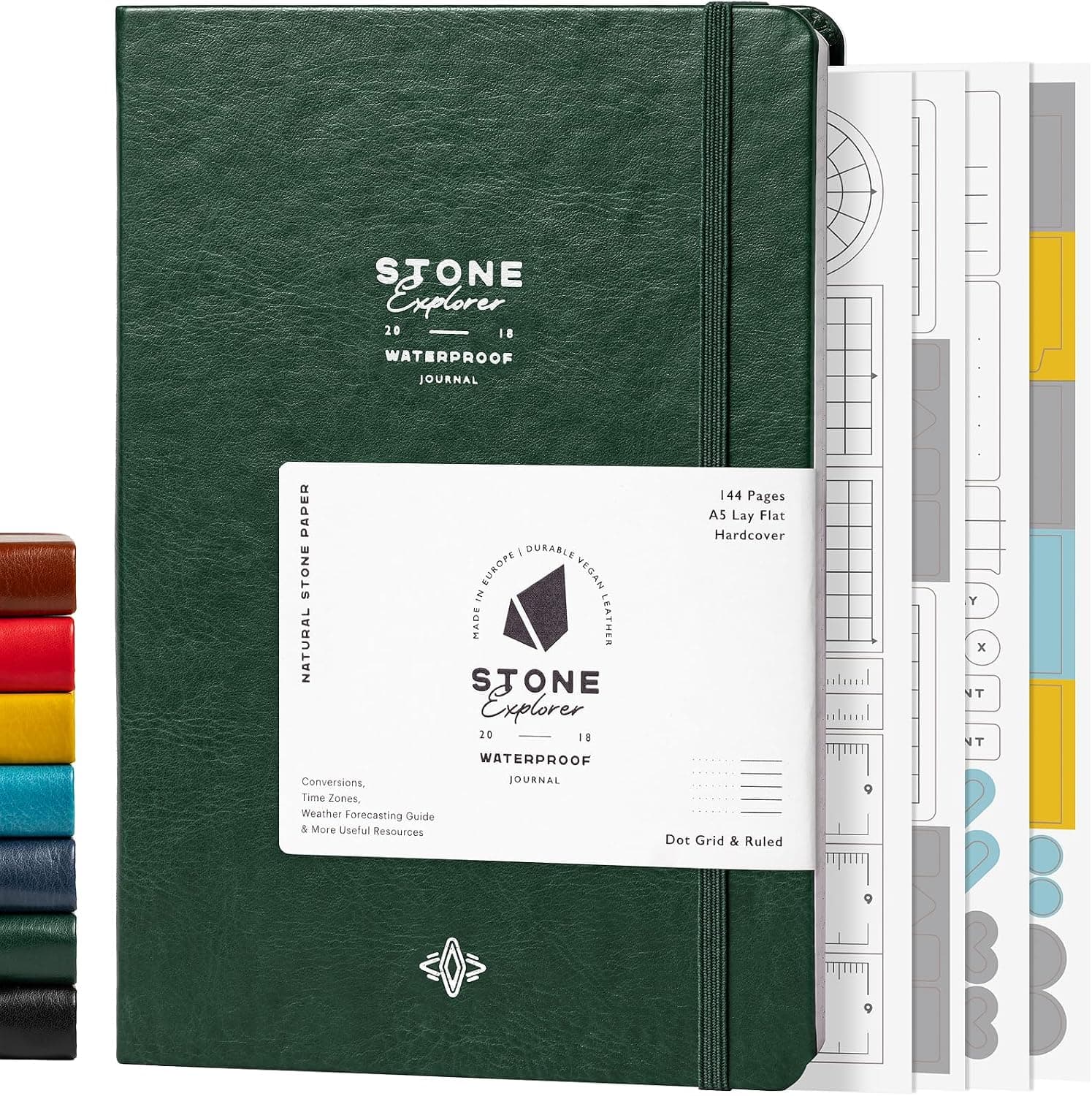
A waterproof notebook records grid references, contacts, symptoms and plans that survive rain and sweat — reliable written information when a phone can't be trusted.
Where it goes,
how often you check it.
One box, one place
A 50L Really Useful Box, kept dry, out of sunlight, accessible without a torch.
Quarterly check-in
Calendar reminder for the first weekend of January, April, July, October. 10 minutes.
Rotate the perishables
Water tanks every 6 months, food rations on best-before, batteries every 5 years.


