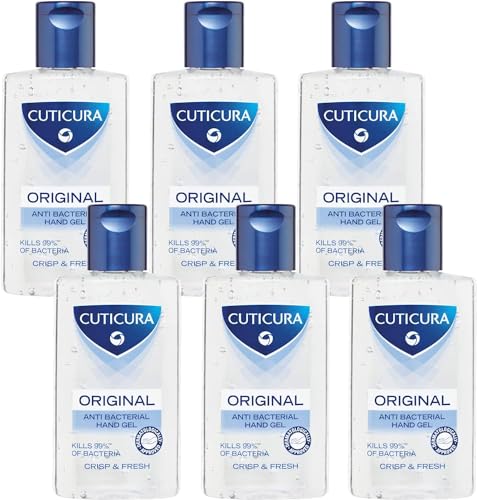
Wet Wipes

Biodegradable wet wipes provide quick sanitation for hands, face, and body when washing facilities are unavailable. Essential for maintaining hygiene, morale, and preventing infection in field conditions.

Why It Matters

Maintaining personal hygiene in a survival situation is not a luxury — it is a medical necessity. Skin infections, fungal growth, and bacterial transmission through poor hygiene can rapidly degrade your physical condition and morale. Wet wipes allow you to clean hands before eating, sanitise wound sites before dressing, remove sweat and grime that cause chafing and skin breakdown, and maintain basic dignity during extended field situations. In the UK's damp climate, where wet clothing and persistent moisture are constant companions, keeping skin clean and dry is critical for preventing conditions like trench foot and fungal infections.

When to Use It

Use wet wipes for daily field hygiene when water for washing is scarce or too cold. They are invaluable for cleaning around wounds before applying dressings, freshening up feet at the end of a long day's hiking in the Brecon Beacons or Cairngorms, and cleaning cooking equipment when water is limited. They also serve as emergency toilet paper and for cleaning hands after foraging or handling potentially contaminated natural water sources.

Features to Look For

Biodegradable and environmentally responsible
For outdoor use in the UK countryside, choose wipes that are genuinely biodegradable and break down within weeks. Many wipes claiming to be flushable or biodegradable contain plastic fibres that persist in the environment for years. Look for plant-based fibre wipes with no polyester content.
Resealable packaging
Once opened, wet wipes dry out rapidly. A robust resealable adhesive strip on the packet keeps the remaining wipes moist for weeks. Check that the seal is strong enough to survive being in a rucksack. Some survival-oriented brands use zip-lock style closures for better sealing.
Unscented and hypoallergenic
Strongly scented wipes can attract insects, irritate sensitive or broken skin, and leave a detectable scent trail. For survival and outdoor use, choose unscented, hypoallergenic wipes that are gentle enough to use on the face and around wounds without causing irritation.

Common Mistakes

Leaving used wipes in the countryside
Even biodegradable wipes take weeks to months to break down and are unsightly, harmful to wildlife, and a source of contamination in the meantime. Always pack out used wipes in a sealed bag. Follow the Leave No Trace principle rigorously — the UK's wild spaces depend on it.
Relying on them as your only sanitation method
Wet wipes clean visible dirt but are not a substitute for hand sanitiser when it comes to killing bacteria and viruses. Use wipes to clean and sanitiser to disinfect — in that order. Together they provide effective field hygiene; alone, each has significant gaps.

People Also Need

People also need

This page contains affiliate links. We may earn a commission at no extra cost to you.