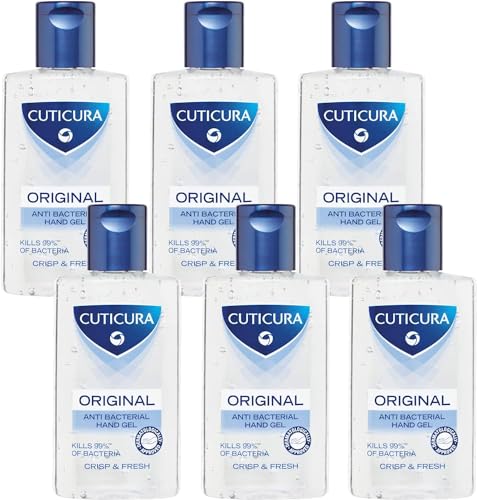
Hand Sanitiser

Antibacterial hand gel maintains field hygiene when soap and clean water are unavailable. A small bottle prevents the gastrointestinal infections that can rapidly debilitate you in a survival situation.

Why It Matters

In a survival situation, a bout of vomiting and diarrhoea from poor hand hygiene can be genuinely life-threatening. Dehydration from gastrointestinal illness compounds rapidly when clean water is already scarce, and the physical weakness it causes can prevent you from performing essential survival tasks. Hand sanitiser with at least 60% alcohol content kills the vast majority of bacteria and many viruses on contact. After handling raw food, going to the toilet, treating wounds, or handling contaminated water containers, a quick application of hand gel dramatically reduces infection risk. It weighs almost nothing and could prevent the illness that turns a manageable situation into a medical emergency.

When to Use It

Use hand sanitiser before eating or preparing food, after going to the toilet, before and after treating wounds or handling first aid supplies, and after handling water purification equipment or potentially contaminated water sources. In UK wild camping and hiking scenarios, streams and rivers may contain agricultural runoff, livestock contamination, or Cryptosporidium — sanitising your hands after any water-related task is essential.

Features to Look For

Alcohol content of 60% or higher
The active ingredient must be at least 60% ethanol or 70% isopropanol to be effective against bacteria and most viruses. Lower concentrations may smell like hand sanitiser but provide inadequate protection. Check the label — many budget brands fall below this threshold.
Leak-proof travel container
Choose a bottle with a secure flip-top or pump that will not leak inside your pack. A 100ml bottle is ideal for a personal survival kit — large enough for dozens of applications but small enough to fit in any pocket or pouch. Decant from a larger bottle if needed.
Added moisturiser
Frequent hand sanitiser use strips natural oils from the skin, leading to cracking and sores — which are themselves infection risks. Choose a formula containing aloe vera or glycerin to maintain skin integrity during extended field use, especially in the cold, dry air of UK winter conditions.

Common Mistakes

Using it on visibly dirty hands
Hand sanitiser is not effective on hands covered in visible dirt, mud, or grease. It works by killing microorganisms on relatively clean skin. If your hands are visibly soiled, wipe them as clean as possible with a cloth or wet wipe first, then apply sanitiser as a second step.
Not using enough or rubbing long enough
A tiny dab rubbed for two seconds provides minimal protection. Apply enough gel to thoroughly coat all surfaces of both hands — including between fingers, around nails, and the backs of hands. Rub for at least 20 seconds until the gel has fully evaporated. This is the same duration as singing 'Happy Birthday' twice.

People Also Need

People also need

This page contains affiliate links. We may earn a commission at no extra cost to you.