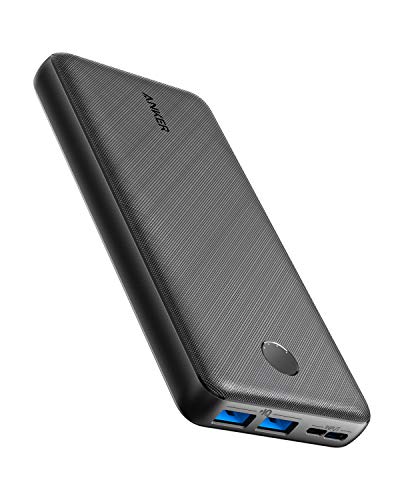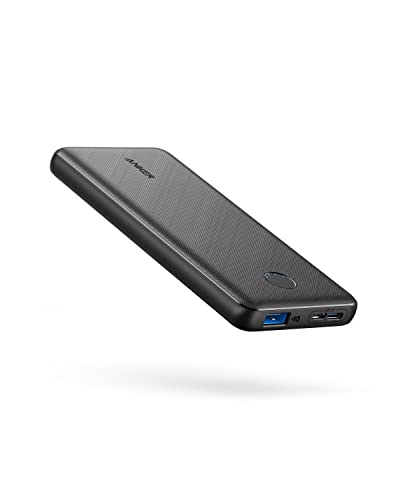
Power Bank

A portable battery pack keeps your phone, GPS, and headlamp charged when mains power is unavailable. Essential for maintaining communication, navigation, and emergency calling capability in the field.

Why It Matters

Modern survival increasingly depends on electronic devices — smartphones for emergency calls and mapping, GPS units for navigation, and rechargeable headlamps for illumination. When these devices run flat, you lose your ability to call for rescue, navigate to safety, and see in the dark. A quality power bank provides multiple full charges for a smartphone and can keep your critical electronics running for days. In the UK, where mountain rescue teams increasingly coordinate via mobile phone and where OS Maps digital mapping is widely used for navigation, maintaining battery life is not a convenience but a genuine safety requirement.

When to Use It

Carry a power bank on any UK outdoor expedition lasting more than a day, and keep one permanently in your vehicle emergency kit and home emergency supplies. Use it to top up your phone before it drops below 20%, charge your GPS device overnight during multi-day hikes on routes like the West Highland Way, and recharge your headlamp during winter expeditions when darkness consumes 16+ hours of the day. During UK power cuts from winter storms, a charged power bank keeps your phone available for emergency calls and information.

Features to Look For

Capacity in milliamp-hours (mAh)
For survival use, a minimum of 10,000mAh provides 2-3 full smartphone charges. A 20,000mAh unit covers a multi-day expedition comfortably. Balance capacity against weight — every 10,000mAh adds approximately 200 grams. For day hikes, 5,000mAh may suffice; for extended trips, go larger.
Output ports and fast charging
Look for at least two USB output ports so you can charge multiple devices simultaneously. USB-C Power Delivery (PD) or Quick Charge support significantly reduces charging time. Ensure the output is sufficient for your devices — phones typically need 5V/2A minimum for efficient charging.
Ruggedness and water resistance
Standard consumer power banks are fragile and water-sensitive. For outdoor and survival use, choose a ruggedised model with an IP65 or higher water-resistance rating, rubber bumper protection, and a dust-proof charging port cover. Some models include a built-in torch — a useful bonus.
Cold weather performance
Lithium-ion batteries lose capacity significantly in cold temperatures — up to 40% at freezing point. For UK winter use, keep your power bank inside your jacket close to your body. Some premium models use lithium polymer cells that perform better in cold conditions.

Common Mistakes

Setting out with a half-charged power bank
Always fully charge your power bank before any trip. A 20,000mAh power bank at 50% charge is effectively a 10,000mAh unit. Make charging your power bank part of your pre-trip preparation checklist, and keep your home emergency power bank on a maintenance charge cycle.
Forgetting the right cables
A power bank is useless without the correct charging cables for your devices. Carry a short USB-C and Lightning cable (or whichever your devices require). Keep dedicated cables stored with the power bank so they are never forgotten. Consider a multi-tip cable to cover all eventualities.
Draining it on non-essential use
In a survival situation, ration your power bank capacity for genuine needs: emergency calls, navigation, and essential lighting. Avoid using it to scroll social media, take photographs, or play music. Put your phone in aeroplane mode when not actively using mobile data to dramatically extend both phone and power bank life.

People Also Need

People also need

This page contains affiliate links. We may earn a commission at no extra cost to you.