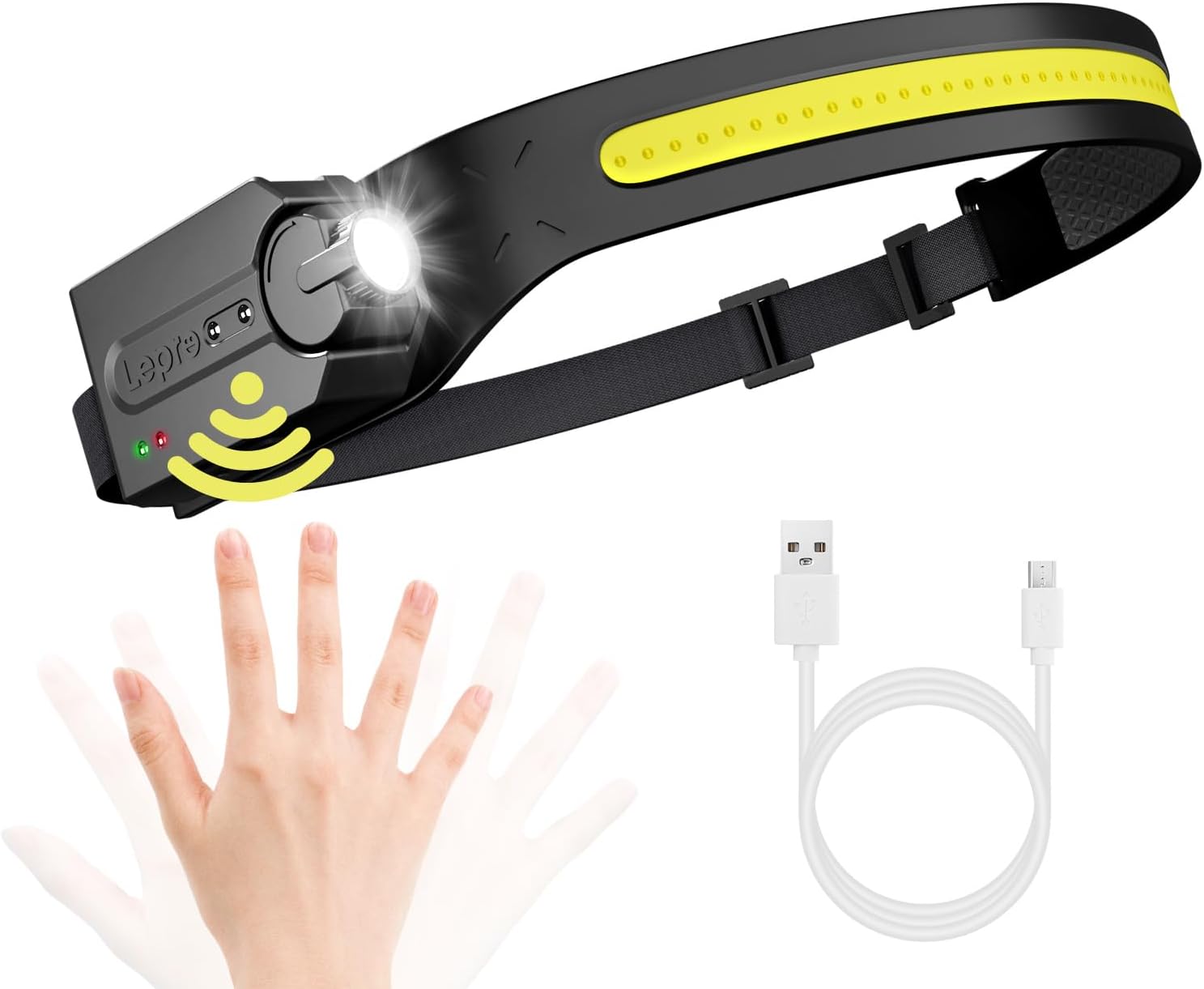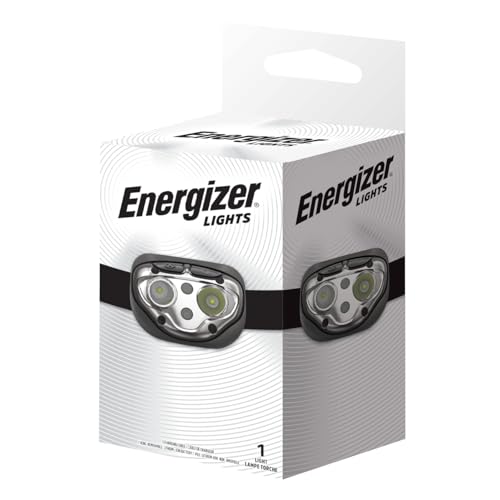
Headlamp

A reliable LED headlamp provides hands-free illumination for navigating, setting up camp, and performing tasks in darkness. Essential kit for any UK survival scenario where torchlight alone won't cut it.

Why It Matters

In a survival situation, having both hands free can make the difference between life and death. A headlamp allows you to navigate treacherous terrain, administer first aid, build shelter, and prepare food without fumbling with a handheld torch. During the UK's long winter nights — with darkness falling as early as 3:30pm in Scotland — reliable hands-free lighting becomes absolutely critical. A quality headlamp also reduces fatigue compared to holding a torch for extended periods, preserving your energy for the tasks that matter most.

When to Use It

Use a headlamp whenever you need to work in low-light conditions while keeping both hands free — pitching a tarp in the rain, reading a map at dusk on the Pennine Way, or sorting through your pack after dark. In the UK, where cloud cover and tree canopy can make even daytime conditions dim, a headlamp with a red-light mode is invaluable for preserving night vision during overnight navigation exercises or wild camping.

Features to Look For

Brightness and beam modes
Look for at least 200 lumens on the high setting with multiple modes including a low/economy mode for extended battery life, a flood beam for close-up tasks, and a spot beam for distance. A red-light mode is essential for preserving night vision.
Water resistance rating
Given the UK's famously wet climate, an IPX4 rating (splash-proof) is the bare minimum. Aim for IPX6 or higher if you plan to use it in heavy rain, stream crossings, or coastal conditions. Check that the battery compartment seal is robust.
Battery type and runtime
Choose between AAA-powered models (easy to find replacement batteries) or rechargeable lithium-ion units (lighter, longer runtime). For survival use, a model that accepts both is ideal. Look for a minimum of 8 hours runtime on medium setting.
Comfort and adjustability
A padded, adjustable headband that fits over a hat or helmet is essential. The lamp unit should tilt at least 60 degrees downward so you can direct light at your feet, your hands, or the path ahead without moving your head constantly.

Common Mistakes

Not carrying spare batteries
A headlamp is useless with dead batteries. Always pack at least one full set of spares stored in a waterproof bag, and consider lithium batteries which perform far better than alkaline in cold UK winter conditions.
Using maximum brightness constantly
Running your headlamp on full power drains batteries rapidly. Use the lowest setting that allows you to work safely, and reserve the high beam for moments when you need maximum visibility, such as signalling or scanning for hazards.
Ignoring the lock-out feature
Many headlamps can accidentally switch on inside your pack, draining the batteries before you need them. Always engage the lock-out function or remove one battery when storing your headlamp to prevent this.

People Also Need

People also need

This page contains affiliate links. We may earn a commission at no extra cost to you.