Home Emergency Kit
The UK government advises every household to be prepared for at least 72 hours of self-sufficiency during an emergency, yet surveys consistently show that the vast majority of British homes lack even the most basic emergency supplies. Flooding has become an increasingly common threat across England and Wales, with the Environment Agency estimating that over five million properties are at risk. The winter storms of recent years — including Storm Arwen, Storm Eunice, and Storm Babet — demonstrated just how quickly normal life can be disrupted when power lines come down, roads flood, and supply chains are interrupted. A well-stocked home emergency kit ensures your family can stay safe, warm, and fed while waiting for services to be restored.
Power cuts are one of the most common household emergencies in the UK, and they can last anywhere from a few minutes to several days depending on the severity of the cause. During Storm Arwen in November 2021, nearly one million homes lost power, with some properties in County Durham and Northumberland waiting over a week for electricity to be restored. Without power, you lose heating, lighting, refrigeration, and the ability to charge phones — cutting you off from information and communication at the moment you need them most. Gas boilers with electronic ignition will not function during a power cut either, meaning even homes with gas central heating can be left without warmth.
Building a home emergency kit does not require a large budget or a dedicated storage room. Start with the essentials: bottled water (at least two litres per person per day for three days), non-perishable food that does not require cooking, a battery-powered or wind-up radio for receiving emergency broadcasts, torches with spare batteries, a first aid kit, and any prescription medications your household needs. Important documents such as insurance policies, passports, and medical records should be kept in a waterproof bag that can be grabbed quickly if evacuation becomes necessary. Review and refresh your kit every six months to replace expired items and adjust for seasonal needs.
This page contains affiliate links. We may earn a commission at no extra cost to you.

Tick as you go.
See what you're missing.
Water & Hydration
2 items
Portable water filtration for safe drinking water from any freshwater source. Removes 99.99% of bacteria and parasites.
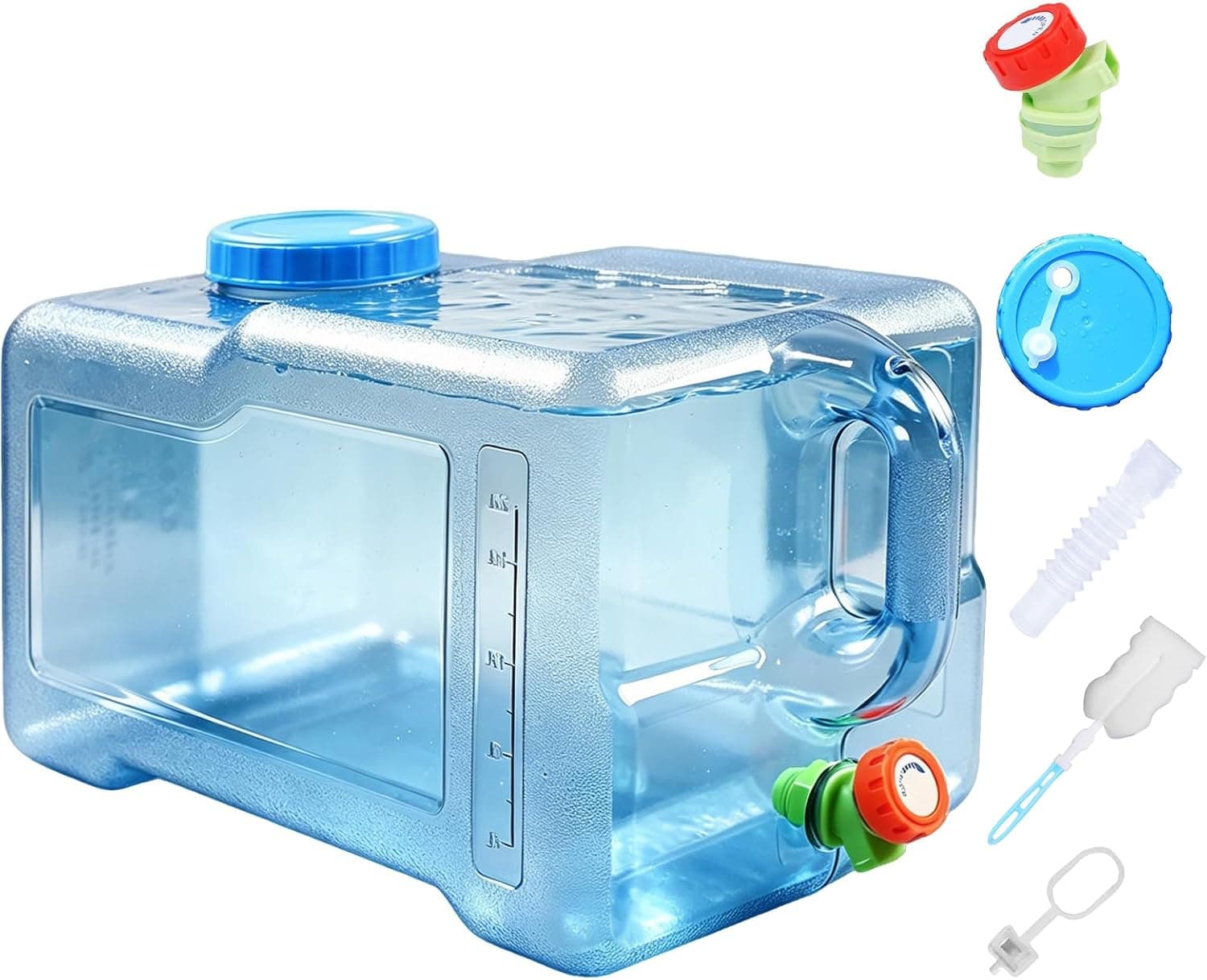
A collapsible water carrier stores and transports the litres you need when the taps stop — the storage side of water security that a filter or bottle can't cover.
Shelter
1 item
Compact thermal blanket that reflects up to 90% of body heat. Weighs under 60g and fits in your pocket.
First Aid
8 items
Comprehensive medical supplies for treating injuries, burns, and illnesses in the field. The most important safety item in any kit.

A fire blanket smothers a small kitchen or chip-pan fire in seconds, before it spreads. One of the cheapest, most overlooked safety items a home can have.
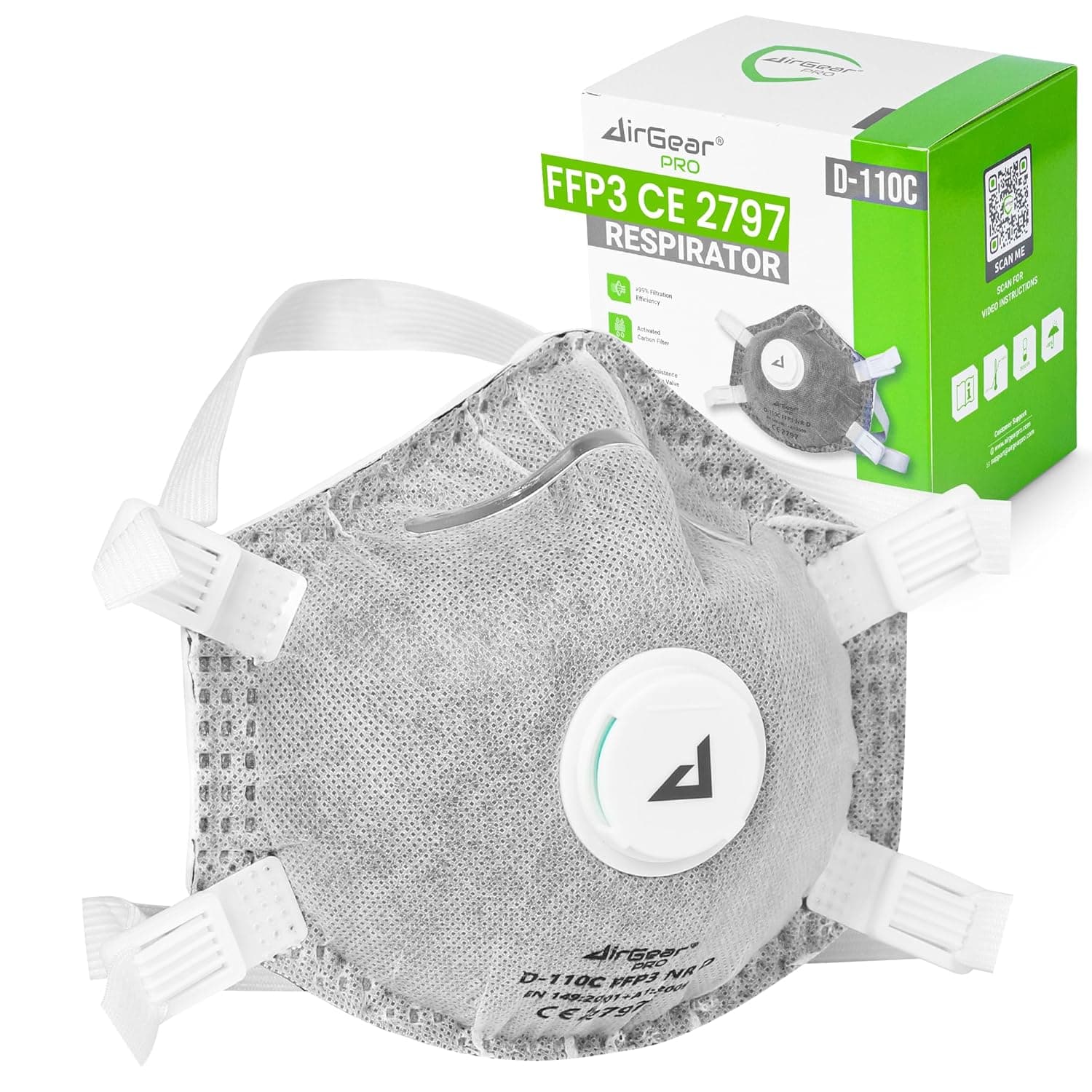
A properly rated FFP3 mask filters fine dust, smoke and airborne particles — the one that actually protects you when the air turns bad, unlike a loose surgical mask.
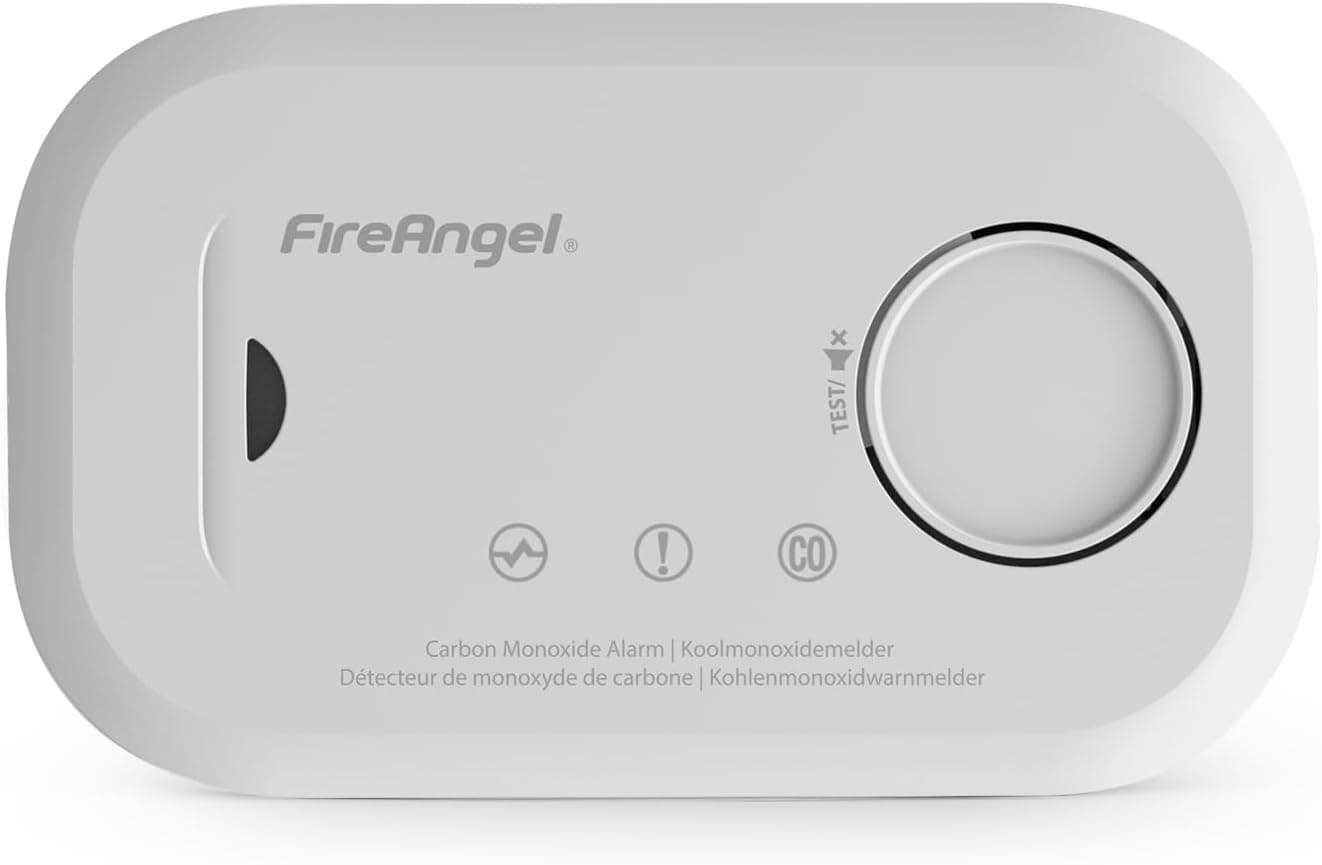
Carbon monoxide is invisible, odourless and deadly — an alarm is the only way to know it's there, and essential wherever you burn fuel for heat, light or cooking.
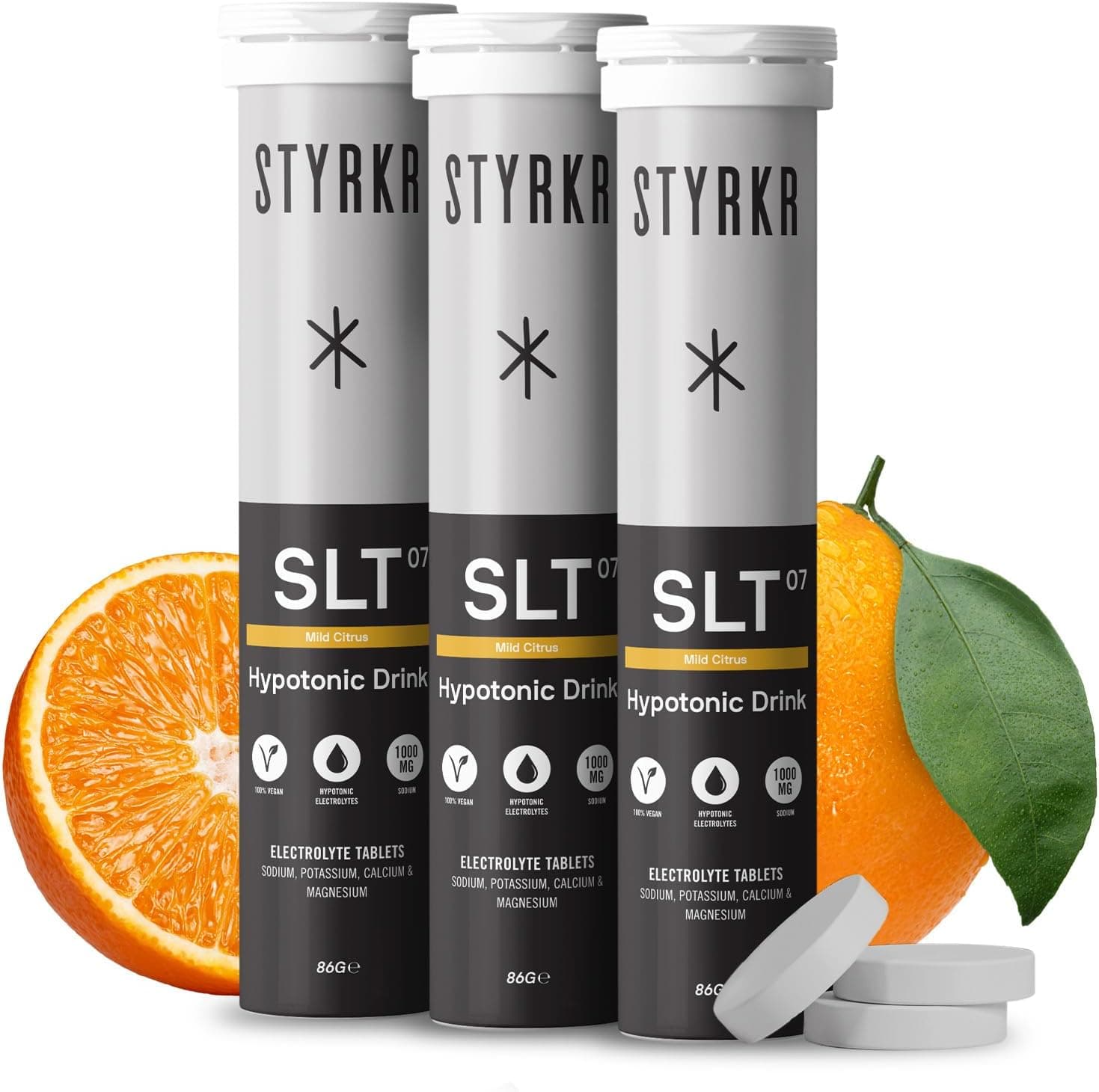
Electrolyte rehydration salts replace what heavy sweating, sickness or diarrhoea strip out — restoring you far faster than water alone when dehydration sets in.
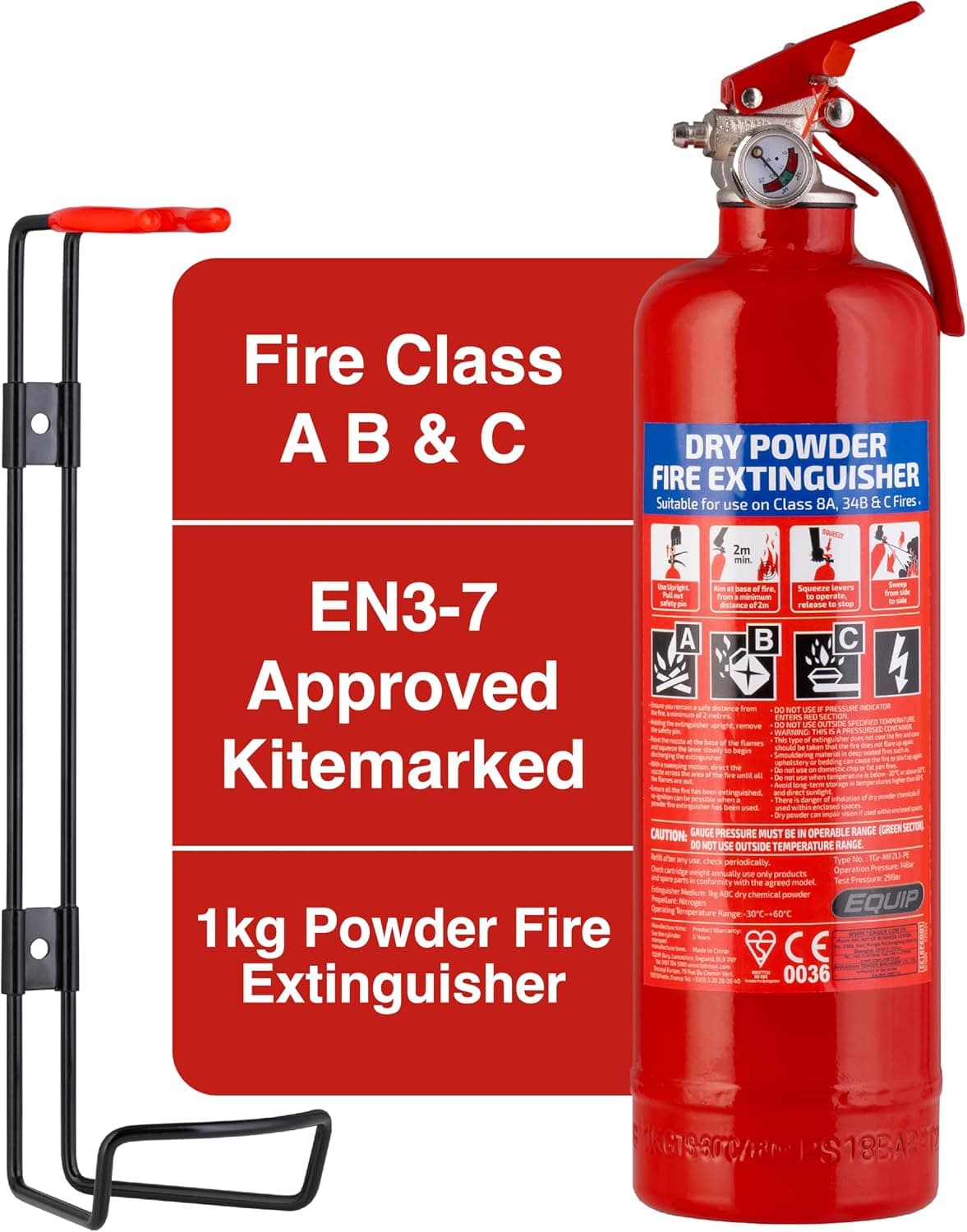
A small ABC dry powder extinguisher tackles the fires a home is most likely to face — electrical, cooking and general — buying you the seconds to put it out or get everyone out safely.
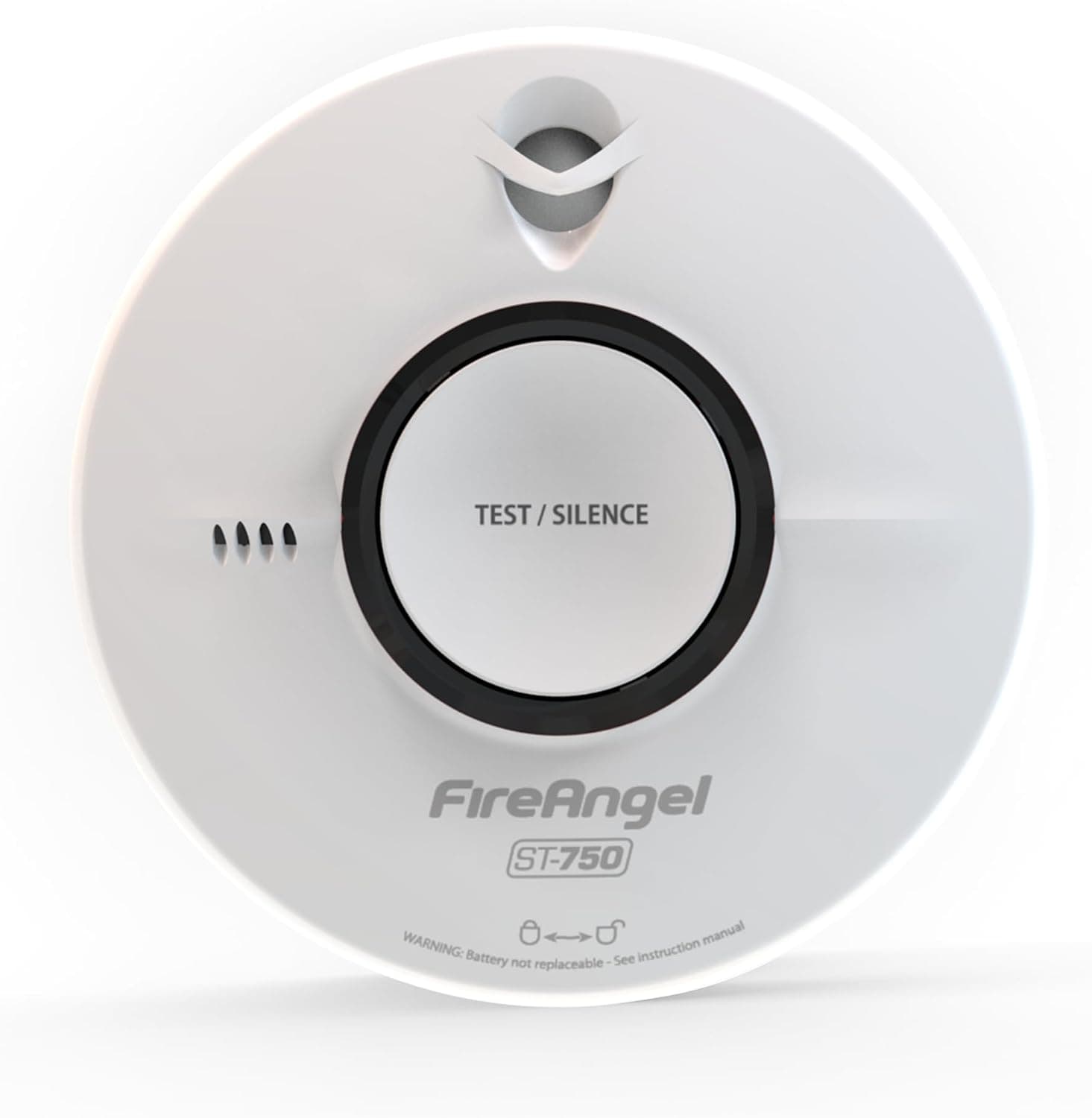
A working smoke alarm buys you the seconds that matter in a house fire — the difference between waking up in time and not waking up at all. Every UK home needs at least one on each floor.
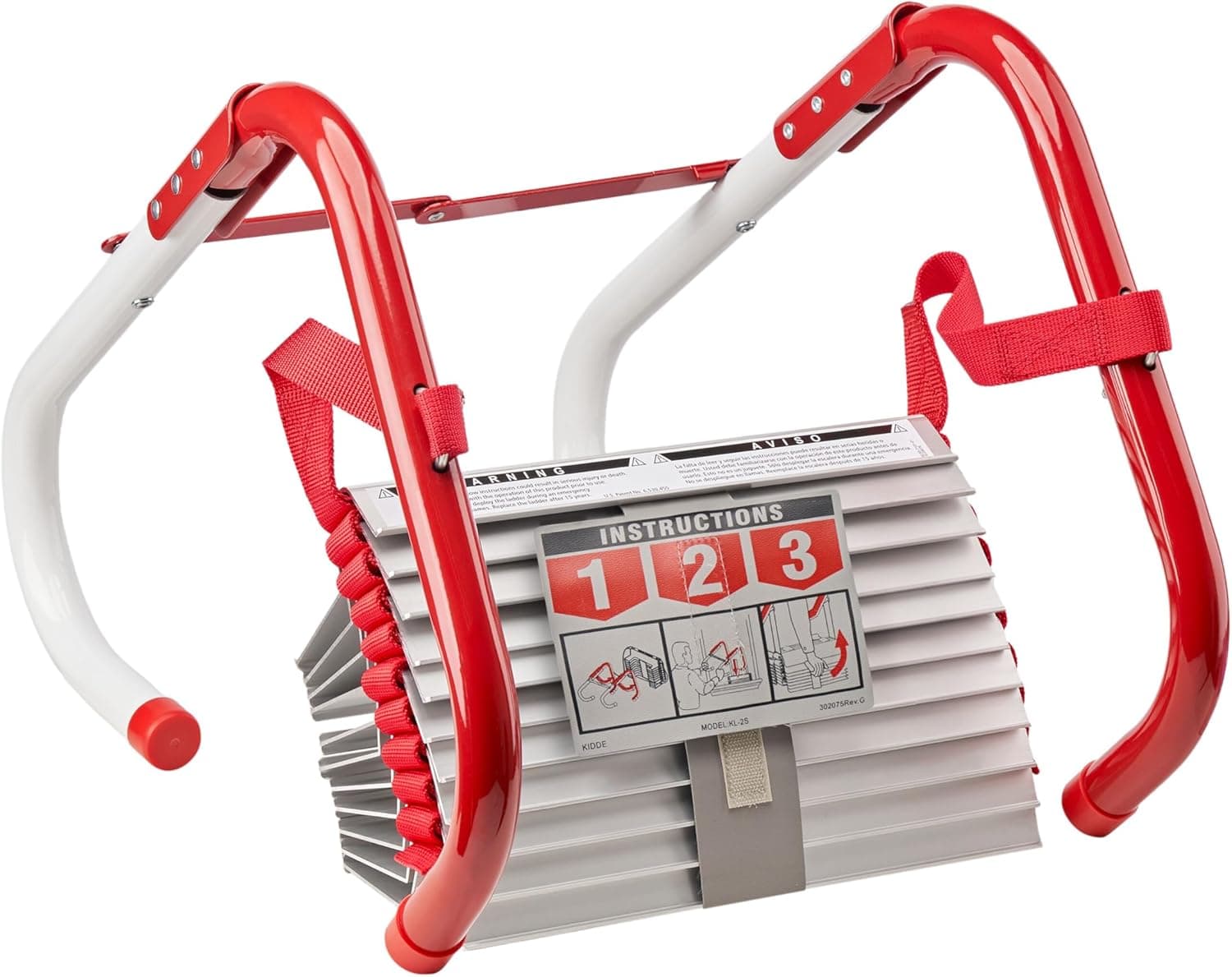
A window escape ladder gives upstairs rooms a second way out when fire blocks the stairs — a low-cost backup that buys the seconds that matter for a family sleeping above a single staircase.
Lighting
3 items
Handheld LED flashlight providing reliable illumination. Essential for navigation, signalling, and camp tasks after dark.

A rechargeable LED lantern lights a whole room or tent with soft, even light — far more useful than a torch for sitting, cooking and keeping children calm during a power cut.
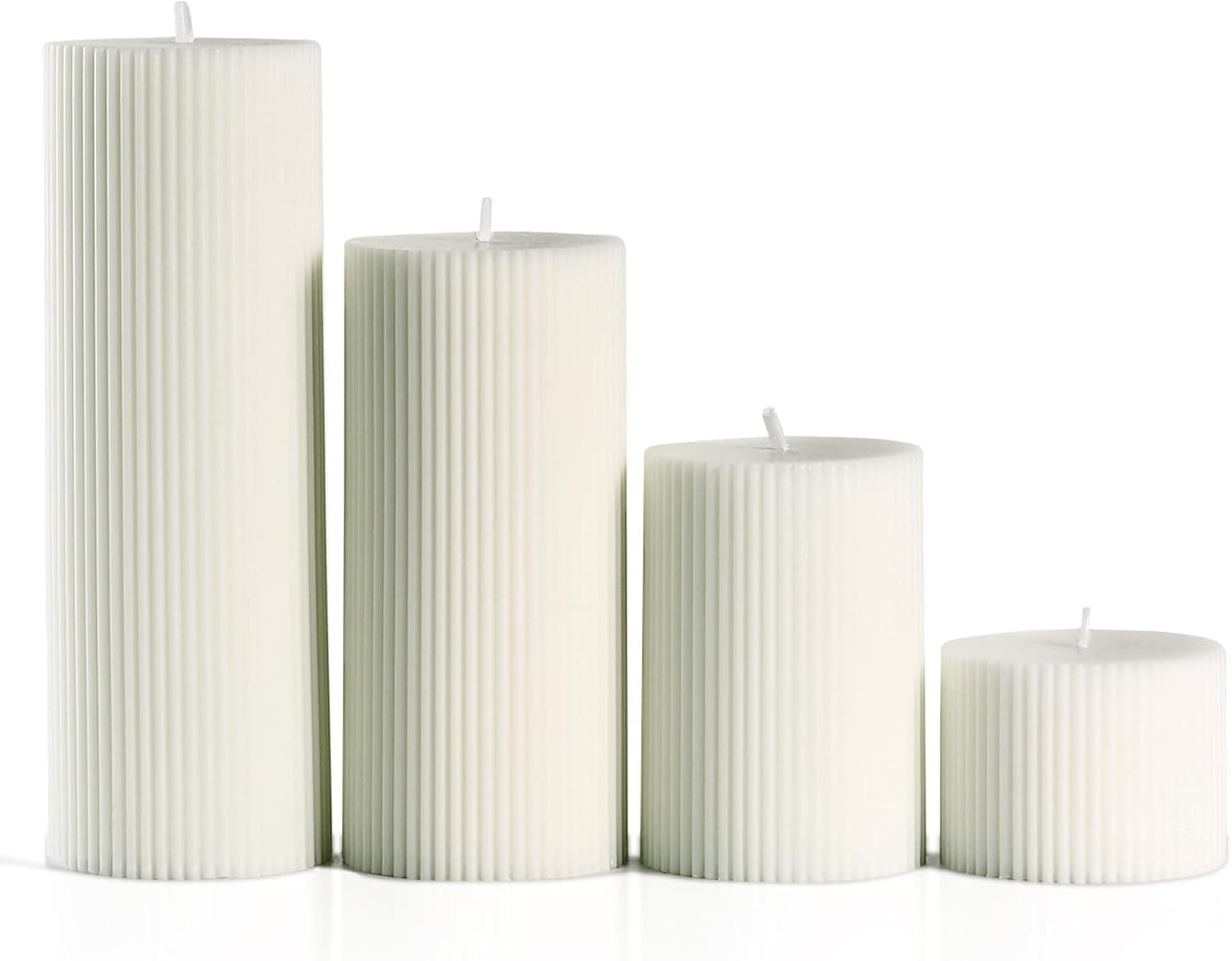
Long-burning candles give hours of reliable light and a little warmth in a power cut, with no batteries to go flat — the classic backup for when the lights go out.
Communication
1 item
A wind-up or solar-powered emergency radio keeps you connected to weather warnings, emergency broadcasts, and rescue coordination when the power grid fails. Your lifeline to critical information.
Food
2 items
Long-shelf-life emergency food bars provide concentrated calories when normal food supplies are unavailable. Compact, calorie-dense, and requiring no preparation or water to consume.
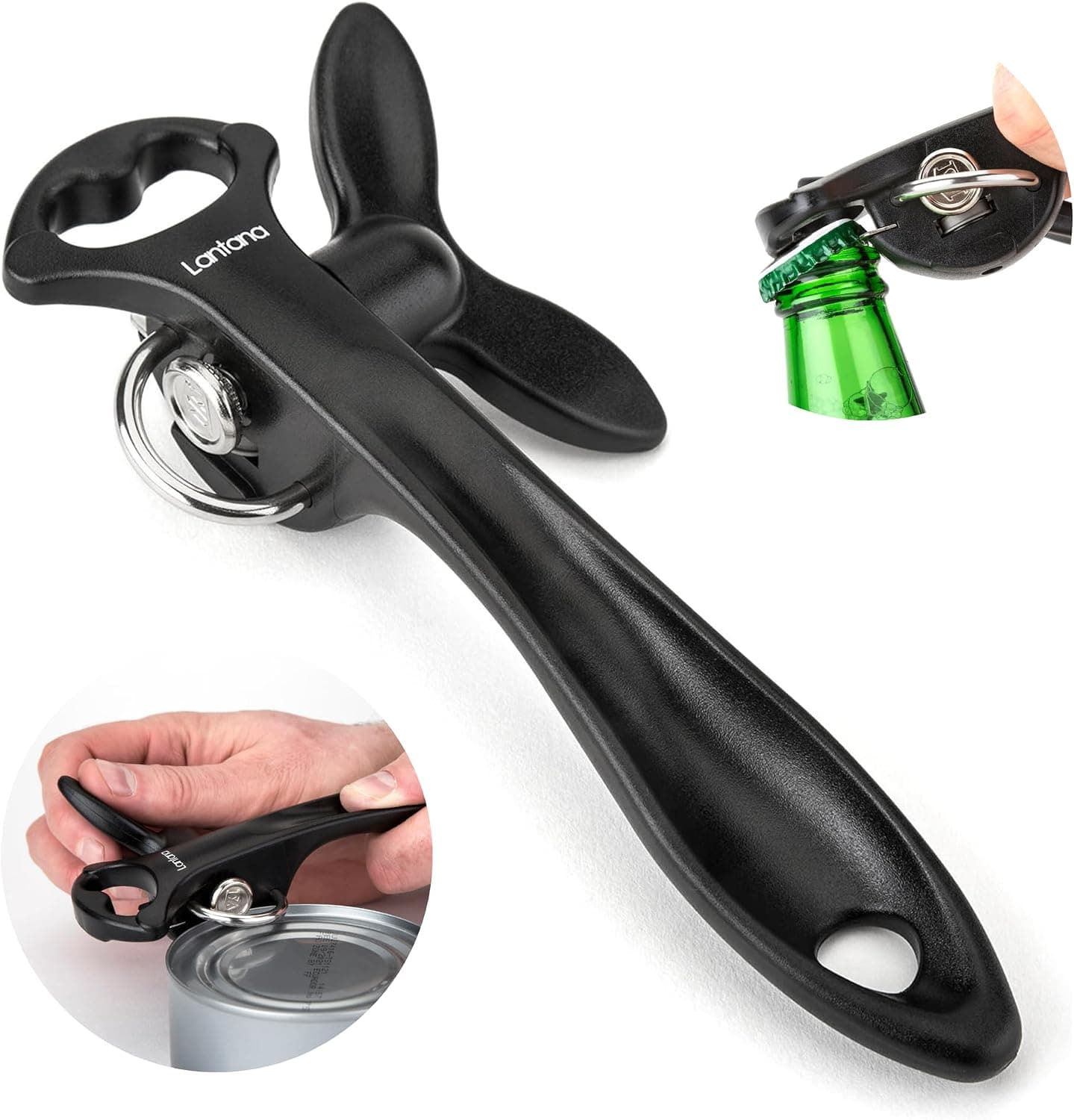
A sturdy manual can opener gets you into your stored tinned food when there's no power — the cheap, overlooked tool that a whole food stockpile depends on.
Power & Charging
3 items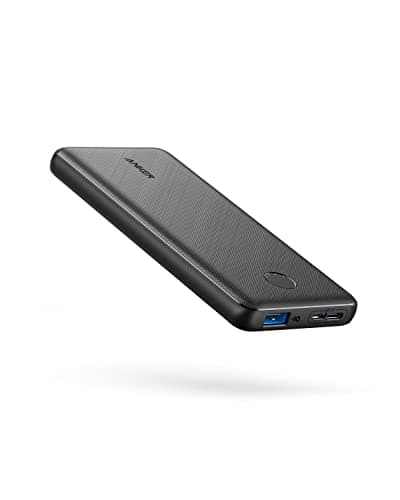
A portable battery pack keeps your phone, GPS, and headlamp charged when mains power is unavailable. Essential for maintaining communication, navigation, and emergency calling capability in the field.
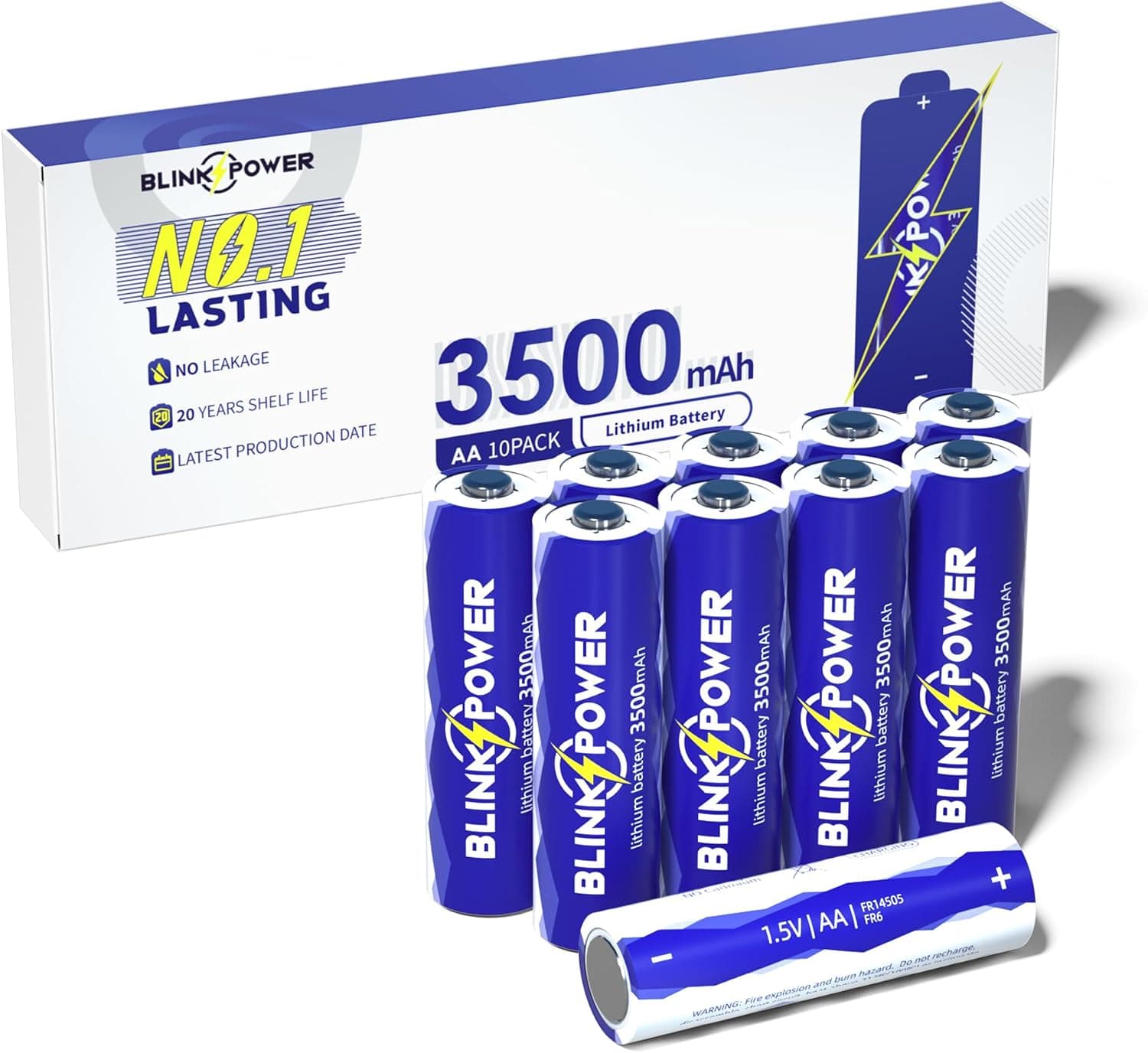
Lithium AAs last far longer, survive the cold, and store for a decade without leaking — the batteries you actually want powering a torch or radio in an emergency.
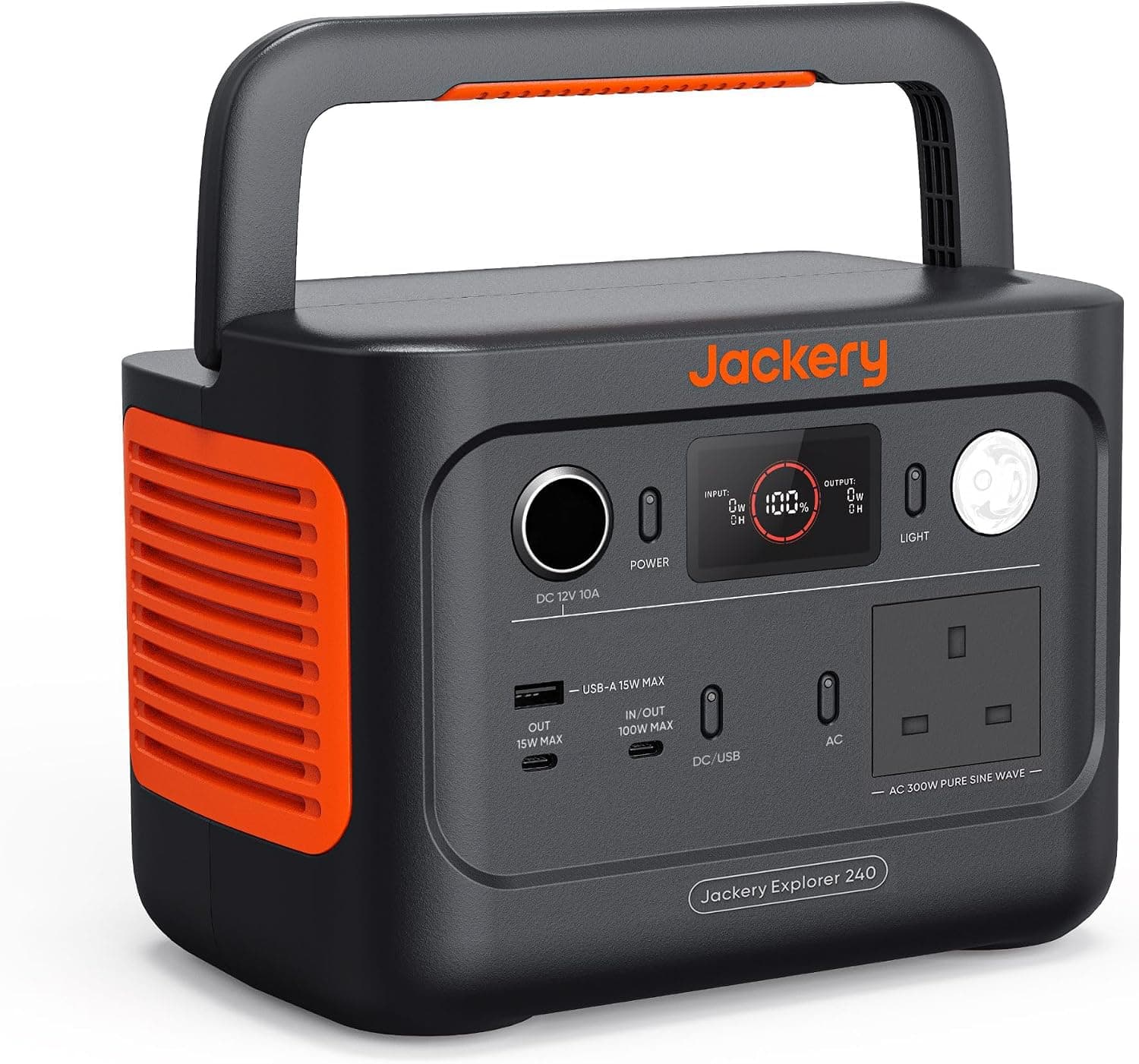
A rechargeable battery in a box with real mains sockets and USB ports — enough to keep phones, a router, lights and small medical devices running through a power cut, silently and indoors.
Hygiene
2 items
A box of disposable nitrile gloves protects you when giving first aid, handling contaminated water, or cleaning up after a flood. Cheap, compact hygiene that belongs in every kit.
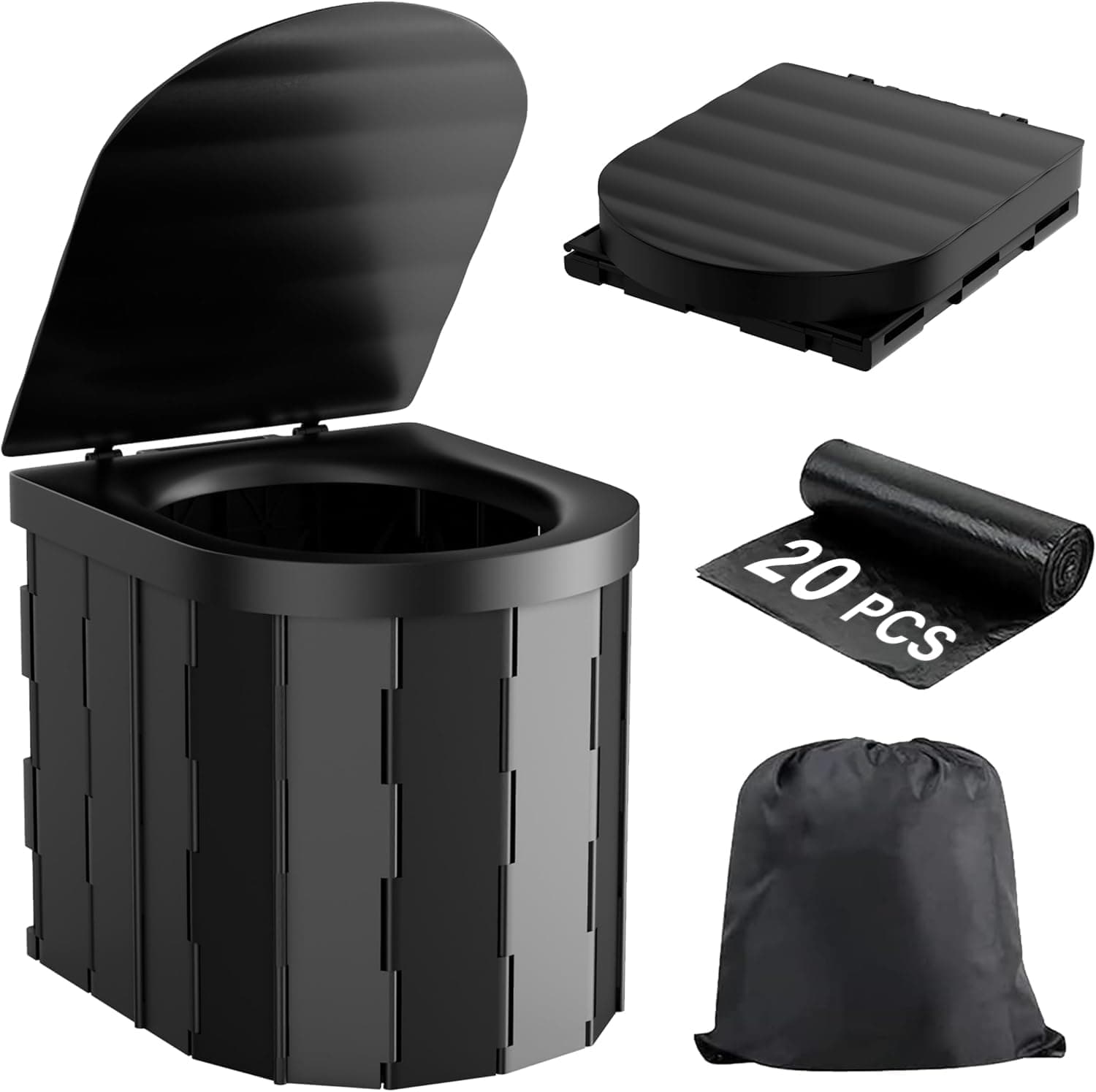
A foldable loo with disposal bags for when the water is off or the drains are down — the unglamorous item that keeps a household sanitary and dignified through a flood or long outage.
Tools
2 items
A pair of tough leather work gloves protects your hands clearing debris, handling glass, changing a tyre or gripping a jump-starter cable. Cheap protection for the jobs bare hands shouldn't do.
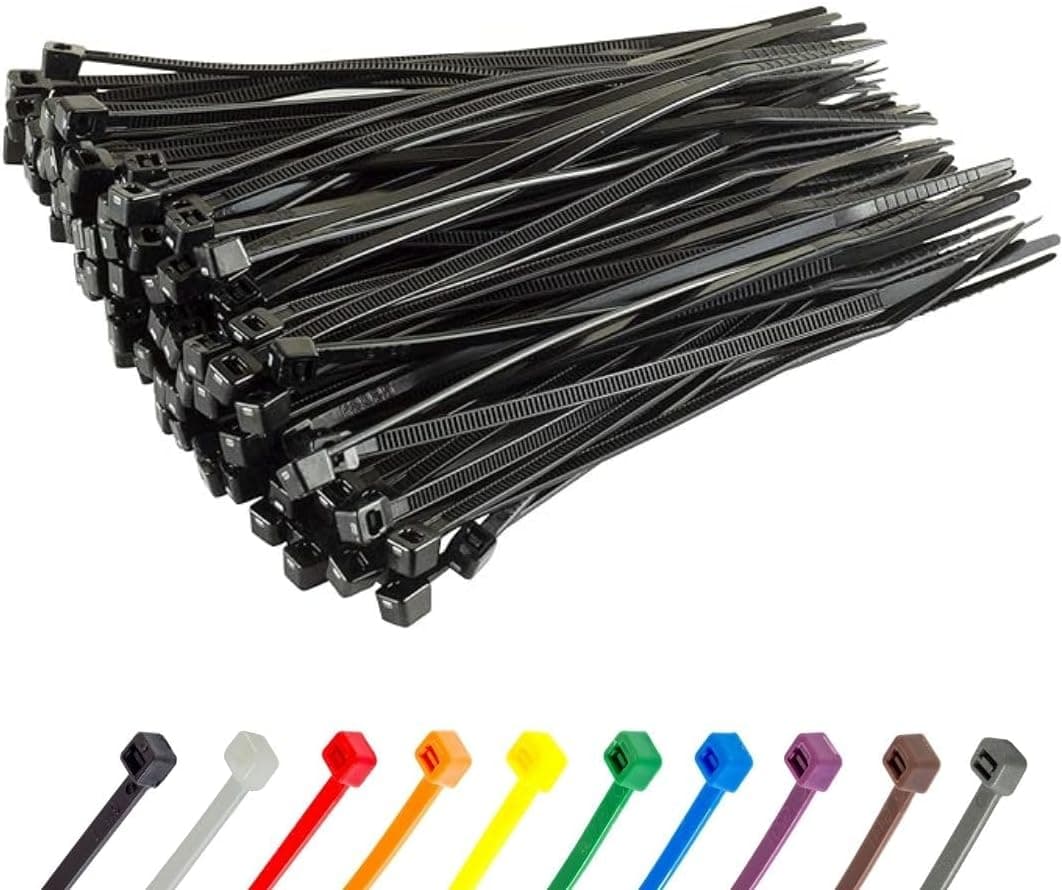
Cable ties bind, secure and repair almost anything in seconds — the featherweight, do-everything fastener that earns its place in every kit, car and toolbox.
Warmth
3 items
A wool blanket keeps you warm even when damp and won't melt near a flame — the rugged, reusable warmth layer for a cold house, a stranded car or a night outdoors.

A close-fitting top and leggings worn next to the skin that trap warmth and move sweat away — the foundation of staying warm outdoors or through a cold power cut, and far more effective than piling on cotton.
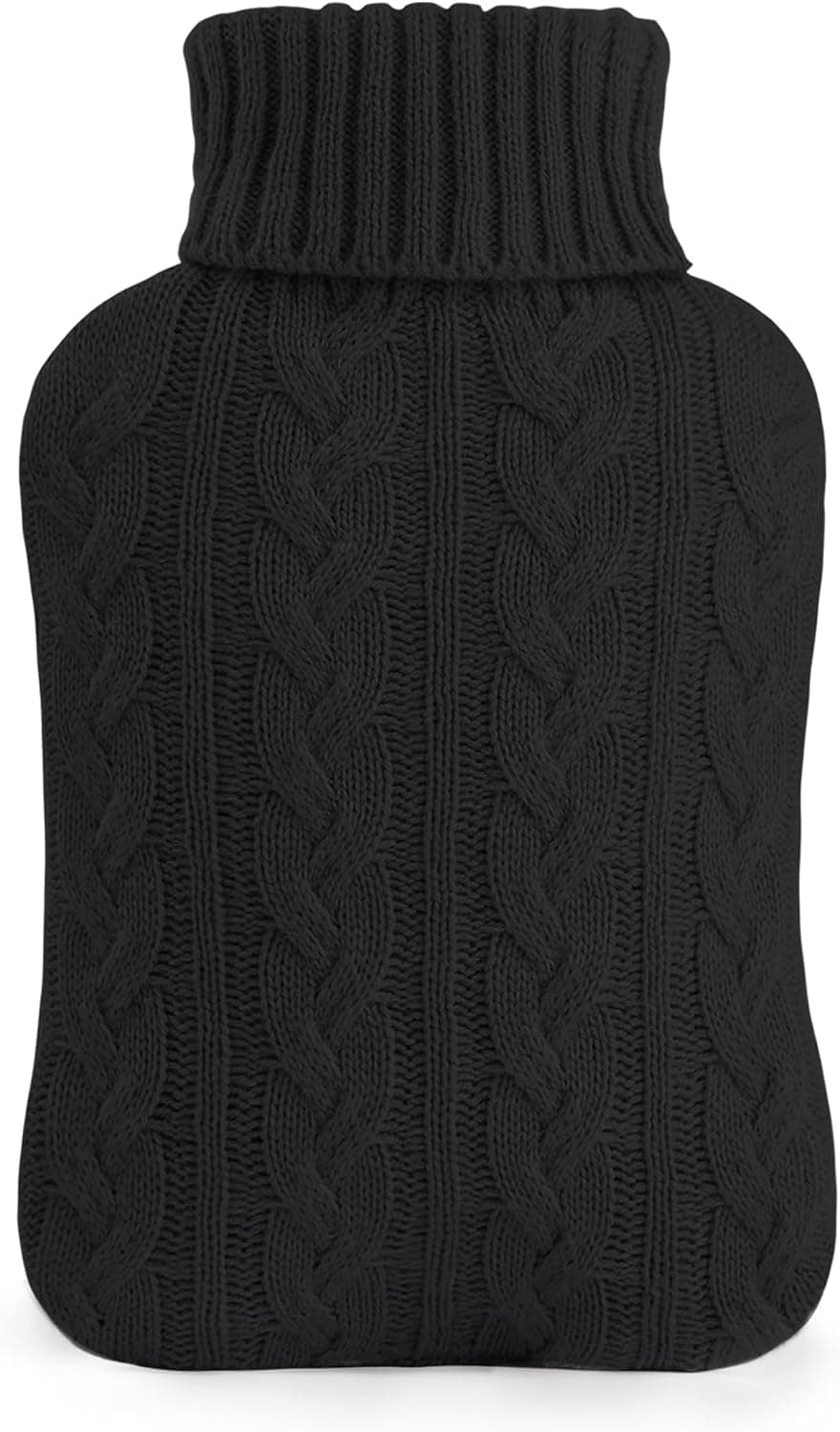
A refillable rubber bottle that holds warmth for hours from a single kettle or pan of hot water — a cheap, no-power way to stay warm in bed or a cold room during a power cut.
Fire & Cooking
1 item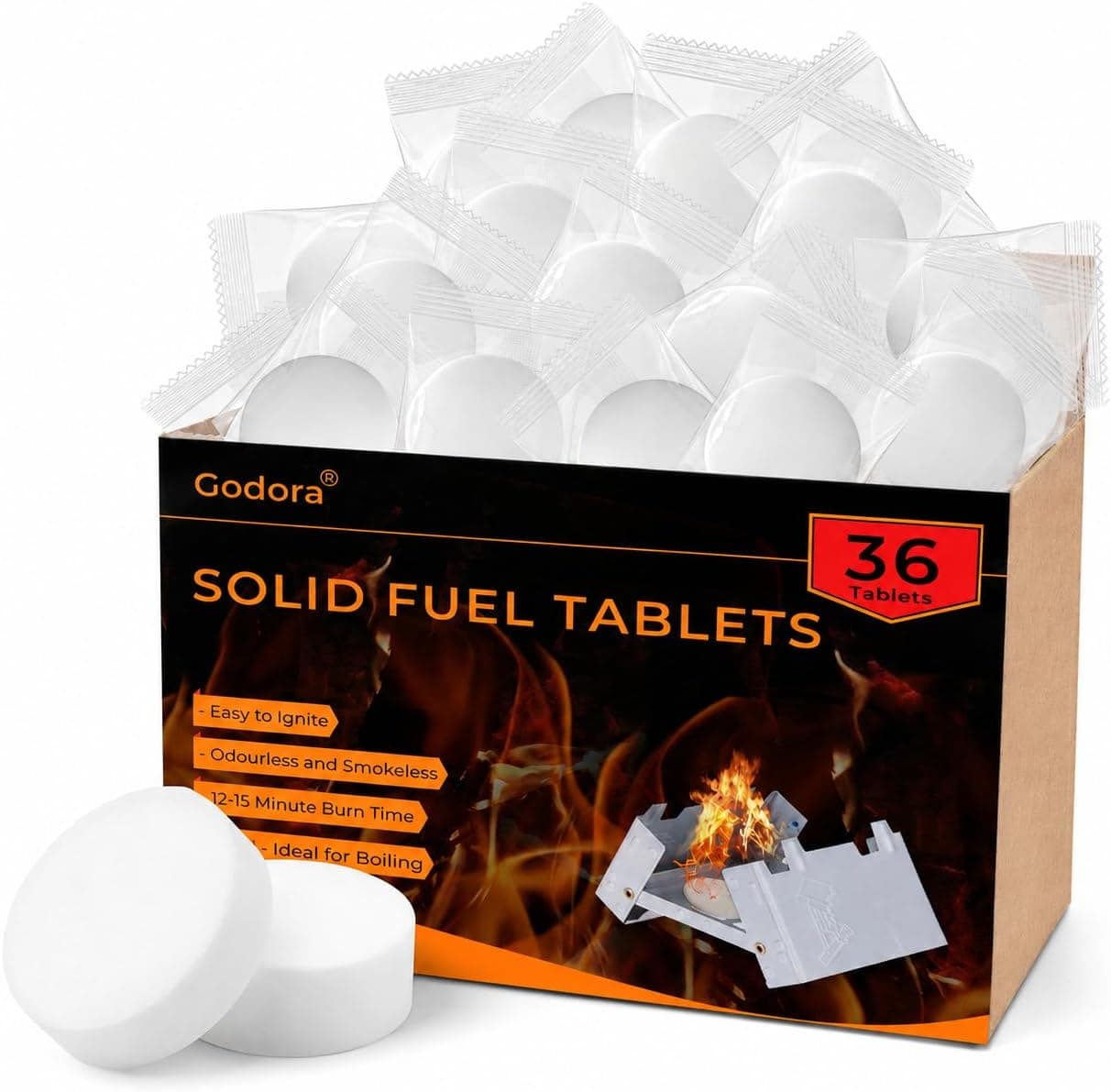
Solid fuel tablets light easily, burn hot and store for years — a compact, foolproof way to boil water or cook when there's no gas and the weather's against you.
Where it goes,
how often you check it.
One box, one place
A 50L Really Useful Box, kept dry, out of sunlight, accessible without a torch.
Quarterly check-in
Calendar reminder for the first weekend of January, April, July, October. 10 minutes.
Rotate the perishables
Water tanks every 6 months, food rations on best-before, batteries every 5 years.
More preparedness guides.

Home Emergency Kit Essentials
Power cuts, flooding, storms — prepare your home with these essential emergency supplies to keep your family safe.

How to Stay Warm in a UK Winter Power Cut
Practical, proven methods to keep yourself and your family warm when the heating fails during a British winter — from layering techniques to emergency heat sources.


