- 01 What a winter emergency actually takes away
- 02 Power and light for a storm-season outage
- 03 Staying warm when the heating fails
- 04 Home safety through storm season
- 05 The carbon-monoxide rule that saves lives
- 06 A hot meal and safe water without the mains
- 07 Staying informed when the network's down
- 08 Where to start
The cheapest time to get ready for a British winter is a mild afternoon in early autumn — not the evening a storm takes the power out. Between late October and February the UK reliably serves up named storms, cold snaps and the power cuts that ride in with them, and every year the same households end up caught in the dark with a flat phone and no way to make a hot drink.
This is our seasonal readiness list: the small, sensible kit that turns a winter power cut or cold snap from a crisis into an inconvenience. Nothing here is survivalist theatre — it's the gear you'll genuinely reach for, pulled from our full guides and tested picks. Work through it once and you're set for the season.
What a winter emergency actually takes away
Almost every bad-weather scenario in a UK home comes down to losing three things: power, heat and information. Lose power and the lights, heating, hob and phone charging go with it. Lose heat on a cold night and a comfortable home becomes a welfare problem within hours, especially for older relatives, babies and anyone unwell. Lose information — because the router's dead and the mobile masts are running down their backup batteries — and you're cut off from knowing what's happening or when it will end. Cover those three and you've covered the season.
Power and light for a storm-season outage
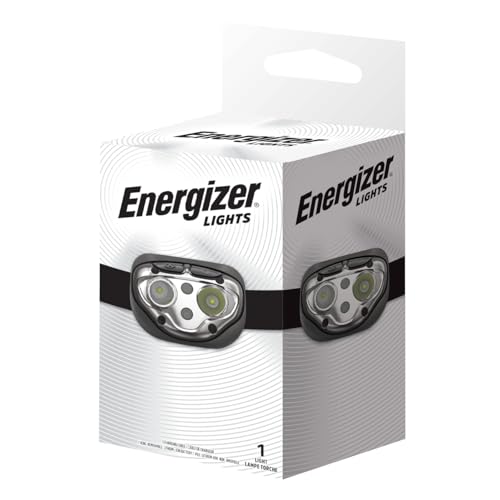
When the grid drops, your first job is keeping phones alive and getting hands-free light on. A decent power bank keeps a phone going for days; a head torch beats a candle for safety and leaves both hands free; and for a longer outage a portable power station runs anything that needs a real socket. We've pulled the lot together in Best Kit for a Winter Power Cut, with deeper choices in best power banks and best head torches.
Staying warm when the heating fails
You lose body heat faster than you'd think in an unheated house, and layering up beats trying to warm a whole room you can't. A good sleeping bag or a warm duvet, a foil blanket to trap heat, an insulating sleeping mat to keep you off a cold floor, and a handful of hand warmers will see a family through a cold night. Our cold-weather warmth backup and best sleeping bags go further.
Home safety through storm season
More heaters, candles and improvised cooking come out in winter, and house fires rise with them. A kitemarked fire blanket and a small extinguisher belong in every kitchen, a working smoke and carbon-monoxide alarm is non-negotiable, and a stocked first-aid kit covers the cuts and burns that come with candle-lit evenings. See home safety alarms and fire protection and best first-aid kits.
The carbon-monoxide rule that saves lives
If you heat or cook with anything that burns — gas, charcoal, a camping stove — do it outdoors, full stop. A doorway, porch, tent or garage does not count. Carbon monoxide has no smell and kills people every winter who thought they were being careful. A cheap CO alarm is the single best-value safety buy you'll make all season.
A hot meal and safe water without the mains
A hot drink does more for morale on a cold night than almost anything, so being able to boil water off-grid matters. A single-burner camping stove and a spare gas canister cover brews and simple meals — used outdoors only — and a few water purification tablets mean you can make questionable water safe if supply is affected. Our guide to cooking safely without power walks through it properly, and best camping stoves covers the kit.
Staying informed when the network's down
When broadband and mobile falter, a wind-up or battery emergency radio pulls in BBC local and national broadcasts with no mains and no signal — often the fastest way to learn what's happening and when the power is expected back. More in emergency communication and communication when networks are down.
Where to start
If you do nothing else this autumn: charge a power bank, put a head torch and a wind-up radio in a kitchen drawer, test your smoke and CO alarms, and keep a couple of gas canisters and some tinned food in. That covers the most likely bad night. When you've got the basics down, our Winter Survival Kit, Power Outage Kit and Storm Preparedness Kit give you a ready-made checklist to build from.
Not sure where to begin?
Our Winter Power Cut kit is the fastest way to cover power, light, warmth and information in one go.
See the winter power cut picks