When the power goes off, the kettle and hob go with it, and a hot meal suddenly feels a long way away. The good news is that feeding your household through a British power cut is straightforward once you have thought it through in advance. This guide covers what to eat with no cooking at all, how to heat food safely, and the one rule that matters most: never bring a camping stove or barbecue indoors.
Reach for no-cook food first
Before you light anything, remember that most of a day's calories do not need cooking. Tinned beans, fish, meat, fruit and custard are ready to eat straight from the can. Crackers, oatcakes, peanut butter, cheese, cereal bars, dried fruit and nuts all keep well and need no preparation. Bread, wraps and crispbreads round out a meal. Keep a manual can opener with your supplies, because an electric one is useless in a power cut.
A cupboard of no-cook food removes all urgency from the situation. You are not forced to improvise a flame in the dark just to eat, which is exactly when accidents happen. Treat cooking as something you do for a hot drink and morale, not out of necessity. If the cut lasts only a few hours, you may not need to cook at all.
Safe stoves and where to use them
A single-burner gas camping stove or a screw-on canister stove is the simplest way to boil water and heat a tin. They are cheap, light and reliable. The catch is location. A camping stove, a barbecue, or a disposable barbecue must only ever be used outdoors in the open air, on a stable, non-flammable surface, well away from the house and anything that can catch light. Keep children and pets clear, and never leave a lit stove unattended.
Outdoors means outdoors
A doorway, a porch, an open garage, a shed, a caravan awning or the inside of a tent do not count as outdoors. Any partly enclosed space traps the fumes these appliances give off. If it starts raining, resist the temptation to move the stove under cover. Cook in a sheltered outdoor spot instead, keep the meal simple, and bring the hot food inside to eat once the flame is out.
Solid fuel and mess tins
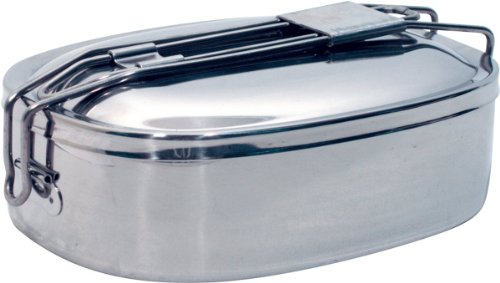
Solid fuel tablets, such as hexamine or the newer clean-burning blocks, are a compact backup that stores almost indefinitely. A folding stove and a couple of tablets will boil enough water for a brew or heat a tin of soup, and the whole kit fits in a coat pocket. A stainless-steel mess tin doubles as your pot and your bowl, which keeps washing-up to a minimum when water is precious.
Solid fuel produces fumes as well as heat, so the outdoor-only rule applies to it exactly as it does to gas. Light tablets with waterproof matches or a fire steel, shelter the flame from wind so it burns efficiently, and let the stove cool completely before you pack it away. Keep spare tablets in their sealed packaging, dry and away from any heat source.
Boiling water, hot drinks and hygiene
A hot drink does more for morale than almost anything else during a long, cold power cut, so make boiling water your first priority once you have a safe flame going. Tea, coffee, hot squash or a cup of instant soup lifts spirits and warms you from the inside. Boiling also matters for safety: if there is any doubt about the water supply, a rolling boil for one minute makes tap or stored water safe to drink.
With the taps and hot water potentially off, hygiene needs a little planning too. Wash or sanitise your hands before handling food, use wet wipes or hand sanitiser when running water is scarce, and keep raw and ready-to-eat items apart. Heat food until it is piping hot all the way through, and do not save perishable leftovers if the fridge has been off for hours.
Storing fuel and how much to keep
Store gas canisters and solid fuel in a cool, dry, well-ventilated place away from heat, direct sunlight and living areas, ideally in a shed or outbuilding rather than a warm cupboard. Never store gas near a boiler, radiator or naked flame, and keep canisters upright. Check screw-on canisters and connections for leaks before use, and never puncture, force or refill a canister that is not designed for it.
For quantities, think in meals rather than days. One 227g gas canister will boil water for many brews and simple meals, so two or three canisters comfortably cover a long weekend for a small household. Keep a box of solid fuel tablets as a fallback, plus waterproof matches and a spare lighter. Rotate stock occasionally so nothing sits forgotten for years, and always keep more than you think you will need.
The carbon monoxide danger you cannot ignore
This is the part of the guide that can save a life. Camping stoves, gas cookers, barbecues and disposable barbecues all release carbon monoxide when they burn. Carbon monoxide is colourless and has no smell, so you cannot tell it is building up. Used in any enclosed or partly enclosed space it can make you drowsy, confused and unconscious, and it kills people in the UK every year, including those who bring a smouldering barbecue indoors for warmth.
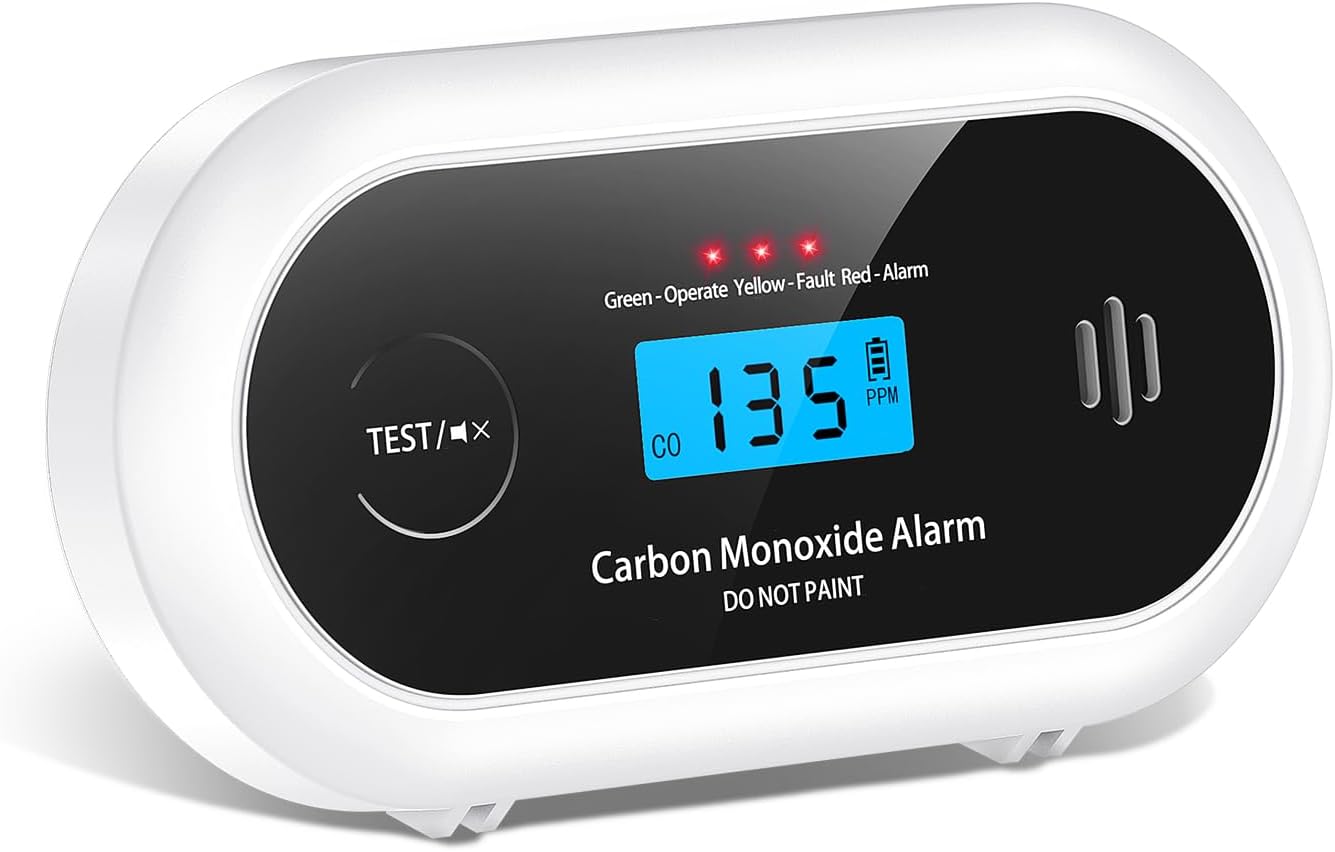
The rules are simple and non-negotiable. Never use a camping stove, barbecue or disposable barbecue indoors, in a tent, a porch, a garage or any confined space. Never use a gas hob for heat, and never use it at all if you suspect a gas supply problem. Fit a battery-powered carbon monoxide alarm and test it. If an alarm sounds or anyone feels ill, get everyone into fresh air immediately and call for help.
Set up before you need it
The time to sort this out is a quiet afternoon now, not a dark evening mid-cut. Put together a small kit: a camping stove with a spare canister, solid fuel tablets, waterproof matches, a mess tin and a manual can opener, alongside a shelf of no-cook tins and dry goods. Add a battery carbon monoxide alarm and a torch. Practise lighting your stove outdoors once, so it feels familiar, and you will face the next power cut calm, fed and safe.