Winter Survival Kit
British winters may not match the extremes of Scandinavia or Canada, but they present a unique and often underestimated set of hazards. The Beast from the East events of 2018 and subsequent cold snaps have demonstrated that the UK can experience prolonged periods of sub-zero temperatures, heavy snowfall, and dangerous ice that paralyse transport networks and overwhelm public services. Hypothermia is a real risk in the UK, particularly for the elderly, the homeless, and those caught outdoors without adequate clothing — the NHS treats thousands of hypothermia cases each year, with a significant number proving fatal. Even in milder winters, black ice on roads and pavements causes countless injuries and accidents across the country.
The UK's island climate means that winter weather can be highly variable and difficult to predict more than a few days in advance. Atlantic weather systems can bring sudden thaws and flooding, while polar air masses sweeping down from the Arctic can drop temperatures to minus fifteen degrees Celsius or lower in parts of Scotland and northern England. The combination of wet and cold is particularly dangerous, as wet clothing loses its insulating properties far faster than dry clothing, accelerating heat loss from the body. Wind chill compounds this effect dramatically — a moderate breeze at freezing point can make the effective temperature feel like minus ten or worse.
A winter survival kit should address the three primary threats of the British cold season: loss of warmth, loss of mobility, and loss of services. Thermal clothing, insulated waterproof boots, and chemical hand warmers tackle the first threat directly. Snow chains or winter tyres, a shovel, and a bag of grit or cat litter for traction address mobility issues when roads and paths become treacherous. For service disruptions — power cuts, gas supply issues, or inability to reach shops — stockpile candles, matches, a camping stove with fuel, tinned food, and bottled water. The Met Office issues colour-coded weather warnings that should be taken seriously; an amber or red warning for snow or ice is your signal to check your kit and prepare to stay put.
This page contains affiliate links. We may earn a commission at no extra cost to you.

Tick as you go.
See what you're missing.
Warmth
5 items
Insulated sleeping bag rated for cold temperatures. Essential for any overnight emergency or planned outdoor stay.

Single-use or reusable heat packs that provide warmth for 6–12 hours. Critical for preventing cold injuries.

A self-inflating sleeping mat insulates you from the cold ground, which matters more for a warm night than the sleeping bag alone. The difference between a comfortable night and a shivering one.

A wool blanket keeps you warm even when damp and won't melt near a flame — the rugged, reusable warmth layer for a cold house, a stranded car or a night outdoors.
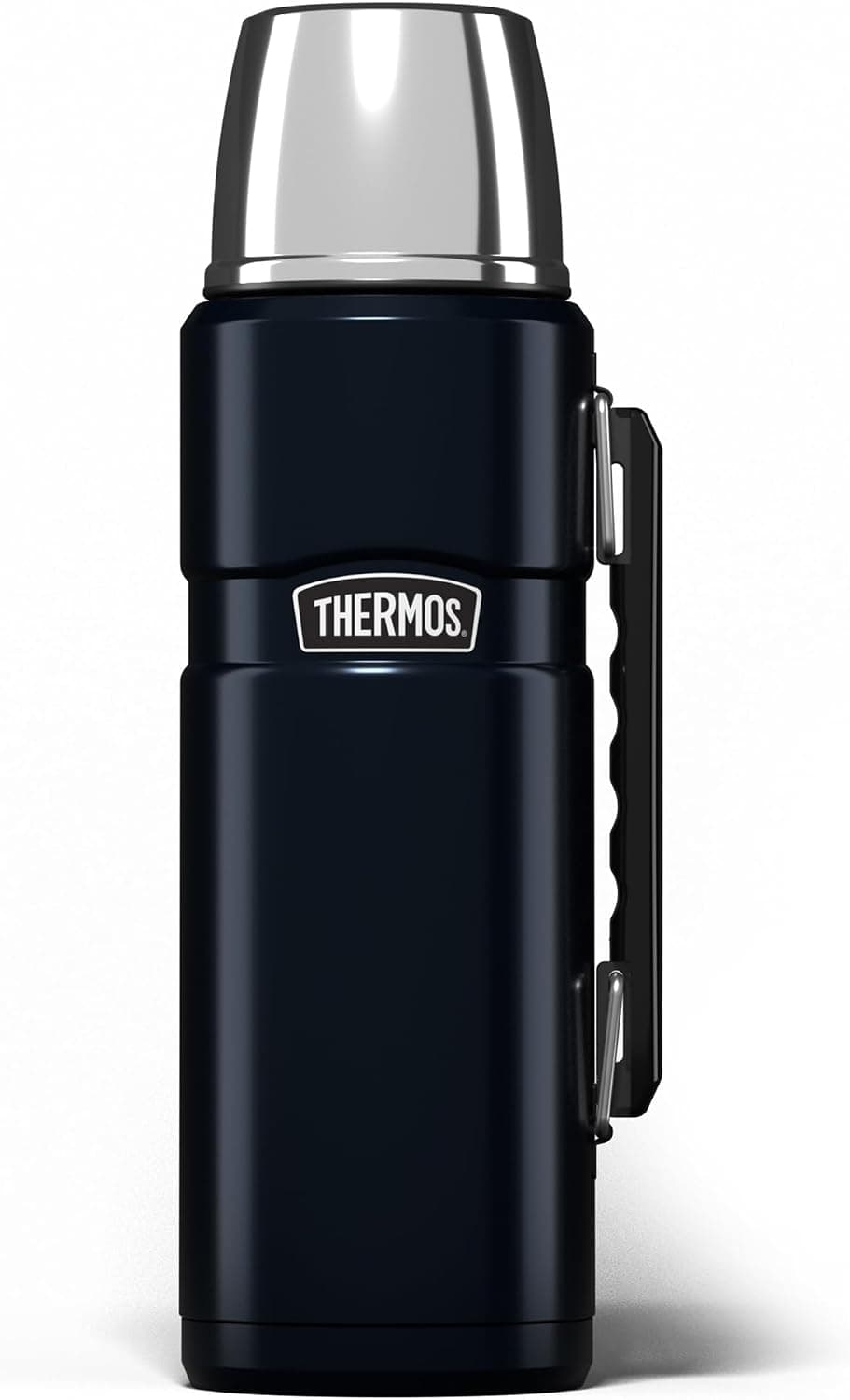
A good stainless flask keeps drinks and food hot for the best part of a day with no power at all — a hot brew in a cold, dark house does more for morale than almost anything.
Shelter
1 item
Compact thermal blanket that reflects up to 90% of body heat. Weighs under 60g and fits in your pocket.
Fire & Cooking
3 items
Matches that light reliably even in wet and windy conditions. Essential fire-starting backup for any survival kit.

Compact camping stove for boiling water and cooking food. Essential for hot meals and water purification.

A screw-fit gas canister is the fuel a portable stove actually needs — carry spares and hot food or a hot drink is always within reach, whatever the weather.
Lighting
1 item
Handheld LED flashlight providing reliable illumination. Essential for navigation, signalling, and camp tasks after dark.
Food
1 item
Long-shelf-life emergency food bars provide concentrated calories when normal food supplies are unavailable. Compact, calorie-dense, and requiring no preparation or water to consume.
Tools
1 item
A compact folding shovel digs a fire pit, a latrine, or gets a car unstuck from mud or snow. Small enough to live in a boot or pack, useful the moment ground work is needed.
Power & Charging
1 item
A portable jump starter gets a flat car battery running again without needing a second car or a roadside callout — pocket-sized insurance against a cold-morning no-start.
Where it goes,
how often you check it.
One box, one place
A 50L Really Useful Box, kept dry, out of sunlight, accessible without a torch.
Quarterly check-in
Calendar reminder for the first weekend of January, April, July, October. 10 minutes.
Rotate the perishables
Water tanks every 6 months, food rations on best-before, batteries every 5 years.
More preparedness guides.

How to Stay Warm in a UK Winter Power Cut
Practical, proven methods to keep yourself and your family warm when the heating fails during a British winter — from layering techniques to emergency heat sources.

Emergency Food Storage: A Practical UK Guide
How to build and maintain an emergency food supply using readily available UK supermarket products — covering shelf life, calorie planning, storage conditions, and rotation strategies.


