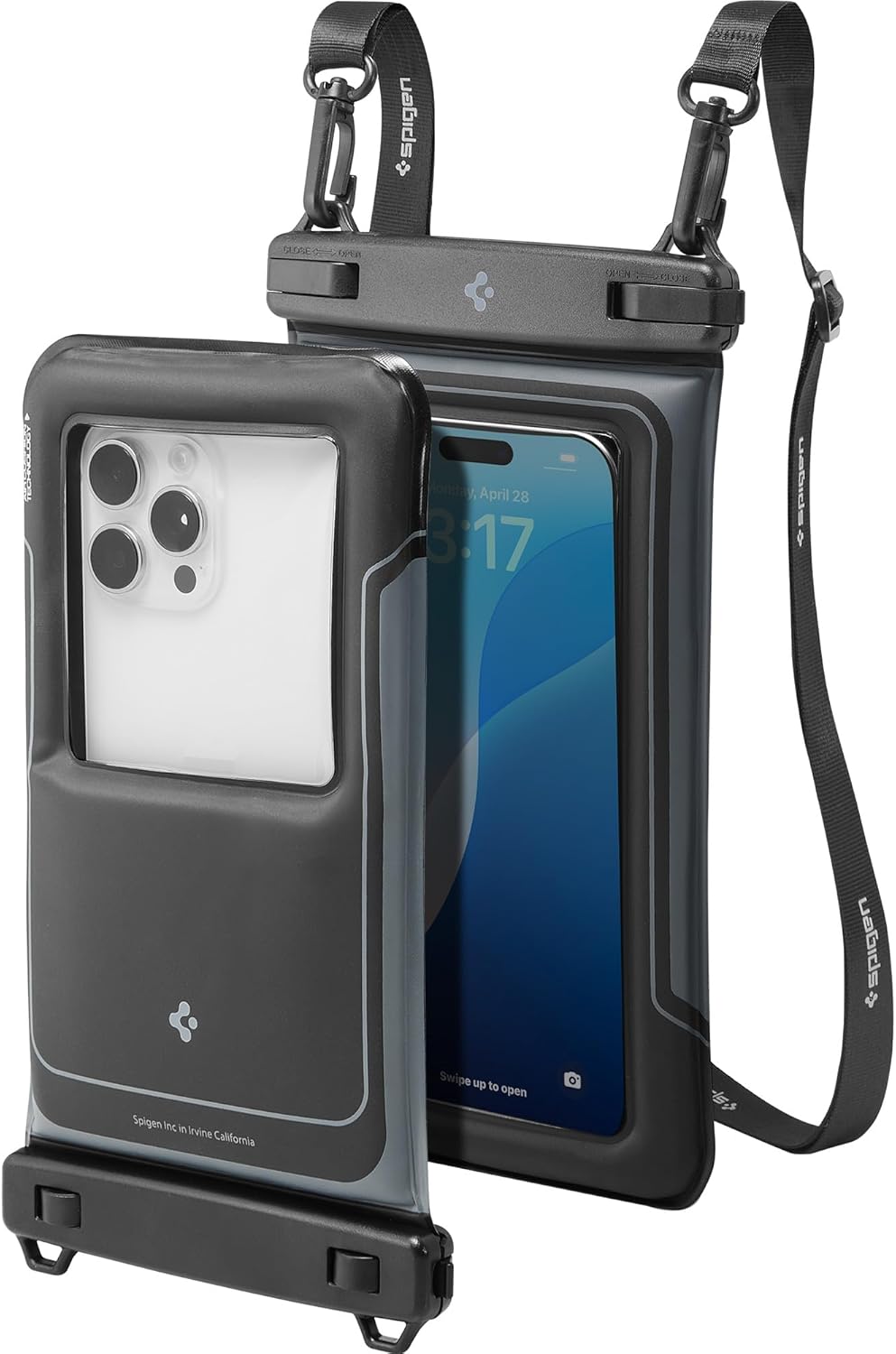
A dead phone screen during a storm or power cut is a jolt, but it need not leave you cut off. When the mobile network falters, a little planning keeps your household in touch and able to reach help. This guide explains why UK communications fail, how to get a message out when calls will not connect, and the simple, affordable kit worth having ready before you actually need it.
Why UK Communications Go Down
Mobile masts need mains electricity. Many have only limited battery backup, often just a few hours, so a prolonged power cut can quietly take local coverage with it. Networks also become congested when everyone in an area tries to call at once, which is why a short text may slip through when a voice call simply will not connect.
The traditional landline is changing too. The UK is switching from the old analogue system to digital voice carried over broadband, and a cordless or digital handset will not work in a power cut unless it has battery backup. The old assumption that the house phone always works no longer holds, which makes a charged mobile and a proper backup plan more important than ever.
Keep a Charged Phone and Lead With Text
Your mobile is still your best tool, so keep it healthy. A power bank or two, charged and stored with a spare cable, can keep a phone alive for days. A car charger, a small solar panel or a wind-up charger all add resilience. Turning on low-power mode and dimming the screen stretches every percent of battery you have left.
When trouble strikes, favour text messages over calls. A short SMS uses very little network capacity and will often queue and deliver even when the network is too congested or too weak for voice. Keep messages brief and factual: where you are, whether you are safe, and what you need. Remember that you can call 999 on any network, even without signal from your own provider, because your phone will try any available mast.
Text 999: The Emergency SMS Service
If you cannot make a voice call, you may still be able to text the emergency services, but only if you register first. The UK emergencySMS service lets you send a text to 999 to reach the police, ambulance, fire or coastguard. It is designed for people who are deaf, hard of hearing or have a speech impairment, and it is invaluable when the signal is too weak for a call to hold.
Registration takes moments and must be done in advance: text the word register to 999, then follow the reply you receive. Do it today, because you cannot sign up in the middle of an emergency. When you do text 999, say which service you need, what has happened and where you are. Always wait for a reply confirming your message has been received, as texts are not guaranteed to arrive instantly.
Two-Way Radios and Realistic Range
Licence-free PMR446 walkie-talkies are a genuinely useful backup because they need no network at all. They let household members or neighbours talk directly, which is handy across a street, a large garden, a campsite or a block of flats. They are cheap, simple and need no subscription, and a set kept charged is ready the moment the phones fall quiet.
Be realistic about range. Manufacturers advertise figures of many kilometres, but those assume a hilltop with nothing in the way. In a real town, with buildings, trees and walls between you, expect a few hundred metres to perhaps a couple of kilometres at best. They are excellent for staying in touch locally, but they will not reach the next town, so plan around short distances and agree a channel in advance.
A Battery or Wind-Up Radio for News
Talking to each other is only half the picture; you also need trustworthy information. A battery-powered or wind-up DAB and FM radio lets you hear official updates from the BBC and local stations when the internet and television are off. Many wind-up models also charge a phone and include a torch, making them a small emergency hub. Keep spare batteries with it and check it works once or twice a year.
In a serious incident, broadcasters carry advice from the emergency services and government, such as whether to stay indoors or avoid an area. A simple radio cuts through rumour and social media noise, giving you calm, verified guidance without draining your phone. It is one of the cheapest and most reliable pieces of preparedness kit you can own.
Build a Household Communication Plan
Kit works best with a plan behind it. Agree in advance how your household will make contact if you are apart when something happens. Choose an out-of-area contact, ideally a friend or relative in another town, whom everyone will text to check in. Local lines may be congested while a message to somewhere further away gets through, and one central person can relay news so nobody is left guessing.
Write down the essentials on paper, because a dead or lost phone takes its address book with it. Note key phone numbers, your out-of-area contact, and a meeting point in case you cannot get home. Make sure everyone knows to send a brief text first, conserve battery, and try again later rather than repeatedly redialling, which only adds to the congestion.
Families and Vulnerable People
Plan around the people who need extra thought. Children should know how to call and text 999, how to reach your out-of-area contact, and their own address. Older relatives who rely on a cordless landline should understand it may fail in a power cut, so a charged basic mobile and a written list of numbers is a sensible backup. Anyone dependent on powered medical equipment needs a plan for losing electricity, not just signal.
If you or someone in your home is elderly, disabled or has a long-term health condition, sign up to the Priority Services Register. It is a free scheme run by energy and water suppliers that gives extra support during outages, including advance warning of planned interruptions and priority help. Registering before an emergency means that support is already lined up when you need it most.
What to Do Next
Start with the free steps today. Register for the emergencySMS service by texting register to 999, and add your chosen out-of-area contact to everyone's phone. Write the important numbers on paper and agree a simple household plan and meeting point. If you or a relative qualifies, join the Priority Services Register with your energy and water suppliers.
Then build up your kit gradually. A charged power bank, a wind-up or battery radio, and a set of PMR446 walkie-talkies together cost little and cover most situations. Test everything a couple of times a year so it stays ready and familiar. In any real emergency, always call 999 first if you can; these tools are there to help when the usual network cannot.