Storm Preparedness Kit
<p>When the Met Office names a storm and issues an amber or red warning, the sensible response is to prepare well before the wind and rain arrive. Named storms now sweep across the UK most winters, bringing gusts strong enough to bring down trees, damage roofs and cut electricity to whole neighbourhoods. A little planning turns an anxious night into a manageable one. Keeping a dedicated storm kit in one accessible place means you are not hunting for a torch in the dark when the lights suddenly go out and the house falls quiet around you.</p>
<p>Power cuts are the most common disruption during severe weather, so lighting and charging matter most. If your electricity fails, call 105 free of charge to report the cut and reach your local network operator, who can tell you when supplies should return. A charged power bank keeps your phone alive for updates and emergency calls, while a wind-up or battery radio delivers warnings if the mobile network struggles. Have warm layers and hot drinks ready, since heating often depends on power too, and the temperature indoors can drop quickly.</p>
<p>Outside, spend the calm hours before the storm securing anything the wind could lift. Bring in garden furniture, bins and trampolines, or lash them down, and close and fasten gates and shed doors. Once the warning is active, stay indoors and away from windows. Check on elderly or vulnerable neighbours who may need help preparing or coping without power. If a power line comes down, a tree blocks the road or anyone is in immediate danger, keep well back and call 999. Preparation, not panic, keeps everyone safe.</p>
This page contains affiliate links. We may earn a commission at no extra cost to you.

Tick as you go.
See what you're missing.
Lighting
3 items
Handheld LED flashlight providing reliable illumination. Essential for navigation, signalling, and camp tasks after dark.

A rechargeable LED lantern lights a whole room or tent with soft, even light — far more useful than a torch for sitting, cooking and keeping children calm during a power cut.

Long-burning candles give hours of reliable light and a little warmth in a power cut, with no batteries to go flat — the classic backup for when the lights go out.
Power & Charging
1 item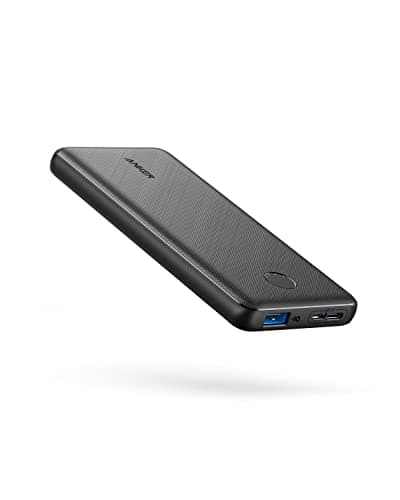
A portable battery pack keeps your phone, GPS, and headlamp charged when mains power is unavailable. Essential for maintaining communication, navigation, and emergency calling capability in the field.
Communication
1 item
A wind-up or solar-powered emergency radio keeps you connected to weather warnings, emergency broadcasts, and rescue coordination when the power grid fails. Your lifeline to critical information.
First Aid
1 item
Comprehensive medical supplies for treating injuries, burns, and illnesses in the field. The most important safety item in any kit.
Warmth
2 items
A wool blanket keeps you warm even when damp and won't melt near a flame — the rugged, reusable warmth layer for a cold house, a stranded car or a night outdoors.

Single-use or reusable heat packs that provide warmth for 6–12 hours. Critical for preventing cold injuries.
Water & Hydration
1 item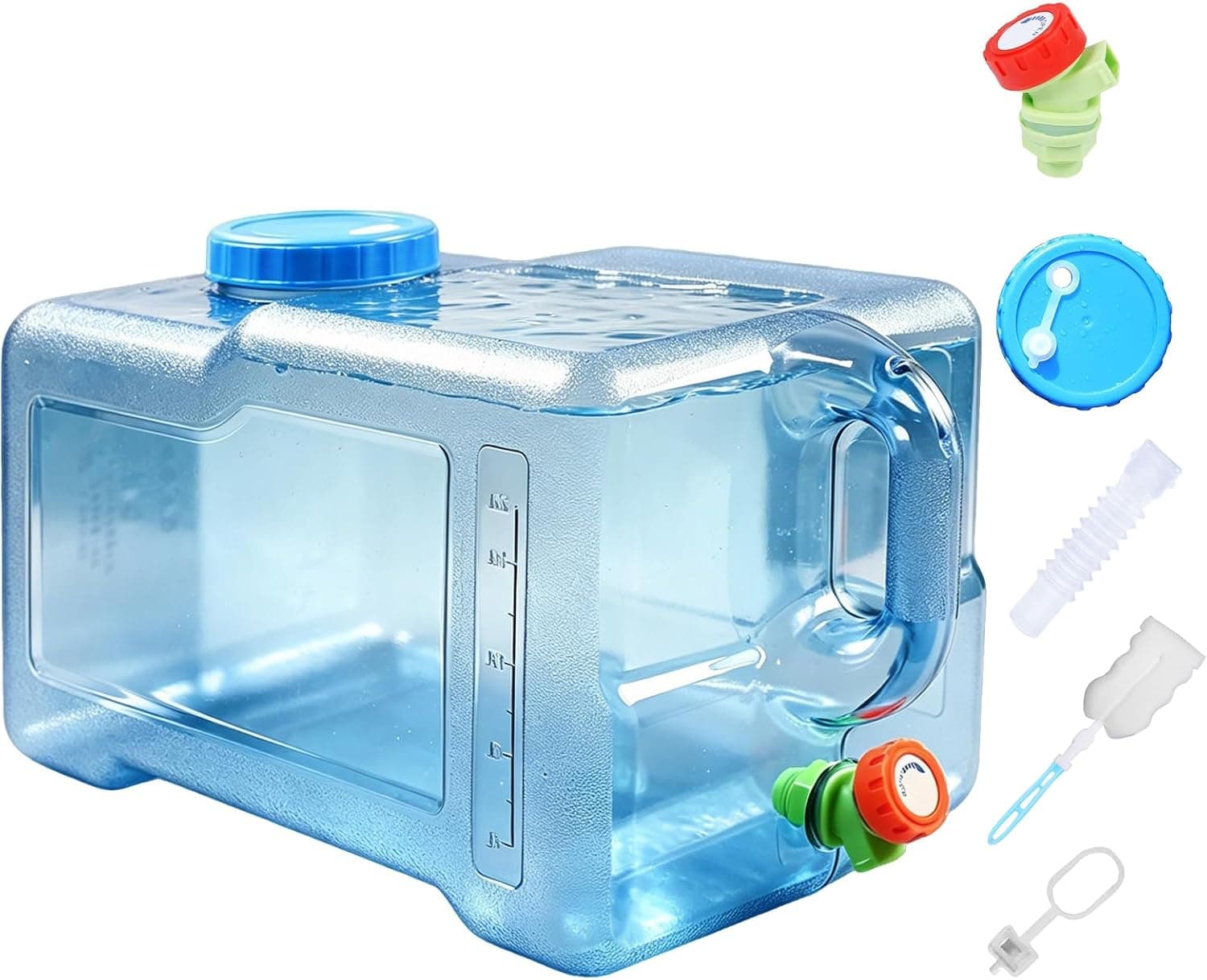
A collapsible water carrier stores and transports the litres you need when the taps stop — the storage side of water security that a filter or bottle can't cover.
Food
1 item
Long-shelf-life emergency food bars provide concentrated calories when normal food supplies are unavailable. Compact, calorie-dense, and requiring no preparation or water to consume.
Fire & Cooking
1 item
Matches that light reliably even in wet and windy conditions. Essential fire-starting backup for any survival kit.
Tools
4 items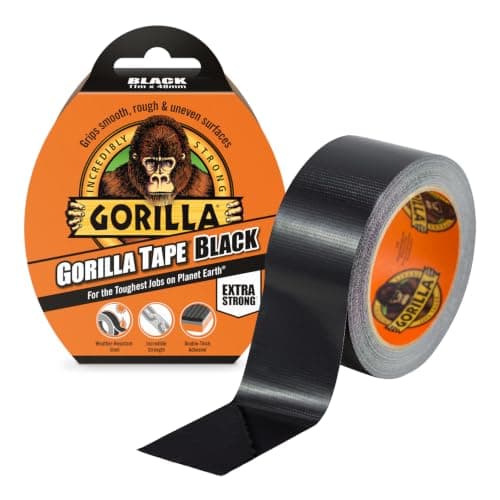
Heavy-duty duct tape is the ultimate field repair solution — capable of patching tents, waterproofs, shelters, and gear in seconds. A survival kit staple that weighs almost nothing when wrapped around a pencil or card.
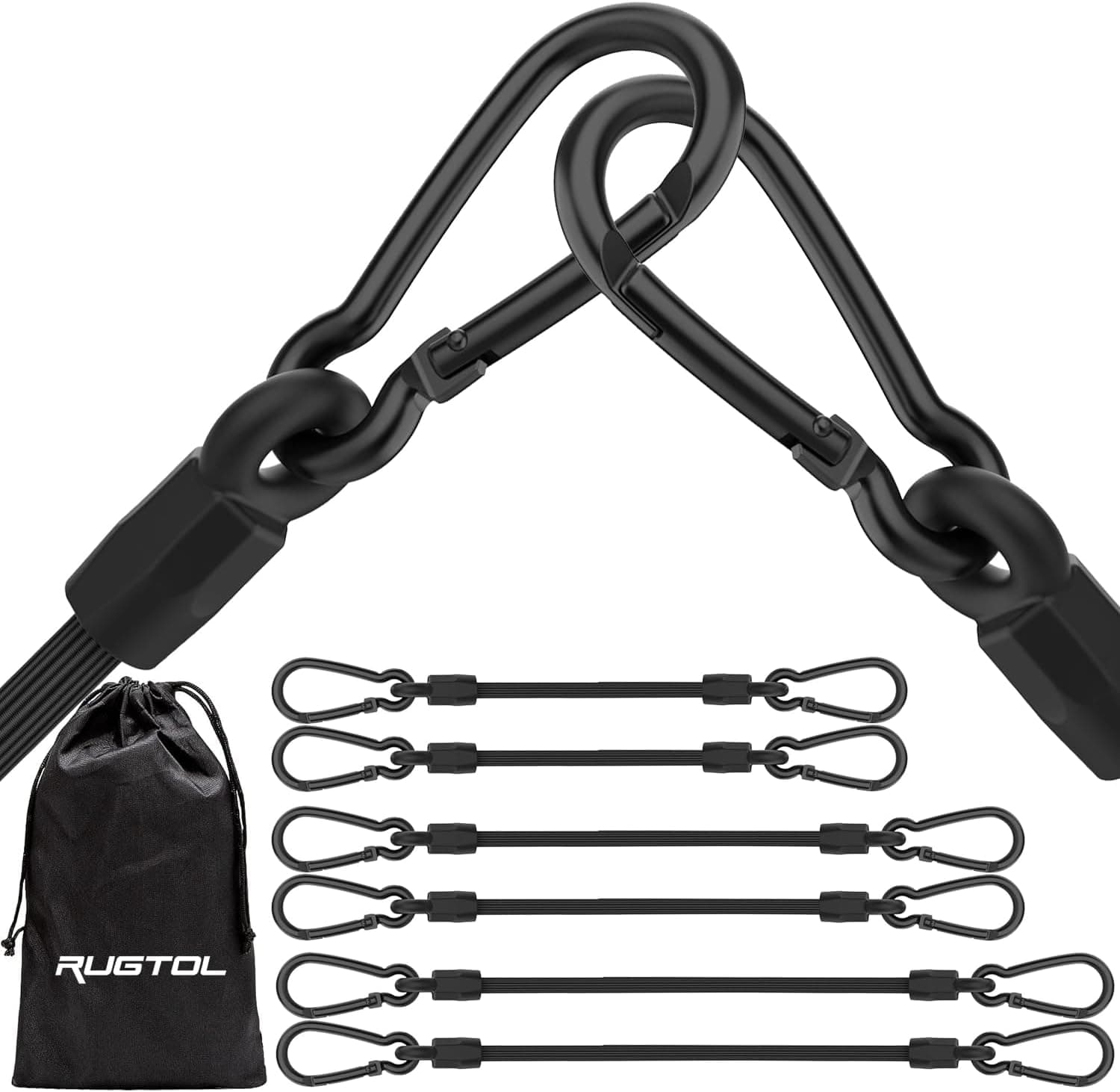
Elasticated bungee cords with hooks secure loads, rig shelters and strap gear down fast — reusable tension you can apply and release in seconds.

A pair of tough leather work gloves protects your hands clearing debris, handling glass, changing a tyre or gripping a jump-starter cable. Cheap protection for the jobs bare hands shouldn't do.
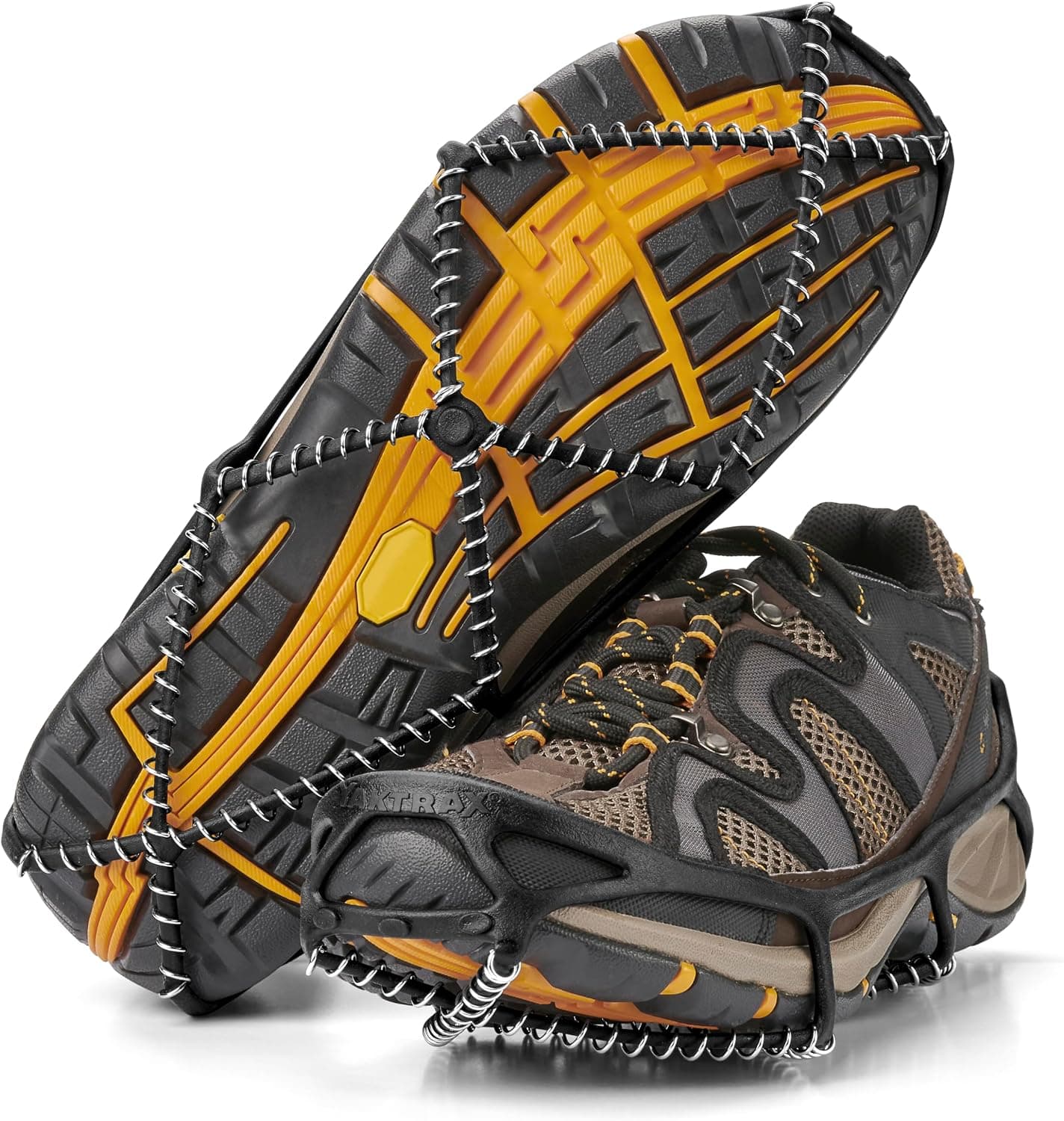
Slip-on ice grips give ordinary shoes real traction on frozen pavements, so a cold snap doesn't leave you stranded indoors or risking a fall on the way to work or the shops.
Shelter
1 item
Lightweight waterproof sheet for creating emergency shelters, ground cover, and rain protection.
Where it goes,
how often you check it.
One box, one place
A 50L Really Useful Box, kept dry, out of sunlight, accessible without a torch.
Quarterly check-in
Calendar reminder for the first weekend of January, April, July, October. 10 minutes.
Rotate the perishables
Water tanks every 6 months, food rations on best-before, batteries every 5 years.


