Family Emergency Kit
Preparing a family emergency kit requires a fundamentally different approach compared to packing for a solo adult. Children of different ages have vastly different needs — a toddler requires nappies, formula or specific foods, comfort items, and medication in child-appropriate doses, while a teenager may need charging cables for essential devices and familiar snacks to maintain morale. The key to effective family preparedness is involving everyone in the planning process at an age-appropriate level. Children who understand what the emergency kit is for and have helped pack it are far less likely to panic if it ever needs to be used. Family drills, practised calmly and even made into a game for younger children, can make the difference between orderly action and chaos when an emergency strikes.
One of the most overlooked aspects of family emergency planning in the UK is the school pickup question. If an emergency occurs during school hours — a severe weather warning, a local flooding event, or a power outage — do you have a clear plan for who collects the children, and does the school have up-to-date contact details and authorised pickup persons? Many UK schools have their own emergency procedures and may ask parents not to collect children immediately if roads are dangerous. Having a family communication plan that designates a meeting point, an out-of-area contact person, and backup arrangements for childcare is essential. Write these details on a laminated card that every family member old enough to use a phone carries with them.
Do not forget the furry, feathered, or scaled members of the family when building your emergency kit. Pets need food, water, medication, and carriers or leads for evacuation scenarios. The RSPCA advises keeping at least a week's supply of pet food and any prescribed medication in your emergency stores. If you need to evacuate, not all emergency shelters accept animals, so research pet-friendly options in advance and keep your pet's vaccination records and microchip details with your emergency documents. For the kit itself, pack enough supplies to sustain every family member — human and animal — for at least 72 hours, and remember to rotate perishable items regularly to keep everything fresh and usable.
This page contains affiliate links. We may earn a commission at no extra cost to you.

Tick as you go.
See what you're missing.
First Aid
11 items
Comprehensive medical supplies for treating injuries, burns, and illnesses in the field. The most important safety item in any kit.

A trauma (Israeli) bandage combines a dressing, pressure bar and securing wrap in one, to control serious bleeding fast. The step up from plasters that could genuinely save a life.

A fire blanket smothers a small kitchen or chip-pan fire in seconds, before it spreads. One of the cheapest, most overlooked safety items a home can have.
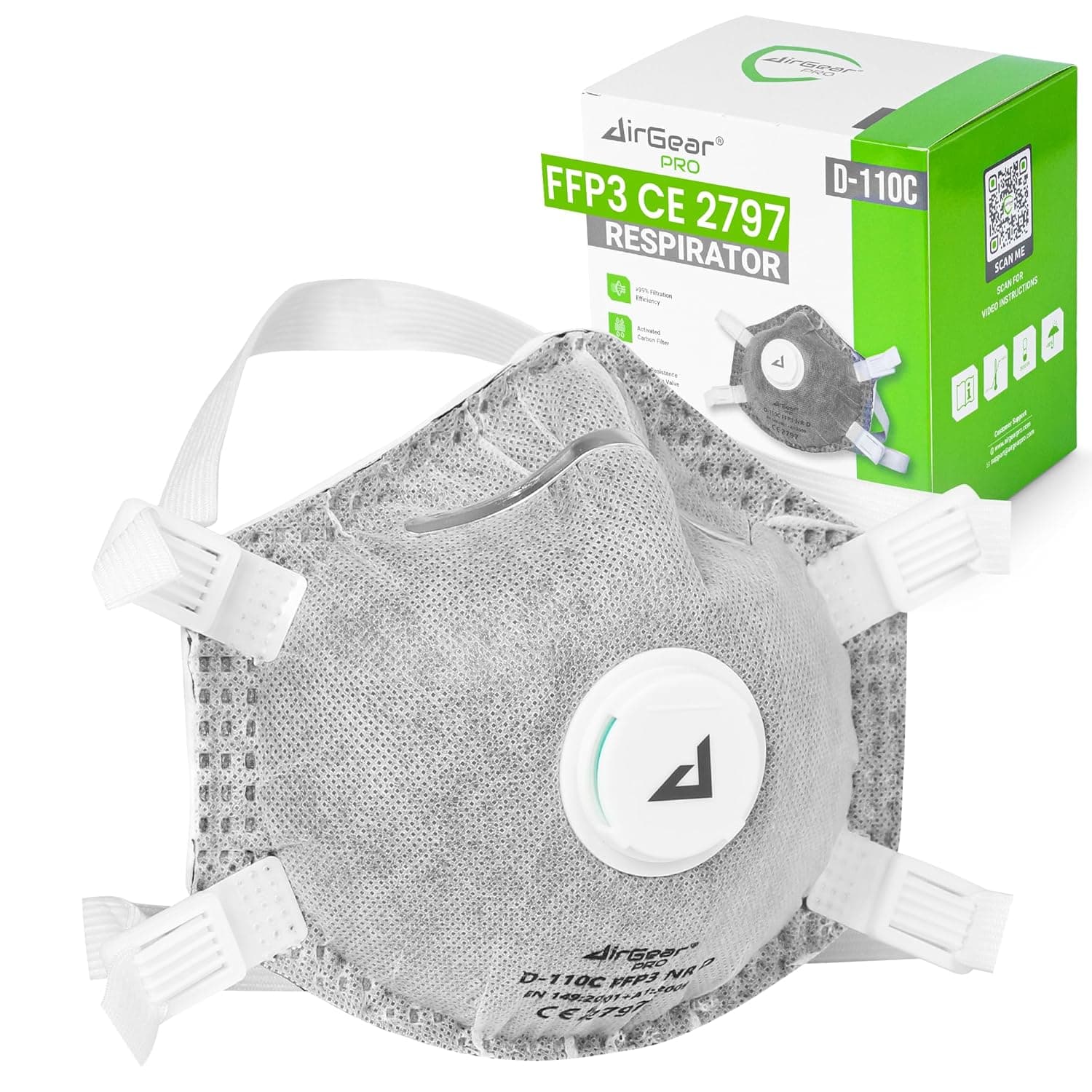
A properly rated FFP3 mask filters fine dust, smoke and airborne particles — the one that actually protects you when the air turns bad, unlike a loose surgical mask.
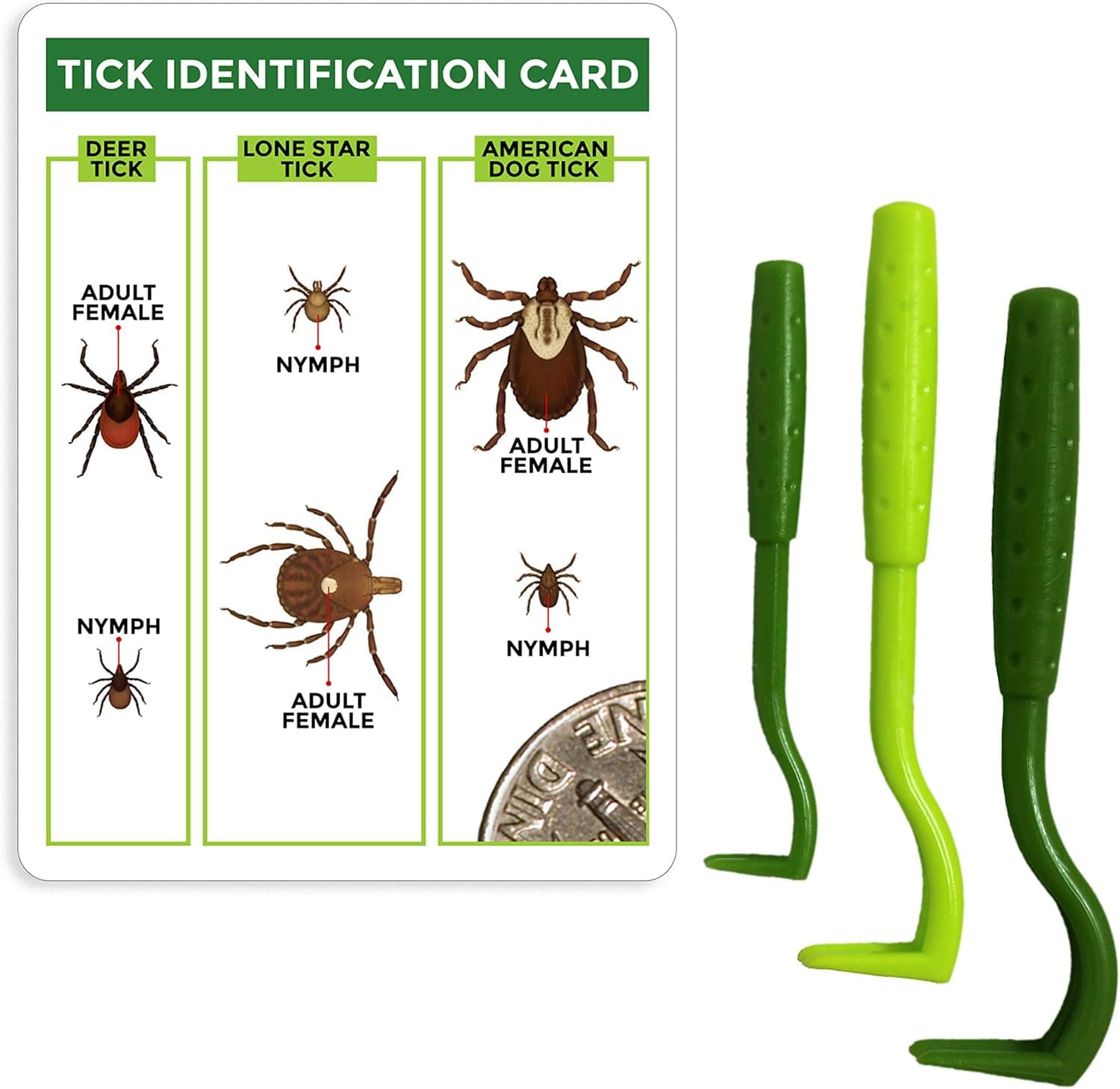
A proper tick tool removes the whole tick — head included — cleanly and quickly, cutting the risk of Lyme disease that squeezing with fingers or tweezers makes worse.
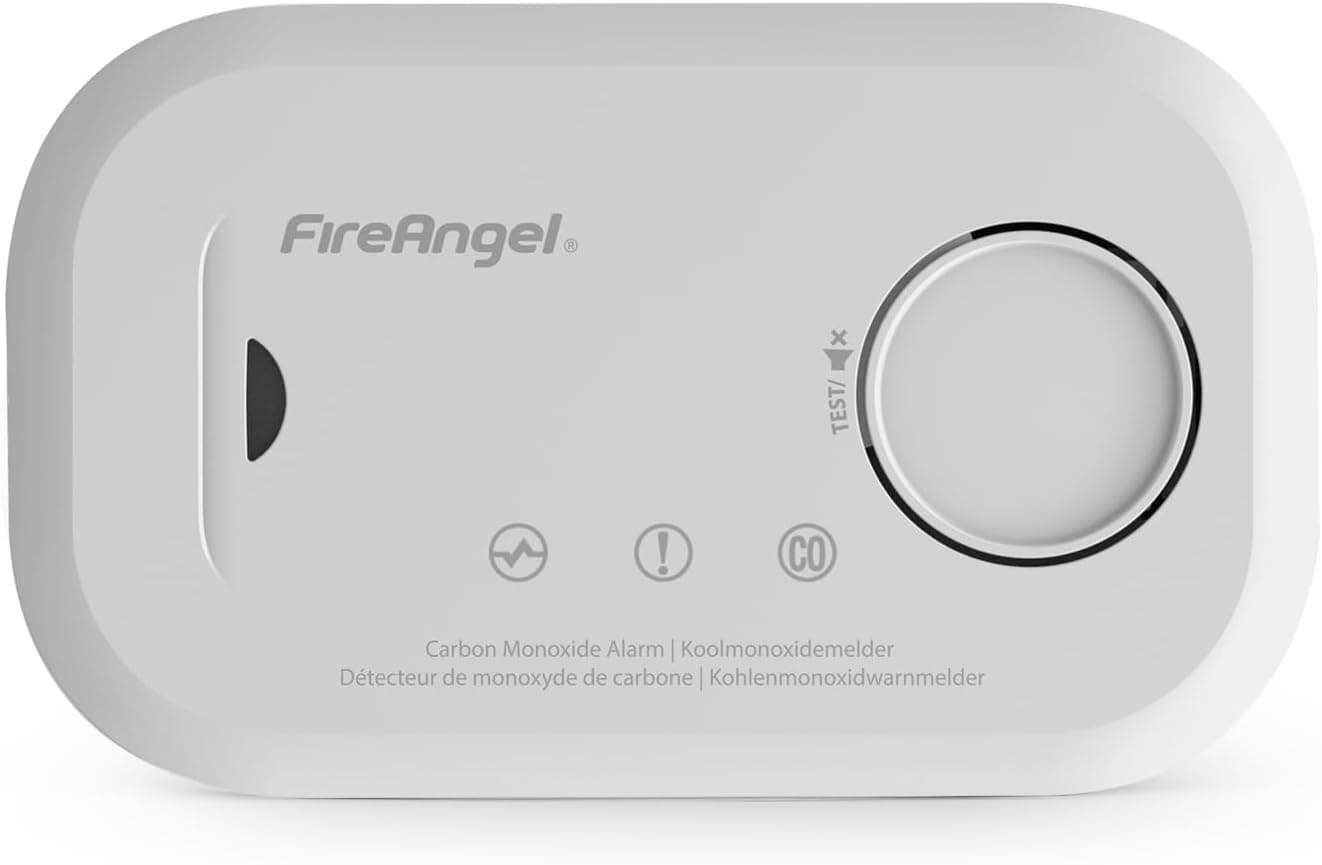
Carbon monoxide is invisible, odourless and deadly — an alarm is the only way to know it's there, and essential wherever you burn fuel for heat, light or cooking.
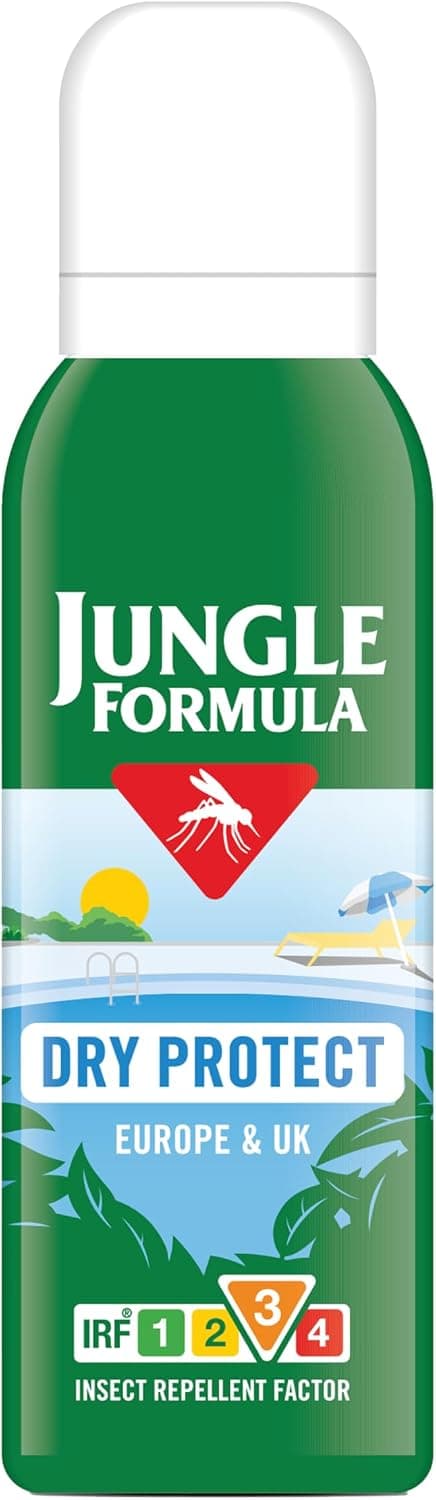
Repellent keeps biting insects — and the ticks and diseases some carry — off your skin, turning a miserable, bite-covered outing into a bearable one.

Electrolyte rehydration salts replace what heavy sweating, sickness or diarrhoea strip out — restoring you far faster than water alone when dehydration sets in.
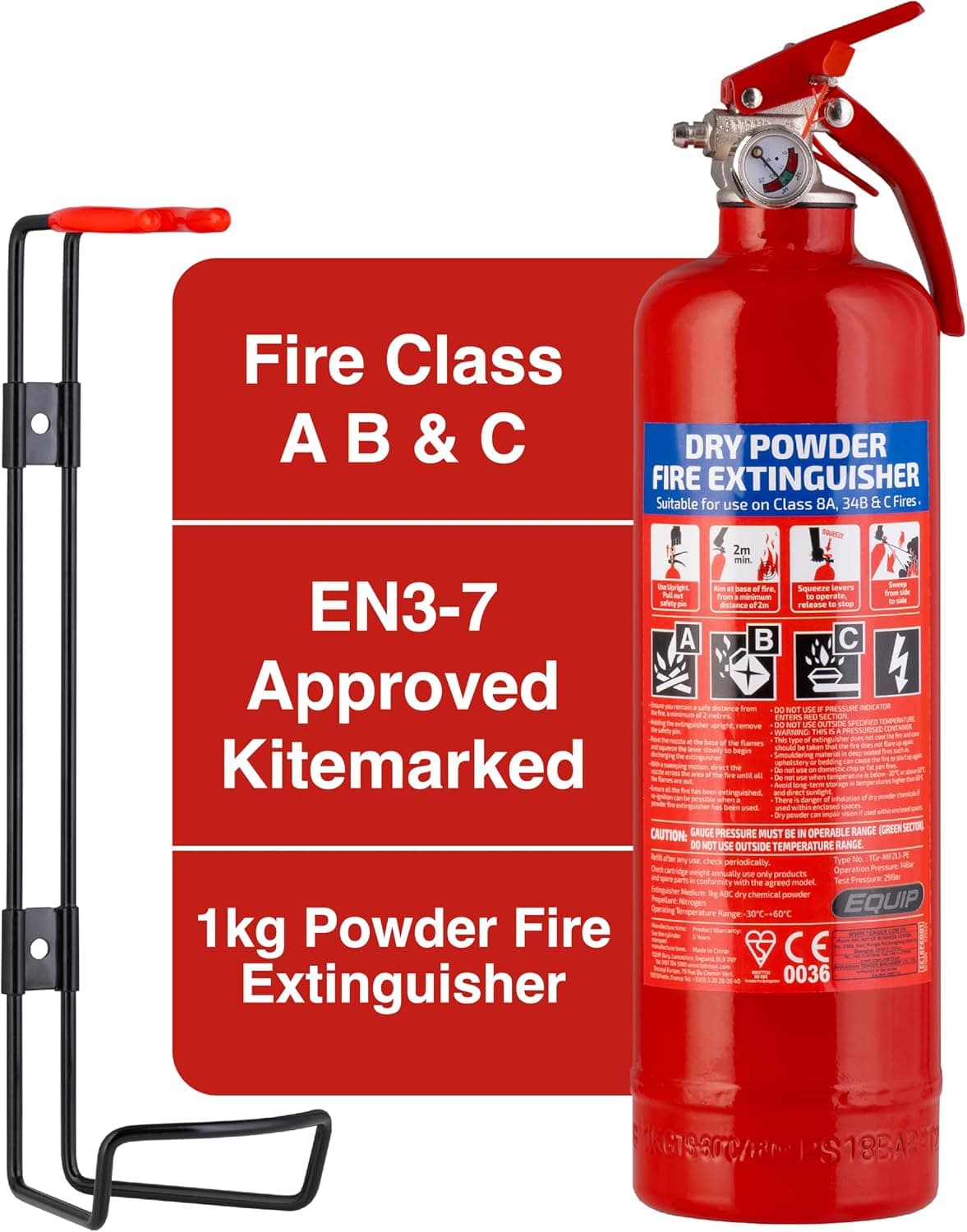
A small ABC dry powder extinguisher tackles the fires a home is most likely to face — electrical, cooking and general — buying you the seconds to put it out or get everyone out safely.
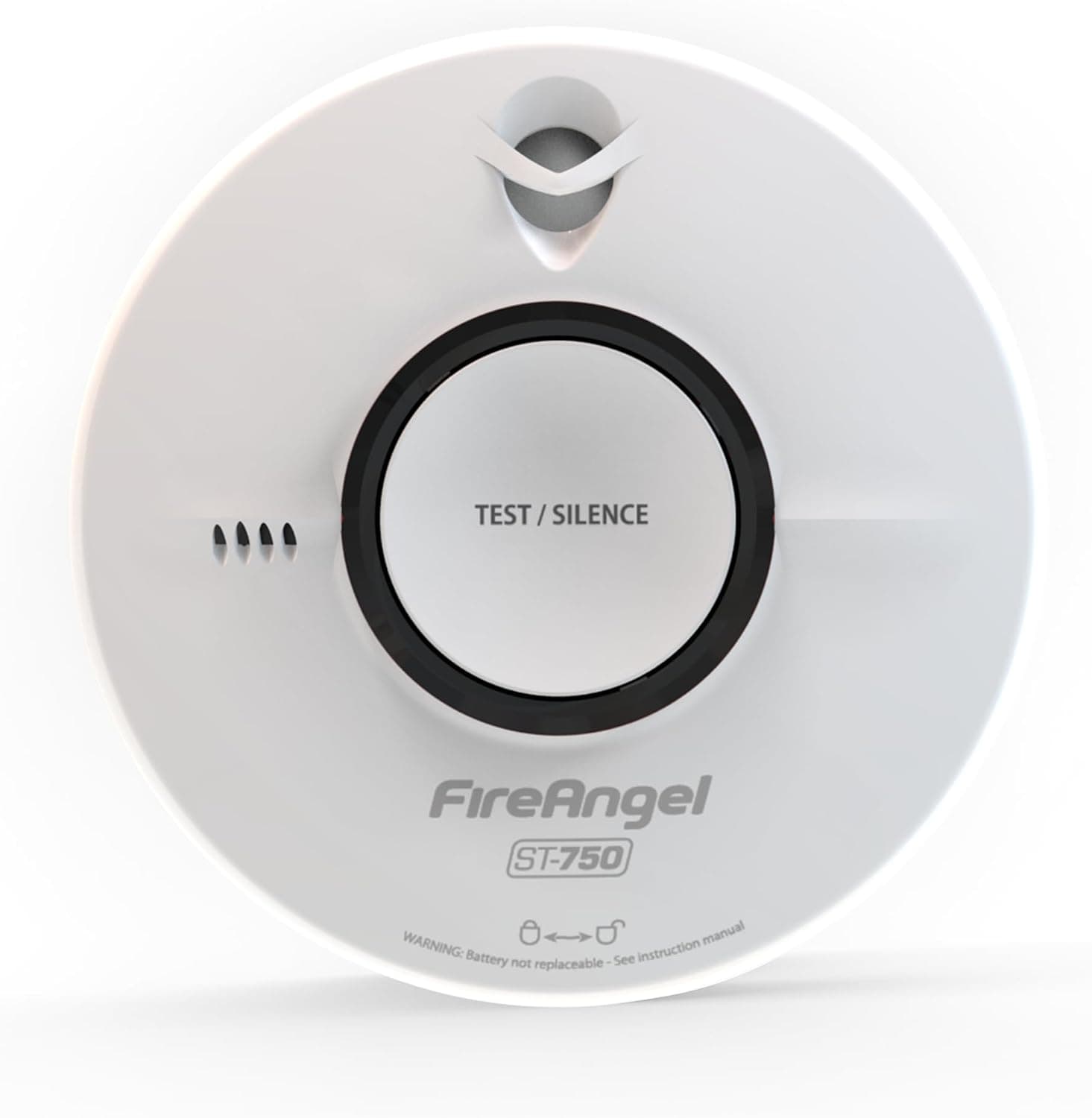
A working smoke alarm buys you the seconds that matter in a house fire — the difference between waking up in time and not waking up at all. Every UK home needs at least one on each floor.
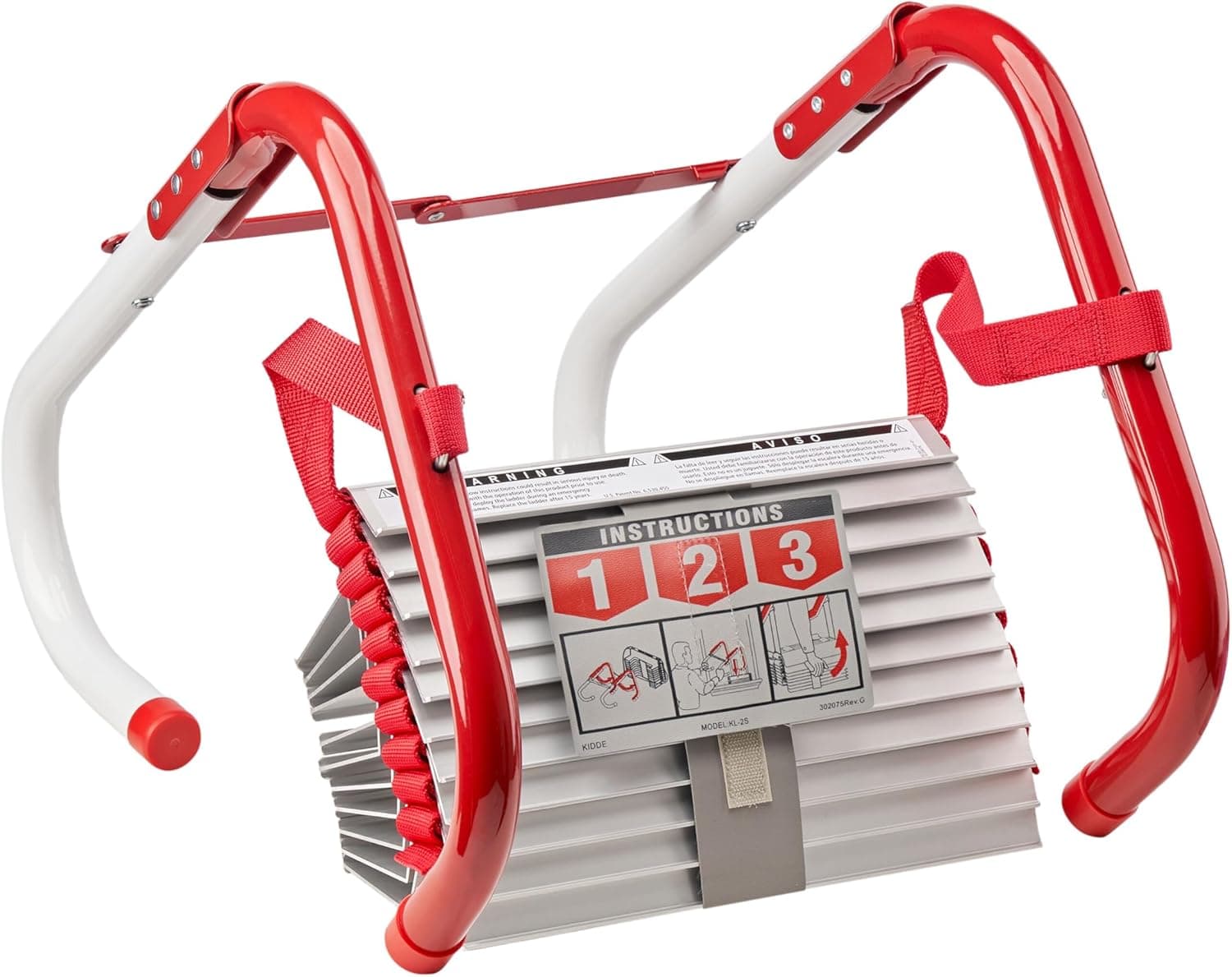
A window escape ladder gives upstairs rooms a second way out when fire blocks the stairs — a low-cost backup that buys the seconds that matter for a family sleeping above a single staircase.
Shelter
1 item
Compact thermal blanket that reflects up to 90% of body heat. Weighs under 60g and fits in your pocket.
Lighting
3 items
Handheld LED flashlight providing reliable illumination. Essential for navigation, signalling, and camp tasks after dark.

A rechargeable LED lantern lights a whole room or tent with soft, even light — far more useful than a torch for sitting, cooking and keeping children calm during a power cut.

Long-burning candles give hours of reliable light and a little warmth in a power cut, with no batteries to go flat — the classic backup for when the lights go out.
Communication
2 items
A wind-up or solar-powered emergency radio keeps you connected to weather warnings, emergency broadcasts, and rescue coordination when the power grid fails. Your lifeline to critical information.

When phone networks are down or you're out of signal, two-way radios keep your group in contact. Essential for coordinating a family, a hiking party, or neighbours during an outage.
Water & Hydration
2 items
Flexible water container that rolls up flat when empty. Essential for carrying treated water from source to camp.
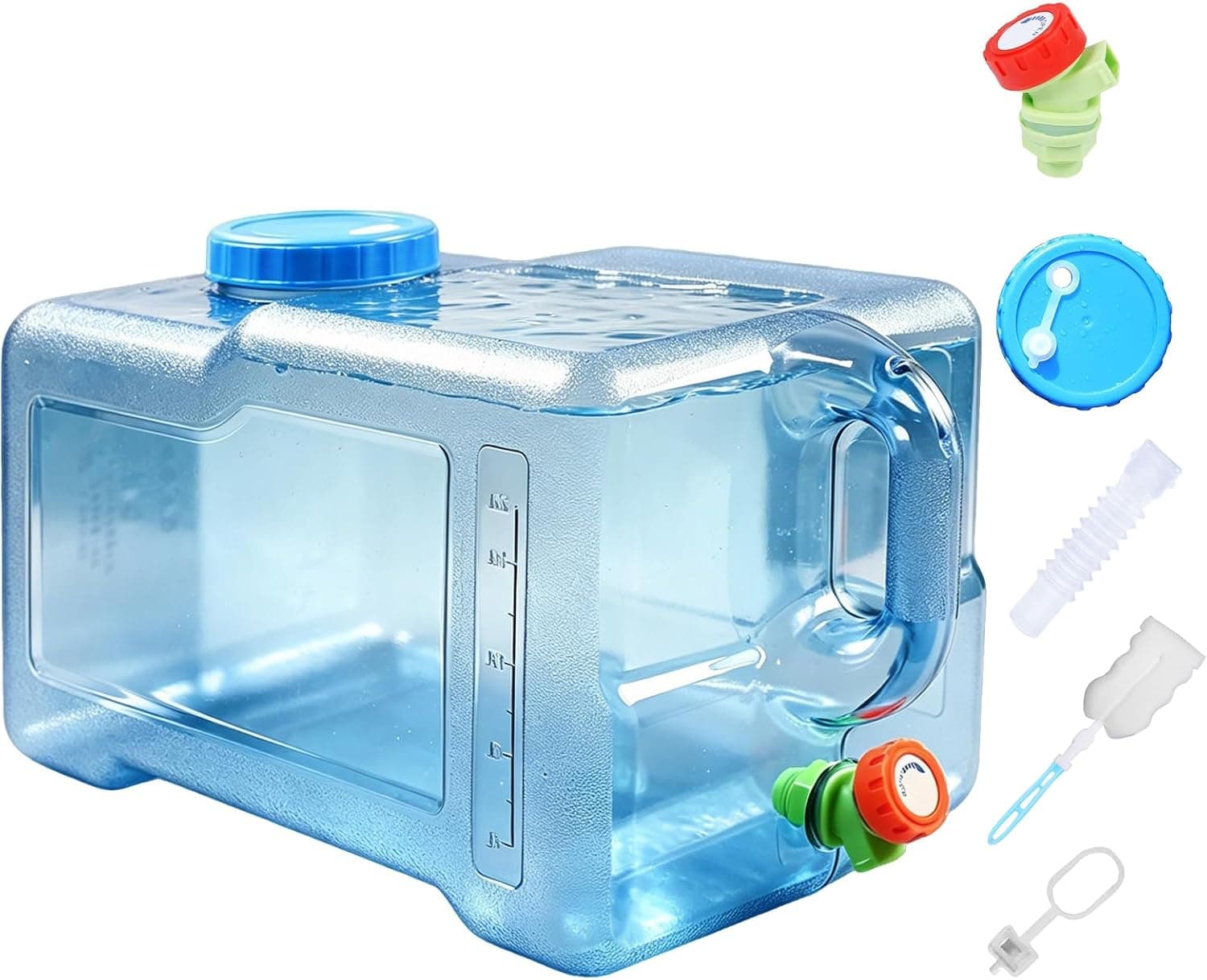
A collapsible water carrier stores and transports the litres you need when the taps stop — the storage side of water security that a filter or bottle can't cover.
Food
1 item
Long-shelf-life emergency food bars provide concentrated calories when normal food supplies are unavailable. Compact, calorie-dense, and requiring no preparation or water to consume.
Hygiene
4 items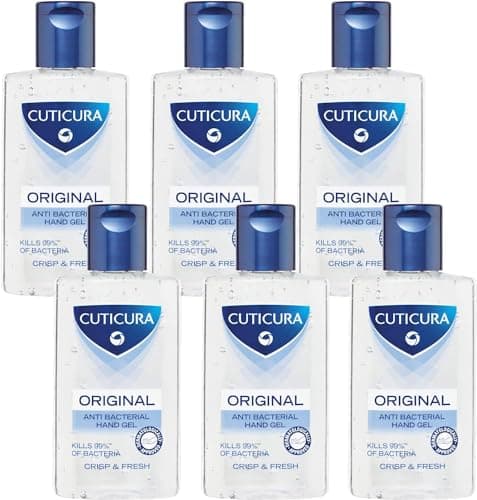
Antibacterial hand gel maintains field hygiene when soap and clean water are unavailable. A small bottle prevents the gastrointestinal infections that can rapidly debilitate you in a survival situation.

Biodegradable wet wipes provide quick sanitation for hands, face, and body when washing facilities are unavailable. Essential for maintaining hygiene, morale, and preventing infection in field conditions.

A box of disposable nitrile gloves protects you when giving first aid, handling contaminated water, or cleaning up after a flood. Cheap, compact hygiene that belongs in every kit.
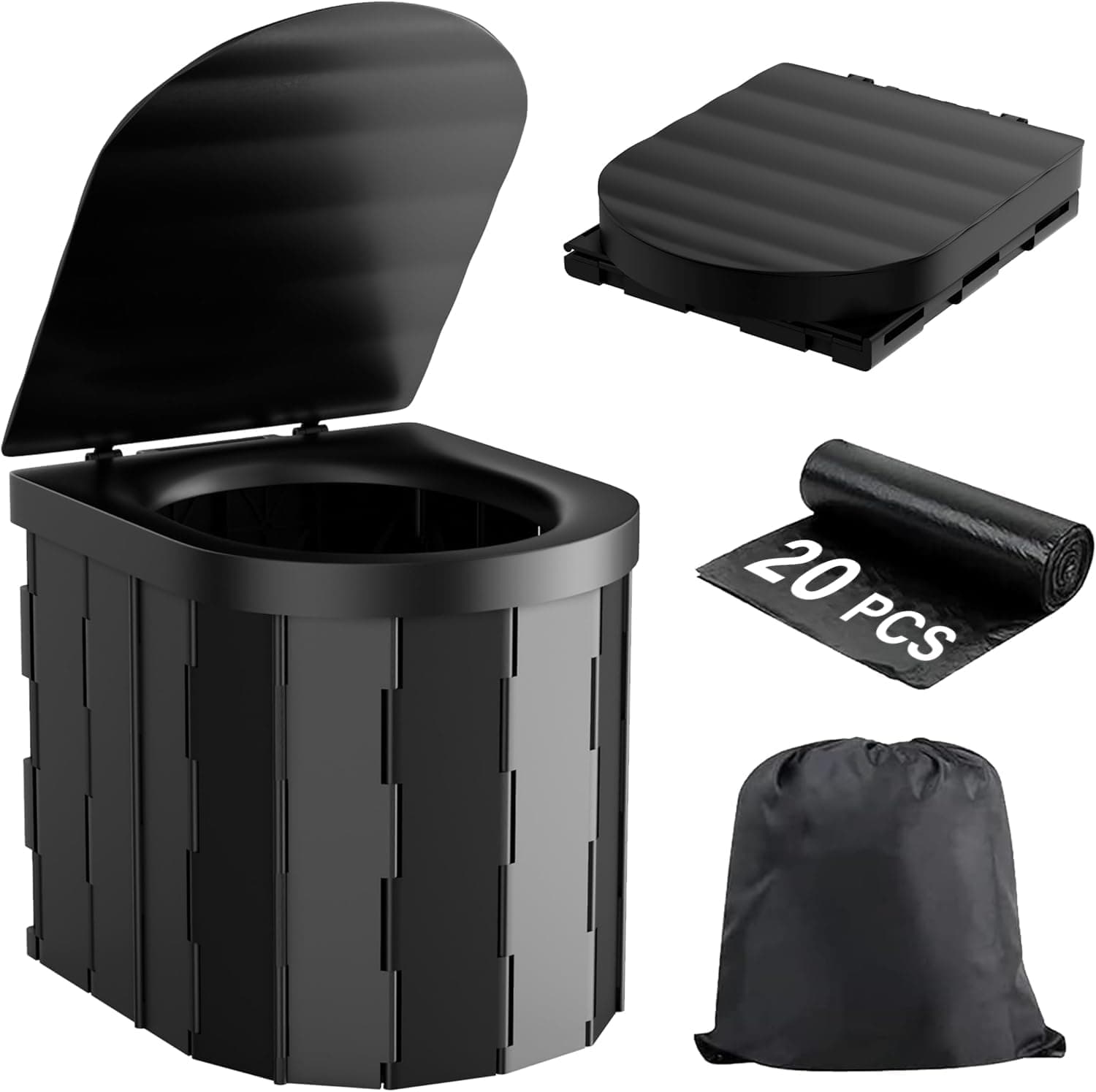
A foldable loo with disposal bags for when the water is off or the drains are down — the unglamorous item that keeps a household sanitary and dignified through a flood or long outage.
Power & Charging
1 item
A portable jump starter gets a flat car battery running again without needing a second car or a roadside callout — pocket-sized insurance against a cold-morning no-start.
Tools
2 items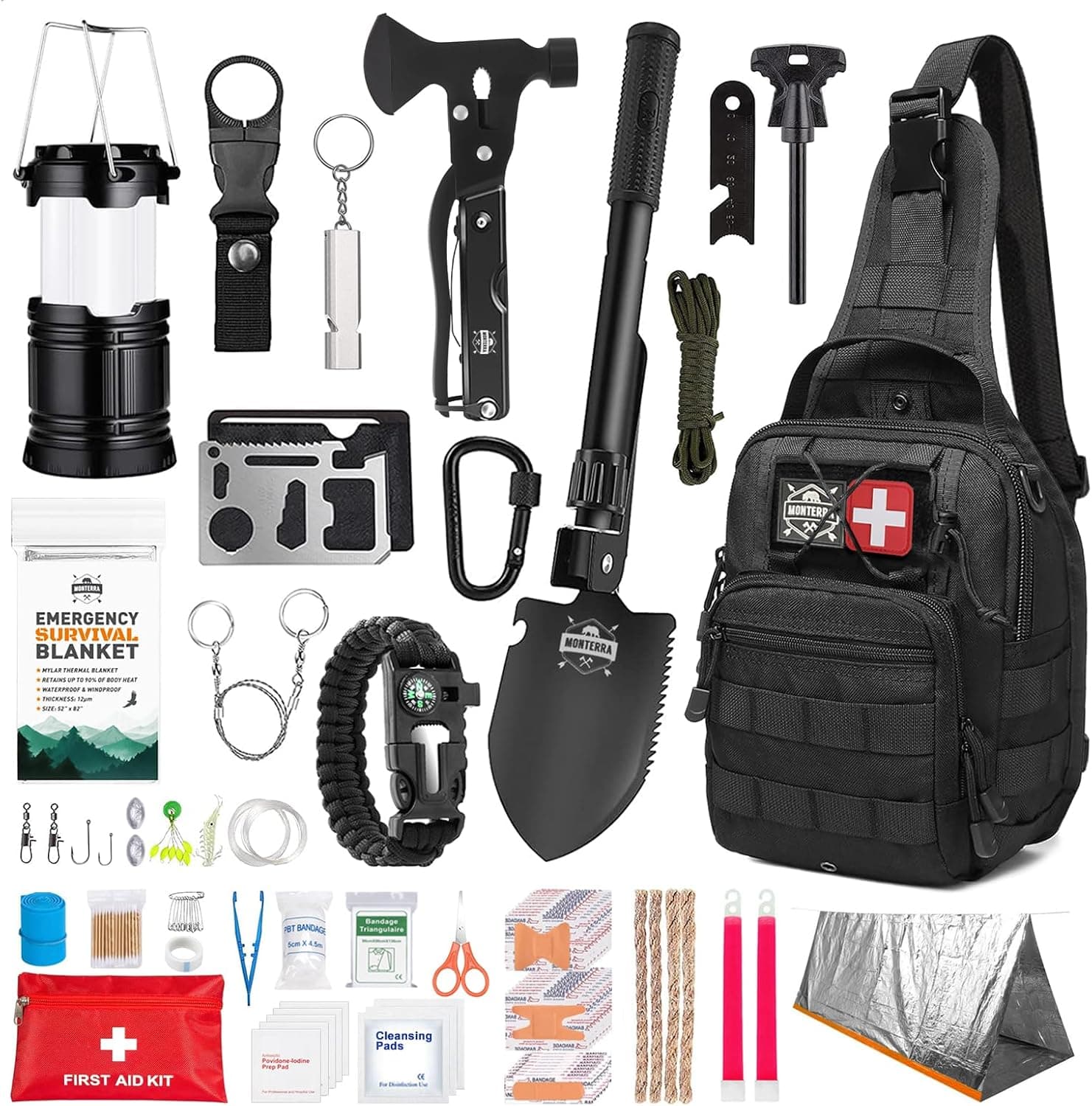
A pre-packed box of survival and first aid basics in one bag. A fast, affordable way to start — best used as a foundation you check, top up and personalise, not a finished emergency plan.
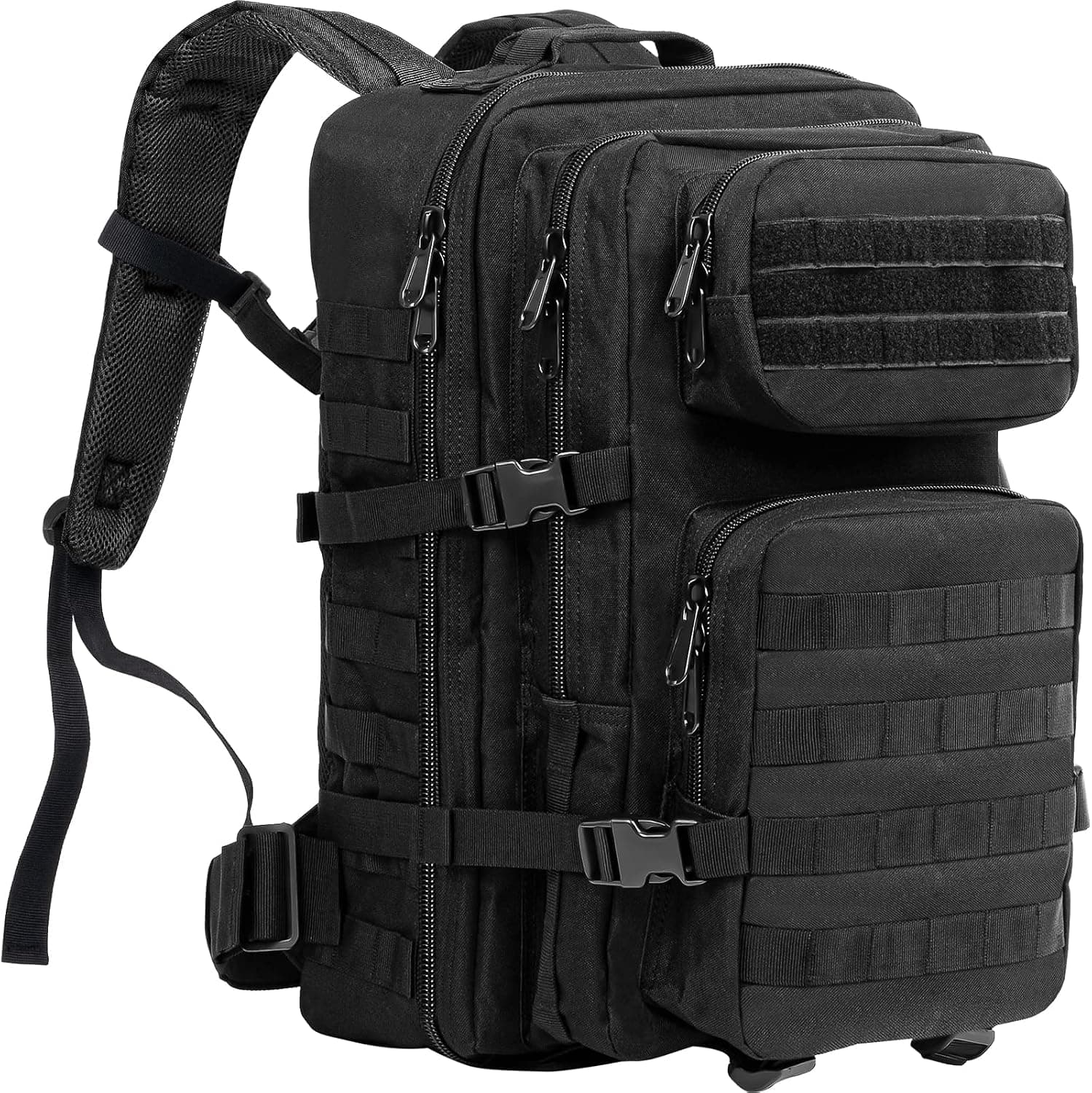
The bag the whole grab-and-go idea depends on — a tough, comfortable rucksack that holds your emergency kit ready by the door, so you can leave in seconds if you're told to evacuate.
Warmth
1 item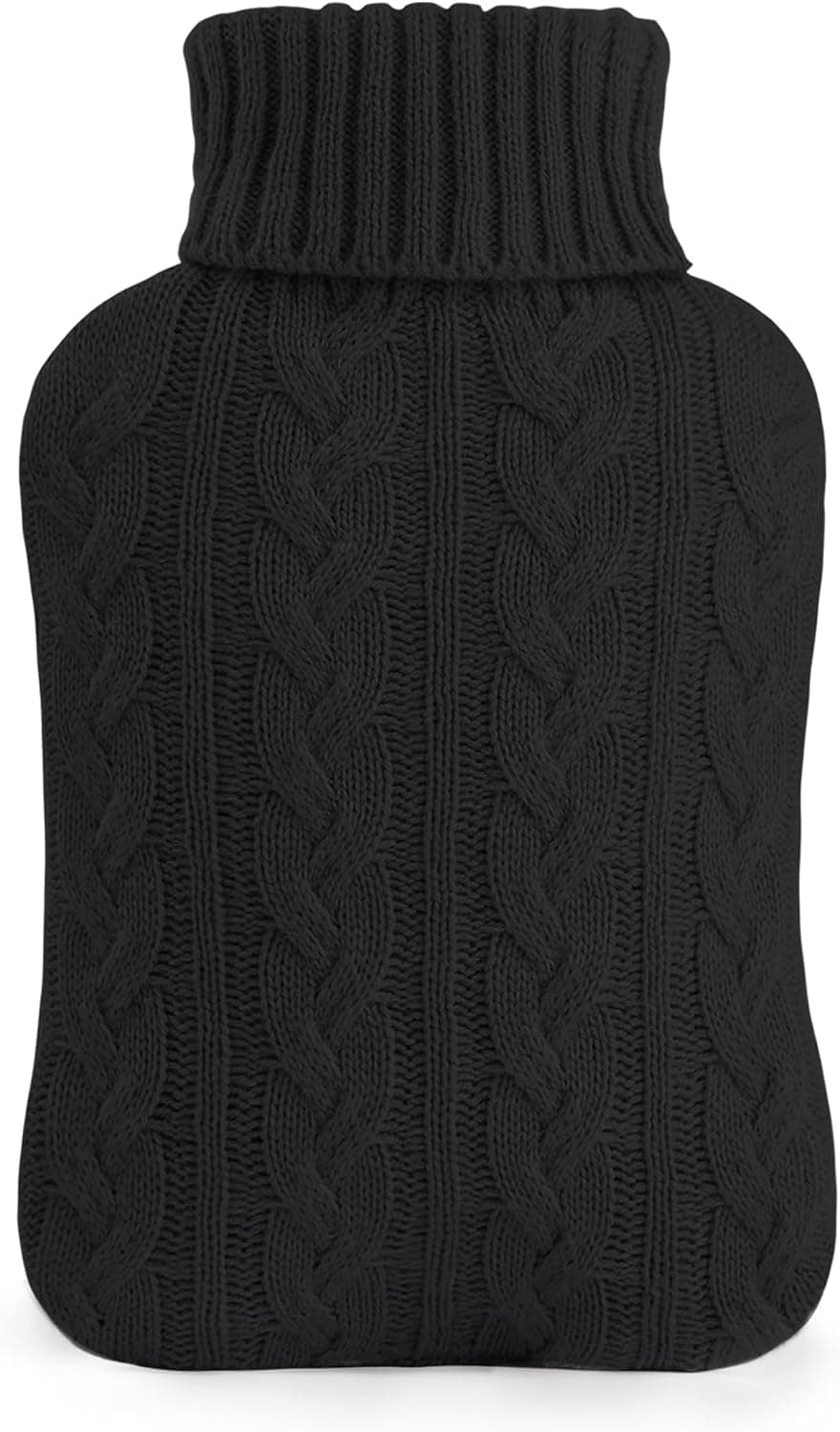
A refillable rubber bottle that holds warmth for hours from a single kettle or pan of hot water — a cheap, no-power way to stay warm in bed or a cold room during a power cut.
Where it goes,
how often you check it.
One box, one place
A 50L Really Useful Box, kept dry, out of sunlight, accessible without a torch.
Quarterly check-in
Calendar reminder for the first weekend of January, April, July, October. 10 minutes.
Rotate the perishables
Water tanks every 6 months, food rations on best-before, batteries every 5 years.
More preparedness guides.

Home Emergency Kit Essentials
Power cuts, flooding, storms — prepare your home with these essential emergency supplies to keep your family safe.

What Should Be in a Survival Kit?
A comprehensive guide to the essential items every survival kit needs, from water purification to shelter and communication.


