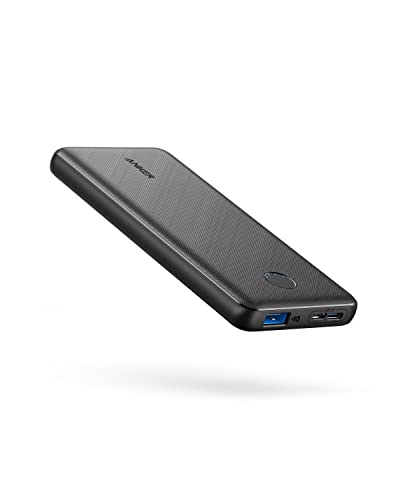
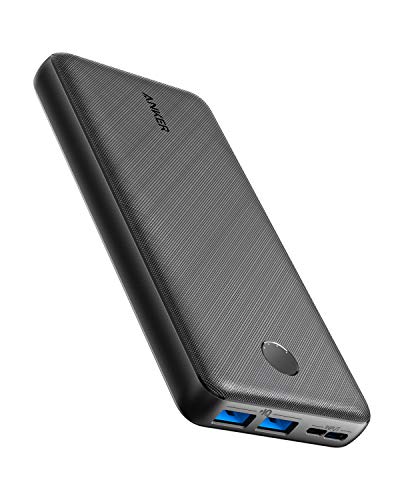
Capacity in milliamp-hours (mAh)
For survival use, a minimum of 10,000mAh provides 2-3 full smartphone charges. A 20,000mAh unit covers a multi-day expedition comfortably. Balance capacity against weight — every 10,000mAh adds approximately 200 grams. For day hikes, 5,000mAh may suffice; for extended trips, go larger.
Output ports and fast charging
Look for at least two USB output ports so you can charge multiple devices simultaneously. USB-C Power Delivery (PD) or Quick Charge support significantly reduces charging time. Ensure the output is sufficient for your devices — phones typically need 5V/2A minimum for efficient charging.
Ruggedness and water resistance
Standard consumer power banks are fragile and water-sensitive. For outdoor and survival use, choose a ruggedised model with an IP65 or higher water-resistance rating, rubber bumper protection, and a dust-proof charging port cover. Some models include a built-in torch — a useful bonus.
Cold weather performance
Lithium-ion batteries lose capacity significantly in cold temperatures — up to 40% at freezing point. For UK winter use, keep your power bank inside your jacket close to your body. Some premium models use lithium polymer cells that perform better in cold conditions.