Pet Emergency Kit
<p>When you plan for an emergency, it is easy to overlook the animals who share your home. Yet in a flood, fire or sudden power cut, your dog, cat or smaller companion will depend entirely on you. A dedicated pet grab bag, kept beside your own, means you can leave quickly without scrambling for a lead, a bowl or a few days of food. Preparing it now is one of the calmest, most practical things a pet owner can do, and it takes only an afternoon to put together from things you probably already own.</p>
<p>Remember that in the UK it is now a legal requirement for both dogs and cats to be microchipped, with your contact details kept accurate and up to date on the register. If you become separated from your animal during a flood, fire or evacuation, that chip is often the quickest and most reliable route to a reunion. Keep a copy of vaccination records, worming and flea treatments, details of any regular medication, and a recent photo tucked inside a waterproof pouch, so that a vet, warden or rescue centre has everything they need to identify and care for your pet.</p>
<p>It also helps to plan ahead for where you would all go if you had to leave home. Many emergency shelters and hotels will simply not accept pets, so it is well worth agreeing in advance with friends, family, a boarding kennel or a pet-friendly hotel who could take your animal at short notice. For any animal emergency, such as an injury, poisoning or sudden illness, contact your own vet or an out-of-hours veterinary service rather than dialling 999, which is reserved for human life at risk. A little quiet preparation now keeps everyone in the household, on two legs or four, safer and far calmer.</p>
This page contains affiliate links. We may earn a commission at no extra cost to you.

Tick as you go.
See what you're missing.
First Aid
1 item
Comprehensive medical supplies for treating injuries, burns, and illnesses in the field. The most important safety item in any kit.
Water & Hydration
2 items
Flexible water container that rolls up flat when empty. Essential for carrying treated water from source to camp.
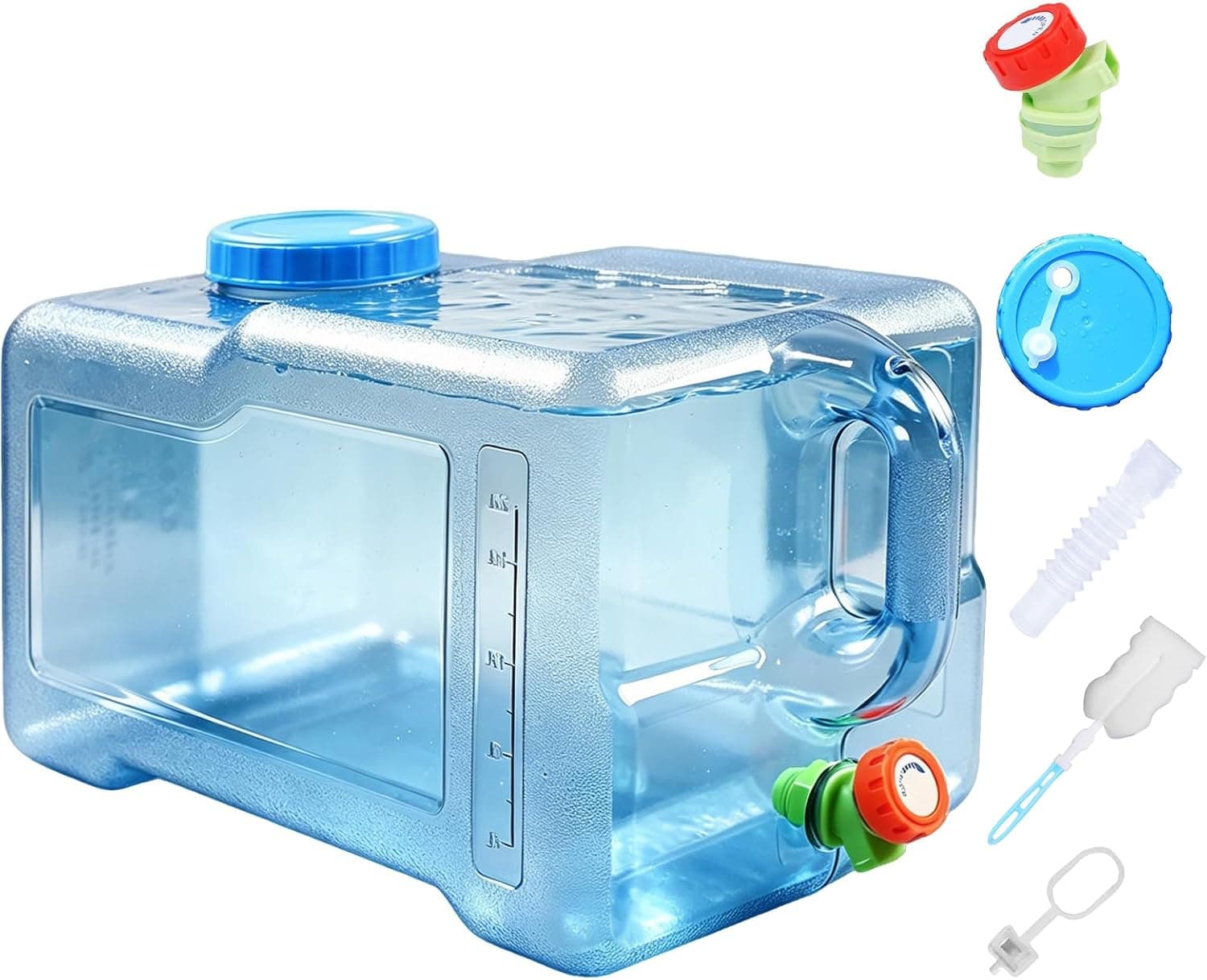
A collapsible water carrier stores and transports the litres you need when the taps stop — the storage side of water security that a filter or bottle can't cover.
Lighting
1 item
Handheld LED flashlight providing reliable illumination. Essential for navigation, signalling, and camp tasks after dark.
Tools
1 item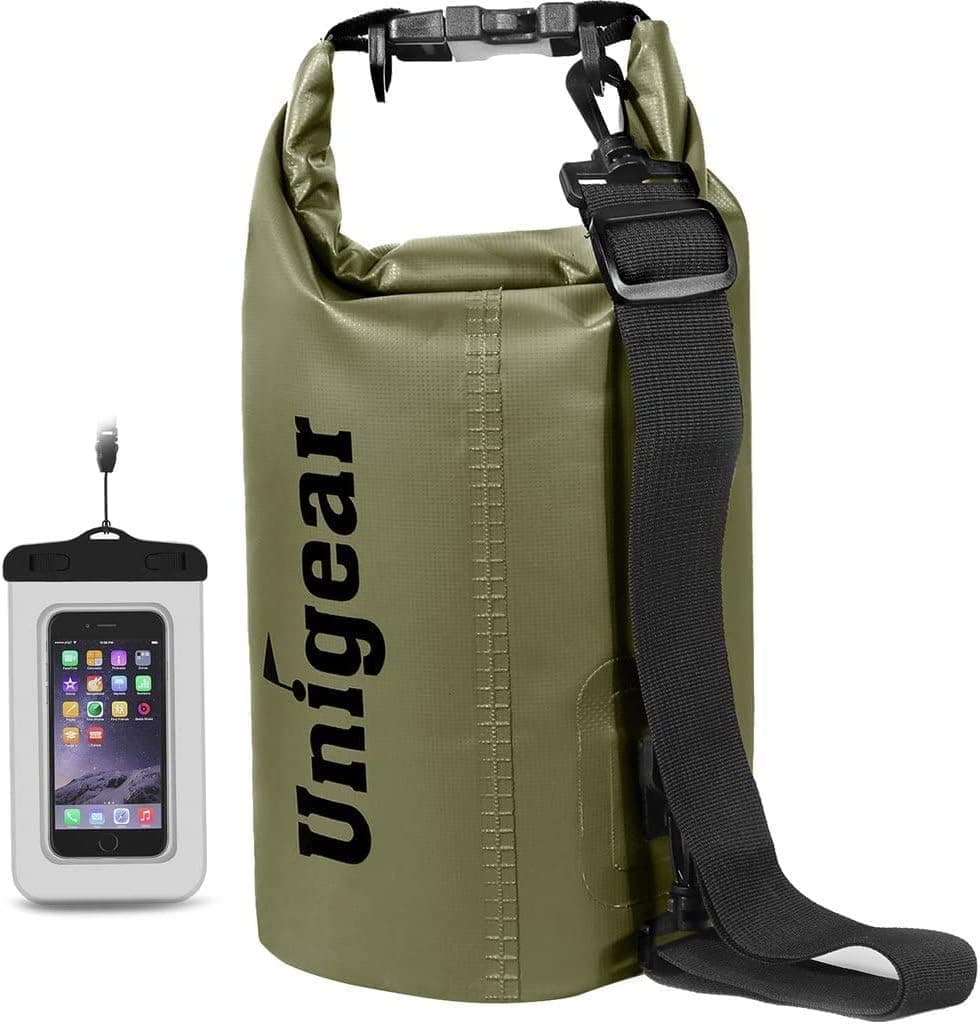
A roll-top dry bag keeps spare clothes, electronics and food genuinely dry when a rucksack or boot can't — the difference between a warm night and a wretched one.
Warmth
1 item
A wool blanket keeps you warm even when damp and won't melt near a flame — the rugged, reusable warmth layer for a cold house, a stranded car or a night outdoors.
Hygiene
3 items
Biodegradable wet wipes provide quick sanitation for hands, face, and body when washing facilities are unavailable. Essential for maintaining hygiene, morale, and preventing infection in field conditions.
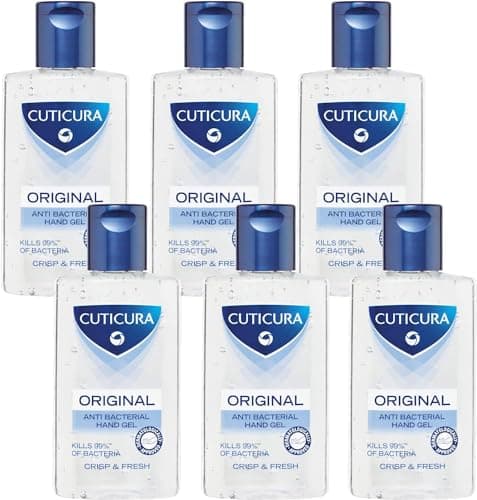
Antibacterial hand gel maintains field hygiene when soap and clean water are unavailable. A small bottle prevents the gastrointestinal infections that can rapidly debilitate you in a survival situation.

A box of disposable nitrile gloves protects you when giving first aid, handling contaminated water, or cleaning up after a flood. Cheap, compact hygiene that belongs in every kit.
Navigation
1 item
A waterproof notebook records grid references, contacts, symptoms and plans that survive rain and sweat — reliable written information when a phone can't be trusted.
Where it goes,
how often you check it.
One box, one place
A 50L Really Useful Box, kept dry, out of sunlight, accessible without a torch.
Quarterly check-in
Calendar reminder for the first weekend of January, April, July, October. 10 minutes.
Rotate the perishables
Water tanks every 6 months, food rations on best-before, batteries every 5 years.


