Water Outage Kit
<p>A water outage can arrive without warning. A burst water main, a failed pump or planned repair work can leave your taps dry for hours or even days, and it often happens when you least expect it. Keeping a small supply of stored water and a few reliable tools means you can carry on cooking, cleaning and staying hydrated while the situation is resolved.</p>
<p>Your water company is responsible for restoring supply and, in a prolonged outage, for setting up bottled-water collection points. Check their website or social media for updates, and register vulnerable household members on the Priority Services Register so bottled water can be delivered to your door if needed. Keep an eye out for any boil-water notice, which means treating tap water before you drink it.</p>
<p>This kit focuses on the essentials: containers to store and carry water, ways to purify it, and simple hygiene items for washing without running water. Fill clean carriers before a planned outage, ration what you have sensibly, and prioritise drinking water over everything else. A little preparation keeps a frustrating disruption calm and manageable.</p>
This page contains affiliate links. We may earn a commission at no extra cost to you.

Tick as you go.
See what you're missing.
Water & Hydration
5 items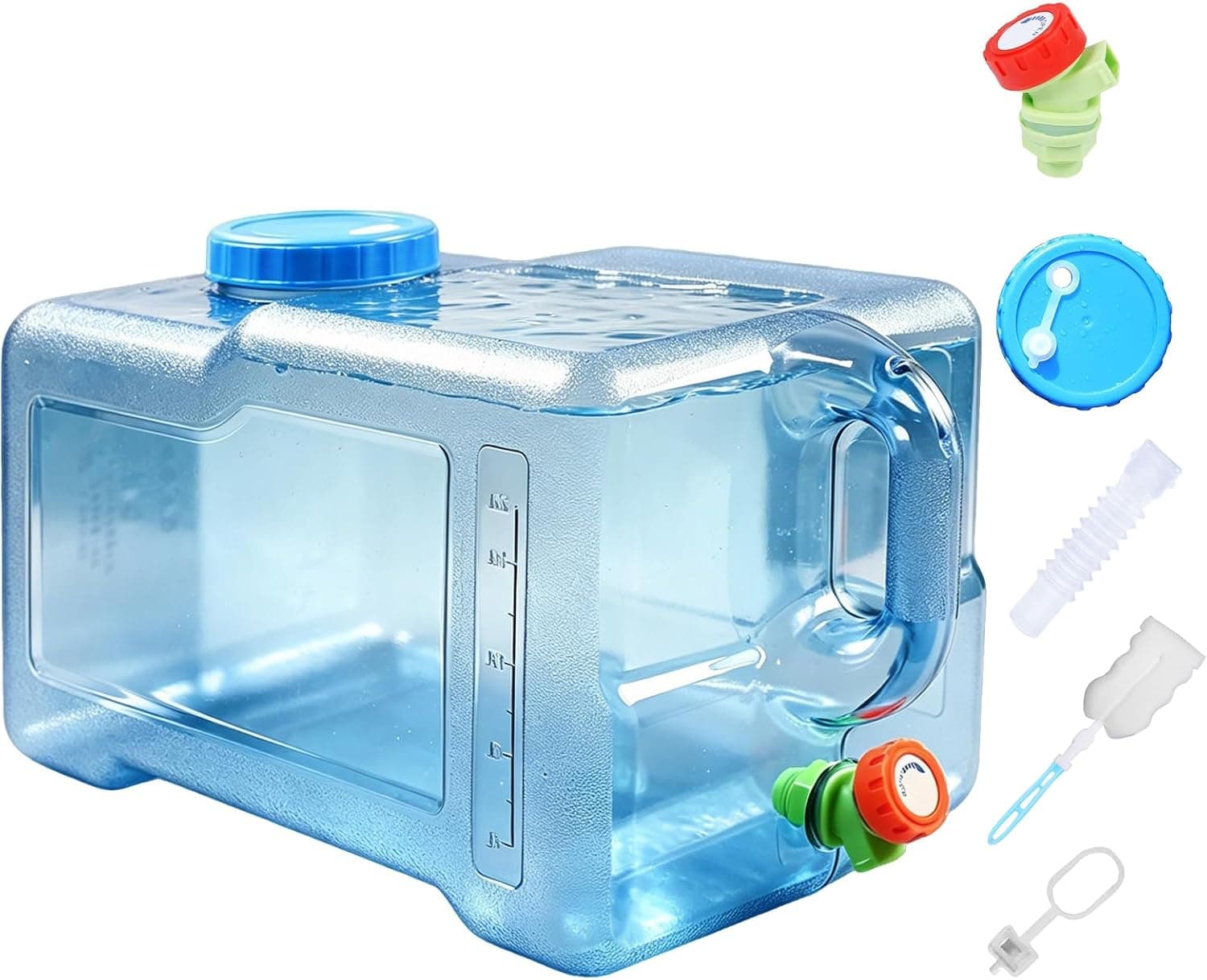
A collapsible water carrier stores and transports the litres you need when the taps stop — the storage side of water security that a filter or bottle can't cover.
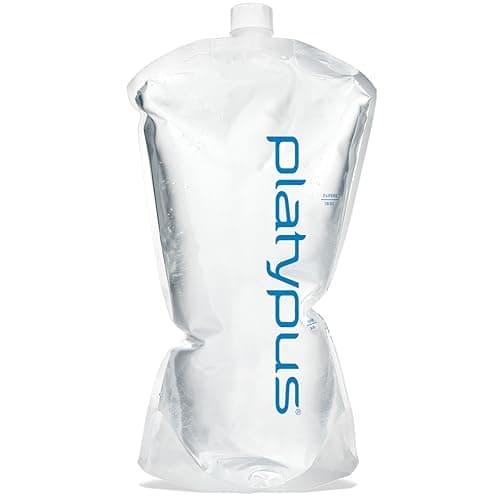
Flexible water container that rolls up flat when empty. Essential for carrying treated water from source to camp.
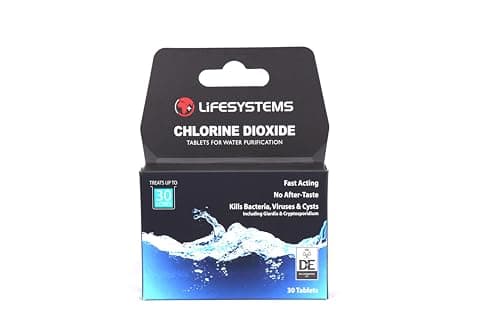
Chemical tablets that kill bacteria, viruses, and parasites in water. Lightweight backup to mechanical filtration.

Portable water filtration for safe drinking water from any freshwater source. Removes 99.99% of bacteria and parasites.

A hydration bladder holds two or three litres inside your pack with a hose to your shoulder, so you drink steadily on the move without stopping. The easy way to carry enough water on the trail.
First Aid
1 item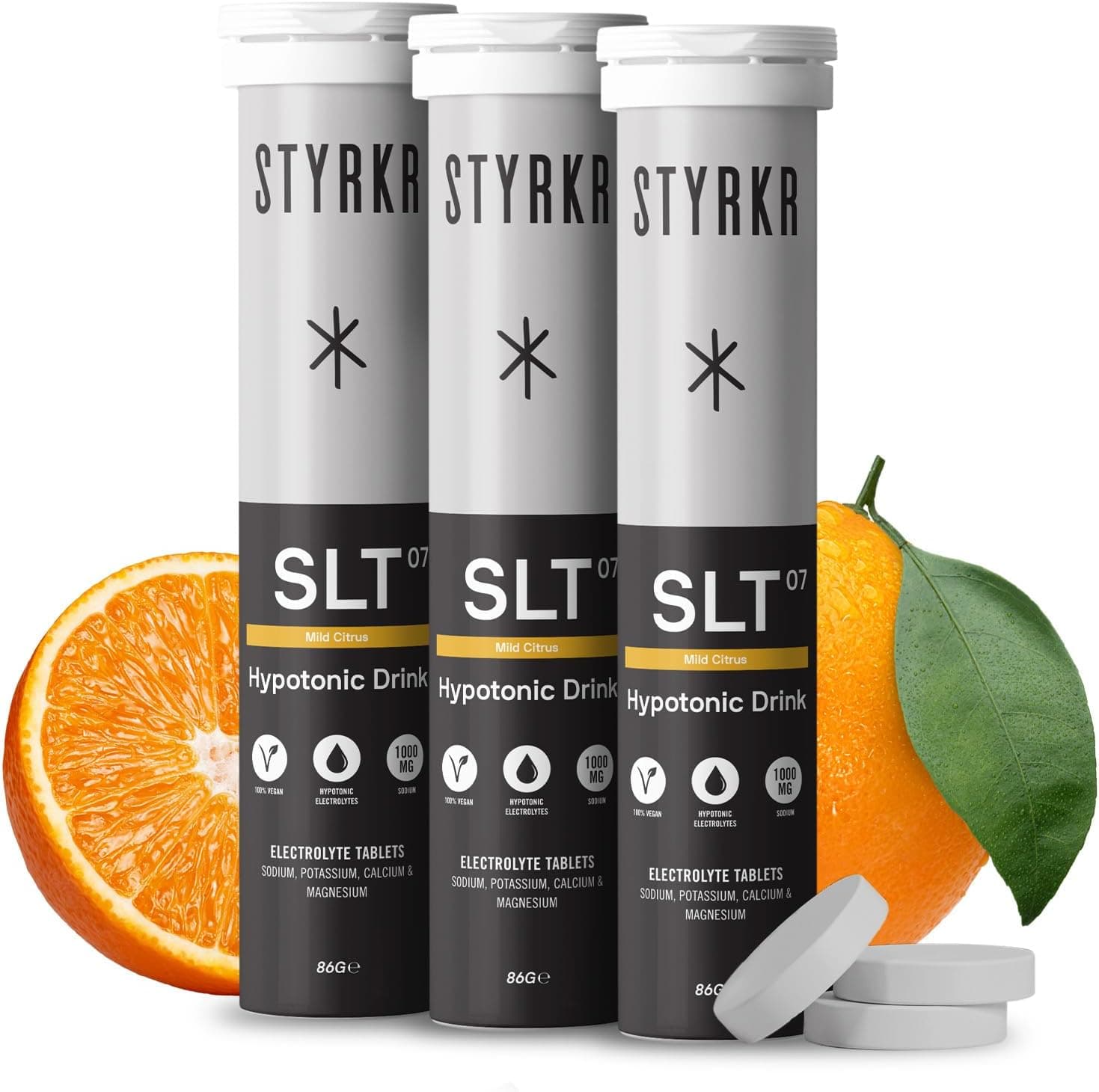
Electrolyte rehydration salts replace what heavy sweating, sickness or diarrhoea strip out — restoring you far faster than water alone when dehydration sets in.
Hygiene
3 items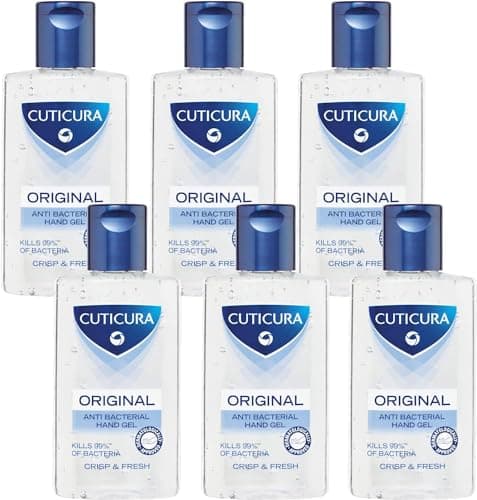
Antibacterial hand gel maintains field hygiene when soap and clean water are unavailable. A small bottle prevents the gastrointestinal infections that can rapidly debilitate you in a survival situation.

Biodegradable wet wipes provide quick sanitation for hands, face, and body when washing facilities are unavailable. Essential for maintaining hygiene, morale, and preventing infection in field conditions.

A box of disposable nitrile gloves protects you when giving first aid, handling contaminated water, or cleaning up after a flood. Cheap, compact hygiene that belongs in every kit.
Communication
1 item
A wind-up or solar-powered emergency radio keeps you connected to weather warnings, emergency broadcasts, and rescue coordination when the power grid fails. Your lifeline to critical information.
Tools
1 item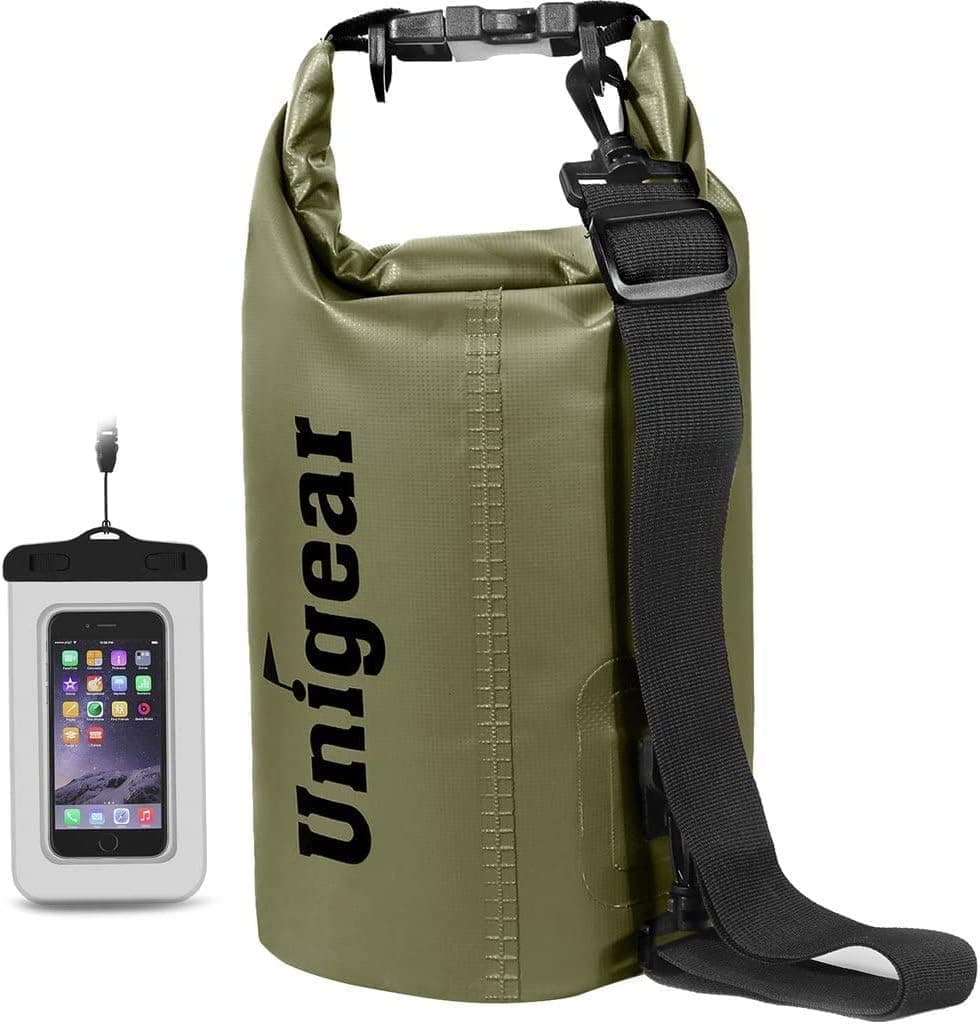
A roll-top dry bag keeps spare clothes, electronics and food genuinely dry when a rucksack or boot can't — the difference between a warm night and a wretched one.
Lighting
1 item
Handheld LED flashlight providing reliable illumination. Essential for navigation, signalling, and camp tasks after dark.
Where it goes,
how often you check it.
One box, one place
A 50L Really Useful Box, kept dry, out of sunlight, accessible without a torch.
Quarterly check-in
Calendar reminder for the first weekend of January, April, July, October. 10 minutes.
Rotate the perishables
Water tanks every 6 months, food rations on best-before, batteries every 5 years.
Common questions.
More preparedness guides.

Water Outage: What to Do When the Taps Stop
When the taps stop, a UK water outage can disrupt drinking, cooking and flushing. Here is how to check the cause, use the water you have, treat it safely and get more until supply returns.

How to Build an Emergency Water Supply at Home (UK Guide)
A calm, practical UK guide to storing emergency water: how much to keep per person, the safest food-grade containers, where to store it and how to rotate and treat it.


