When you turn on the tap and nothing comes out, it is easy to feel stranded. A water outage in the UK is usually short-lived, caused by a burst main, planned maintenance or a supply fault, but it can still disrupt drinking, cooking, washing and flushing the toilet. Knowing what to check first, how to stretch the water you already have and when to boil it will keep your household safe and comfortable until normal service returns.
First Steps: Find Out What Is Happening
Before you assume the worst, run a quick check. Try more than one cold tap, ideally the kitchen tap that comes straight off the mains, and see whether neighbours are affected too. If the whole street is dry, the problem lies with the network rather than your own plumbing. Look up your water company on your latest bill or by postcode and check its website or social media for a live incident map. Most companies list burst mains, planned work and estimated restoration times, and many let you report a loss of supply online or by phone.
Note the time the supply stopped and any reference number you are given. If only your property is affected, check that your internal stopcock, usually under the kitchen sink, is fully open, and that a frozen pipe in winter is not the culprit. Signing up for text or email alerts from your supplier means you will hear about updates without repeatedly refreshing a webpage.
The Water You Already Have at Home
You have more water on hand than you might think. The cold-water tap may still deliver a little from the pipework, and the cistern of each toilet holds several litres for flushing. A traditional hot-water tank can store many litres that, once cooled, are fine for washing, though older tanks are best not used for drinking. Bottled water, ice cubes and even the water from tinned vegetables can all be pressed into service. Fill a few containers, the kettle and clean pans as soon as you notice low pressure, because supply often fades before it stops completely.
Prioritise drinking and food preparation over washing. As a rough guide, allow at least two to three litres of drinking water per person per day, and more in hot weather or if anyone is unwell. Keep stored water covered and cool, use the oldest first, and label containers clearly so nobody drinks water you have set aside for cleaning or flushing.
Getting More Water
If the outage looks likely to last, your water company must provide an alternative supply. For longer interruptions they set up bottled water collection points, often at supermarkets, community centres or car parks, and will announce the locations online and locally. Take clean containers and something to carry them in, as filled bottles are heavy. In serious incidents a bowser, a large mobile water tank, may be parked in the street; always treat bowser water as needing care and use your own clean, lidded container to collect it.
The Priority Services Register
Households on the Priority Services Register, a free scheme for older people, those with disabilities or medical needs, and families with young children, can receive bottled water delivered to the door during a prolonged outage. It is worth registering with your water and energy suppliers in advance so help is arranged automatically. If a neighbour is elderly or housebound, offer to collect water for them.
Boil-Water Notices and Treating Water
Sometimes the taps keep running but your supplier issues a boil-water notice, usually after a burst main or a contamination risk lets in bacteria. Take these notices seriously. Bring water to a rolling boil for one minute, then let it cool before drinking, brushing teeth, making ice or preparing food. Boiled and cooled water can be stored in clean, covered containers in the fridge. Continue until the company confirms the notice has been lifted, which they will do once tests show the water is safe.
If you cannot boil water, water purification tablets or a proprietary water filter offer a backup, following the instructions on the packet for dose and contact time. These are sensible additions to a home emergency kit. What you should never do is drink from an unknown or clearly unsafe source such as a stream, water butt or swimming pool. If you are in any doubt about tap water during an incident, boil it for one minute or treat it before you drink it.
Sanitation and Hygiene During an Outage
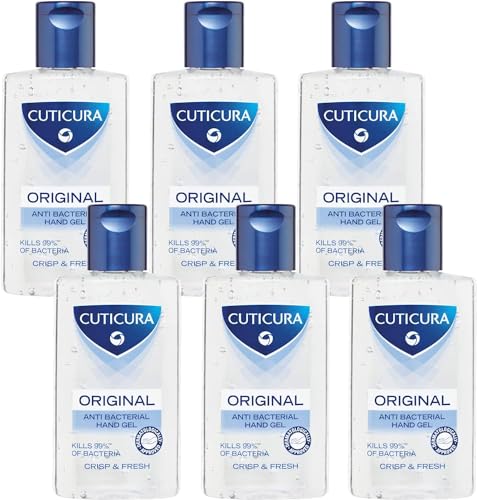
Toilets still work as long as you can refill the cistern. Keep a bucket handy and flush only when necessary using stored or grey water, such as leftover washing-up or bath water, poured firmly into the pan or the cistern. The saying 'if it's yellow, let it mellow' helps conserve flushes during a long outage. For handwashing, an alcohol-based hand sanitiser and a supply of wet wipes will keep germs at bay when soap and running water are not available.
Good hygiene matters most around food and after using the toilet, so keep sanitiser near both the kitchen and the bathroom. Use disposable plates and cutlery if washing up is difficult, and store any dirty items in a lidded container to keep smells and flies down. Nitrile gloves are useful when handling waste, and any sanitary or nappy waste should be bagged and binned as normal.
When the Supply Returns
When water comes back it may look cloudy, milky or slightly discoloured at first. This is usually trapped air or disturbed sediment rather than anything dangerous. Run the cold kitchen tap gently for a few minutes until it flows clear before drinking. Milky water that clears from the bottom of the glass upwards is simply air and is harmless.
Flush through your system by running the cold taps briefly, then check the hot taps and any appliances such as washing machines and dishwashers. Clean the aerators on tap spouts if they are clogged with grit. If a boil-water notice was in place, keep boiling until your supplier confirms it has ended, even after pressure returns. Report any persistent discolouration, smell or taste to your water company.
What to Do in the First Hour
In the first hour, stay calm and work through the basics. Check several taps and ask neighbours to confirm whether it is a wider outage. Contact your water company or check its website for the cause and an estimated fix time, and note any reference number. Fill the kettle, clean pans and a few containers while any pressure remains, and locate your stored and bottled water.
Then think ahead. Set aside drinking water, keep a bucket by the toilet for flushing, and place hand sanitiser and wet wipes where you will need them. Check on elderly or vulnerable neighbours and register for supplier alerts. With a little planning, most UK water outages are a manageable inconvenience rather than an emergency.