Hiking & Hill Walking Kit
Hill walking and hiking are among the most popular outdoor activities in the UK, with millions of people taking to the trails each year across the Lake District, Snowdonia, the Scottish Highlands, the Brecon Beacons, and the Pennine Way. However, the UK's upland terrain demands respect — weather conditions on high ground can change with astonishing speed, turning a pleasant summer walk into a fight for survival. Mountain Rescue England and Wales responds to over 3,000 incidents each year, many of which involve walkers who set out in good conditions but were caught by sudden mist, driving rain, or plummeting temperatures. The Scottish Highlands present additional challenges with their remoteness, with some peaks a full day's walk from the nearest road.
Navigation skills and equipment are absolutely critical for anyone venturing onto UK hills and mountains. While GPS devices and smartphone apps like OS Maps and ViewRanger are excellent tools, they should never be your sole means of navigation — batteries die, screens crack, and satellite signals can be unreliable in deep valleys and narrow corries. A 1:25,000 Ordnance Survey map and a quality compass remain the gold standard for UK hill navigation, and every walker should know how to take a bearing and navigate in poor visibility. Many mountain rescue callouts are triggered by walkers who became lost after their phone ran out of battery, a situation that is entirely preventable with proper preparation.
A comprehensive hiking kit for UK conditions should be built around the principle of layering — a moisture-wicking base layer, an insulating mid layer, and a waterproof and windproof outer shell. Conditions above 600 metres can be dramatically different from those at the car park, with wind chill reducing the effective temperature by ten degrees or more. Carry a survival bag or bivvy bag, a head torch with spare batteries, a whistle for signalling distress (six blasts repeated at one-minute intervals is the international mountain distress signal), and sufficient food and water for your planned route plus extra in case of delays. Always leave a route card with a responsible person and carry an emergency contact card in your rucksack.
This page contains affiliate links. We may earn a commission at no extra cost to you.

Tick as you go.
See what you're missing.
Water & Hydration
2 items
Portable water filtration for safe drinking water from any freshwater source. Removes 99.99% of bacteria and parasites.

A hydration bladder holds two or three litres inside your pack with a hose to your shoulder, so you drink steadily on the move without stopping. The easy way to carry enough water on the trail.
Navigation
3 items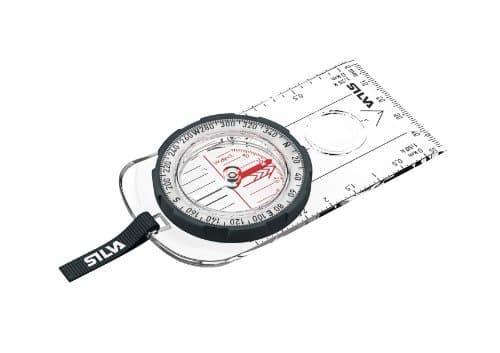
Magnetic navigation instrument for finding direction without batteries or signal. The most reliable navigation tool that exists.

A heliograph signal mirror can reflect sunlight to attract attention from aircraft and rescue teams over distances exceeding 15 kilometres. Lightweight, durable, and requires no batteries or fuel.
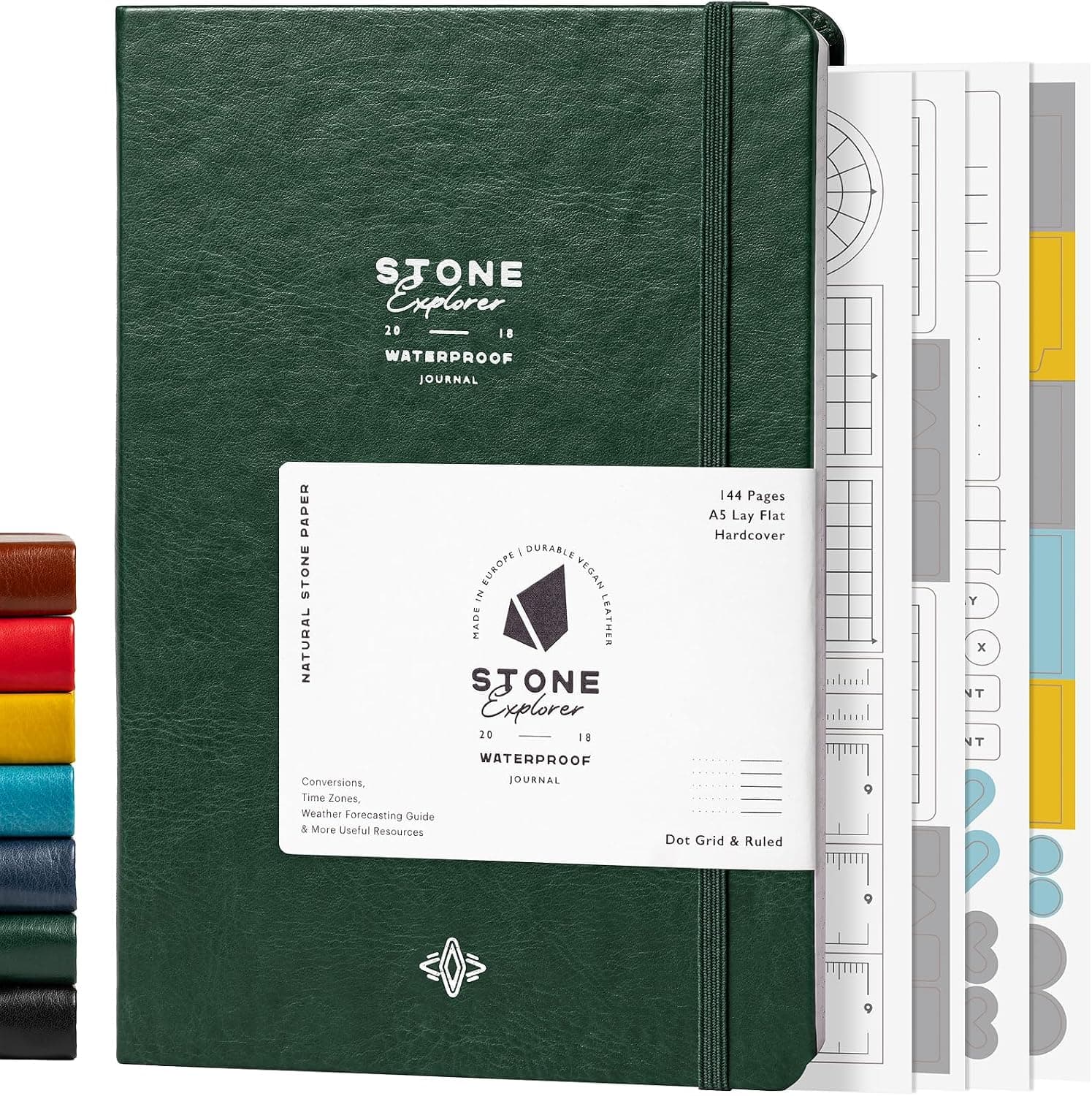
A waterproof notebook records grid references, contacts, symptoms and plans that survive rain and sweat — reliable written information when a phone can't be trusted.
First Aid
6 items
Comprehensive medical supplies for treating injuries, burns, and illnesses in the field. The most important safety item in any kit.

A trauma (Israeli) bandage combines a dressing, pressure bar and securing wrap in one, to control serious bleeding fast. The step up from plasters that could genuinely save a life.
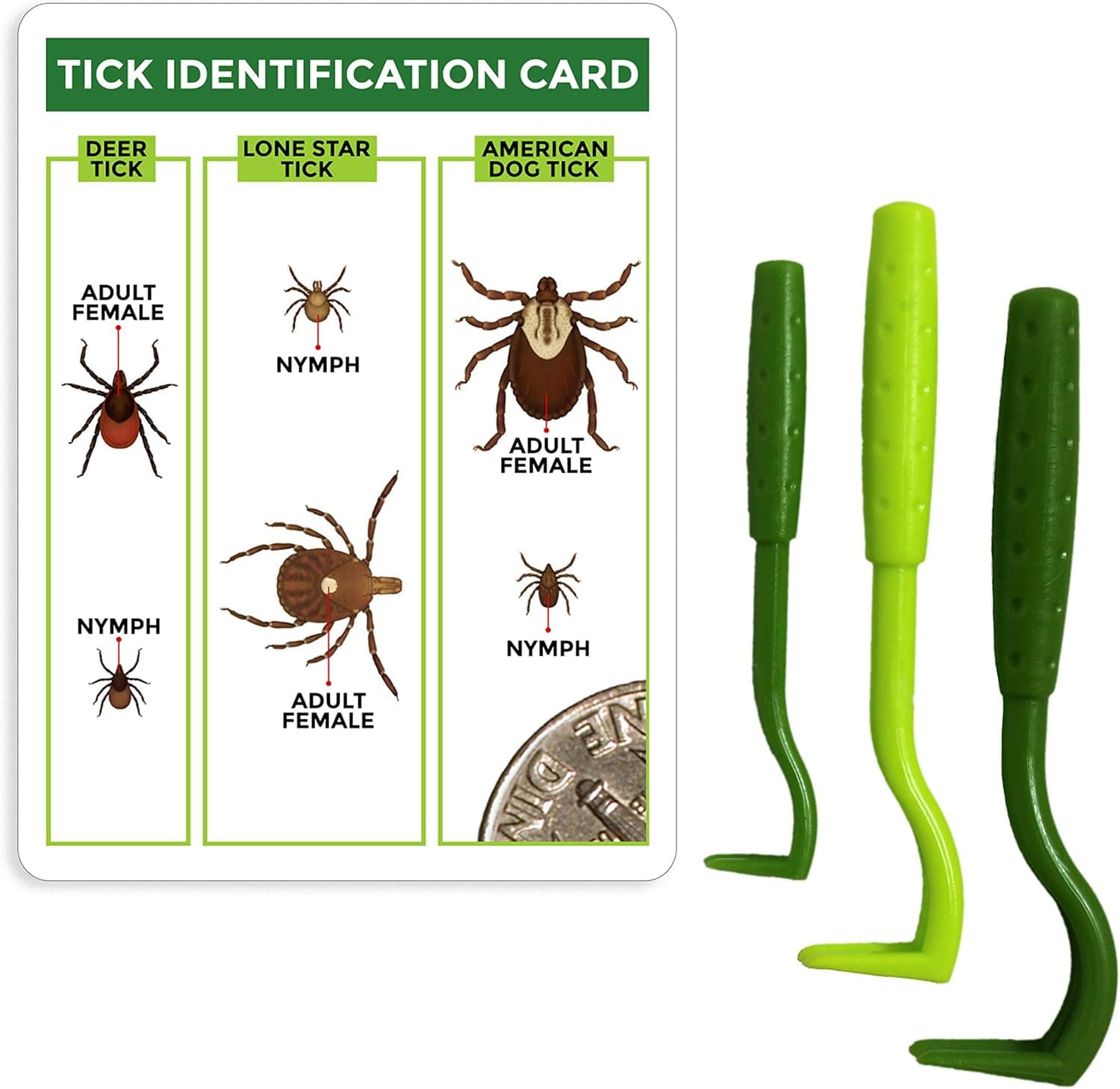
A proper tick tool removes the whole tick — head included — cleanly and quickly, cutting the risk of Lyme disease that squeezing with fingers or tweezers makes worse.
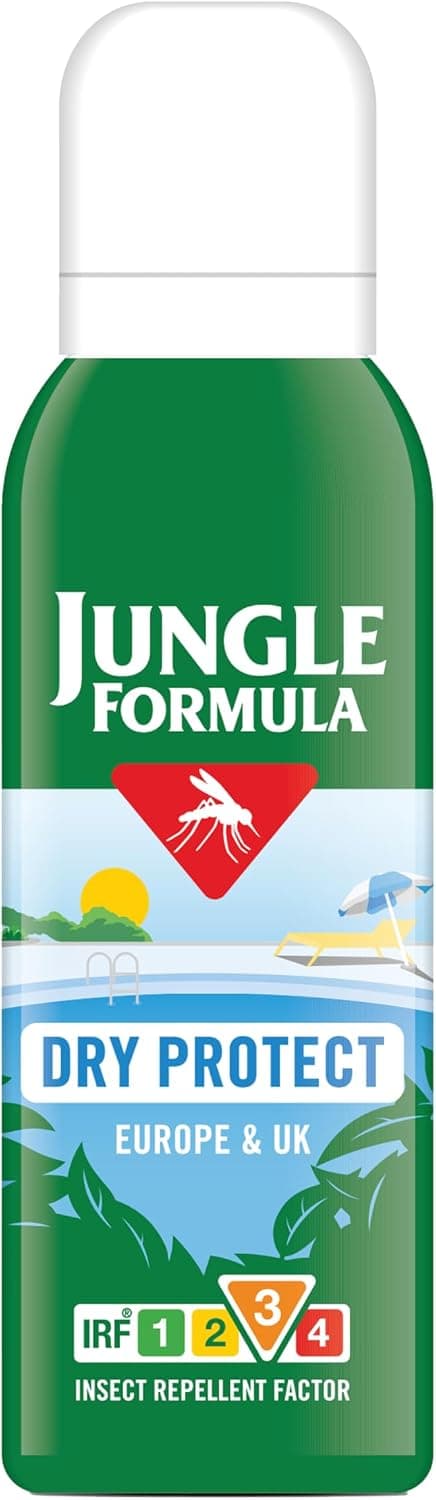
Repellent keeps biting insects — and the ticks and diseases some carry — off your skin, turning a miserable, bite-covered outing into a bearable one.
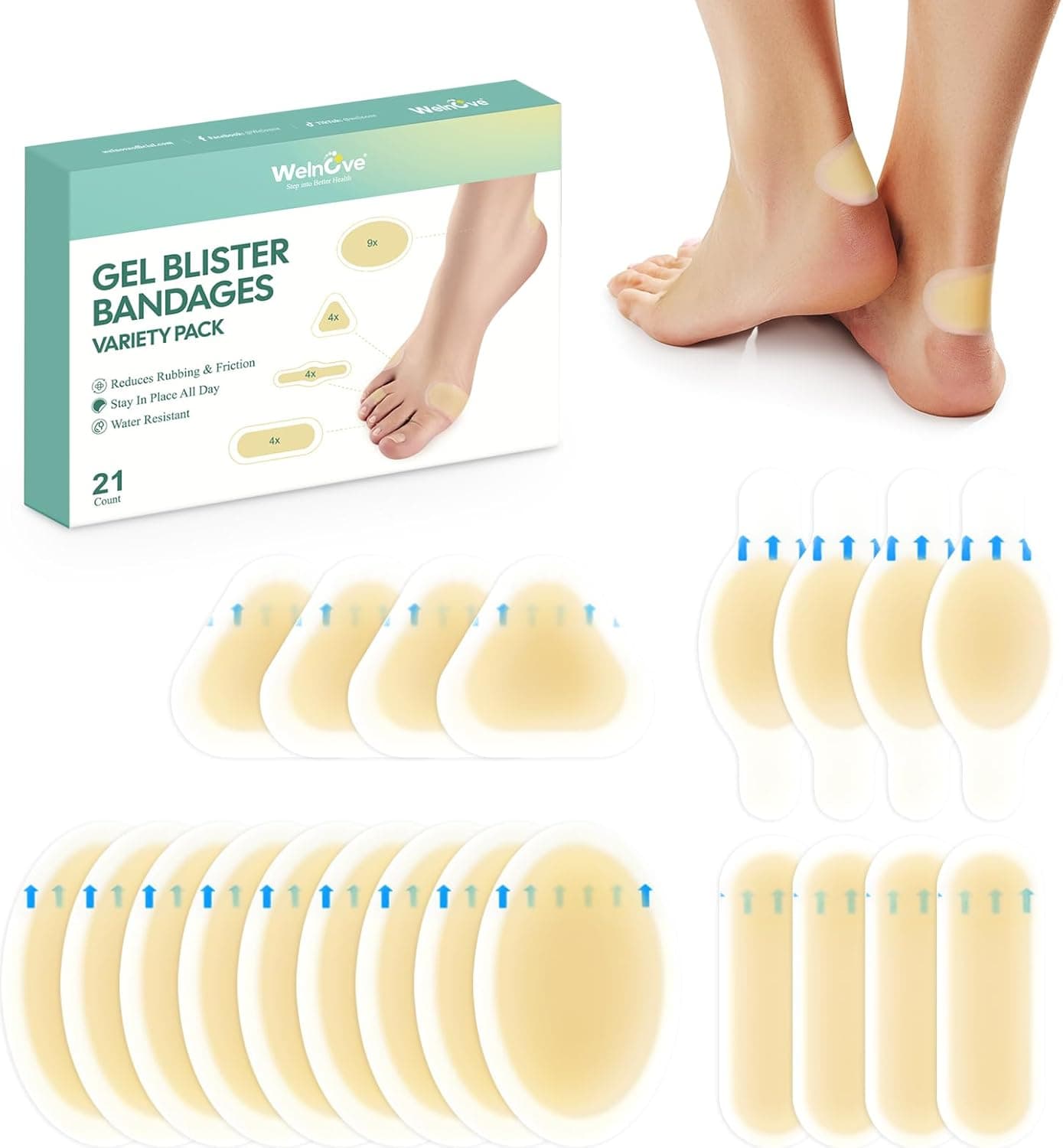
Hydrocolloid blister plasters cushion and heal blisters fast — the small item that keeps a minor foot problem from ending your walk or grounding you when you need to move.
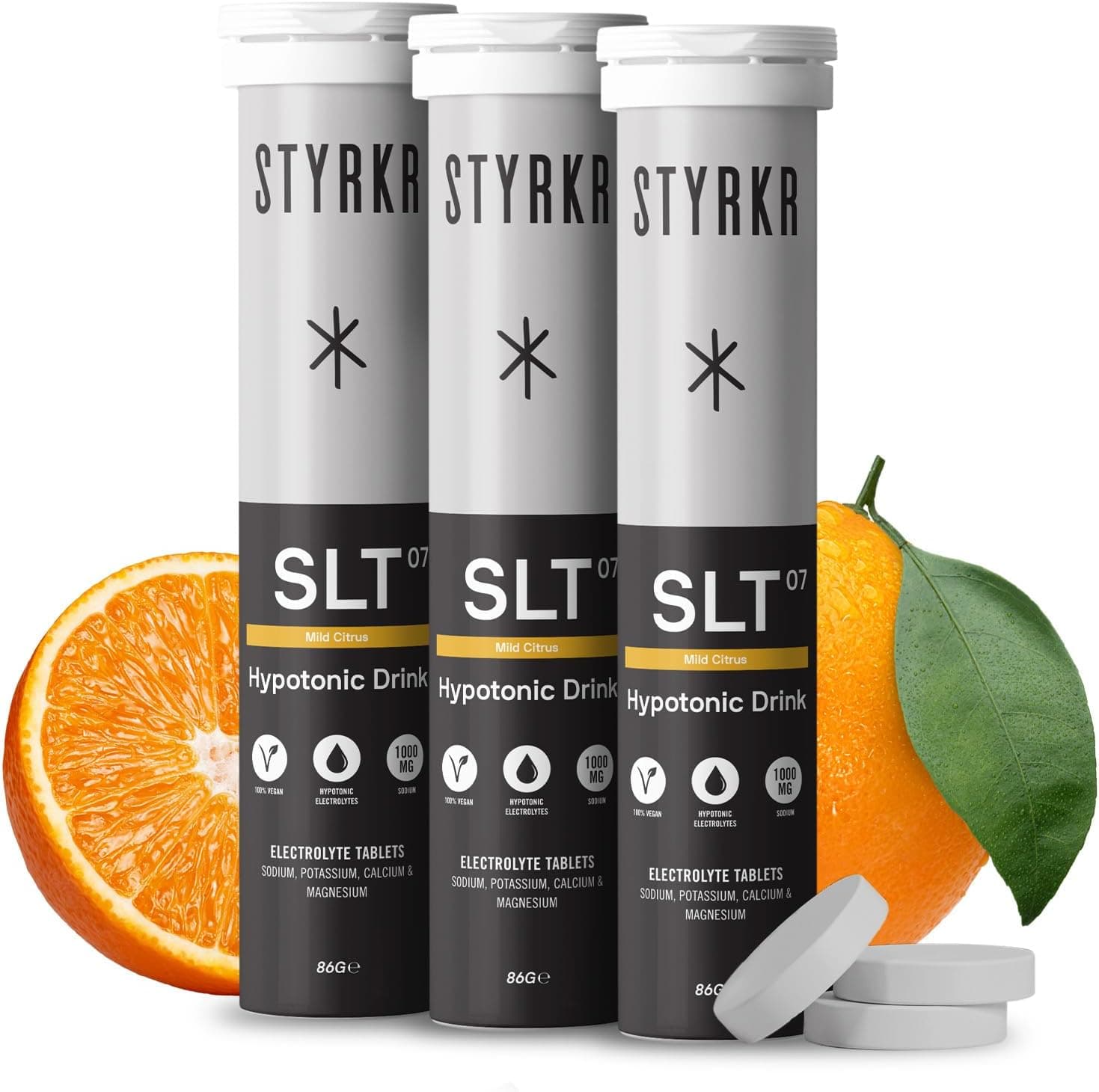
Electrolyte rehydration salts replace what heavy sweating, sickness or diarrhoea strip out — restoring you far faster than water alone when dehydration sets in.
Shelter
2 items
Compact thermal blanket that reflects up to 90% of body heat. Weighs under 60g and fits in your pocket.
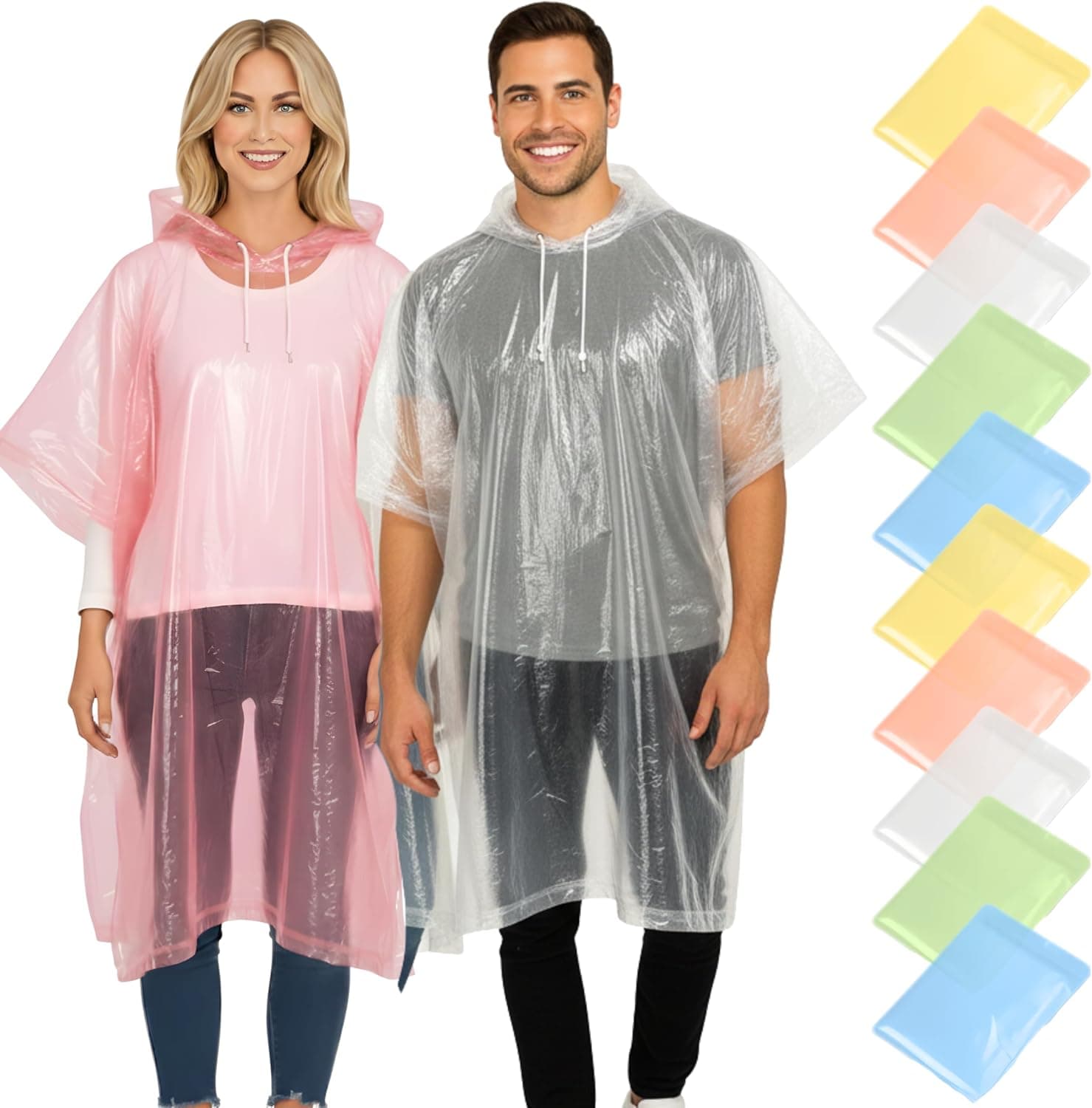
A packable poncho keeps you and your pack dry in a downpour and doubles as an emergency shelter or ground sheet — a lot of usefulness for almost no weight.
Lighting
1 item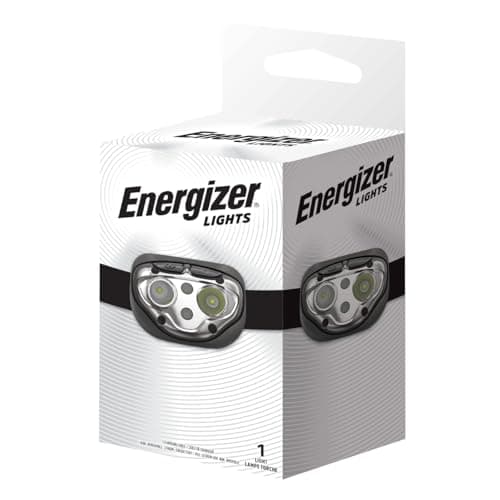
A reliable LED headlamp provides hands-free illumination for navigating, setting up camp, and performing tasks in darkness. Essential kit for any UK survival scenario where torchlight alone won't cut it.
Communication
3 items
A high-decibel survival whistle carries further than the human voice and requires minimal energy to use. The simplest and most reliable signalling device for attracting rescue in any conditions.

When phone networks are down or you're out of signal, two-way radios keep your group in contact. Essential for coordinating a family, a hiking party, or neighbours during an outage.
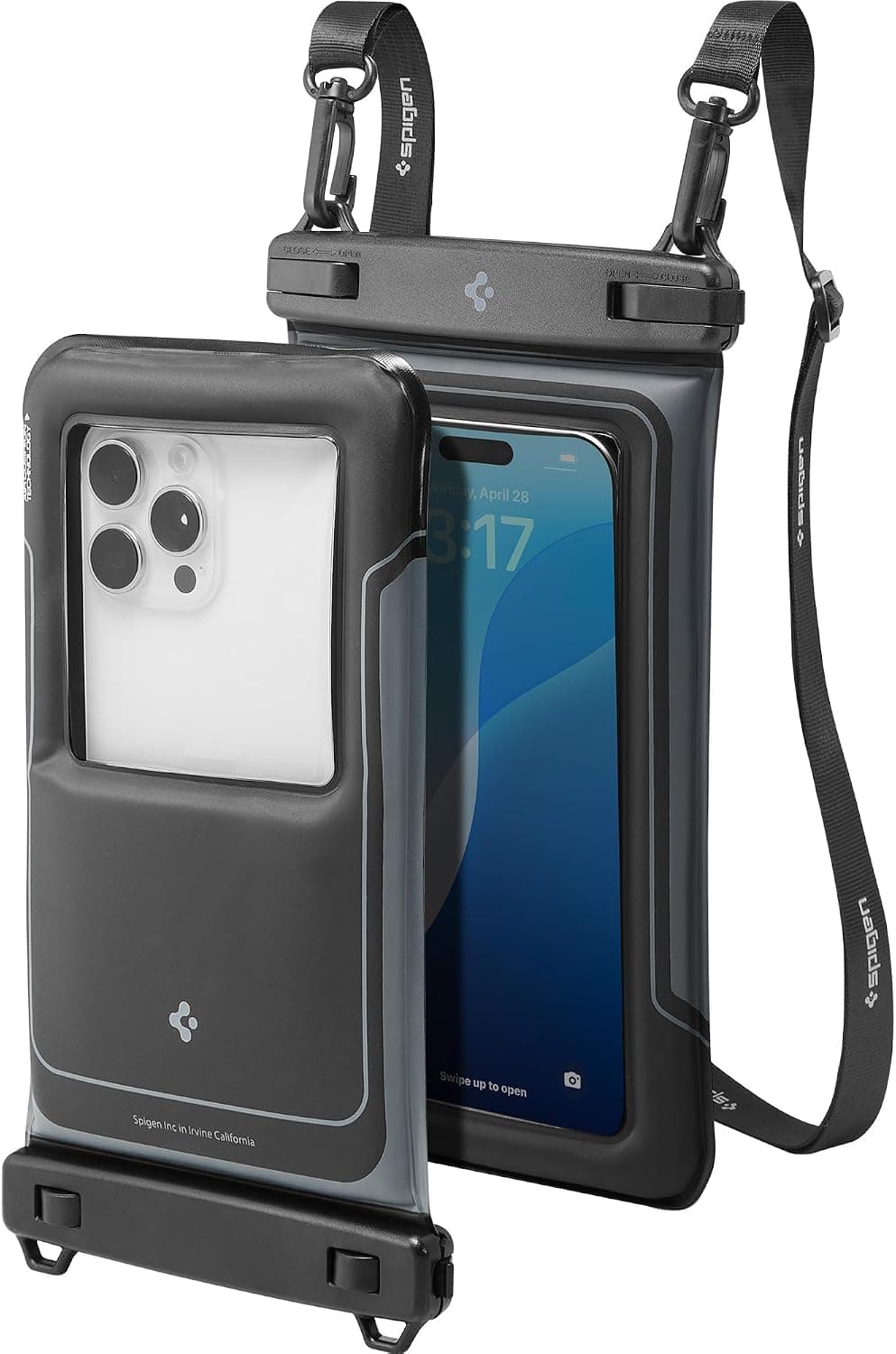
A sealed pouch keeps your phone — your lifeline for calls, maps and alerts — dry and working through rain, spray and accidental dunks.
Tools
5 items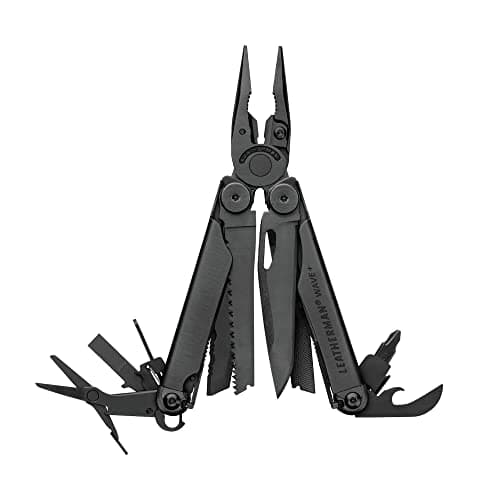
A quality multi-tool combines pliers, knife blades, screwdrivers, and other implements into a single compact unit. The Swiss Army knife's more robust cousin and an indispensable survival companion.

A fixed-blade survival knife is the single most versatile tool you can carry — for food prep, cutting cordage, making fire feathers, and countless field tasks. Choose a full-tang blade you can rely on when it matters.
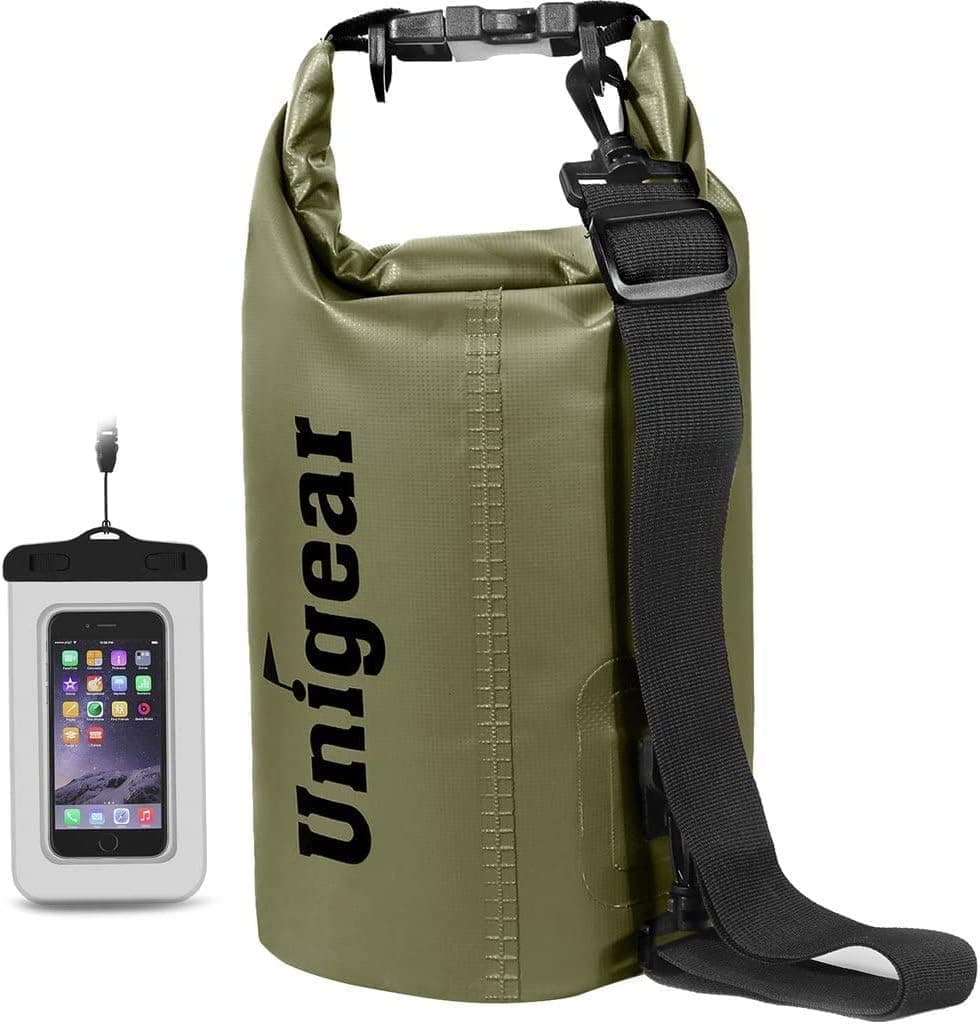
A roll-top dry bag keeps spare clothes, electronics and food genuinely dry when a rucksack or boot can't — the difference between a warm night and a wretched one.
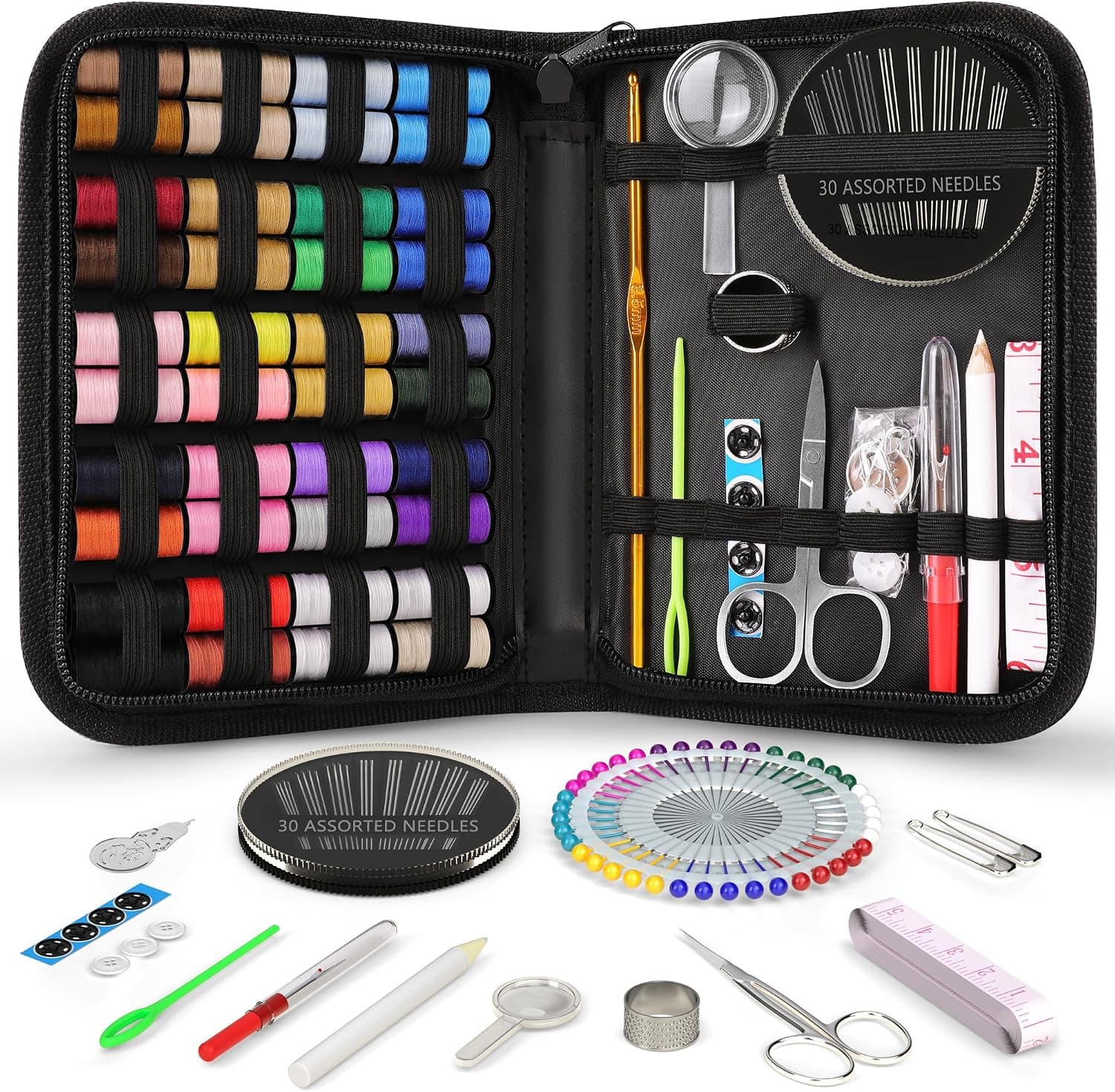
A compact sewing kit mends torn clothing, packs and gear on the spot — keeping the things that keep you warm and dry doing their job instead of failing you.
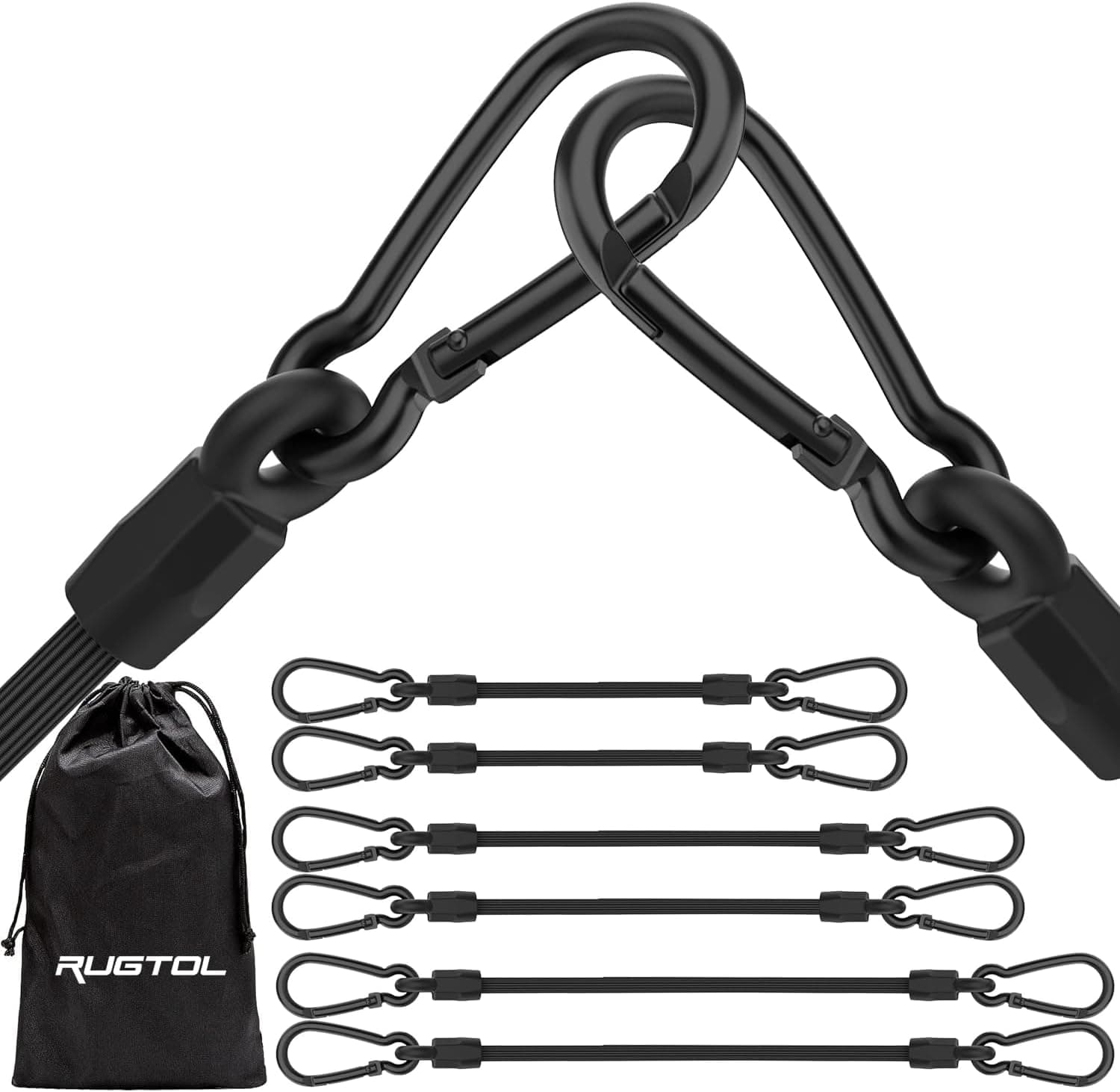
Elasticated bungee cords with hooks secure loads, rig shelters and strap gear down fast — reusable tension you can apply and release in seconds.
Warmth
2 items
A self-inflating sleeping mat insulates you from the cold ground, which matters more for a warm night than the sleeping bag alone. The difference between a comfortable night and a shivering one.
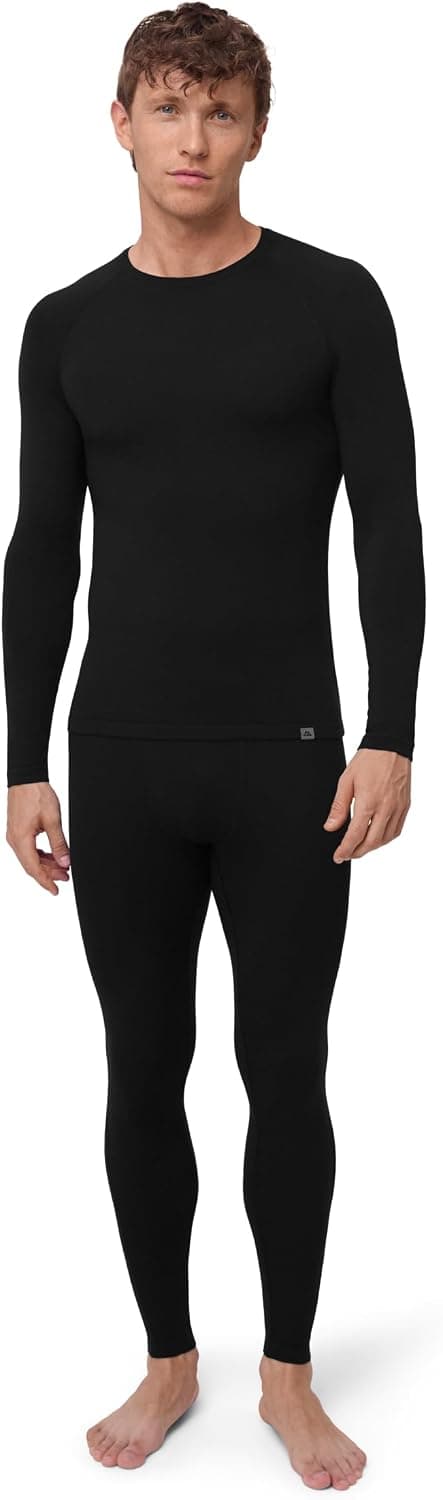
A close-fitting top and leggings worn next to the skin that trap warmth and move sweat away — the foundation of staying warm outdoors or through a cold power cut, and far more effective than piling on cotton.
Fire & Cooking
2 items
A screw-fit gas canister is the fuel a portable stove actually needs — carry spares and hot food or a hot drink is always within reach, whatever the weather.
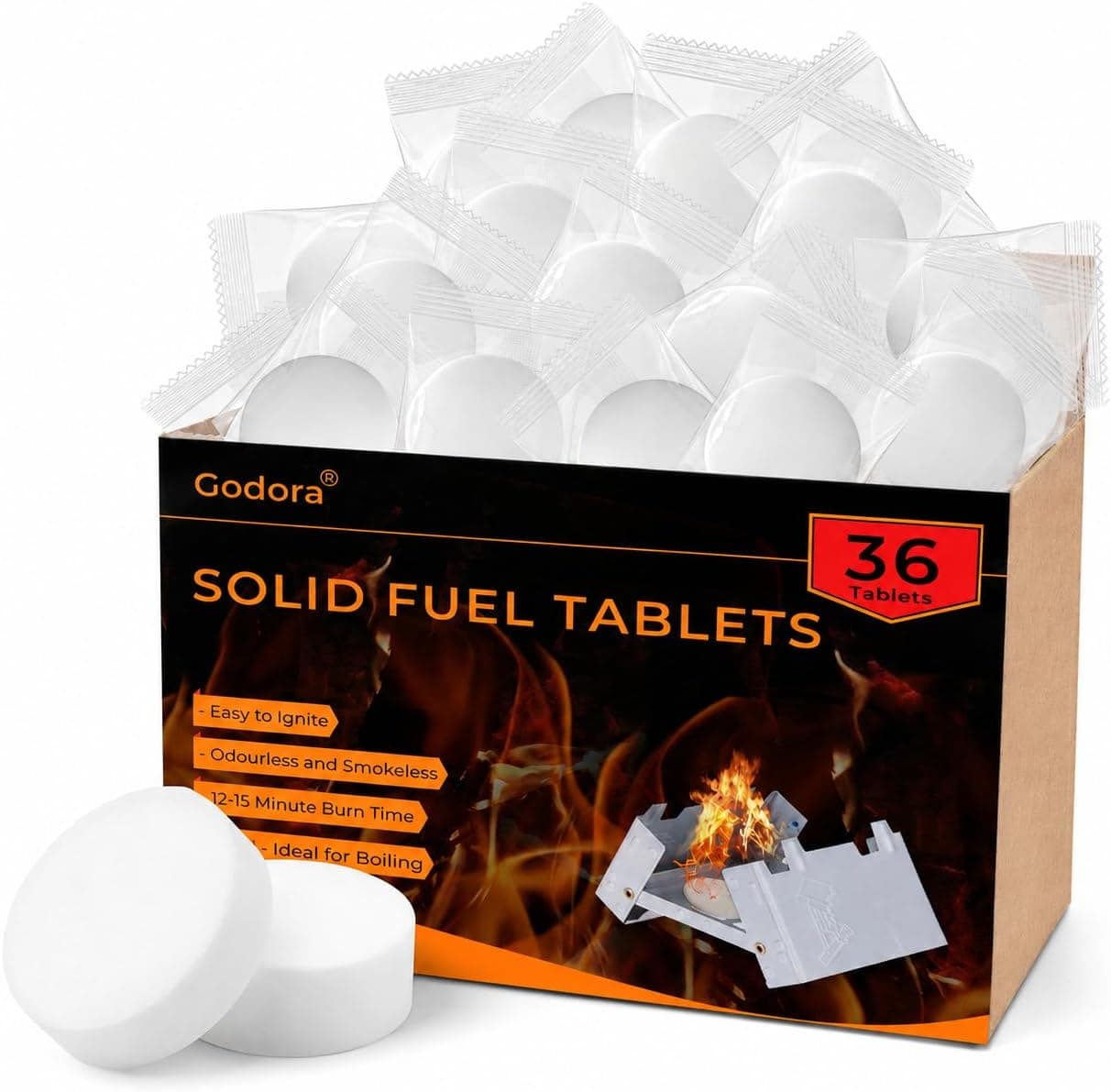
Solid fuel tablets light easily, burn hot and store for years — a compact, foolproof way to boil water or cook when there's no gas and the weather's against you.
Food
1 item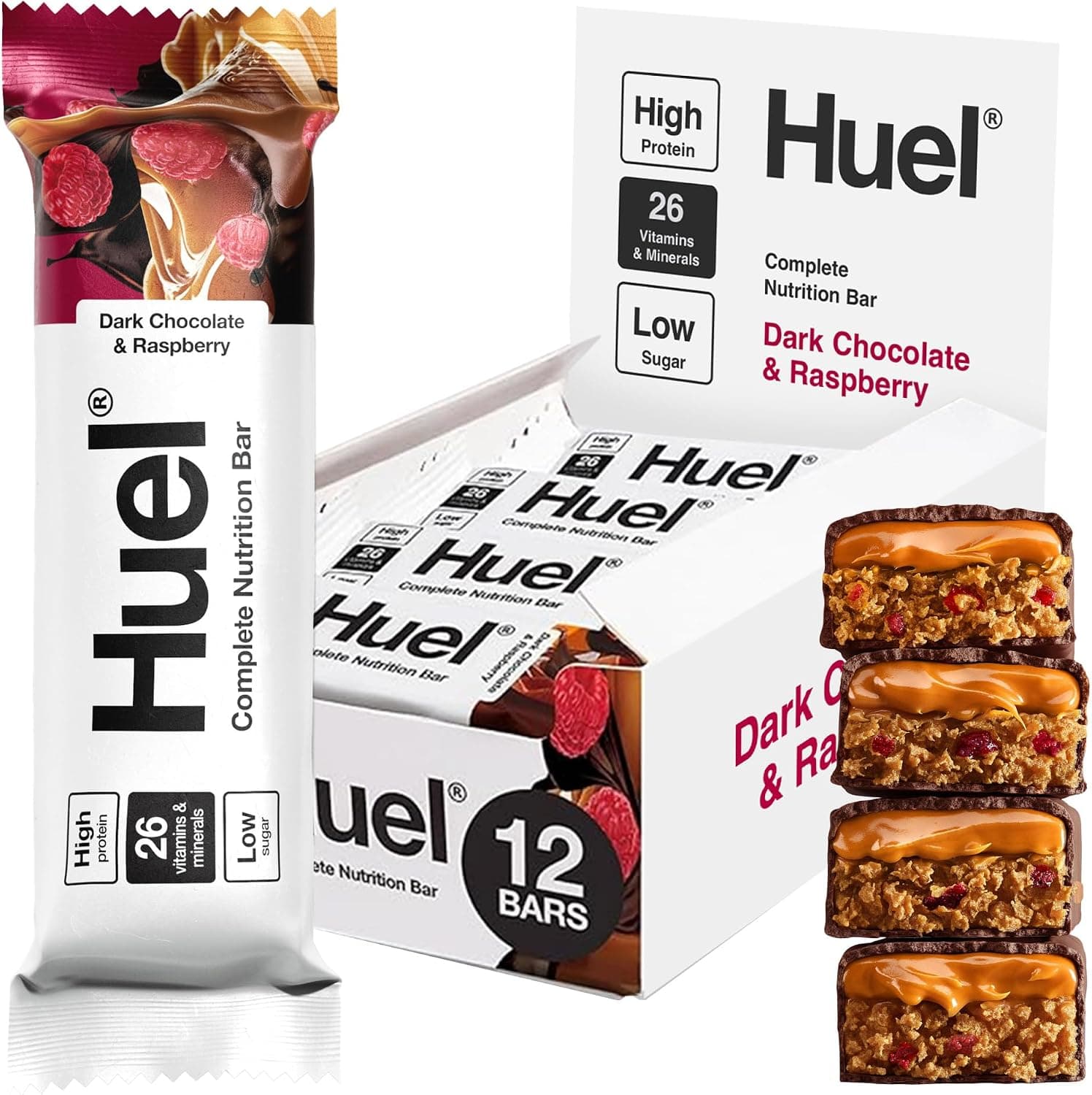
Calorie-dense energy bars need no cooking and store for months — fast fuel for a long day, a delayed journey, or the first hours of an emergency.
Where it goes,
how often you check it.
One box, one place
A 50L Really Useful Box, kept dry, out of sunlight, accessible without a torch.
Quarterly check-in
Calendar reminder for the first weekend of January, April, July, October. 10 minutes.
Rotate the perishables
Water tanks every 6 months, food rations on best-before, batteries every 5 years.
More preparedness guides.

Navigation Without GPS: Map and Compass Skills for UK Walkers
Master traditional navigation skills using Ordnance Survey maps and a baseplate compass — essential backup skills for when your phone battery dies on the British hills.

The Complete Guide to Building Your First Survival Kit
Everything you need to know about assembling a reliable survival kit for UK conditions — from essential gear categories to budget-friendly options and proper storage.


