Beginner's Survival Kit
Starting your preparedness journey can feel overwhelming when you see the vast range of survival gear available online, much of it marketed with dramatic language and eye-watering price tags. The truth is that effective emergency preparedness does not require spending hundreds of pounds or filling a garage with specialised equipment. The best approach for beginners is to start with the fundamentals and build gradually, gaining confidence and knowledge as you go. The traditional 5 C's of survival — cutting tool, combustion (fire-starting), cover (shelter), container (for water), and cordage (rope or paracord) — provide an excellent framework for building your first kit, and every item can be sourced affordably from UK retailers such as Argos, Decathlon, Go Outdoors, or even Poundland.
A sensible beginner's kit for UK conditions should be practical rather than tactical. You do not need a military-grade survival knife — a sturdy folding knife with a blade under three inches (legal to carry in the UK without specific reason) will handle most tasks. A ferro rod and waterproof matches provide reliable fire-starting capability, while a simple foil emergency blanket costing less than two pounds can reflect up to ninety percent of your body heat back to you. A stainless steel water bottle doubles as a container for boiling water to make it safe to drink, and a few metres of paracord can be used for everything from rigging a tarp shelter to replacing a broken bootlace. These five items together cost under twenty pounds and fit easily into a jacket pocket or small pouch.
Beyond assembling your kit, the most valuable investment a beginner can make is in knowledge and practice. Attend a basic outdoor first aid course — organisations like St John Ambulance and the Red Cross run affordable one-day courses across the UK. Learn to read an Ordnance Survey map and use a compass before you need to rely on them in poor visibility. Practise lighting a fire in wet conditions in your garden before you need to do it on a cold hillside. Join a local walking group, bushcraft club, or Scout/Guide volunteer network to learn from experienced outdoors people in a supportive environment. The gear in your kit is only as useful as your ability to use it confidently under pressure, and that confidence comes only through regular practice.
This page contains affiliate links. We may earn a commission at no extra cost to you.

Tick as you go.
See what you're missing.
Water & Hydration
1 item
Portable water filtration for safe drinking water from any freshwater source. Removes 99.99% of bacteria and parasites.
First Aid
5 items
Comprehensive medical supplies for treating injuries, burns, and illnesses in the field. The most important safety item in any kit.

A fire blanket smothers a small kitchen or chip-pan fire in seconds, before it spreads. One of the cheapest, most overlooked safety items a home can have.
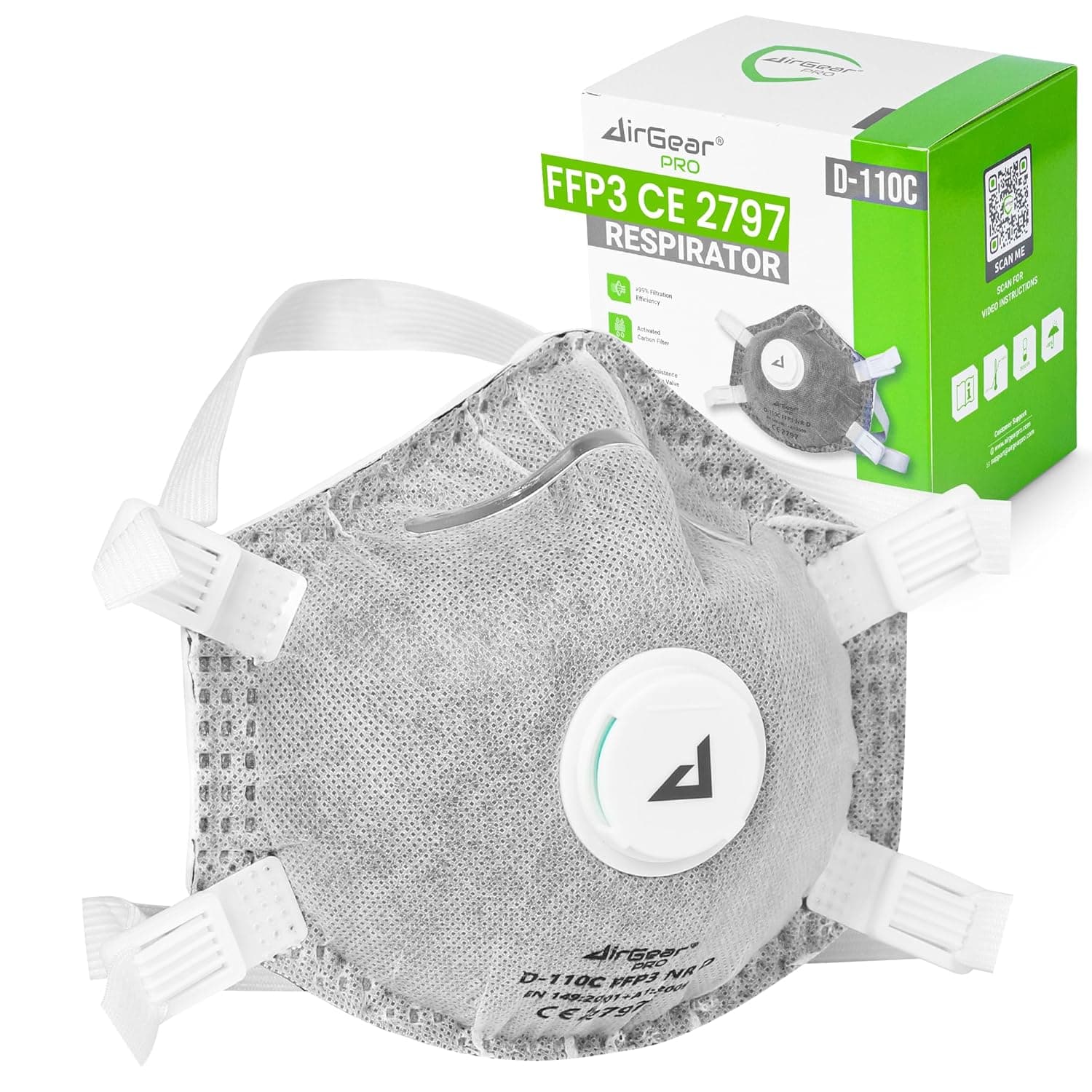
A properly rated FFP3 mask filters fine dust, smoke and airborne particles — the one that actually protects you when the air turns bad, unlike a loose surgical mask.
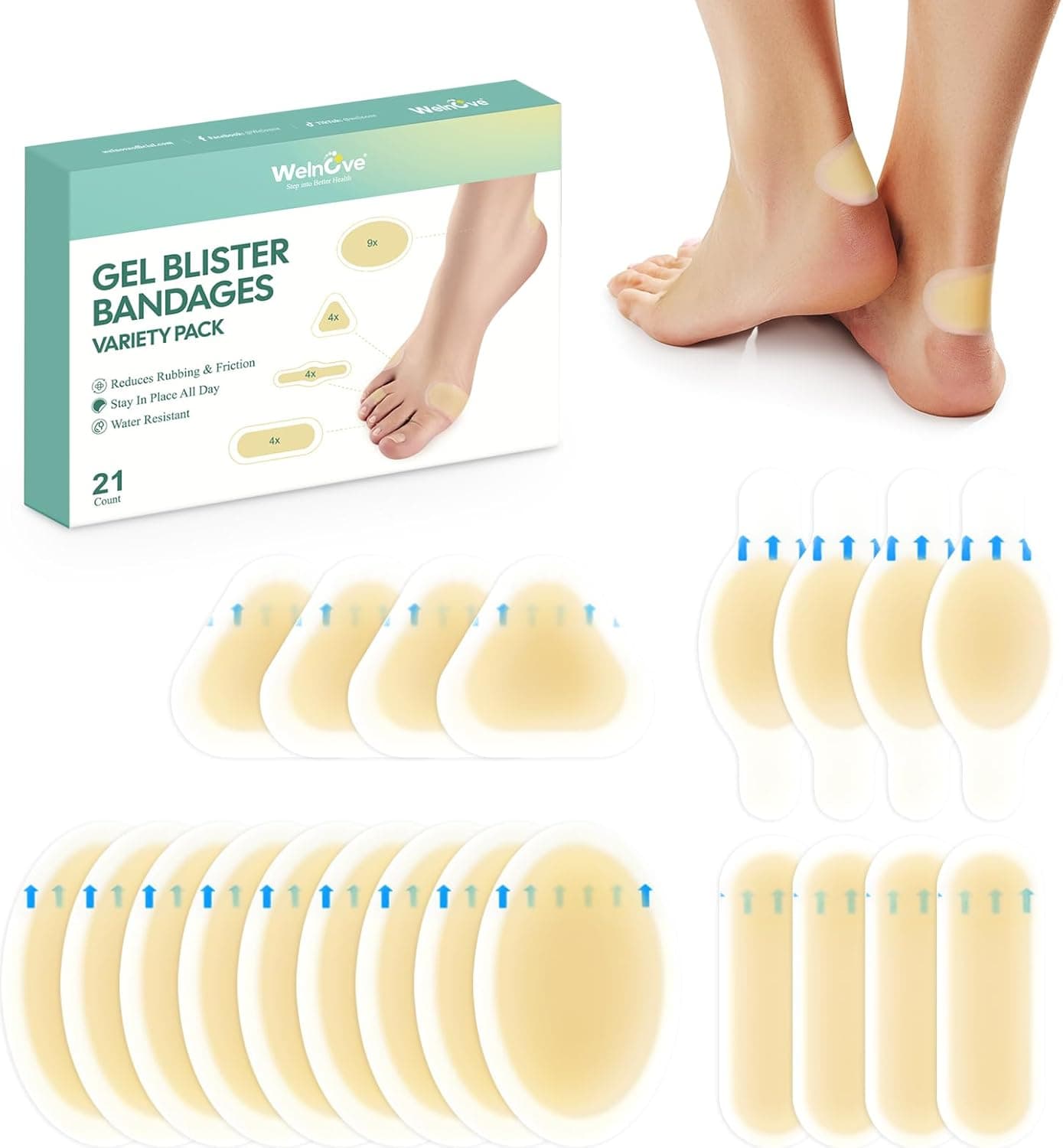
Hydrocolloid blister plasters cushion and heal blisters fast — the small item that keeps a minor foot problem from ending your walk or grounding you when you need to move.
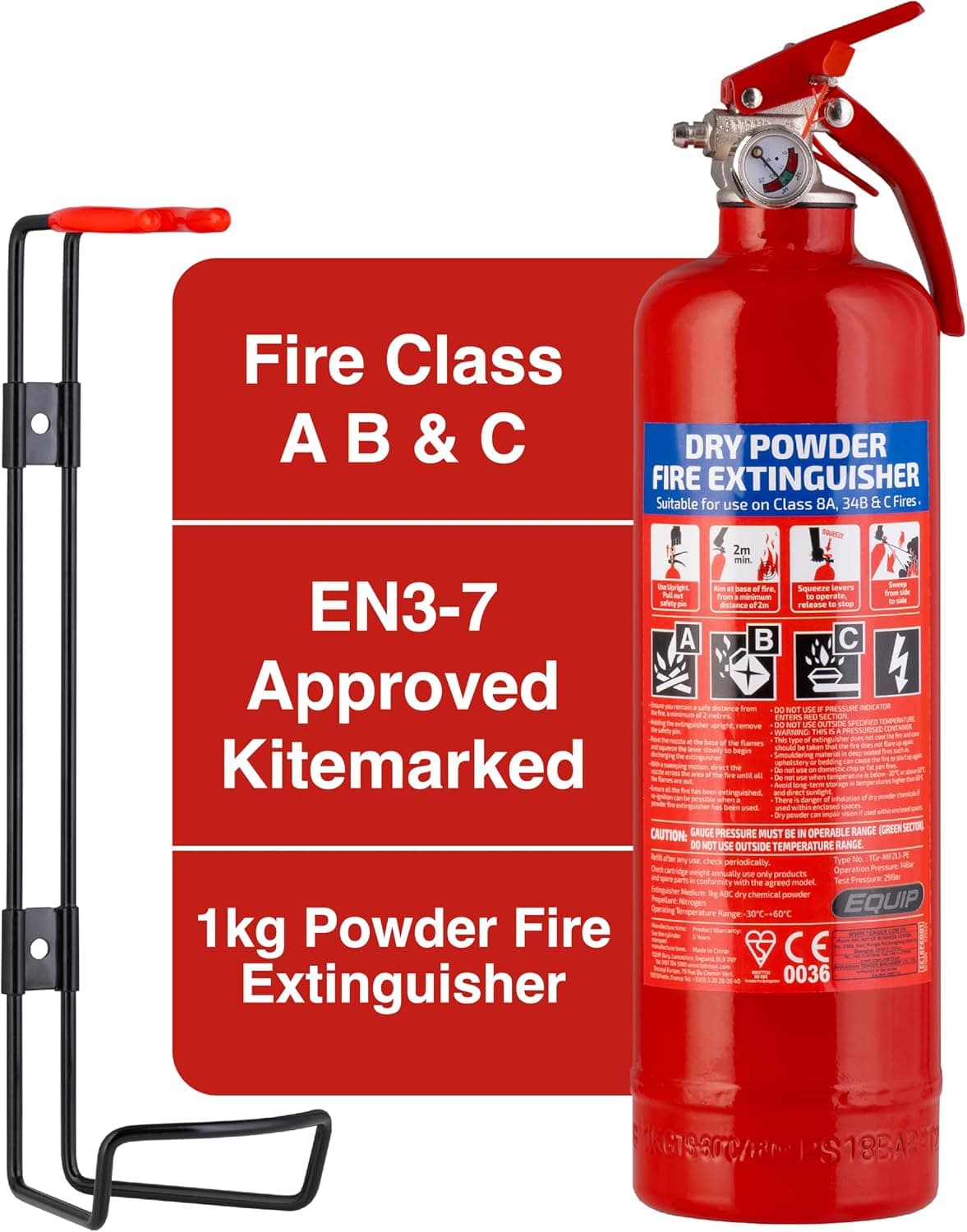
A small ABC dry powder extinguisher tackles the fires a home is most likely to face — electrical, cooking and general — buying you the seconds to put it out or get everyone out safely.
Shelter
1 item
Compact thermal blanket that reflects up to 90% of body heat. Weighs under 60g and fits in your pocket.
Lighting
1 item
Handheld LED flashlight providing reliable illumination. Essential for navigation, signalling, and camp tasks after dark.
Fire & Cooking
1 item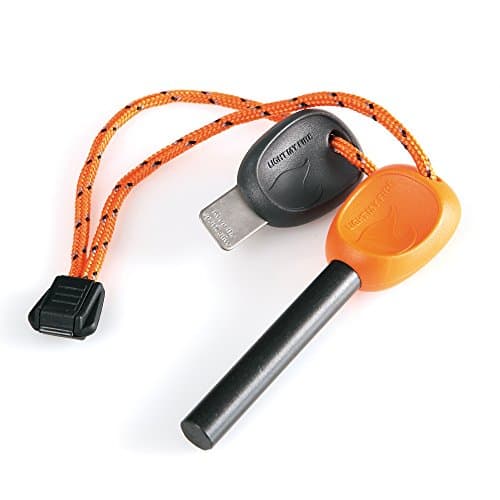
Ferrocerium rod that produces sparks over 3,000°C when struck. Works wet, lasts thousands of strikes.
Navigation
2 items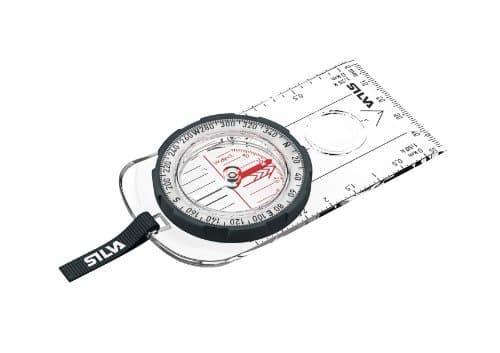
Magnetic navigation instrument for finding direction without batteries or signal. The most reliable navigation tool that exists.
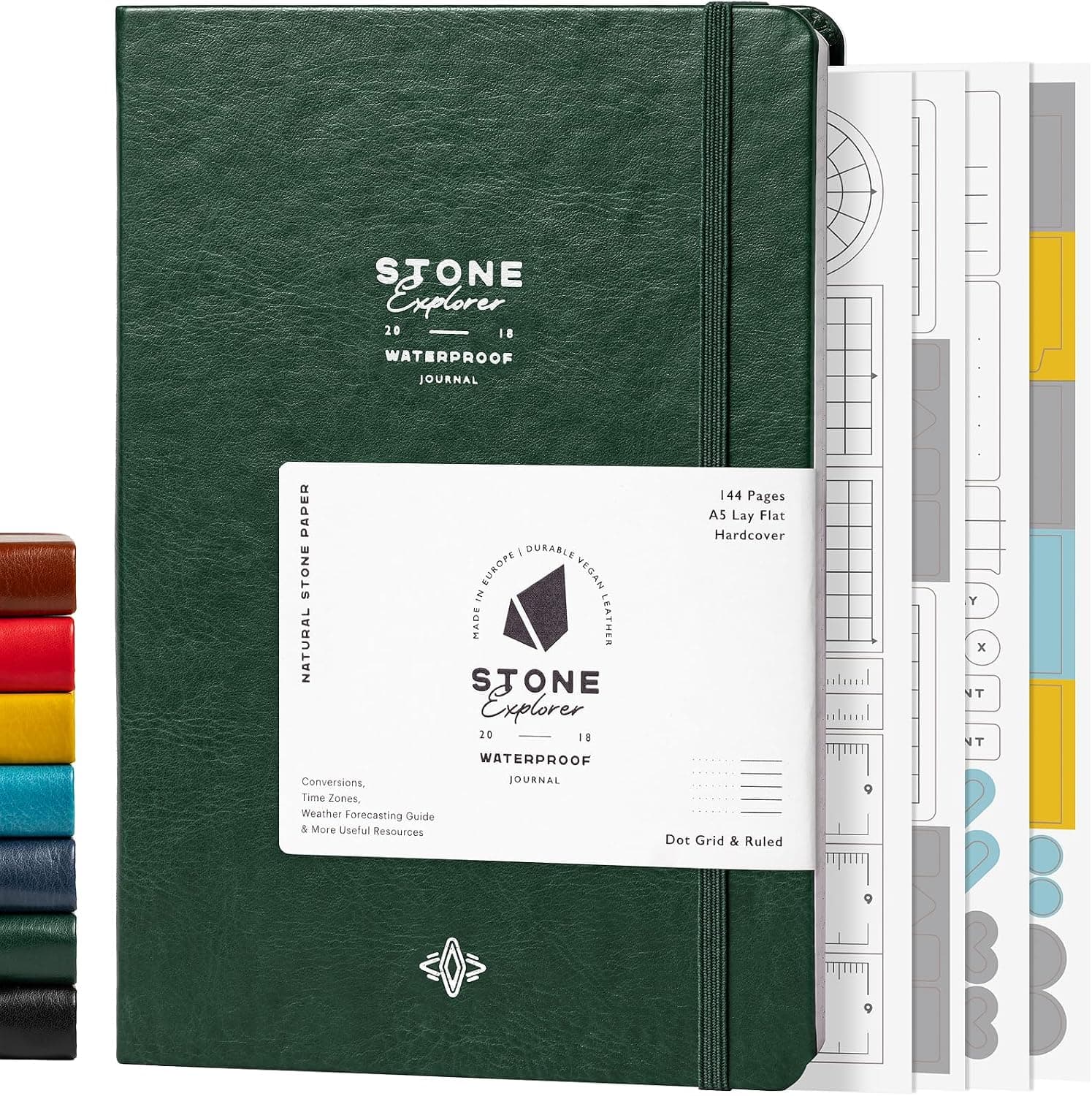
A waterproof notebook records grid references, contacts, symptoms and plans that survive rain and sweat — reliable written information when a phone can't be trusted.
Tools
6 items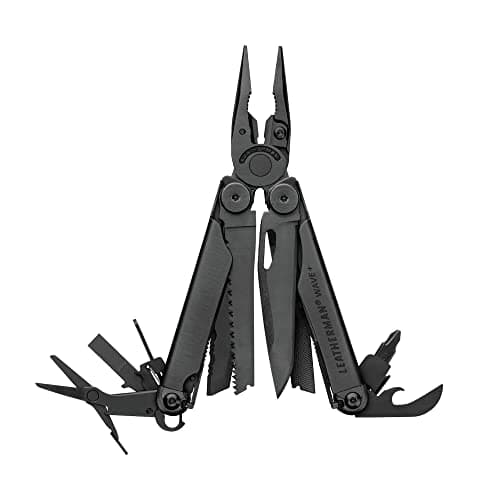
A quality multi-tool combines pliers, knife blades, screwdrivers, and other implements into a single compact unit. The Swiss Army knife's more robust cousin and an indispensable survival companion.

A fixed-blade survival knife is the single most versatile tool you can carry — for food prep, cutting cordage, making fire feathers, and countless field tasks. Choose a full-tang blade you can rely on when it matters.

A pair of tough leather work gloves protects your hands clearing debris, handling glass, changing a tyre or gripping a jump-starter cable. Cheap protection for the jobs bare hands shouldn't do.
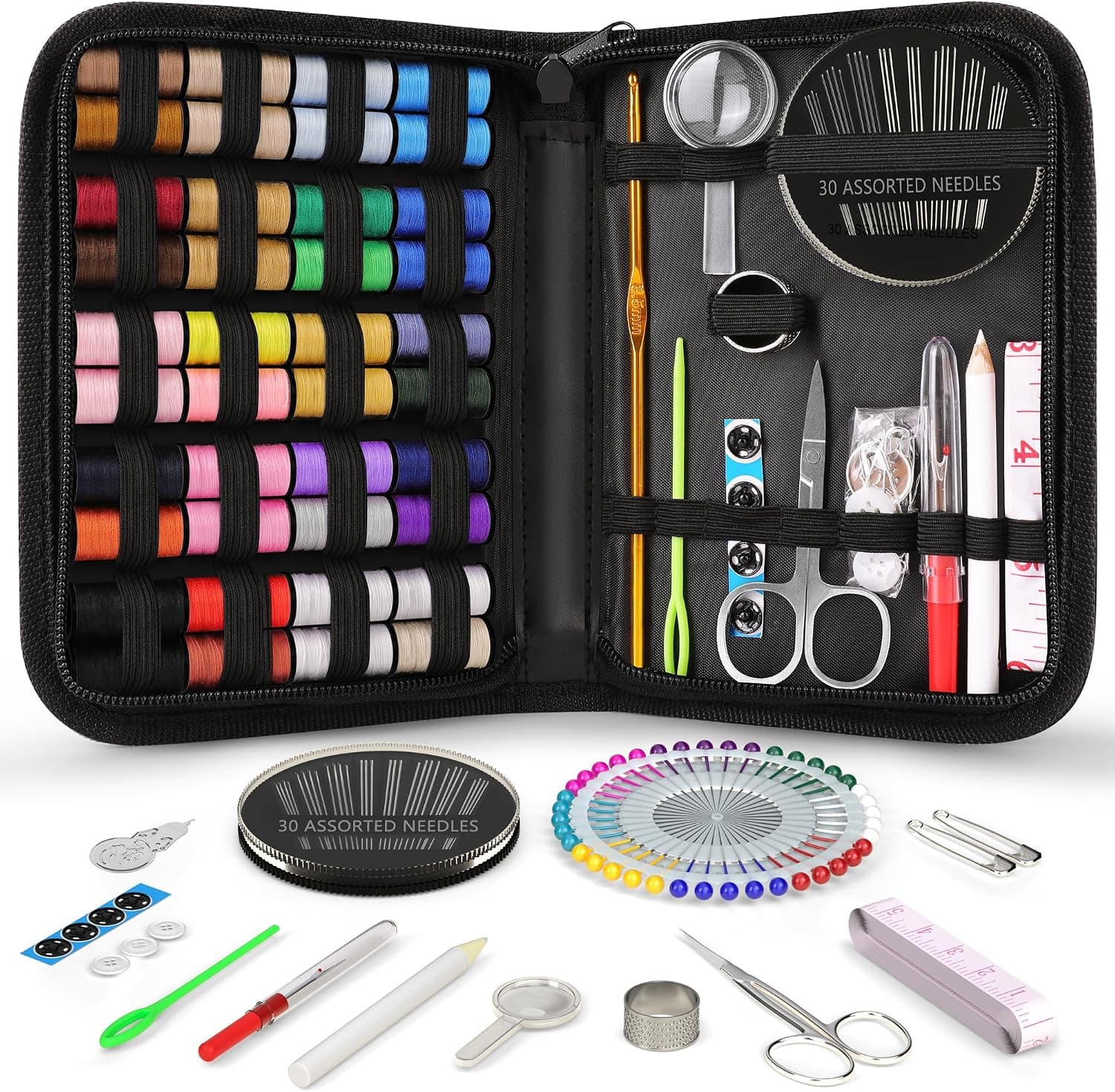
A compact sewing kit mends torn clothing, packs and gear on the spot — keeping the things that keep you warm and dry doing their job instead of failing you.
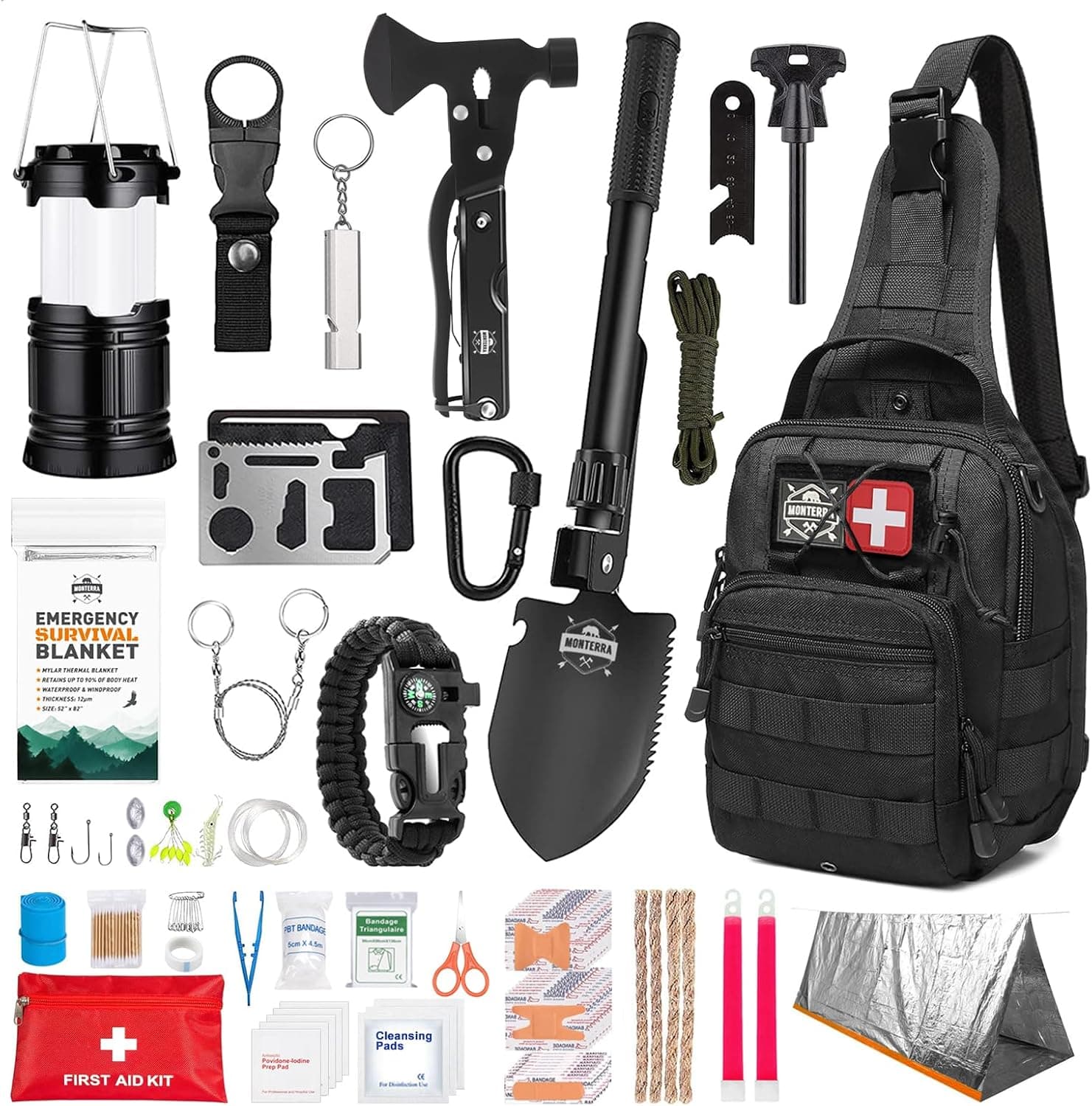
A pre-packed box of survival and first aid basics in one bag. A fast, affordable way to start — best used as a foundation you check, top up and personalise, not a finished emergency plan.
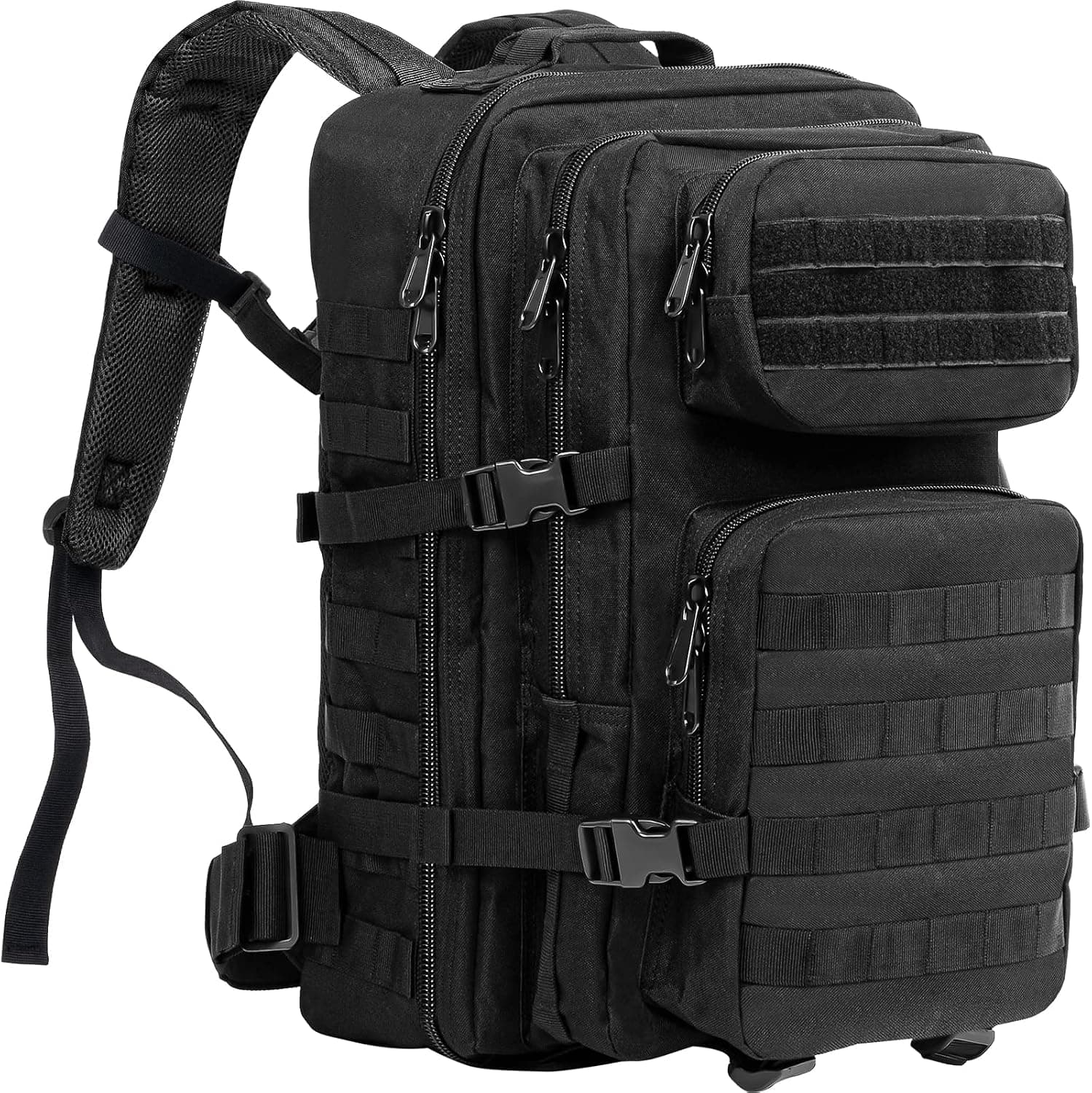
The bag the whole grab-and-go idea depends on — a tough, comfortable rucksack that holds your emergency kit ready by the door, so you can leave in seconds if you're told to evacuate.
Communication
1 item
A high-decibel survival whistle carries further than the human voice and requires minimal energy to use. The simplest and most reliable signalling device for attracting rescue in any conditions.
Where it goes,
how often you check it.
One box, one place
A 50L Really Useful Box, kept dry, out of sunlight, accessible without a torch.
Quarterly check-in
Calendar reminder for the first weekend of January, April, July, October. 10 minutes.
Rotate the perishables
Water tanks every 6 months, food rations on best-before, batteries every 5 years.
More preparedness guides.

The Complete Guide to Building Your First Survival Kit
Everything you need to know about assembling a reliable survival kit for UK conditions — from essential gear categories to budget-friendly options and proper storage.

Best Survival Kit Items for Beginners
Starting your preparedness journey? Here are the most important items to include in your very first survival kit.

How to Build an Emergency Water Supply at Home (UK Guide)
A calm, practical UK guide to storing emergency water: how much to keep per person, the safest food-grade containers, where to store it and how to rotate and treat it.


