Everyday carry — usually shortened to EDC — is a different idea from a bug-out bag or a home emergency kit. It's not a bag you grab in a crisis; it's the small, low-key set of items you actually have on you, every ordinary day, that quietly solves the small problems life throws up — a dead phone, a stuck zip, a splinter, a walk home after dark. Done well, it's barely noticeable in your pocket or bag, but it means you're rarely caught out. This guide covers what's worth carrying and why, without tipping into the kind of bulky kit you'd only wear on a hike.
EDC vs a bug-out bag — what's the difference?
A bug-out bag is built for a specific scenario: you grab it and leave, so it's packed with food, water, shelter and spare clothing for 24–72 hours. EDC is the opposite end of the scale — items light and small enough to live in your pocket, bag or on your keyring permanently, aimed at the dozens of minor daily snags rather than a single big event. The two complement each other: your EDC is what you have on you the moment something happens, before you've had any chance to reach a bag at all.
The core four: light, cut, fix, charge
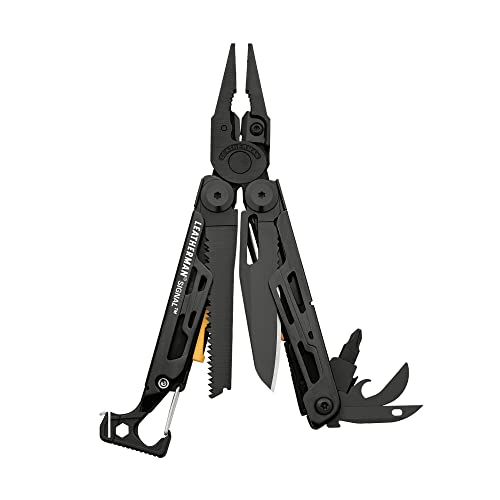
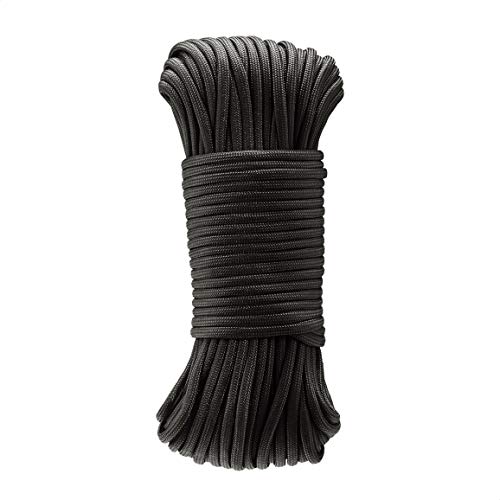
Most useful EDC kits boil down to four jobs. For light, a small torch or keyring light means you're never stuck fumbling for your phone's torch in a dead lift, a dark car park or a power cut — see the torch buying guide for what to look for in something pocket-sized. For cutting and fixing, a compact multi-tool covers blade, pliers, screwdriver and often a bottle opener in one folding unit; our multi-tool buying guide explains which features actually earn their place on a keychain-sized tool. For binding or a quick repair, a short length of paracord on a zipper pull or bracelet is a genuinely useful few metres of cordage you'd otherwise have to go without — the paracord guide covers how much is actually useful to carry. And for charging, a small power bank means a dead phone battery stops being a genuine problem, which matters more than almost anything else on this list since your phone is your map, your torch and your way of calling for help.
Worth considering, depending on how you use it
A compact fixed or folding knife earns a place for many people who camp, fish, work outdoors or just open a lot of boxes and packaging — check the law on blade length and locking mechanisms before you carry one, which our survival knife guide covers for the UK. A small whistle on a keyring is tiny, cheap and genuinely useful if you're ever lost, hurt or need to attract attention and shouting isn't working. None of these are essential for everyone — EDC should match how you actually spend your day, not a generic checklist.
Keep it small — that's the whole point
The most common EDC mistake is over-packing: once a kit stops fitting comfortably in a pocket or the front pouch of a bag, people stop carrying it, and an EDC kit you've left at home is worth nothing. Aim for items that disappear into daily life — a torch on your keys, a multi-tool clipped inside a bag, a power bank that lives in the same pocket as your phone charger. If something hasn't earned its place in six months of actually carrying it, it's not EDC, it's dead weight.
Building it up gradually
You don't need to buy everything at once. Start with whichever single item solves a problem you've genuinely hit before — most people find that's either light or charge, since a dead phone or a dark car park are the two most common everyday annoyances. Add the next item once the first has proven itself in daily use, rather than assembling a full kit on day one and hoping it all earns its place. An EDC kit that's grown slowly out of real use tends to stick; one bought all at once in a single order more often ends up as dead weight in a drawer.
Where to carry it
Most people split their EDC between pockets, keys and a bag rather than one dedicated pouch. Keys are a natural home for a tiny torch and a whistle — things that need to be instantly findable. A jacket or bag pocket suits a multi-tool and a slim power bank. If you want everything in one place for travel or a long day out, a small pouch or the front pocket of a daypack keeps it together without adding real bulk — nothing here needs its own dedicated rucksack.
The short version
EDC is the small, boring, genuinely useful kit you carry every single day — not a crisis bag, just the stuff that quietly fixes life's minor snags. A torch, a compact multi-tool, a short length of paracord and a power bank cover most of what comes up; add a knife or whistle if your day-to-day actually calls for them. Keep it small enough that you'll never leave it behind, and it'll earn its place in your pocket long before you ever need a full bug-out bag.