Bug-Out Bag Kit
A bug-out bag is a single rucksack you can grab in seconds and carry out of the door when staying put is no longer safe. In the UK the most likely reasons are flooding, a house or wildfire, a gas leak, or an official instruction to evacuate, and in each case you may have only minutes to leave. The government's Prepare campaign on gov.uk encourages every household to keep essential supplies ready, and a bug-out bag is simply the portable version of that advice. The purpose is straightforward: to keep you and your family warm, hydrated, fed and contactable for around 72 hours while you reach a rest centre, a relative's home or other safe accommodation. It is not about living wild, but about bridging the gap until normal support resumes.
Think of the bag as covering the basics of survival in order of urgency: clean water, food, warmth, shelter, light, first aid and communication. Build it around a comfortable rucksack of roughly 30 to 45 litres, and pack the heaviest items low and close to your back so the load sits well on your shoulders. Aim to keep the total weight to about 10 kilograms, because a bag you cannot carry easily is a bag you will leave behind. Everyone able to walk should carry their own, scaled to their size and strength. Store it somewhere you pass on the way out, such as a hallway cupboard or under the stairs, and make sure every adult in the home knows exactly where it lives.
Assembling a bug-out bag is best done gradually rather than in one expensive shopping trip. Start with what you already own, add a few well-chosen items each payday, and test the bag by carrying it on a local walk to check the weight and fit. Rotate any food, water and batteries every six months so nothing is out of date when you need it, and tuck copies of important documents, a little cash and a written list of emergency contacts into a waterproof pouch. Tailor the contents to your household, including medication, baby supplies, pet needs and anything specific to a family member. Review it after each seasonal change so the clothing and warmth layers still match the weather. A calm, well-rehearsed grab-and-go bag turns a frightening scramble into a simple, practised routine.
This page contains affiliate links. We may earn a commission at no extra cost to you.

Tick as you go.
See what you're missing.
Water & Hydration
3 items
Portable water filtration for safe drinking water from any freshwater source. Removes 99.99% of bacteria and parasites.
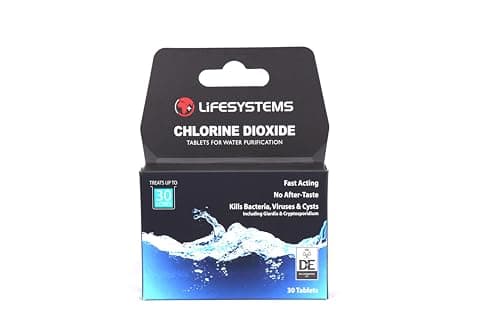
Chemical tablets that kill bacteria, viruses, and parasites in water. Lightweight backup to mechanical filtration.

Flexible water container that rolls up flat when empty. Essential for carrying treated water from source to camp.
Food
1 item
Long-shelf-life emergency food bars provide concentrated calories when normal food supplies are unavailable. Compact, calorie-dense, and requiring no preparation or water to consume.
First Aid
1 item
Comprehensive medical supplies for treating injuries, burns, and illnesses in the field. The most important safety item in any kit.
Warmth
1 item
Insulated sleeping bag rated for cold temperatures. Essential for any overnight emergency or planned outdoor stay.
Shelter
2 items
Waterproof emergency sleeping bag that provides shelter from wind, rain, and cold. More durable than an emergency blanket.

Compact thermal blanket that reflects up to 90% of body heat. Weighs under 60g and fits in your pocket.
Lighting
1 item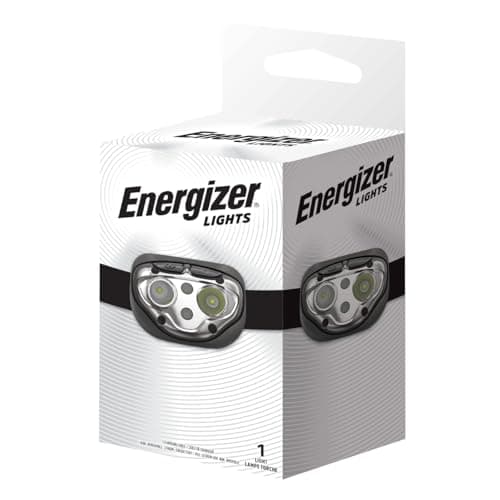
A reliable LED headlamp provides hands-free illumination for navigating, setting up camp, and performing tasks in darkness. Essential kit for any UK survival scenario where torchlight alone won't cut it.
Power & Charging
1 item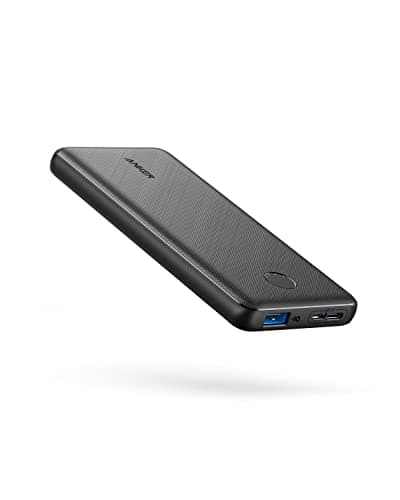
A portable battery pack keeps your phone, GPS, and headlamp charged when mains power is unavailable. Essential for maintaining communication, navigation, and emergency calling capability in the field.
Communication
2 items
A wind-up or solar-powered emergency radio keeps you connected to weather warnings, emergency broadcasts, and rescue coordination when the power grid fails. Your lifeline to critical information.

A high-decibel survival whistle carries further than the human voice and requires minimal energy to use. The simplest and most reliable signalling device for attracting rescue in any conditions.
Fire & Cooking
1 item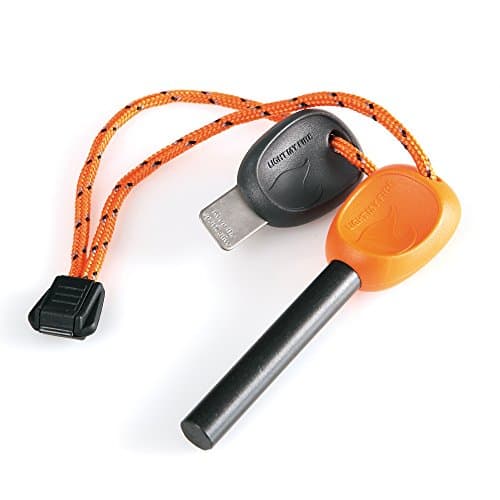
Ferrocerium rod that produces sparks over 3,000°C when struck. Works wet, lasts thousands of strikes.
Tools
4 items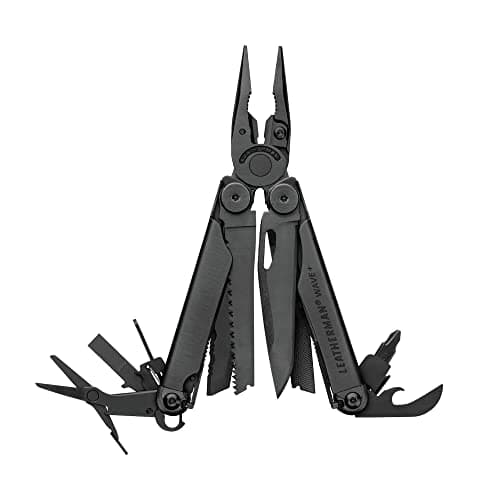
A quality multi-tool combines pliers, knife blades, screwdrivers, and other implements into a single compact unit. The Swiss Army knife's more robust cousin and an indispensable survival companion.
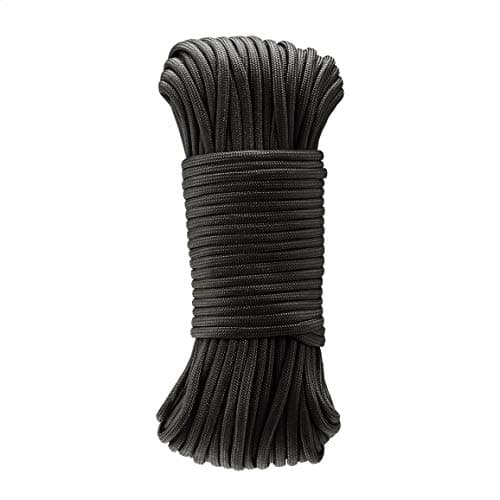
550 paracord is an incredibly versatile survival essential — useful for shelter building, gear repair, first aid improvisation, and dozens of other field applications. Lightweight and compact for its strength.
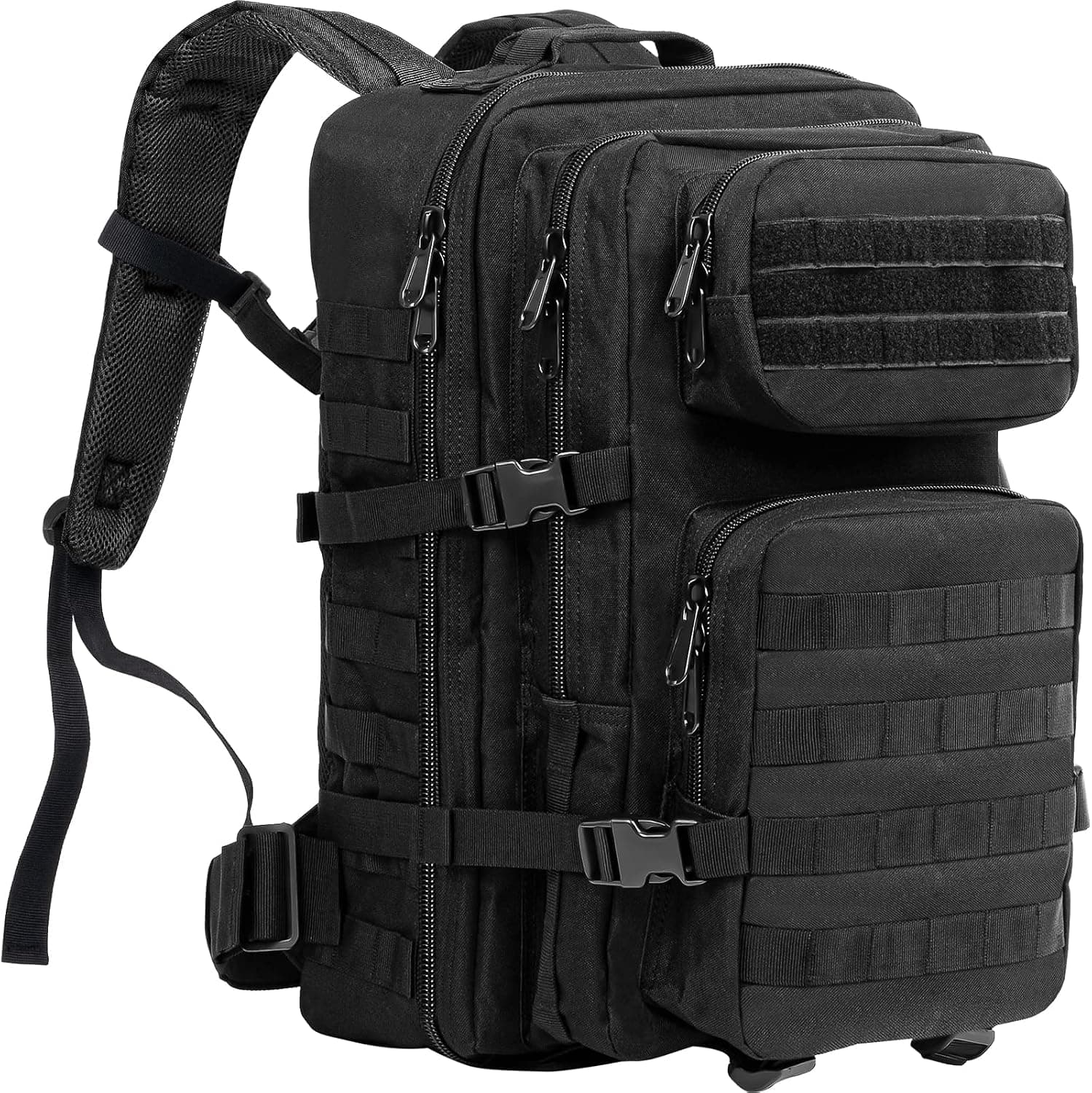
The bag the whole grab-and-go idea depends on — a tough, comfortable rucksack that holds your emergency kit ready by the door, so you can leave in seconds if you're told to evacuate.
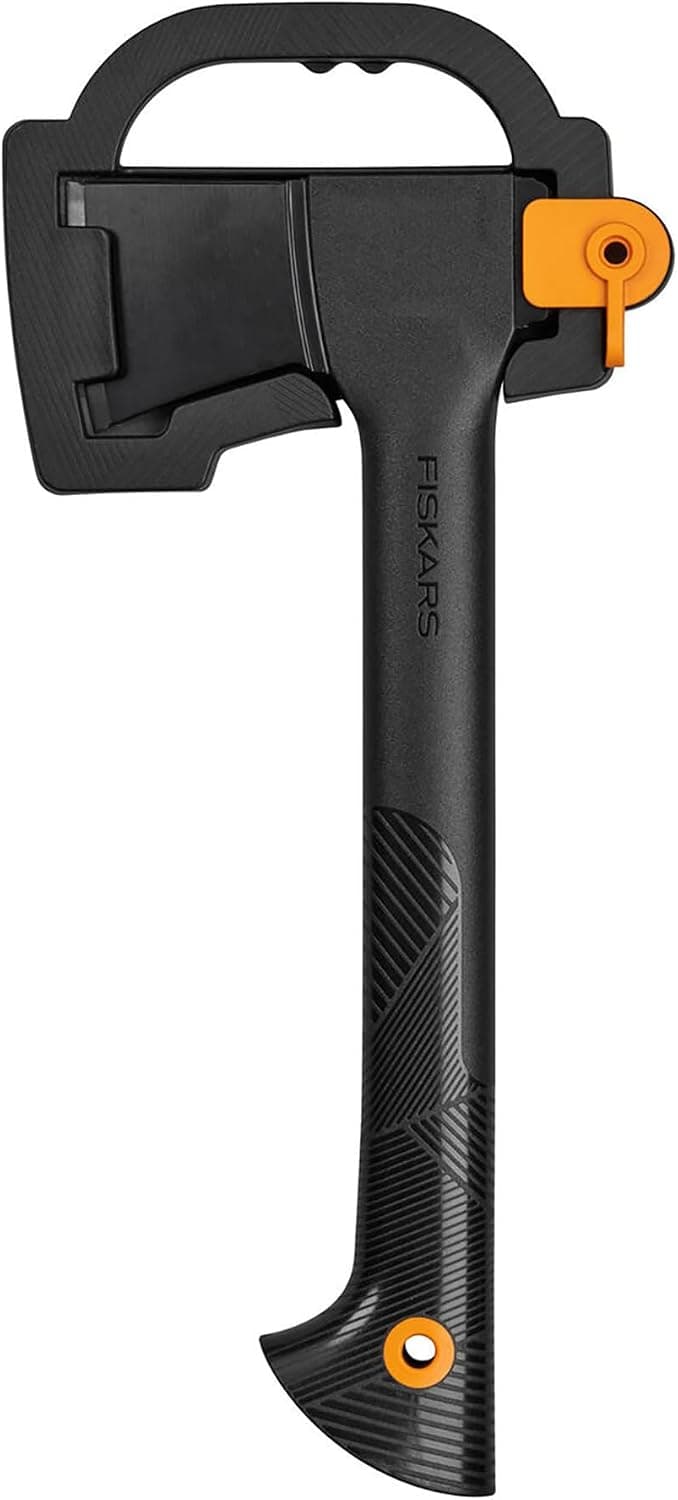
A compact camping axe splits kindling and processes small firewood when a folding saw isn't enough — the difference between a struggling smoky fire and a warm, dependable camp.
Where it goes,
how often you check it.
One box, one place
A 50L Really Useful Box, kept dry, out of sunlight, accessible without a torch.
Quarterly check-in
Calendar reminder for the first weekend of January, April, July, October. 10 minutes.
Rotate the perishables
Water tanks every 6 months, food rations on best-before, batteries every 5 years.


