Off-Grid Power Kit
<p>When the power goes off, the first thing most of us reach for is a phone, and the second is a light switch that no longer works. An off-grid power kit is simply the gear that keeps the essentials running through a cut: a charged phone for calls and information, a torch to move around safely, and steady power for anything medical you depend on. Power cuts in the UK are usually short, but winter storms can knock out supply for a day or more, and rural areas often wait longest for repairs. A little preparation turns an anxious evening into a manageable one.</p>
<p>Start with capacity. A power bank is rated in mAh, but what matters is real charges: a 20,000mAh bank gives roughly three to four full phone charges once you allow for losses. Add lithium AA batteries, which hold their charge for years and cope with the cold far better than alkalines, to keep torches and radios going. Solar can top things up, but be realistic about British weather. A folding panel works well on a bright day, yet trickles slowly under heavy cloud, so treat it as a recharger rather than your only source.</p>
<p>Your car is a surprisingly capable backup. A jump starter doubles as a hefty power bank with USB outputs, and the vehicle's own battery can charge devices through a 12V socket. One firm rule, though: never idle an engine in a closed or attached garage. Petrol and diesel exhaust contains carbon monoxide, an invisible, odourless gas that kills, so only run an engine outdoors in the open air. Pair the kit with a carbon monoxide alarm, keep everything charged, and test it before the clocks go back.</p>
This page contains affiliate links. We may earn a commission at no extra cost to you.

Tick as you go.
See what you're missing.
Power & Charging
5 items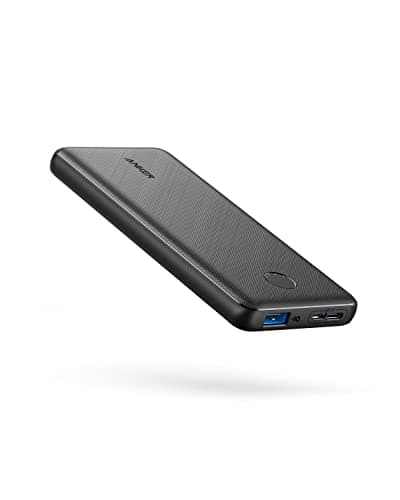
A portable battery pack keeps your phone, GPS, and headlamp charged when mains power is unavailable. Essential for maintaining communication, navigation, and emergency calling capability in the field.

A portable solar panel provides renewable off-grid power for charging devices and power banks indefinitely. The ultimate self-sufficient power source for extended expeditions and prolonged emergency situations.
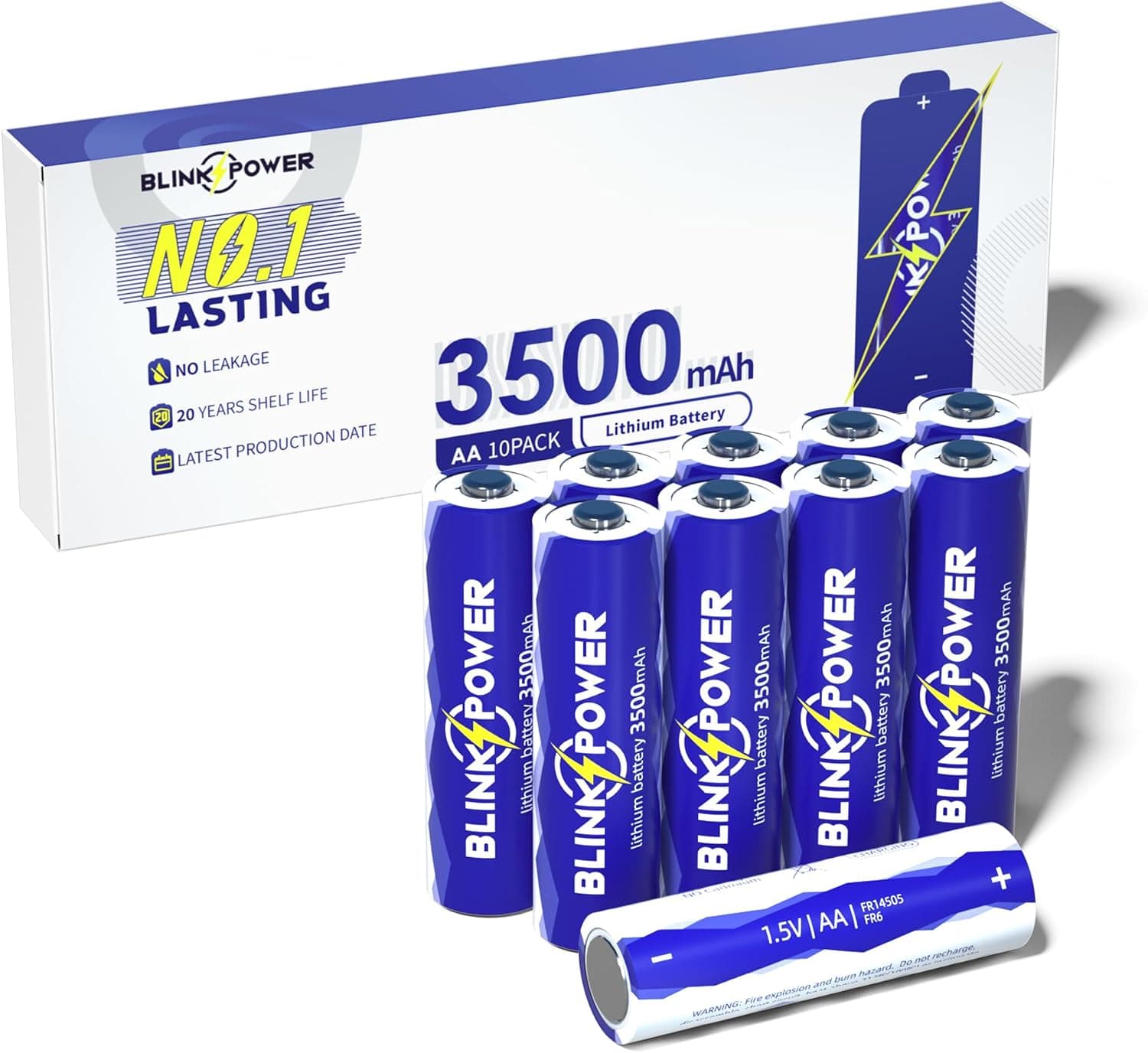
Lithium AAs last far longer, survive the cold, and store for a decade without leaking — the batteries you actually want powering a torch or radio in an emergency.

A portable jump starter gets a flat car battery running again without needing a second car or a roadside callout — pocket-sized insurance against a cold-morning no-start.
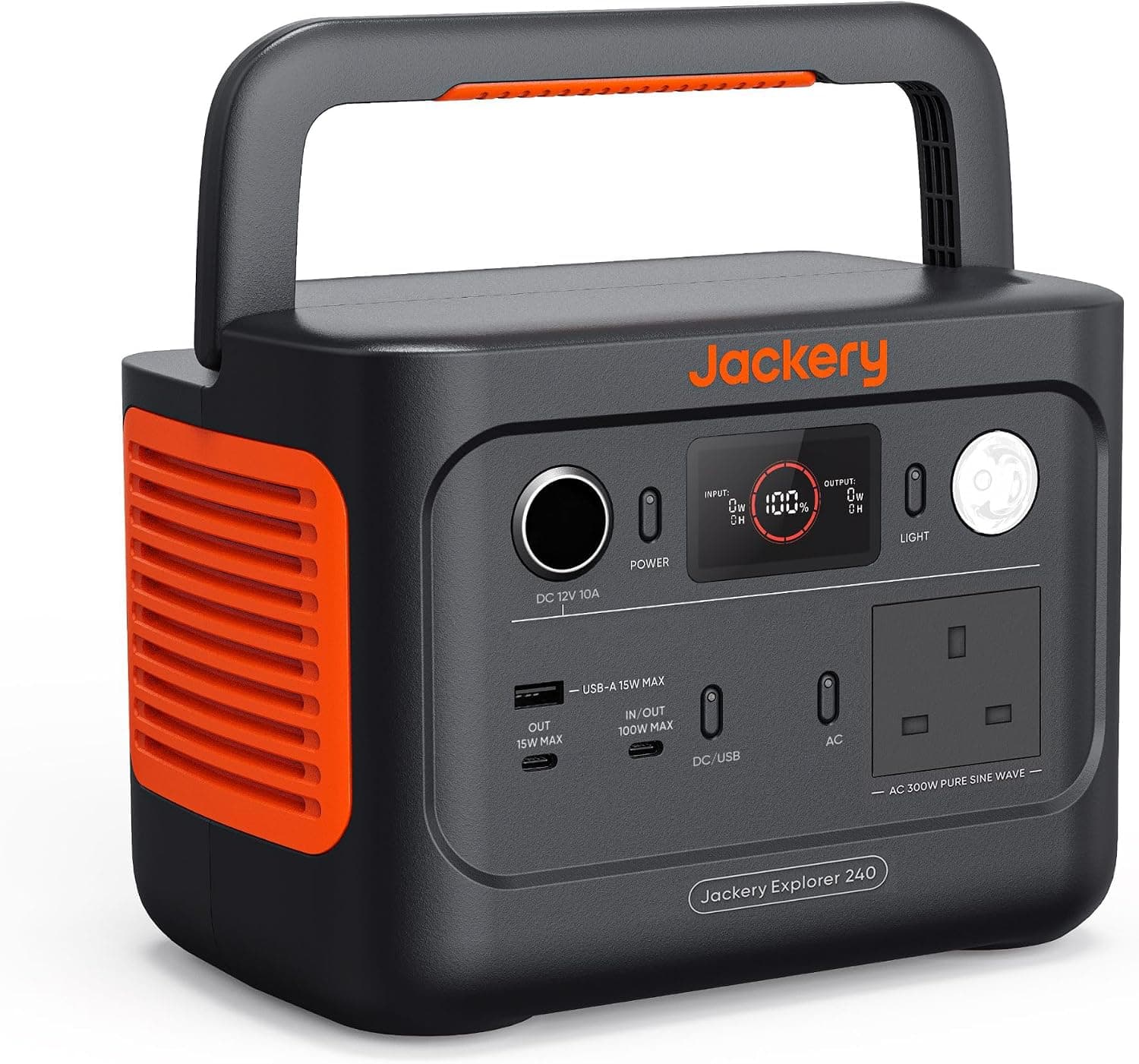
A rechargeable battery in a box with real mains sockets and USB ports — enough to keep phones, a router, lights and small medical devices running through a power cut, silently and indoors.
Lighting
3 items
Handheld LED flashlight providing reliable illumination. Essential for navigation, signalling, and camp tasks after dark.
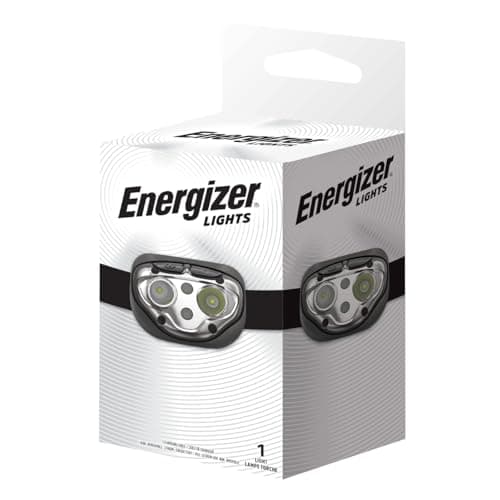
A reliable LED headlamp provides hands-free illumination for navigating, setting up camp, and performing tasks in darkness. Essential kit for any UK survival scenario where torchlight alone won't cut it.

A rechargeable LED lantern lights a whole room or tent with soft, even light — far more useful than a torch for sitting, cooking and keeping children calm during a power cut.
Communication
2 items
A wind-up or solar-powered emergency radio keeps you connected to weather warnings, emergency broadcasts, and rescue coordination when the power grid fails. Your lifeline to critical information.
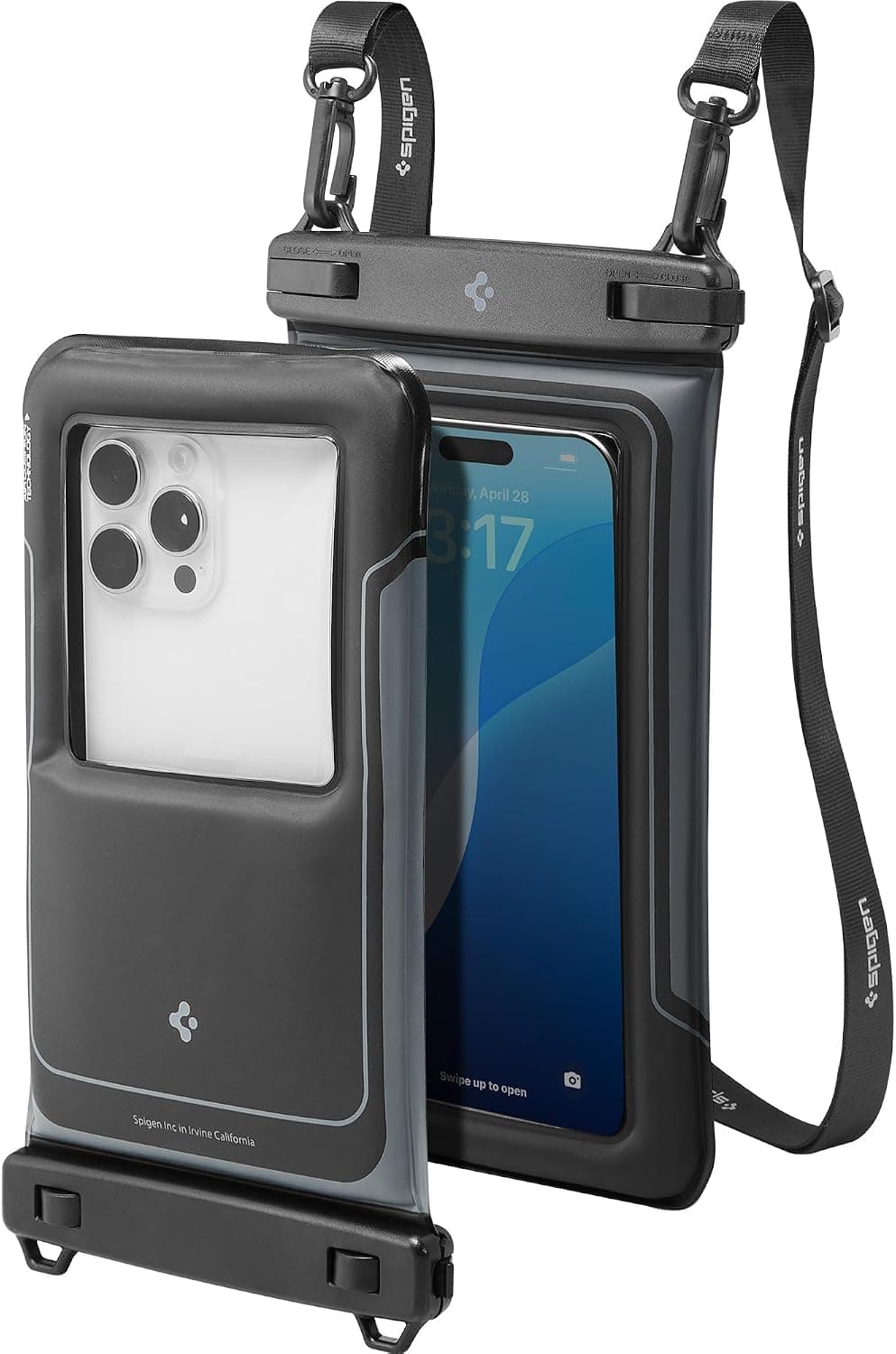
A sealed pouch keeps your phone — your lifeline for calls, maps and alerts — dry and working through rain, spray and accidental dunks.
First Aid
1 item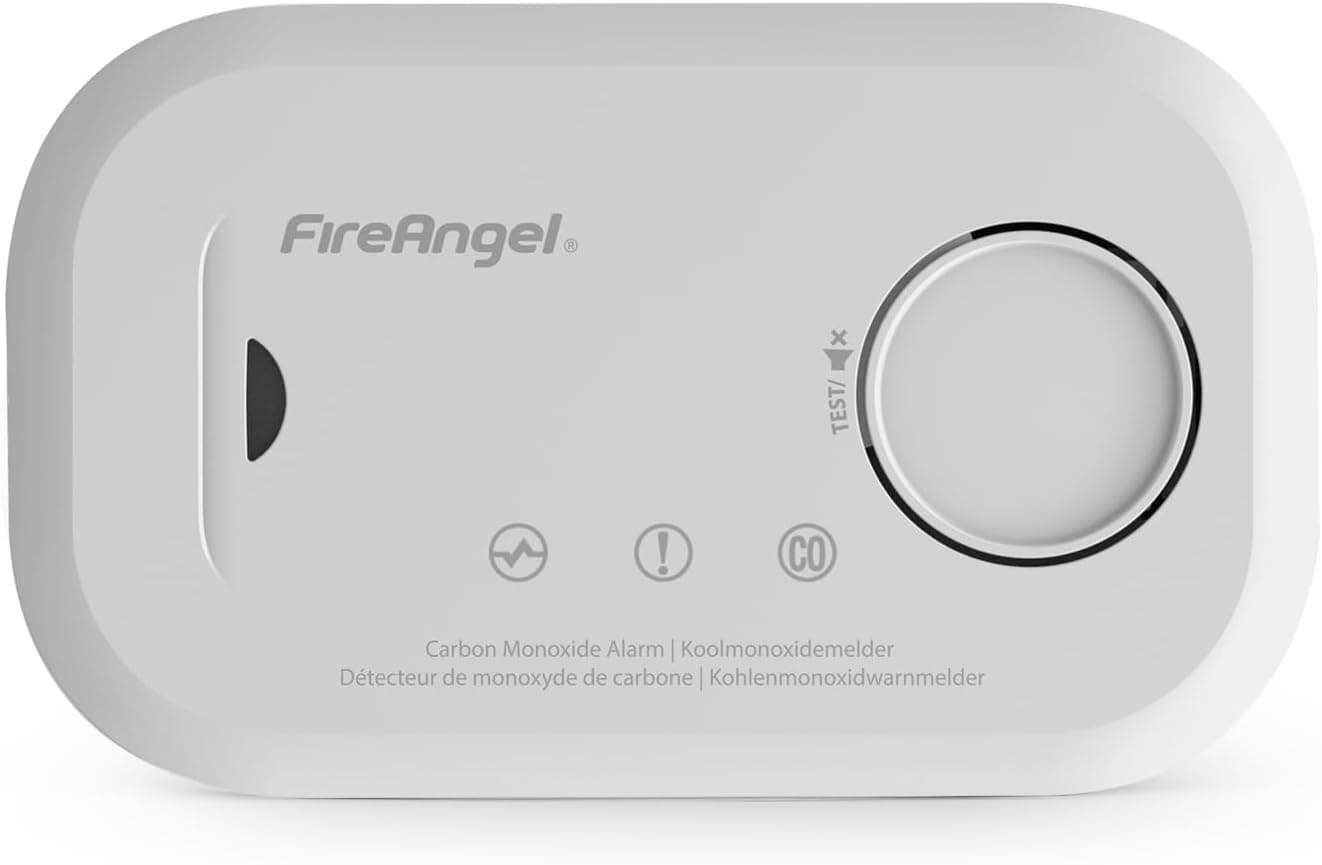
Carbon monoxide is invisible, odourless and deadly — an alarm is the only way to know it's there, and essential wherever you burn fuel for heat, light or cooking.
Warmth
1 item
Single-use or reusable heat packs that provide warmth for 6–12 hours. Critical for preventing cold injuries.
Where it goes,
how often you check it.
One box, one place
A 50L Really Useful Box, kept dry, out of sunlight, accessible without a torch.
Quarterly check-in
Calendar reminder for the first weekend of January, April, July, October. 10 minutes.
Rotate the perishables
Water tanks every 6 months, food rations on best-before, batteries every 5 years.


