Home / Items / Portable Power Station

Portable Power Station

A rechargeable battery in a box with real mains sockets and USB ports — enough to keep phones, a router, lights and small medical devices running through a power cut, silently and indoors.

Portable Power Station

Why it matters

A power bank keeps a phone alive; a portable power station keeps a household going. It is a large lithium battery with proper 230V plug sockets and USB ports, so during an outage you can run a Wi-Fi router, charge laptops and phones, power a lamp, and keep essential medical equipment such as a CPAP machine going for hours. Unlike a petrol generator it is silent, produces no fumes and is safe to use indoors, which matters when the power goes out on a cold, dark evening and you are not going to run an engine in the garden.

Most UK power cuts are short, but storm-driven outages can last a day or more — Storm Eowyn left some homes without power for days. A power station turns that from a crisis into an inconvenience. Charged and kept ready, it is one of the few pieces of kit that genuinely changes how a long outage feels, especially for families, anyone working from home, or those who depend on powered medical devices.

When to use it

Bring it out during any mains failure: to keep phones and a router live so you can get flood or weather warnings, to run a lamp instead of candles, or to power a small heated blanket or medical device. It is equally useful off-grid for camping, campervans and market stalls, which means it earns its keep rather than sitting idle waiting for an emergency.

Keep it charged to around 60-80% between uses and top it up every few months, as lithium batteries slowly self-discharge. Charge it fully as soon as a storm is forecast. Pair it with a folding solar panel if you want to recharge it during a multi-day outage.

Features to look for

Capacity that matches your needs

Capacity is measured in watt-hours (Wh). Around 250-300Wh keeps phones, a router and lights going for a day or more; 500-1000Wh adds headroom for laptops, a small fridge in short bursts or a CPAP machine overnight. Bigger means heavier and pricier, so match it to what you actually need to run.

A pure sine wave inverter

The AC output should be a pure sine wave, not modified. Pure sine wave is clean power that is safe for sensitive electronics, chargers and medical devices. Check the continuous watt rating too — it must exceed the running wattage of whatever you plan to plug in.

LiFePO4 battery chemistry

Lithium iron phosphate (LiFePO4) cells last far longer than older lithium types — often thousands of charge cycles — and are more stable. They cost a little more but hold up over years of occasional use, which is exactly how a preparedness item gets used.

The right mix of outputs

Look for at least two 230V UK sockets, a couple of USB-C ports with fast charging, and USB-A. A USB-C port that also charges the unit itself keeps your cable count down and speeds up recharging.

Common mistakes

Buying too small for the job

A tiny 100Wh unit is really just a big power bank. If you want to run a router, lights and charge several devices through a real outage, aim for 250Wh or more. Undersizing is the most common regret.

Letting it sit flat

A power station is no use discovered dead when you need it. Store it part-charged, top it up every few months, and charge it fully whenever bad weather is on the way.

Expecting it to run big appliances

Kettles, ovens, electric heaters and hobs draw far more power than most portable stations can supply. Use it for electronics, lighting, communications and low-draw medical kit, not for heating or cooking.

Top picks · Trusted suppliers

Recommended products

Jackery Explorer 240 v2 Portable Power Station

Jackery Explorer 240 v2 Portable Power Station

A compact 256Wh LiFePO4 power station with a 300W pure sine wave socket and 100W USB-C. Light enough to carry one-handed, big enough to keep phones, a router and lights running through an outage, and it recharges fully in about an hour.

  • Long-life LiFePO4 cells rated for thousands of cycles
  • Pure sine wave 230V output, safe for electronics
  • 100W USB-C in/out and fast ~1 hour recharge
Check price on Amazon →
DJI Power 1000 V2 Portable Power Station

DJI Power 1000 V2 Portable Power Station

A 1kWh portable power station that can keep phones, routers, lights and small medical devices running through a prolonged power cut. It charges fast from mains and pairs with solar for genuine off-grid top-ups. A bigger-ticket alternative to a Jackery when you want serious backup capacity rather than just a power bank.

  • Around 1kWh capacity for laptops, lights and CPAP-class devices
  • Fast mains recharge, with solar input for off-grid use
  • Multiple AC, USB-C and USB-A outputs
Check price on Amazon →
Anker SOLIX C300 Portable Power Station (288Wh)

Anker SOLIX C300 Portable Power Station (288Wh)

A small 288Wh LiFePO4 station that keeps phones, a router, a laptop and lights going through a short outage, then packs away in a cupboard. It recharges fast and takes a solar panel for slow top-ups, so it suits flats and smaller homes that don't want a heavy unit sitting around. Think of it as the step up from a big power bank when you need a proper 230V socket.

  • 288Wh LiFePO4 cells rated for thousands of charge cycles
  • Pure sine wave 230V socket plus USB-C and USB-A outputs
  • Compact and light enough to store easily and move room to room
Check price on Amazon →
BLUETTI AC70 Portable Power Station (768Wh)

BLUETTI AC70 Portable Power Station (768Wh)

A 768Wh LiFePO4 station with a 1000W AC output that lifts to 2000W for brief surges, so it copes with more than just phones and lights. It's a sensible mid-size choice for a UK household that wants to run a router, a few lamps, laptops and small kitchen jobs through a longer power cut. Solar input is optional if you want to top it up off-grid.

  • 768Wh LiFePO4 battery rated for a long service life
  • 1000W AC output with 2000W power-lifting for short surges
  • 100W USB-C plus multiple AC and USB outputs
Check price on Amazon →
EcoFlow DELTA 2 Portable Power Station (1024Wh)

EcoFlow DELTA 2 Portable Power Station (1024Wh)

A 1024Wh LiFePO4 station with a strong 1800W AC output, well suited to a household that wants real backup rather than just phone charging. It recharges very quickly from the mains and can be expanded with extra batteries later if your needs grow. A solid mid-to-large option for storm-season outages in an all-electric home.

  • 1024Wh LiFePO4 capacity, expandable with add-on batteries
  • 1800W AC output covers most household electronics and small appliances
  • Very fast mains recharge from empty
Check price on Amazon →
Jackery Explorer 2000 v2 Portable Power Station (2042Wh)

Jackery Explorer 2000 v2 Portable Power Station (2042Wh)

A large 2042Wh LiFePO4 station with a 2200W output, aimed at homes that want to ride out a long outage rather than just keep phones alive. It has the capacity for a fridge or freezer in short bursts, medical devices, lighting and repeated device charging over a day or two. It's heavier and pricier than the smaller units, but it's the one you reach for when you want serious backup.

  • 2042Wh (2kWh) LiFePO4 capacity for extended outages
  • 2200W AC output runs fridges, freezers and larger loads in bursts
  • LiFePO4 cells rated for thousands of cycles and long storage
Check price on Amazon →
Anker 20,000mAh Power Bank with Built-in USB-C Cable

Anker 20,000mAh Power Bank with Built-in USB-C Cable

A 20,000mAh bank with a USB-C cable built into the body, so there is one less loose lead to lose in a grab bag. The capacity is enough for several phone recharges, and the higher-wattage output will also top up a tablet or small laptop. A practical middle-ground bank for a power cut or a weekend off-grid.

  • Roughly four to five phone charges from a single fill
  • Built-in USB-C cable means one less lead to misplace
  • Fast enough output to charge tablets and small laptops
Check price on Amazon →
Anker MagGo Power Bank, Qi2 15W MagSafe-Compatible, 10,000mAh

Anker MagGo Power Bank, Qi2 15W MagSafe-Compatible, 10,000mAh

A 10,000mAh bank that clings magnetically to the back of a MagSafe iPhone and charges wirelessly at up to 15W, with a USB-C cable in the box for everything else. The small display showing remaining charge is genuinely useful when you are rationing power in an outage. A tidy grab-and-go option for iPhone users.

  • Qi2 15W wireless charging, snaps onto MagSafe iPhones
  • Display shows exactly how much charge is left
  • USB-C cable included for wired charging of other kit
Check price on Amazon →
Anker Nano Power Bank (10000mAh)

Anker Nano Power Bank (10000mAh)

A compact 10,000mAh charger with a built-in cable so there's nothing extra to pack. The grab-and-go option for a pocket or small kit.

  • Built-in cable — nothing else to carry
  • Compact and light for everyday carry
  • Fast charging for phones
Check price on Amazon →
Anker Power Bank (10,000mAh)

Anker Power Bank (10,000mAh)

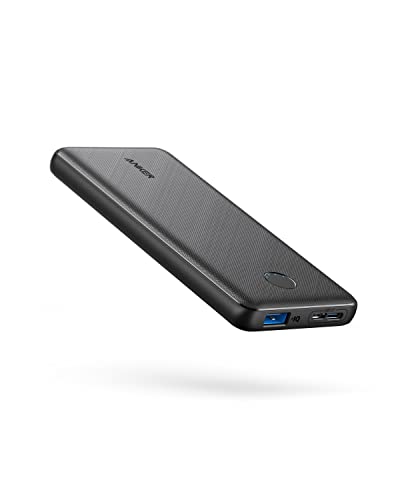
A slim, well-regarded 10,000mAh power bank that keeps a phone alive through a multi-day power cut. A sensible balance of capacity, size and reliability for a household emergency kit.

  • Enough capacity for roughly two to three phone charges
  • Slim and light enough to keep in a grab bag
  • Trusted brand with solid safety protections
Check price on Amazon →
Anker Power Bank (20,000mAh)

Anker Power Bank (20,000mAh)

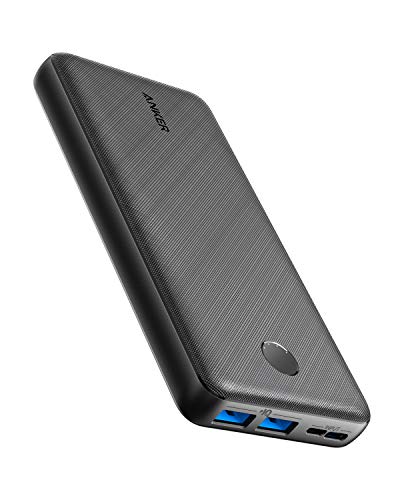
A high-capacity 20,000mAh pack that keeps several devices going across a long outage. The choice when you need days of backup power, not hours.

  • Enough capacity to recharge phones many times
  • Charges two devices at once
  • Strong value per mAh for the household
Check price on Amazon →
Anker Solix PS30 Solar Panel (30W)

Anker Solix PS30 Solar Panel (30W)

A compact foldable 21W solar charger with two USB ports from a trusted brand. A reliable way to top up phones and small devices off-grid.

  • Foldable and packable
  • Two USB ports
  • Trusted, reliable brand
Check price on Amazon →
Related kits

Different scenario?
Try one of these.

All kits →