When the power goes out, a dead phone quickly becomes the biggest problem: no torch, no maps, no way to call for help or check official updates. Off-grid charging is not complicated, but it rewards a little planning. This guide explains how to keep phones and small essentials running for hours or days using power banks, your car and solar, without spending a fortune or taking safety risks.
What to power first
Before buying anything, decide what genuinely needs power. In most UK household emergencies the priority is communication and information: one or two smartphones, kept at fifty per cent or more so you can call, text and read alerts. After that come a torch or head torch, a small radio for updates when networks fail, and perhaps a rechargeable lantern. Medical devices such as a CPAP machine, insulin cooler or powered mobility aid sit in a separate, higher tier and need proper planning. Everything else, from laptops to games consoles, is a luxury. Powering the essentials first means a modest kit can carry a family through a long outage.
Sizing a power bank: mAh versus Wh
Power banks are sold by capacity in milliamp-hours, but that figure is measured at the battery's internal 3.7 volts, not the 5 volts your phone receives. Conversion and heat losses mean you keep only around sixty to seventy per cent in practice. A typical modern phone holds roughly 4,000mAh, so a 10,000mAh bank gives about two full charges and a 20,000mAh bank about four. To compare banks fairly, look at watt-hours: multiply mAh by 3.7 and divide by 1,000, so 20,000mAh is roughly 74Wh. A 10,000mAh bank is pocket-sized and enough for one person for a day or two; 20,000mAh suits a couple or a longer outage.
Choose a bank with USB-C Power Delivery, which charges phones far faster and can top up a tablet or even a small laptop. Keep banks charged to full and refresh them every few months, as lithium cells slowly self-discharge and a flat bank in a drawer helps no one. Expect to pay around fifteen to twenty-five pounds for a reliable 10,000mAh unit and twenty-five to forty pounds for 20,000mAh from a reputable brand.
Solar realities in the UK
Folding solar panels are appealing, but honest expectations matter in the UK. A panel's rated wattage assumes bright, direct, overhead sun that Britain rarely delivers. In strong summer sunshine a 20 to 28 watt folding panel can top up a 10,000mAh bank in a day if you angle it towards the sun and move it as the sun tracks. On an overcast winter day the same panel might trickle in very little, and short daylight hours make it worse. Treat solar as a slow, weather-dependent top-up for a longer grid-down scenario, not a reliable daily charger. If you buy one, choose at least 20 watts, and pair it with a power bank so it charges the bank rather than a device directly.
Your car as a power source
A car is the most overlooked power source most households already own. A modern car battery holds a large reserve, and a USB socket or 12V cigarette-lighter adapter will charge phones and power banks all day. For higher loads, a small 150 to 300 watt inverter plugged into the 12V socket gives a mains socket for laptops or charging several devices. Run the engine periodically to avoid flattening the starter battery, especially in cold weather, but do so sensibly. The car's own battery can usually cope with an hour or two of light charging without the engine running, so you need not idle constantly.
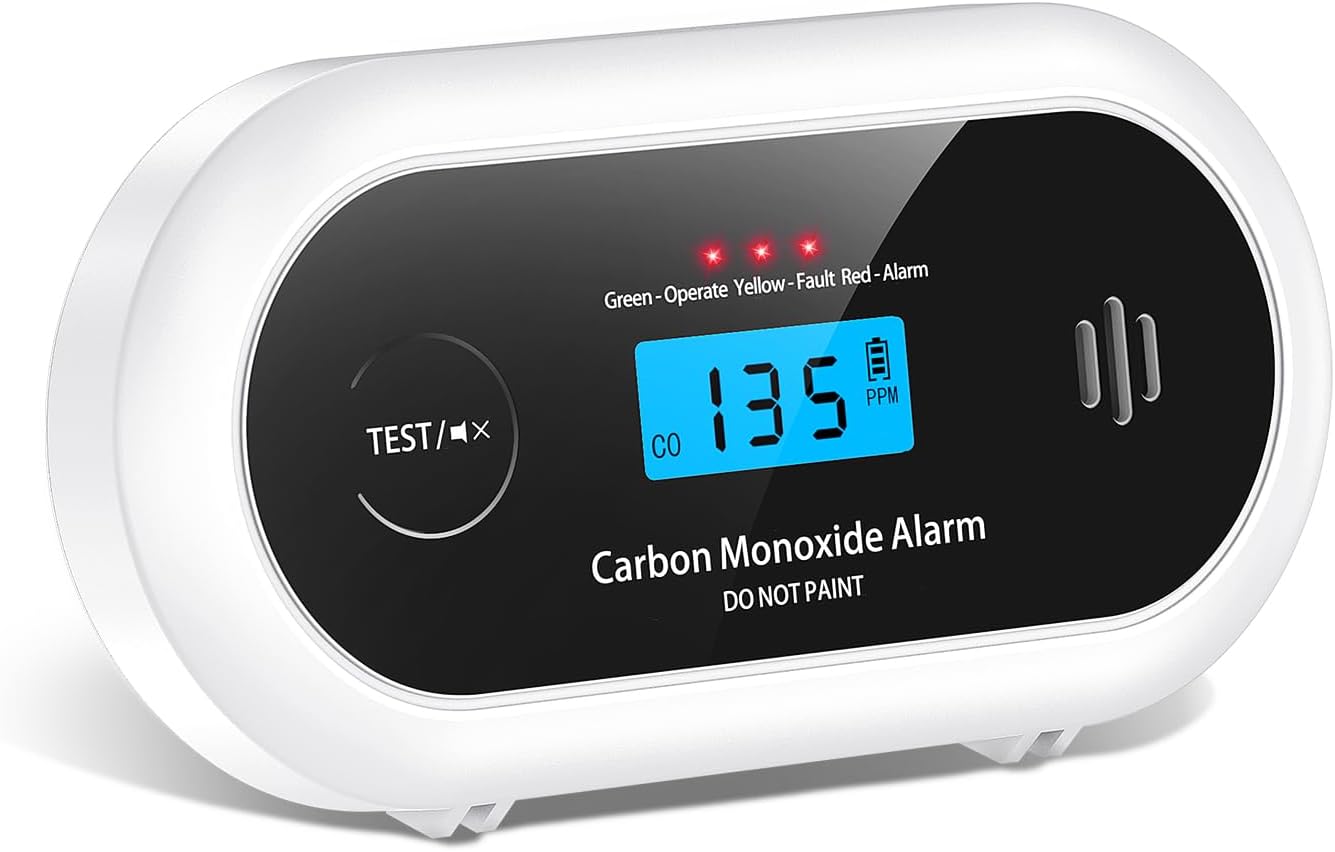
One rule is non-negotiable: never run a car engine in a closed or attached garage to charge devices. Petrol and diesel engines produce carbon monoxide, an odourless gas that can kill within minutes in an enclosed space. Only run the engine outdoors, well clear of doors and windows, and never sleep in a running vehicle. Keep total inverter load within its rating to avoid overheating.
Portable power stations
When you need more than phone charges, a portable power station, essentially a large lithium battery with built-in mains sockets, USB ports and often a torch, is the next step up. Capacities usually run from around 250Wh to over 1,000Wh. A 500Wh unit can recharge phones dozens of times, run a laptop for hours, power LED lighting through an evening, or keep a small fridge cold in short bursts. For anyone dependent on a CPAP machine or other essential medical device, a power station sized to a full night, often 500Wh or more depending on the machine, can be genuinely life-supporting. Many recharge from the mains, a car socket or a solar panel, which makes them flexible for extended outages.
Prices vary widely: expect roughly one hundred fifty to three hundred pounds for a 300 to 500Wh station, and more for larger capacities or lithium iron phosphate cells that last far longer. If you rely on one for medical use, test it in advance with your actual device, note the real runtime, and keep it charged. Recharge it fully after every use so it is always ready.
A sensible layered household setup
The most resilient approach is layered rather than a single purchase. Start with two power banks per household, one 10,000mAh for grab-and-go and one 20,000mAh kept at home, both with USB-C Power Delivery and kept topped up. Add a good multi-port car charger and, ideally, a small inverter so your vehicle becomes a rolling charging station. If your budget stretches further, or you have medical needs, add a 300 to 500Wh power station, and consider a 20 to 28 watt folding panel to extend it during a prolonged outage. This mix covers a short cut with the banks, a longer one with the car, and a serious grid-down event with the station and solar together.
What to do next
Start small and build. This week, buy or check a 20,000mAh USB-C power bank from a reputable brand, charge it fully, and store it somewhere everyone can find in the dark. Add a diary reminder to top it up every three months. Buy a 12V USB car charger and keep it in the glovebox. Over the coming months, if budget and needs justify it, add a 300 to 500Wh power station and a folding solar panel. Whatever you own, avoid cheap uncertified lithium banks, which are a genuine fire risk: charge batteries away from flammable materials, never leave them charging unattended overnight, and stay within each device's rated output.