Power cuts are a fact of life across the UK, whether from winter storms, summer heat, or a fault on your local network. This guide is for ordinary households who want to be ready without panic. You will learn what causes outages, how to report one on 105, how to keep warm and fed, how to keep phones charged, and how to protect anyone who relies on powered medical equipment. Calm preparation now saves a lot of stress later.
What causes UK power cuts and how long they last
Most UK power cuts are caused by weather. Storms bring down overhead lines, high winds throw branches onto cables, and lightning or flooding can knock out substations. Others come from faults on the network, roadworks striking underground cables, or planned maintenance. Your electricity is delivered by a Distribution Network Operator, or DNO, not your supplier, so the DNO handles repairs. Most faults are fixed within an hour or two, and many last only minutes. A severe storm affecting many homes can take longer, occasionally most of a day, while engineers work through a queue of damage. Rural areas on overhead lines tend to be affected more often than towns.
The 105 number and reporting a cut
If your power goes off, first check whether it is just your home. Look at whether a trip switch in your consumer unit has flipped, and whether neighbours still have lights. If the cut is wider, call 105 free from any landline or mobile in England, Scotland and Wales. This single number connects you to your local network operator, who can tell you about known faults, report a new one, and give an estimated restoration time. You can also check your DNO's website or social media. Keep the 105 number saved in your phone so you are not hunting for it in the dark.
Lighting: torches, not candles
Good lighting is the single thing that makes a power cut feel manageable. Keep at least one LED torch per person and a couple of spares, plus a headtorch so you can work hands-free. A battery lantern gives soft light for a whole room and costs around ten to twenty pounds from Argos, Screwfix or a supermarket. Store a bag of spare AA and AAA batteries, and check them twice a year. Although candles feel cosy, they are a real fire risk, especially near curtains, children or pets, and they are easily knocked over in the dark. Prefer battery or LED light every time.
Keeping warm
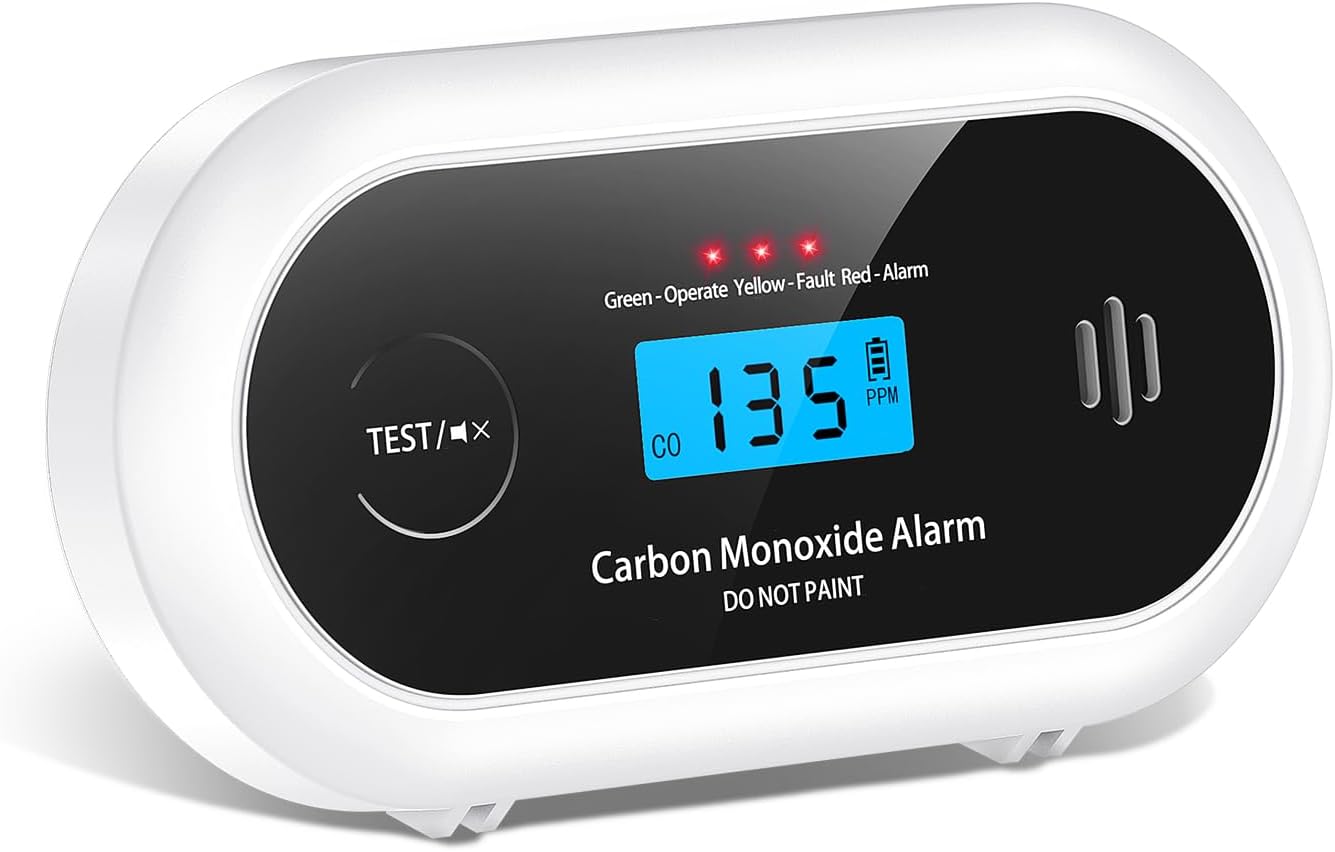
A home holds its heat surprisingly well if you act quickly. As soon as the power goes, close internal doors and curtains to trap warmth in one room, and gather everyone into that space. Layer clothing, wear a hat, and use blankets, sleeping bags or a duvet rather than trying to heat the whole house. A flask of hot water made before a forecast storm, or on a gas hob, gives warm drinks through the evening. Never use a petrol or diesel generator, a camping stove or a barbecue indoors or in a garage to heat a room, as they release carbon monoxide, which is invisible, odourless and can kill. Move to a neighbour or family if needed.
Food, fridge and freezer safety
Your fridge and freezer are fine for a while if you keep the doors shut. An unopened fridge keeps food safe for about four hours, and a full freezer stays frozen for around forty-eight hours, or twenty-four hours if it is only half full. Resist the urge to keep checking inside, as every opening lets cold escape. If a power cut looks likely, turn your fridge and freezer to their coldest settings beforehand and fill gaps in the freezer with bottles of water. Once power returns, food is safe if the freezer is still at or below minus eighteen degrees, or fridge food has stayed below five degrees. If in doubt, throw it out.
Charging phones and power banks
A charged phone is your link to 105, weather updates and family. Keep a power bank of at least ten thousand milliamp hours charged and ready, which will refill most phones two or three times and costs around fifteen to thirty pounds. Charge it monthly so it is never flat when you need it. During a cut, dim your screen, switch to low-power mode, and avoid streaming to stretch the battery. A car can charge a phone through a USB adapter, but only ever run the engine outdoors, never in a closed garage. A cheap wind-up or solar charger makes a useful backup for longer outages.
Cooking without power safely
You can eat well during a power cut with a little planning. Keep a stock of food that needs no cooking, such as bread, tinned fish, beans, fruit, crackers and cereal bars. A camping gas stove lets you boil water and heat a simple meal, but only ever use it outdoors or in a very well ventilated space, never in a closed kitchen, as the fumes contain carbon monoxide. Gas hobs with a manual ignition often still light with a match during an electrical cut, so keep a lighter or matches somewhere easy to find. Simple, filling food beats an ambitious meal in the dark.
Households with medical or vulnerable needs
Some households cannot simply wait out a power cut. If anyone relies on powered medical equipment, such as an oxygen concentrator, a stairlift, a dialysis machine or a fridge for medicines, plan ahead now. Sign up for free to the Priority Services Register, run by your energy supplier and network operator, which flags your home for extra support and advance warning of planned work. Ask your equipment provider about battery backups and what to do during an outage. Keep a written list of medicines and a torch beside the bed. In a genuine emergency, where someone's health is at immediate risk, call 999 without delay.
What to do next
Preparation takes an afternoon and a modest budget. This week, put a torch and spare batteries in an easy-to-reach drawer, buy a power bank and charge it, and save 105 in every family phone. Check whether your household qualifies for the Priority Services Register and sign up if so. Keep a small box of no-cook food and a few bottles of water in a cupboard. Agree with your family which room you would gather in and where the torches live. None of this guarantees comfort in every outage, but it turns a crisis into a manageable inconvenience.