First Aid & Trauma Kit
<p>Most emergencies you will ever face are the everyday sort: a deep kitchen cut, a child's scraped knee, a twisted ankle on a country walk, or a nosebleed that will not settle. A well-stocked first aid kit lets you treat these quickly and calmly, and buys precious time when something more serious happens. The aim is not to replace professional care but to steady a situation until help arrives or the problem passes. Keep one kit at home where everyone can find it, a second in the car, and a compact version in your grab-bag.</p>
<p>Kit alone is not enough; you also need to know how to use what you carry, because a bandage or dressing is only as good as the hands applying it. Read the leaflets when you pack the kit, practise the basics such as applying pressure to a wound, and refresh your knowledge from time to time so the actions feel familiar under stress. Trauma items such as tourniquets and haemostatic dressings can save a life from catastrophic bleeding, but used wrongly they can do real harm, so treat them with respect and get proper instruction before you ever rely on them in an emergency.</p>
<p>The single best investment you can make is a hands-on first aid course, where you learn by doing rather than reading. The British Red Cross and St John Ambulance run affordable sessions right across the UK, covering CPR, bleeding control, burns, choking and the recovery position, and many workplaces will fund a place for you. For any serious injury, heavy bleeding, difficulty breathing or loss of consciousness, call 999 without delay and follow the operator's guidance carefully. Please remember that this guide offers general preparedness information and is not a substitute for medical training or professional advice.</p>
This page contains affiliate links. We may earn a commission at no extra cost to you.

Tick as you go.
See what you're missing.
First Aid
8 items
Comprehensive medical supplies for treating injuries, burns, and illnesses in the field. The most important safety item in any kit.

A trauma (Israeli) bandage combines a dressing, pressure bar and securing wrap in one, to control serious bleeding fast. The step up from plasters that could genuinely save a life.

Emergency device for stopping life-threatening limb bleeding. Can save a life in minutes when correctly applied.
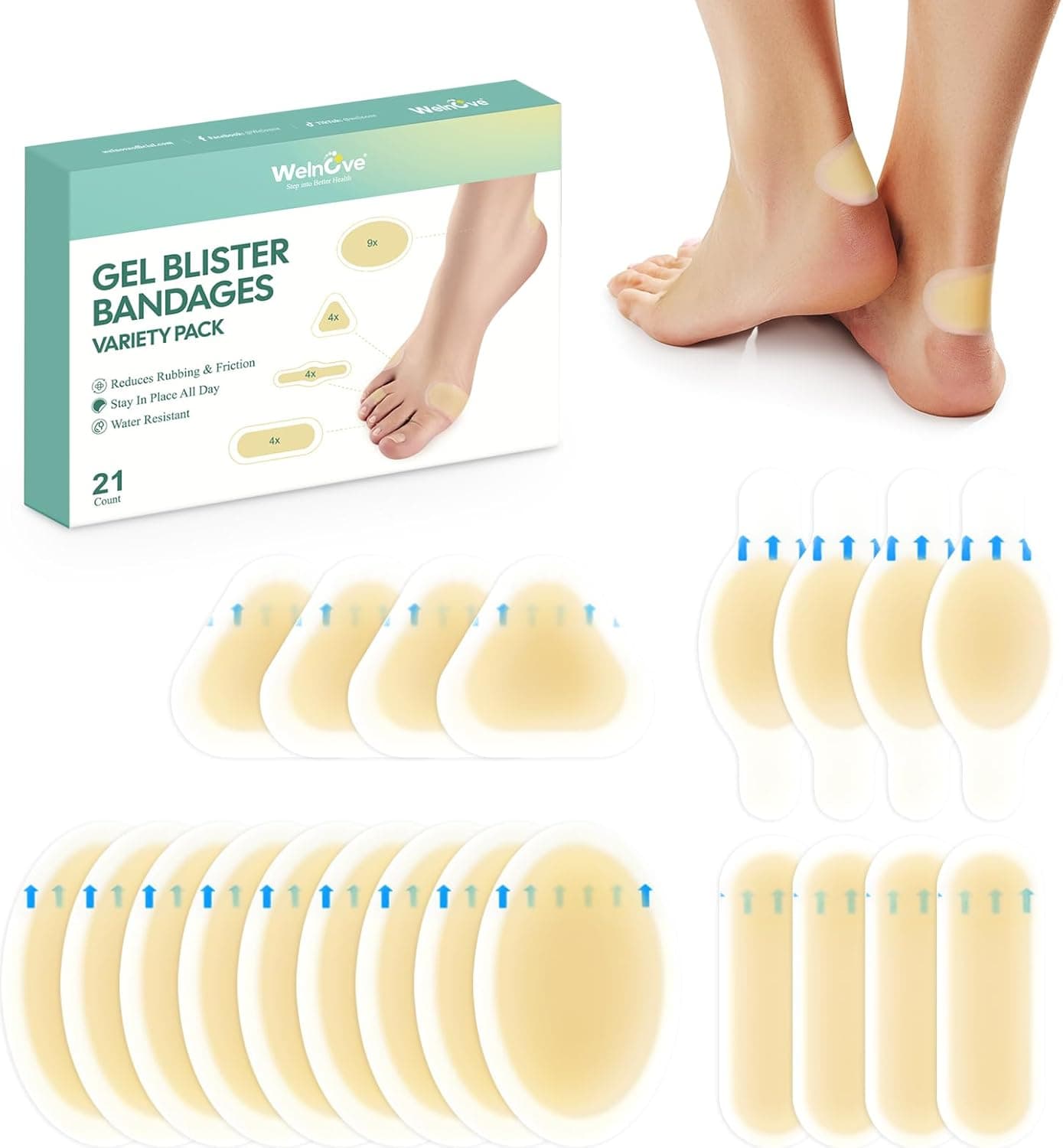
Hydrocolloid blister plasters cushion and heal blisters fast — the small item that keeps a minor foot problem from ending your walk or grounding you when you need to move.
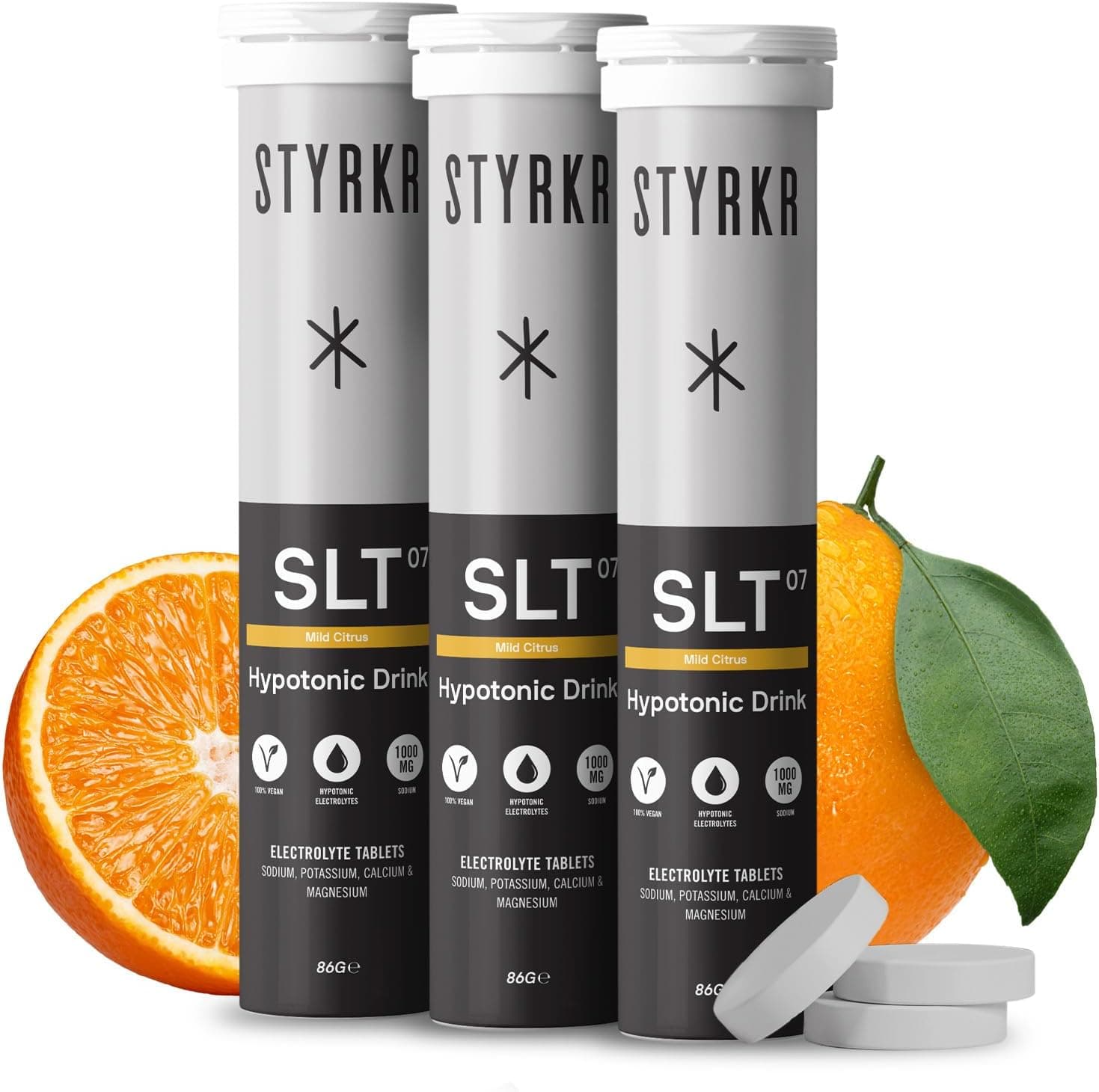
Electrolyte rehydration salts replace what heavy sweating, sickness or diarrhoea strip out — restoring you far faster than water alone when dehydration sets in.
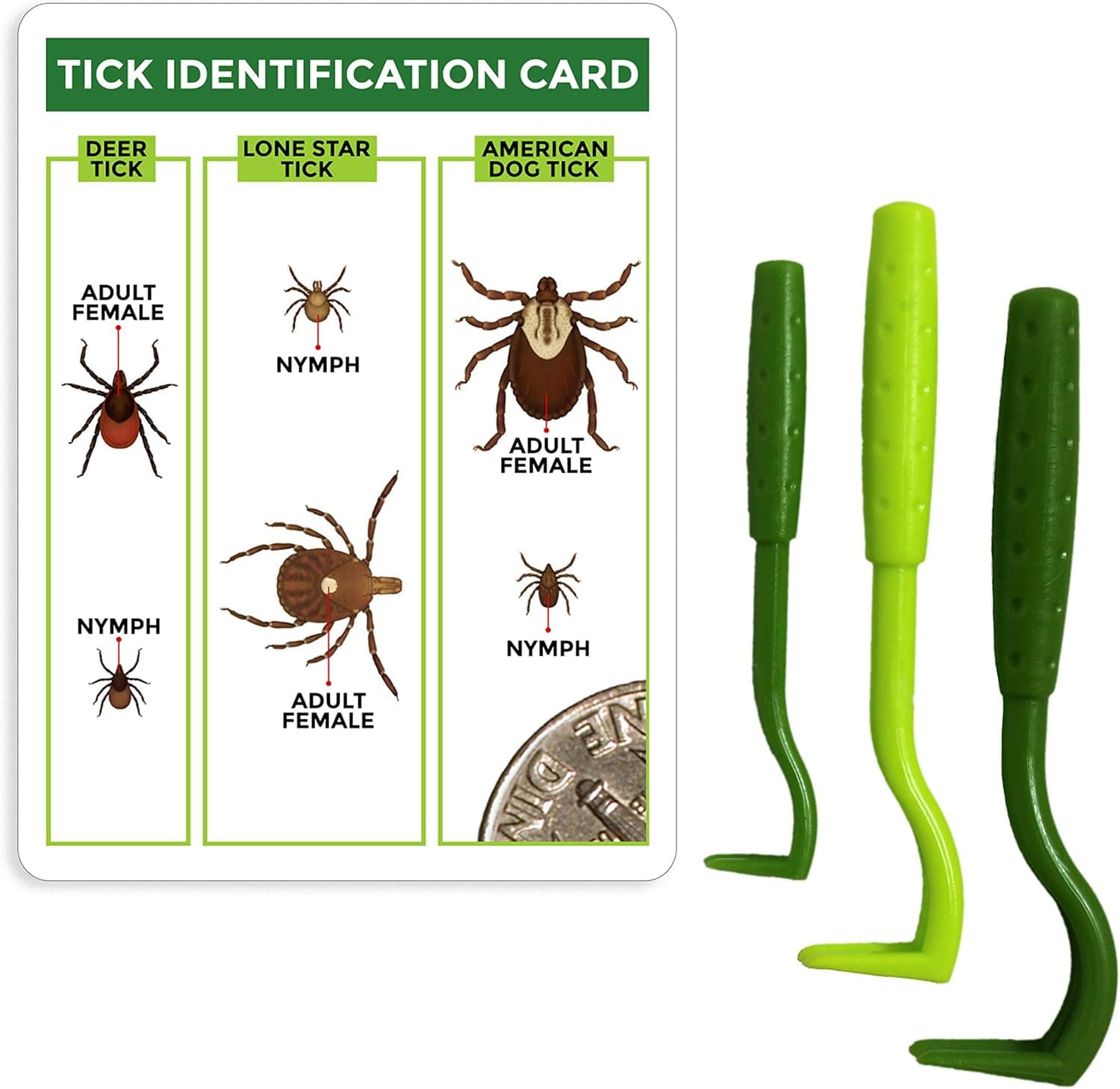
A proper tick tool removes the whole tick — head included — cleanly and quickly, cutting the risk of Lyme disease that squeezing with fingers or tweezers makes worse.
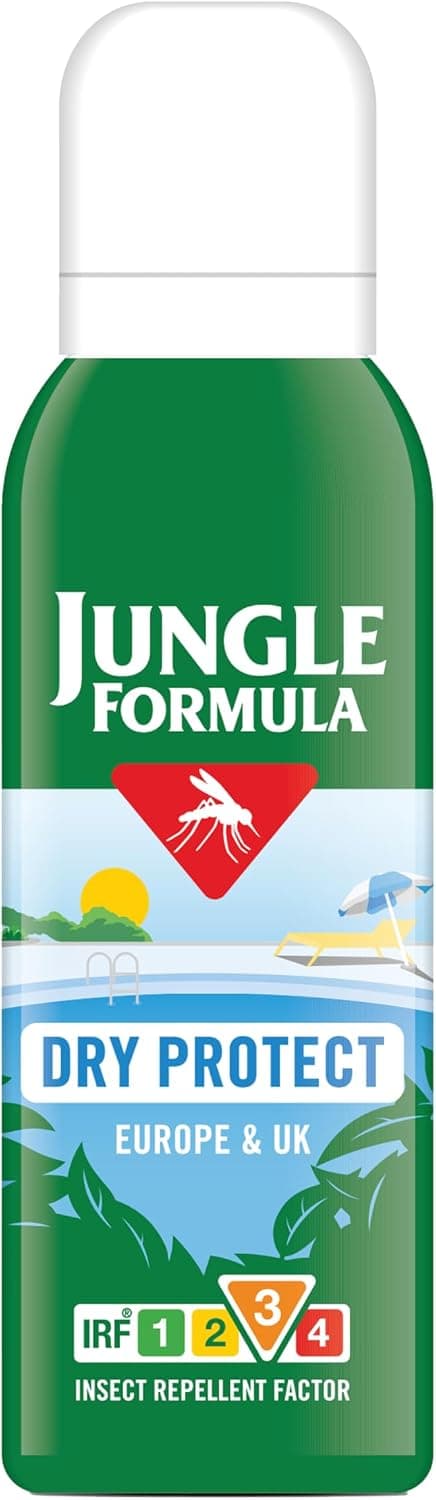
Repellent keeps biting insects — and the ticks and diseases some carry — off your skin, turning a miserable, bite-covered outing into a bearable one.

A fire blanket smothers a small kitchen or chip-pan fire in seconds, before it spreads. One of the cheapest, most overlooked safety items a home can have.
Hygiene
3 items
A box of disposable nitrile gloves protects you when giving first aid, handling contaminated water, or cleaning up after a flood. Cheap, compact hygiene that belongs in every kit.
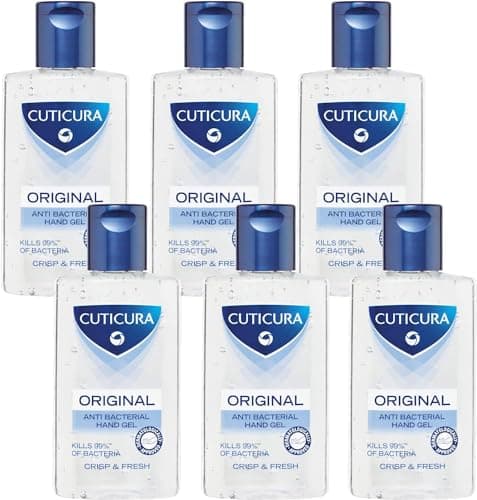
Antibacterial hand gel maintains field hygiene when soap and clean water are unavailable. A small bottle prevents the gastrointestinal infections that can rapidly debilitate you in a survival situation.

Biodegradable wet wipes provide quick sanitation for hands, face, and body when washing facilities are unavailable. Essential for maintaining hygiene, morale, and preventing infection in field conditions.
Where it goes,
how often you check it.
One box, one place
A 50L Really Useful Box, kept dry, out of sunlight, accessible without a torch.
Quarterly check-in
Calendar reminder for the first weekend of January, April, July, October. 10 minutes.
Rotate the perishables
Water tanks every 6 months, food rations on best-before, batteries every 5 years.


