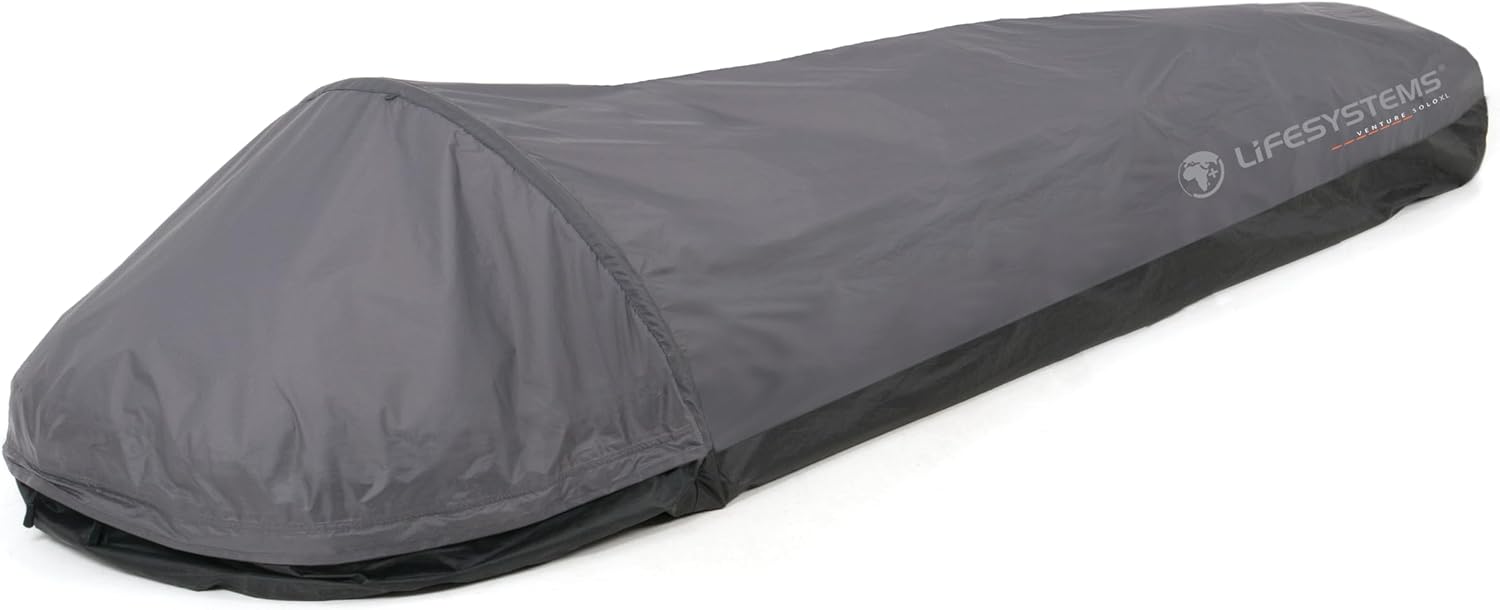
A bivvy bag is one of the cheapest, lightest things you can carry that genuinely saves lives. Its whole job is to stop you losing heat when you're stuck outside and can't get warm any other way — a walker who's twisted an ankle on the hill as the light goes, a driver stranded in a car overnight in a winter jam, or anyone caught out longer than they planned in the cold and wet. The confusing part is that two quite different products are both sold as "bivvy bags": a cheap reflective emergency survival bag that lives in your rucksack for the day it all goes wrong, and a proper breathable camping bivvy bag that's a waterproof shell for your sleeping bag. This guide explains which is which, how each one actually works, and which you need.
If you're weighing a bivvy against other warmth kit, we've got head-to-heads on emergency blanket vs bivvy bag, sleeping bag vs bivvy bag and bivvy bag vs thermal sleeping bag. This guide assumes you want a bivvy and focuses on choosing the right kind and using it well.
The two things called a "bivvy bag"
An emergency (or survival) bivvy is a thin, sealed bag — usually reflective orange or metallic — that traps your body heat and blocks wind and rain. It packs down to the size of a fist, weighs almost nothing, costs a few pounds, and is meant to be grabbed in a crisis, not slept in for fun. Both of our picks, the Lifesystems Venture Solo and the SOL Emergency Bivvy, are this type. A camping bivvy bag is a completely different animal: a durable, breathable, waterproof outer shell (often with a Gore-Tex-style fabric) that you slide a sleeping bag inside, so you can sleep out under the stars or add weatherproofing and a few degrees of warmth to your existing bag. It's heavier, far more expensive, and built for planned nights out. Most people who ask "which bivvy bag should I buy" for emergency or car-kit use want the first kind; hikers planning to sleep out want the second.
How an emergency bivvy actually keeps you warm
An emergency bivvy works the same way as a foil emergency blanket but wraps all the way round you, so it's much harder for heat to escape and it won't blow away in wind. The reflective inner surface bounces a good share of your radiated body heat back, and the sealed bag cuts the two things that strip heat fastest outdoors: wind and rain. The important honest point is that a bivvy doesn't make heat — it slows the heat you're already producing from leaking away. That means it works far better if you get inside it before you're chilled, keep your thermal layers and a hat on, and put something between you and the cold ground. Lie straight on frozen tarmac or a wet hillside in just a bivvy and the ground will pull heat out of you all night; a sleeping mat, a folded rucksack or even a wool blanket underneath makes a dramatic difference — see sleeping mat vs bivvy bag for why.
Reflective survival bag vs breathable bivvy: which to buy
For a grab bag, a car kit or a hillwalking day pack, buy the cheap reflective emergency bivvy — ideally one per person. It's insurance you hope never to open: light enough that there's no excuse to leave it behind, and cheap enough to keep spares in the car and the rucksack. Condensation is its main weakness, because the sealed non-breathable bag traps the moisture your body gives off, so you'll get damp inside over a long night; that's a fair trade for an emergency, but it's why they're not meant for regular camping. If you actually plan to sleep out — wild camping, bikepacking, minimalist backpacking — that's when a proper breathable camping bivvy bag earns its much higher price and weight, because it stays waterproof from outside while letting your sweat escape, and it protects a real sleeping bag rather than replacing one. Don't buy an expensive camping bivvy for a job a three-pound survival bag does, and don't rely on a survival bag for planned nights out.
What to look for
For an emergency bivvy, size it for a person plus their kit — a roomier bag lets you keep a coat on and pull your knees up, which is warmer than being wrapped tight. Look at how tough the material is: the cheapest single-use foil bags tear easily and are genuinely one-shot, while slightly sturdier reusable ones like the SOL Emergency Bivvy survive being repacked and reused, which matters if it's practice-opened or used more than once. High-visibility orange is a real bonus if you might need to be spotted by rescuers. Check the packed size and weight — it needs to be small and light enough that it genuinely lives in your bag. For a camping bivvy, the questions are different: breathability (a proper waterproof-breathable membrane), a taped or welded waterproof floor, length and shoulder room for your sleeping bag, and whether it has a hooped head end to keep fabric off your face.
How to use it in a real emergency
Get in early. The moment you realise you're stopping — injured, benighted, or waiting out a storm in a stranded car — put the bivvy on before you cool down, not after you're already shivering. Keep every layer on, add a hat and gloves, and if you have hand warmers tuck them inside near your core. Sit or lie on something insulating so the ground can't drain your heat. In a car, stay with the vehicle where you're sheltered and visible, and only run the engine for warmth briefly with a window cracked and the exhaust clear of snow — trapped exhaust fumes are a carbon-monoxide risk. Share body heat if there's more than one of you. A bivvy is a core part of a cold-weather first-aid and anti-hypothermia response, not a substitute for getting to proper shelter when you safely can — read our hypothermia prevention and first aid guide for the signs to watch for.
Where it fits alongside your other kit
Think of cold-weather warmth in layers, cheapest first, and a bivvy sits near the top of that list for how much protection you get per pound and per gram. It does more than a bare foil emergency blanket because it wraps fully and resists wind, but it's not as warm or comfortable as a real thermal sleeping bag for a planned night — that's the trade the emergency blanket vs bivvy and sleeping bag vs bivvy comparisons walk through. In practice a sensible UK kit carries a survival bivvy in every rucksack and the car, a foil blanket or two as ultralight backup, base layers and a hat for the warmth you wear, and a proper sleeping bag or wool blanket at home for a long outage. Keep one in the grab bag and one in the car kit, and add a bivvy to your list when reading what to buy before a winter storm.
The short version
For emergencies, the car and the hills, buy a cheap reflective survival bivvy — one per person, ideally a sturdier reusable one, in hi-vis orange — and keep it in your bag before you ever need it. It traps the heat you're already making, so get in early, keep your layers on, and put something insulating underneath. Only step up to an expensive breathable camping bivvy bag if you actually plan to sleep out, where it shells a real sleeping bag and lets sweat escape. See our availability-checked bivvy bag picks for buyable options, and pair one with a foil emergency blanket and a sleeping mat.