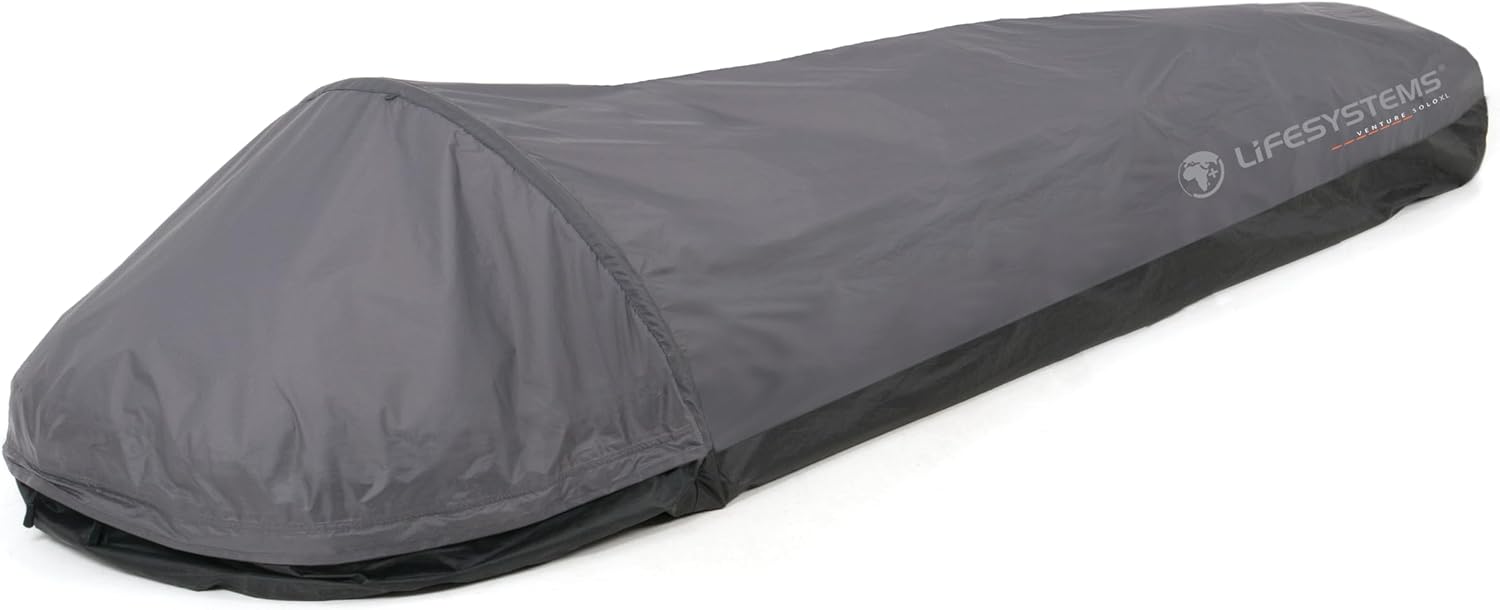
A sleeping bag is one of those bits of kit people only think about when they're already cold. It earns its place camping, but the reason it belongs in a home emergency kit is simpler: in a winter power cut with the heating off, the safest thing you can do overnight is get warm and stay warm without burning anything indoors. A good bag, a mat under it and a warm room do that job. The trouble is that sleeping-bag labels are full of numbers and jargon, and a cheap 'summer' bag will leave you shivering at 2am. This guide explains what actually keeps you warm and how to match a bag to UK conditions.
Start with the temperature rating, not the 'season' label
You'll see bags sold as 1, 2, 3 or 4 season. It's a useful shorthand — 1-2 season is summer, 3 season covers spring to autumn and mild winter nights, and 4 season is for genuine cold and frost — but it's marketing, not a standard. The number you should actually read is the temperature rating, ideally the EN 13537 / ISO 23537 figures printed on reputable bags.
That standard gives up to three numbers. Comfort is the temperature at which a 'standard' cold sleeper (tested as an adult woman) can sleep comfortably. Limit is where a 'standard' warm sleeper (tested as an adult man) can just about sleep. Extreme is a survival-only figure where you'd be cold and at risk of hypothermia — ignore it for planning. As a rule, buy to the comfort rating, not the limit or extreme, and give yourself a margin: for a UK winter, a comfort rating around 0°C or a little below is a sensible target for most people.
Everyone sleeps differently. If you feel the cold, add a season or aim a few degrees lower than you think you need. Tiredness, hunger, damp and alcohol all make you sleep colder, which matters in a real emergency as much as on a campsite.
Down vs synthetic fill
Down (goose or duck) gives the best warmth for its weight and packs down small, which is why lightweight and 3-4 season bags like the BUERTS ultralight down bag use it. The catch is that ordinary down loses most of its insulation when wet and is slow to dry — a real weakness in the damp UK. Look for a higher fill power (a loft measure) and, ideally, hydrophobic-treated down if you'll use it in wet conditions.
Synthetic fill is bulkier and a bit heavier for the same warmth, but it's cheaper, keeps insulating even when damp, dries faster and is easy to wash — which is why most affordable all-rounders, like the Vango Nitestar or the Amazon Basics 3-season bag, are synthetic. For a home emergency kit, car, or general UK camping where damp is likely, synthetic is usually the more practical, lower-worry choice. Save down for when low weight and pack size genuinely matter.
Shape: mummy vs rectangular
A mummy bag is tapered and hooded, so there's less air for your body to heat and it traps warmth well — the warmest, lightest option for cold nights, at the cost of room to move. A rectangular bag is roomier and more comfortable to sleep in like a duvet, but the extra space and lack of a hood make it cooler; it's better for summer, indoors, or people who dislike feeling wrapped up. Semi-rectangular bags split the difference.
Doubles, like the Berghaus Indulge or Trespass Catnap, are worth a mention for home use: two people sharing a double bag on a sofa bed or the floor of one warm room stay warmer together and it's genuinely comfortable — a sensible choice for couples or a parent and child riding out a power cut, though they're bulky and less warm per person than two snug mummy bags.
A bag alone isn't enough — you lose heat to the ground
The single most common mistake is putting a warm bag straight onto a cold floor. Your body weight crushes the insulation underneath you, so most of the heat you lose at night goes downward into the ground or floor. A sleeping mat (or even a folded blanket or cardboard in a pinch) sits between you and the cold and does half the work of keeping you warm. If you buy a good bag and skip the mat, you'll still be cold. See our separate guide on why a mat and bag work as a pair.
Getting the most warmth out of any bag
Wear a dry base layer and a hat, and don't overdress — thick clothing compresses the fill and can leave you colder. Eat something and have a warm drink before bed; your body needs fuel to generate heat. Use the hood and draw the collar closed on cold nights, and air the bag out in the morning so trapped moisture doesn't build up. A cheap bag liner adds a few degrees of warmth, keeps the bag clean, and is easier to wash than the whole bag. In a power cut, add a hot water bottle and keep to one warm room.
Which bag for which job
For a home winter power-cut kit: an affordable synthetic 3-4 season mummy bag per person (comfort around 0°C), with a mat under each, is the reliable core. For a couple or small family riding it out together, a warm double plus mats is comfortable and simple. For camping and the car: a synthetic 3-season bag copes with most UK trips; add a liner for colder nights. Only reach for a down bag if you're carrying it on your back and pack size and weight are the priority — and keep it dry.
Whatever you choose, buy to the comfort rating with a margin, pair it with a mat, and store it loosely (not crushed in its stuff sack) so the fill keeps its loft. A sleeping bag is cheap, lasts years, and is one of the few bits of kit that keeps you safe overnight when the power's off and the heating's dead — which is exactly when it matters most.