- 01 Why a sleeping bag is warmer: it's the shape, not just the filling
- 02 Mummy vs rectangular — and why the shape trade-off matters
- 03 The bit almost everyone misses: the cold comes from underneath
- 04 When a blanket is still the better choice
- 05 How to get the most warmth from whatever you've got
- 06 The short version
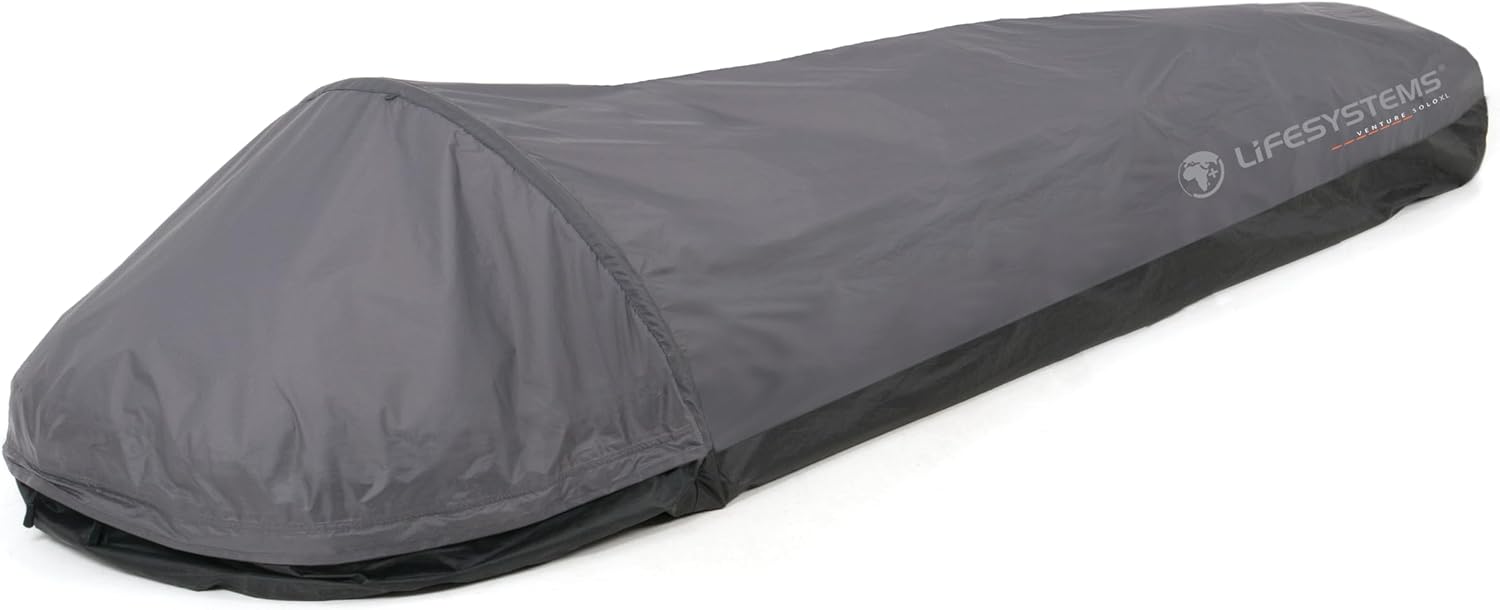
The short answer: for a given amount of insulation, a sleeping bag is almost always warmer than a blanket — not because the material is magic, but because of its shape. A bag wraps all the way around you and seals off the draughts a flat blanket leaves open, so the warmth your body makes stays trapped instead of leaking out at the edges. That matters most in the cold: an overnight winter power cut, camping out, or keeping a vulnerable person warm when the heating is off. This guide explains why the shape wins, when a blanket is still the better choice, and how to get the most warmth out of whichever you own.
If you're deciding what to buy for a cold night with no heating, the honest recommendation is a thermal sleeping bag as your main warmth, with a wool blanket or two as flexible top-up layers. We put the two head to head in wool blanket vs sleeping bag, and if you want to compare specific models, see our sleeping bag picks and emergency blankets and warmth picks.
Why a sleeping bag is warmer: it's the shape, not just the filling
Warmth from any bedding comes from trapped, still air — the loft of the down or synthetic fill (or the pile of a wool blanket) holds a layer of air that your body heats and the insulation stops from escaping. The problem with a flat blanket is that it can only lie over you. Every time you move it gaps at the shoulders, the sides and the feet, and cold air slides in while warm air slides out. A sleeping bag closes those gaps: it wraps underneath as well as over, the zip seals the side, and a good one has a hood and a draught collar to stop heat escaping at the neck — the biggest single leak. So even with the same weight of insulation, the bag keeps more of your own body heat, which is the only heat source you have on a cold night with the power off.
This is why the honest verdict to "are sleeping bags warmer than blankets?" is yes for cold conditions. It's not that a blanket can't be warm — pile enough good wool blankets on and you'll be toasty — it's that the bag gets you there with far less bulk and no draughts, and it keeps working when you roll over.
Mummy vs rectangular — and why the shape trade-off matters
Not all bags are equal. A mummy-shaped bag tapers to the feet and has a hood, so there's less air inside for your body to heat and fewer gaps for draughts — that's the warmest shape for its weight, and the one to choose for genuine cold. A rectangular bag is roomier and more comfortable but has more dead space to warm and usually no hood, so it's a little cooler for the same rating. Either still beats a loose blanket in the cold because it's sealed on the sides and underneath. If warmth in a winter power cut is the priority, a mummy or semi-mummy bag with a hood is the pick; if it's occasional mild-weather comfort, a roomy rectangular bag or a blanket may be pleasanter.
The bit almost everyone misses: the cold comes from underneath
Whether you use a bag or blankets, most of the heat you lose lying down goes straight into the floor. Your weight crushes the insulation beneath you flat, so it stops trapping air — and a cold hard floor, or worse a car seat or camp bed, pulls warmth out of you fast by direct conduction. This is why a sleeping mat matters as much as the bag on top: it puts a layer of uncrushable insulation between you and the ground. A mat's warmth is rated by R-value — higher is warmer — and for a cold UK night indoors on a hard floor you want roughly R3 or more. A brilliant sleeping bag on a bare floor will still feel cold; a modest bag on a decent mat can feel fine. If you only take one lesson from this guide, it's this one — see sleeping mat vs sleeping bag for the full picture.
When a blanket is still the better choice
Blankets aren't beaten on everything. They're more versatile: you can throw one over your shoulders on the sofa during a power cut, wrap a child, share body heat between two people, or layer several to fine-tune warmth in a way a fixed bag can't. A wool blanket keeps insulating even when damp and is close to fireproof, which makes it a sensible thing to have near a wood burner or in a car. And a foil emergency blanket has a job no sleeping bag matches: it's tiny and weighs almost nothing, so it lives in a grab-bag, first-aid kit or car for reflecting heat back in an emergency or over the top of a sleeping bag for a warmth boost. The sensible kit isn't bag-or-blanket — it's a bag as your main warmth plus a blanket or two for flexibility and a foil blanket for the pocket. We compare the two foil-vs-wool options in emergency blanket vs wool blanket.
How to get the most warmth from whatever you've got
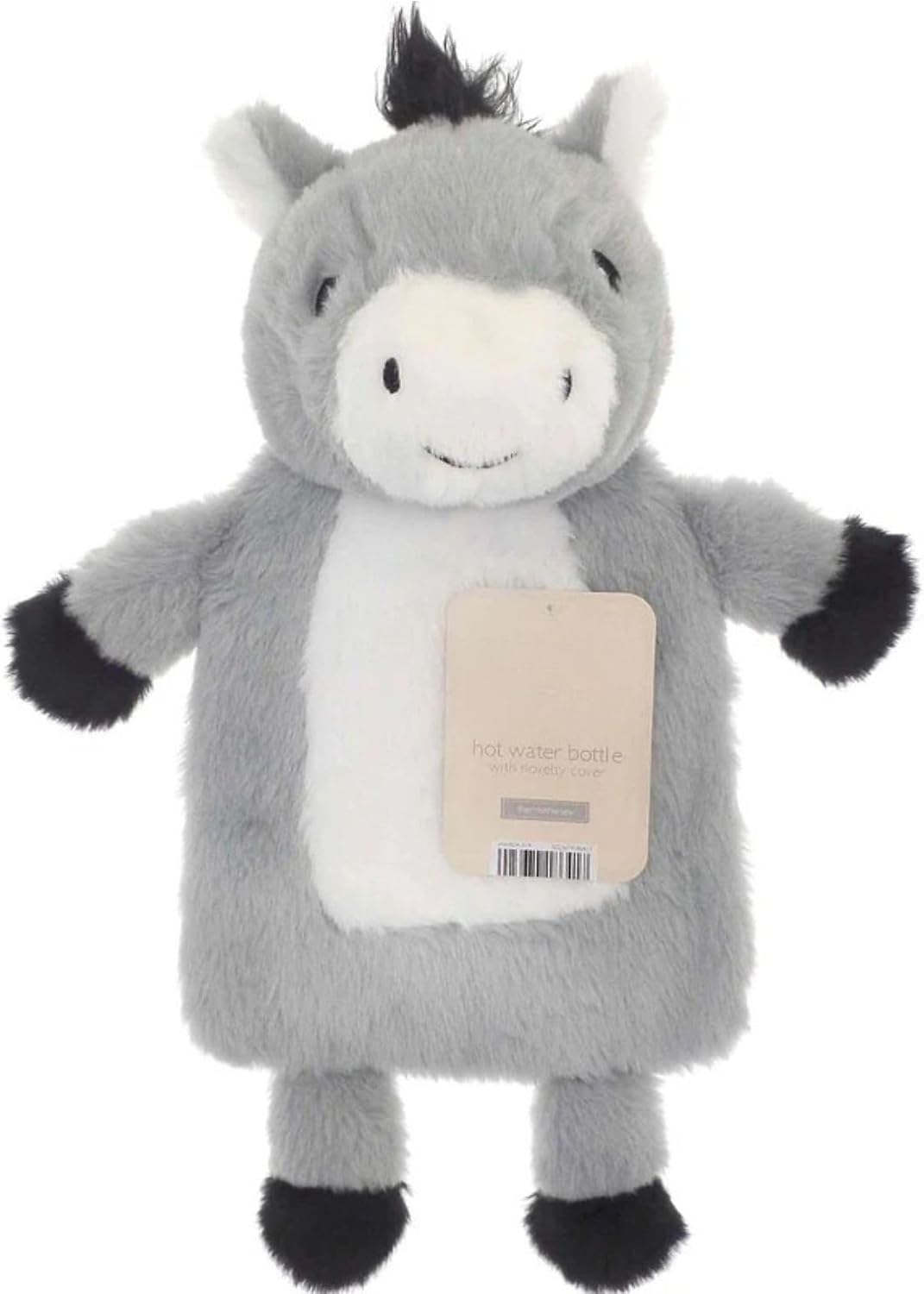
Warmth is about layers and sealing gaps, not one hero item. Get insulation underneath you first — a sleeping mat, or failing that cushions, a folded blanket or cardboard between you and a cold floor. Put a thermal base layer on and keep a hat on — a lot of heat leaves through the head, which is exactly why a hooded bag helps. If you're in a sleeping bag, add a wool blanket over the top and a foil emergency blanket over that to reflect heat back. A hot water bottle or a couple of hand warmers tucked in the core (not the feet) warm the bag before you get in. And warm up before you get cold — eat something, have a warm drink, and don't wait until you're shivering to layer up. In a house with no heating, close down to one room and follow staying warm in a UK winter power cut and set up a warm room.
The short version
For cold nights, a sleeping bag is warmer than a blanket for the same insulation because it wraps all the way round and seals the draughts — a hooded mummy bag most of all. But the biggest warmth win for either is a sleeping mat underneath to stop the floor stealing your heat, and blankets stay useful for flexibility, sharing and damp conditions. Buy a good bag as your main warmth, keep a wool blanket and a foil blanket alongside it, and layer the two together on the coldest nights. See our sleeping bag buying guide for how to pick a bag, and wool blanket vs sleeping bag to weigh them up directly.