When the heating and lights go off in winter, trying to keep the whole house comfortable is usually the wrong target. A better plan is to make one room warm, lit and calm enough for everyone to wait safely while you check the outage and decide what needs doing next.
This guide is for ordinary UK homes during a short to medium power cut caused by weather, network faults or planned work. It does not assume specialist kit. The priority is to conserve heat, avoid carbon monoxide and fire risks, keep phones alive, and protect anyone who is older, very young, unwell or less mobile.
Choose the right room
Pick a small, easy-to-close room where people can sit or sleep safely. A living room often works well because it has seating, curtains and space for a lantern. A bedroom can be better for an older person or someone who needs to rest. Avoid rooms with large uncurtained windows, obvious draughts or lots of hard flooring if you have a better option.
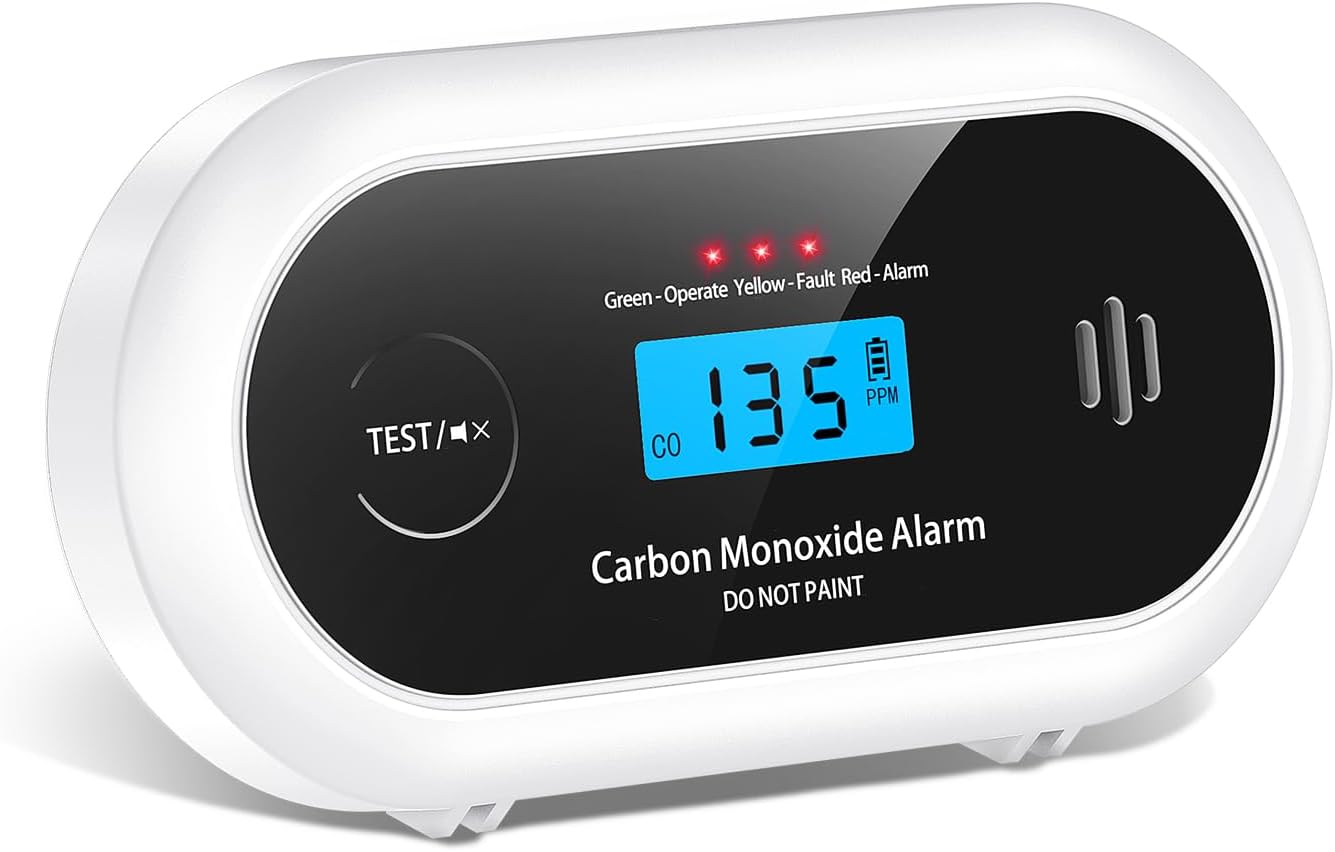
If the room has a working open fire, log burner or gas fire, use it only if it is properly installed, serviced, ventilated and watched. Fit and test a carbon monoxide alarm before winter. If you do not already use the appliance safely in normal life, a power cut is not the moment to experiment.
Trap heat before the room cools
Close internal doors, shut curtains before dusk and block obvious draughts with towels or draught excluders without covering air bricks, vents or flues. Put a rug, blanket or foam mat under feet if the floor is cold. Move everyone into the room early rather than waiting until the whole house has cooled.
Layer people before layering the room. A thermal base layer, fleece, hat, thick socks and blanket will do more good than sitting in light indoor clothing under one heavy throw. Keep children and older people dry and check hands, speech and alertness regularly.
Use safe warmth, not improvised heaters
Never use a barbecue, camping stove, gas hob, oven, outdoor heater or generator indoors, in a porch, garage or shed. They can produce carbon monoxide, and carbon monoxide has no smell. Candles are also a poor heating method and add a fire risk, especially around blankets, pets or tired children.
Safer low-tech warmth is boring but effective: wool blankets, sleeping bags, hot water bottles if you can heat water safely, hand warmers, hats and shared body heat in one room. If you have a battery power station and an electric blanket or low-wattage heated throw, only use combinations that are within the power station's rated output and the product instructions.
Set up lighting that prevents falls
Put one stable LED lantern in the room and one torch or head torch near the door. Avoid relying on a phone torch because you may need the phone for calls, outage updates and emergency contact. A head torch is useful for checking the fuse box, making a drink or helping someone move safely.
Keep lights low but predictable. Flashing modes and very bright torches can make a stressed room feel worse. The aim is enough light to walk, read labels and find medicines without dazzling anyone.
Keep phones, radios and power in one place
Put a charged power bank, charging leads, wind-up or battery radio and written phone numbers together in the warm room. If mobile data is unreliable, local radio may still carry weather, road and incident updates. Use battery saver mode and avoid leaving phones on video or social feeds while you wait.
For households with care needs, keep the one-page plan in the same place: energy supplier, 105 for power cuts, medical contacts, medication notes, key safe details and who to call first. A warm room plan is much more useful when someone else can understand it quickly.
Plan food, drinks and medicines
Warm drinks help morale, but do not cook indoors with outdoor stoves. If you have a safe way to heat water, fill flasks early so you are not repeatedly setting up a stove or opening the room. Keep simple food nearby: cereal bars, crackers, tinned food that can be eaten cold, baby food if needed and water for medicines.
Medicines matter more than comfort. Keep regular medicines, glasses, hearing aid batteries, continence supplies, baby items and pet essentials where they can be found in the dark. Do not leave temperature-sensitive medicines in a freezing car or unheated outbuilding without advice from a pharmacist or clinician.
Check vulnerable people first
Older people, babies, people with mobility problems and anyone with a health condition can lose heat faster or struggle to respond. Check whether they are warm enough, able to drink, able to reach the toilet safely and able to call for help. If someone depends on powered medical equipment, follow their equipment plan and call for medical help if health is at risk.
If someone becomes confused, very drowsy, unusually clumsy, has slurred speech, stops shivering despite being cold, develops chest pain or has difficulty breathing, treat it as urgent. A warm room is not a substitute for emergency care.
Reset the room after the power returns
When the lights come back on, check people before appliances. Recharge power banks, radios and torches, refill any used hand warmers or batteries, put blankets back where they belong and note what did not work. If the room was too cold after two hours, add better layers, a thicker blanket or a safer plan for the next outage.
A good warm room setup is not dramatic. It is a short, repeatable household routine: gather people, close the heat in, use safe light, keep phones alive, avoid unsafe heat sources and look after the person most likely to struggle first.