An emergency blanket — the crinkly foil sheet also sold as a space blanket, survival blanket or Mylar blanket — is the cheapest bit of warmth kit you can buy and one of the most misunderstood. For a couple of pounds it packs down smaller than a phone and can genuinely help stop someone losing heat in a crisis. But it is a stopgap, not a sleeping bag, and plenty of people over-trust it. This guide covers what it actually does, when it helps, where the cheap ones fall down, and which type to buy for the car, the grab bag and the first-aid kit.
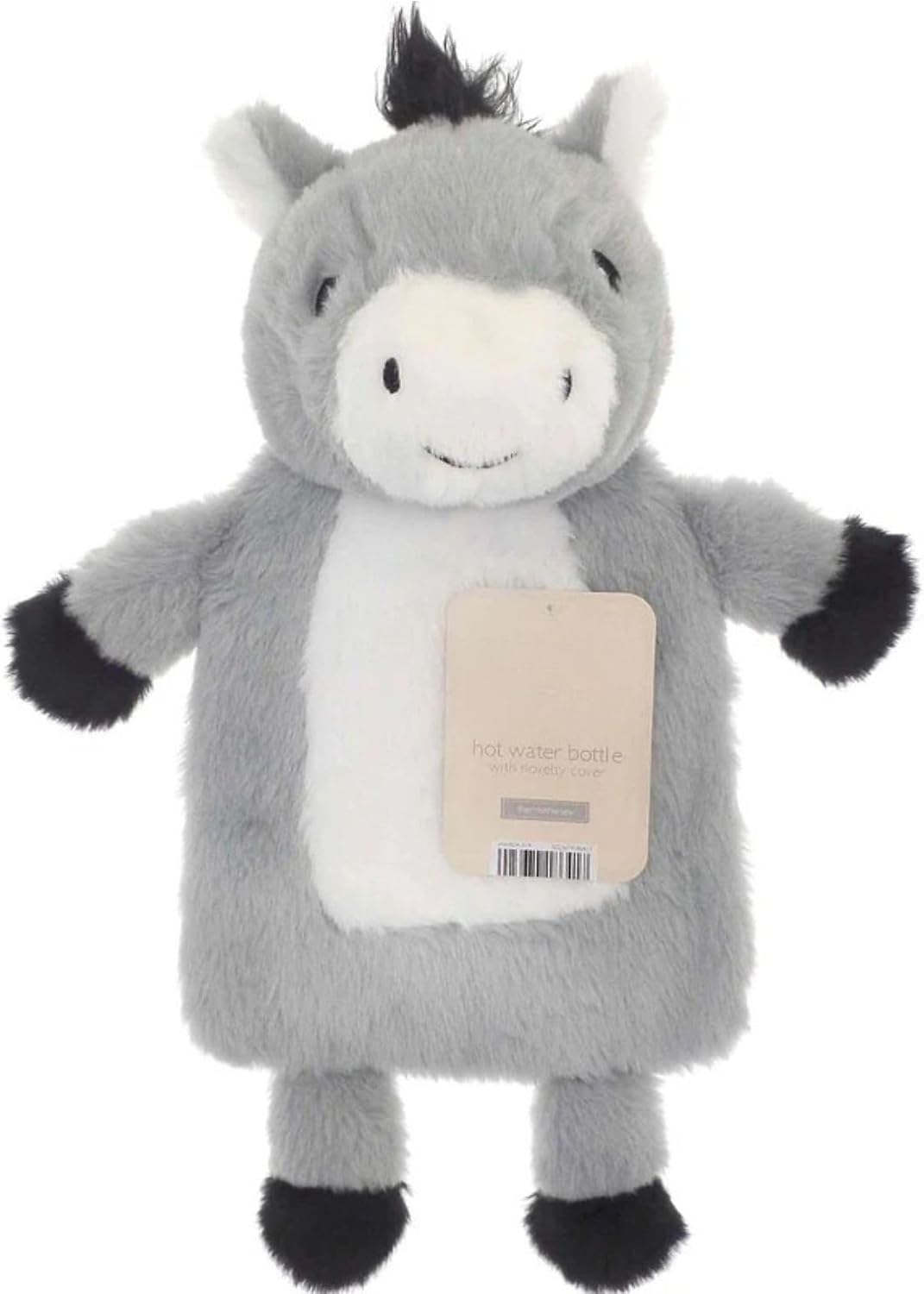
If you want serious, repeatable warmth for a cold night indoors during a power cut, a foil blanket is not the answer — a thermal sleeping bag, a wool blanket or a hot water bottle will do far more. Where the foil blanket earns its place is as an ultra-light emergency backup you can stash everywhere. We cover the trade-off in sleeping bags vs blankets; here we focus on the foil blanket itself.
What an emergency blanket actually does
A foil blanket works by reflecting radiated body heat back at you and by cutting the wind and rain that strip heat away. The metallised plastic film bounces back a large share of the infrared warmth your body gives off, and because it is windproof and waterproof it stops the convective and evaporative heat loss that makes you cold fastest outdoors. Wrapped snugly around someone, ideally over a layer of clothing and with a barrier underneath them, it slows the slide toward hypothermia while you get them to shelter or help.
What it does not do is generate heat or insulate the way a duvet does. It has almost no loft, so once you are already cold it warms you slowly, and if it is your only layer against frozen ground the cold underneath will win. Think of it as a heat-retention tool for someone who still has warmth to keep, not a rescue device that reheats someone who is already deeply chilled. It buys time; it does not replace shelter, dry clothing and a real heat source.
The two types: cheap foil sheet vs reusable heavy-duty
There are two things sold under the same name. The classic is the thin single-use foil sheet — a few grams, folds to the size of a matchbox, costs pennies in a multipack. It is fragile, tears easily, is fiddly in wind and is really a one-emergency item, but at that price you stash one in every bag, glovebox and coat pocket. The second is the heavier reusable survival blanket, often with one foil side and one bright orange or olive fabric side, sometimes with taped seams and eyelets. It is bulkier and dearer but survives repeated use, doubles as a ground sheet or signal panel, and stands up to wind far better.
For most people the honest answer is buy both jobs. Keep a cheap foil multipack spread across the car, first-aid kit and everyday bags so there is always one to hand, and keep one heavier reusable blanket in the car boot or grab bag where you would actually rely on it for a sustained wait. A 10-pack of foil blankets costs about the same as one coffee and means you never have to ration them.
Foil blanket vs bivvy bag
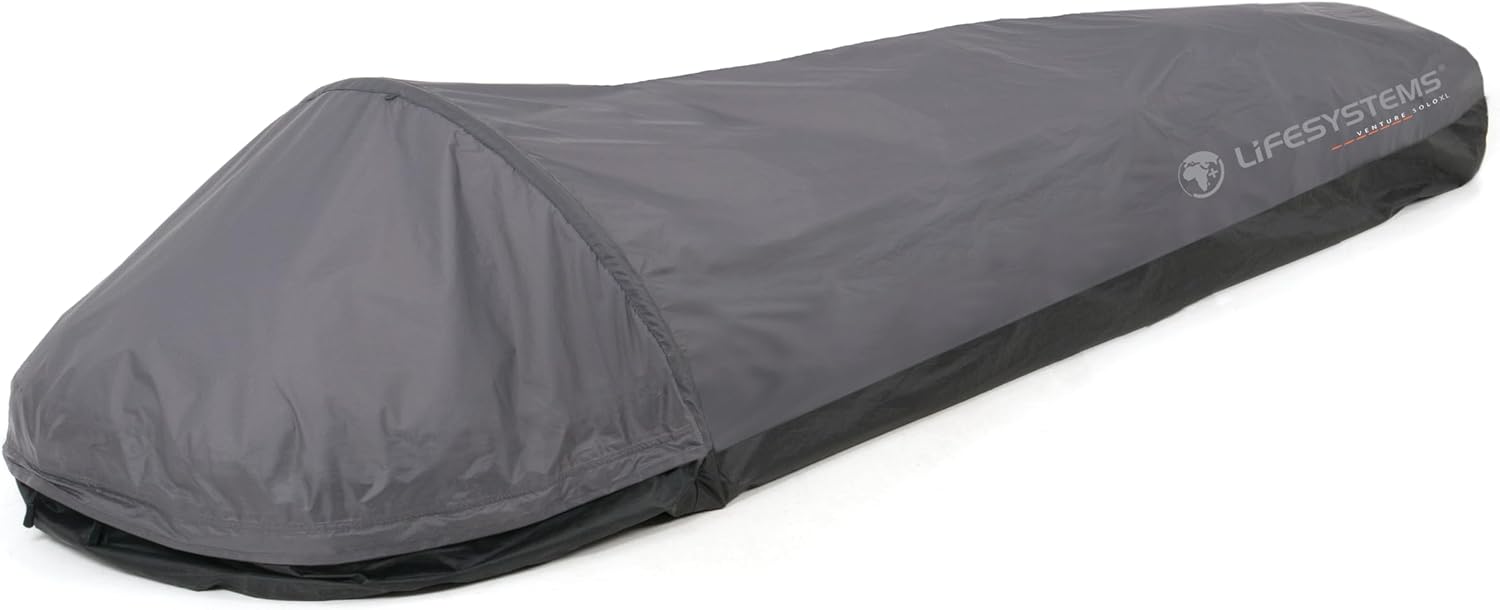
A step up from the flat foil sheet is the foil emergency bivvy — a sealed bag you climb inside rather than a sheet you wrap around yourself. Because it traps a pocket of warm air on all sides and cannot blow open, a bivvy retains heat noticeably better than an open blanket and is far easier to use alone in wind. For anyone spending real time outdoors — hillwalking, cycling, a car kit for rural roads — a foil or synthetic bivvy bag is the better emergency-warmth buy, and the flat blanket becomes the ultralight backup rather than the main line of defence. We compare them in more depth on the emergency blanket vs bivvy bag page.
How to use one properly
Get a barrier between the person and the cold ground first — a rucksack, a coat, anything — because most of the heat loss when you are lying down goes straight down, and the foil does little to stop that on its own. Wrap the blanket over dry clothing, not bare skin, and tuck it in so wind cannot get underneath and balloon it. If you can, add a real layer over the top: the foil holds warmth in, but a coat or wool blanket on top of it does far more than the foil alone. In wind, a bivvy or wrapping the person and sitting on the excess beats trying to hold a flapping sheet closed.
The mistakes people make
Two things trip people up. First, treating the blanket as insulation you can lie on — it isn't; put it around you and something soft underneath. Second, expecting it to warm a cold room: draping foil over a window or yourself indoors during a power cut does very little compared with layering up, closing off one room and using a hot water bottle. The foil blanket is an outdoor and emergency tool. Indoors, reach for proper warmth kit.
Where to keep them
The whole point of a foil blanket is that it is small and cheap enough to be everywhere, so spread them. Put one in the car emergency kit for a winter breakdown, one in each grab bag, one in the first-aid kit, one in each family member's coat or day pack, and a heavier reusable one in the car boot. A blanket you own but left at home helps nobody; the value is in redundancy. Check them once a year — thin foil can crack along old fold lines — and replace any that have been opened.
Fitting it into a real winter kit
An emergency blanket is a supporting act, not the star. For a UK winter, build outward from it: a thermal sleeping bag or bivvy bag for genuine warmth, hand warmers and a hot water bottle for spot heat, thermal base layers so you start warm, and the foil blankets scattered through it all as the cheap last line of defence. If you are assembling a kit from scratch, what to buy before a winter storm and the winter walking safety kit put the whole picture together.
The short version
Buy a multipack of cheap single-use foil blankets and stash them everywhere — car, grab bag, first-aid kit, coat pockets — and add one heavier reusable blanket or a bivvy where you would actually rely on it. Use them over clothing, with something between you and the ground, and treat them as a stopgap that buys time, not as real bedding or indoor heating. See our emergency blanket picks for buyable, availability-checked options.