Home / Comparison
Side-by-side comparison

Emergency Blanket vs Bivvy Bag

Emergency Blanket vs Bivvy Bag

An emergency blanket is the tiny foil sheet many people keep in a first-aid kit, car door pocket or walking pack. It reflects heat, blocks wind and rain for a short period, and is best used around someone who is injured, shocked, stranded or cooling down while waiting for help.

A bivvy bag is a more enclosed emergency shelter layer. It usually forms a windproof and water-resistant bag around the body and, in better versions, works with clothing or a sleeping bag to slow heat loss for longer. For UK winter walking, roadside delays and storm-season backup kits, the difference is not just size: it is how long you may need to stay put.

Feature comparison

FeatureEmergency BlanketBivvy Bag
Primary jobReflects body heat and gives a quick wind and rain barrier around one person.Creates a more enclosed survival bag to reduce wind chill and exposure over a longer wait.
Best UK use caseFirst-aid kits, car kits, event bags and any kit where tiny pack size matters.Winter hill walks, rural driving delays, cold-weather camping backup and anyone who may need to shelter in place.
WarmthGood at reducing radiant heat loss, but easily loses effectiveness if loose, torn or used in strong wind.Usually warmer in practice because it wraps around the body and traps a stiller layer of air.
Weather protectionWater-resistant and wind-blocking, but awkward to keep sealed around the body.Better coverage from wind and light rain, especially when sitting or lying still.
Pack sizeExtremely small and light; easy to add to almost every kit.Still compact, but bulkier and heavier than a foil blanket.
DurabilityThin foil tears easily and is often effectively single-use after a real incident.Usually tougher and easier to reuse, though lightweight emergency bivvies still need careful handling.
Typical price bandOften a few pounds each, or less in multipacks.Usually more expensive, from budget emergency bags to higher-quality survival bivvies.

When to choose Emergency Blanket

Choose an emergency blanket when the kit has to be tiny, cheap and universal. It belongs in first-aid kits, glove boxes, school-trip bags, running belts, day packs and office grab bags because it gives useful exposure protection for almost no weight or cost.

It is the right first buy if you are building a basic home or car emergency kit on a tight budget. Use it close around the person, keep them off cold ground where possible, add dry layers underneath, and treat it as a temporary measure while you move them somewhere safer or wait for help.

When to choose Bivvy Bag

Choose a bivvy bag when there is a realistic chance of a longer cold wait. That includes winter hill walking, rural driving, solo travel, camping, fishing, outdoor work, or any journey where bad weather could leave someone stationary for an hour or more.

A bivvy bag is also easier to use in wind because it encloses the body rather than flapping like a sheet. It still is not magic insulation: the person needs dry clothing, a hat, ground insulation if available, and a plan to avoid sweating or condensation inside the bag.

Our verdict

For most UK households, the emergency blanket is the first layer because it is cheap, tiny and easy to put in every relevant kit. A bivvy bag is the upgrade when exposure risk is more serious or the likely wait is longer.

The strongest setup is not either-or: keep foil blankets in first-aid and car kits, then add a bivvy bag to winter walking packs, rural car kits and any bag intended for cold-weather sheltering.

Top picks · Trusted suppliers

Recommended products

Lifesystems Emergency Foil Thermal Blanket

Lifesystems Emergency Foil Thermal Blanket

A single branded foil survival blanket that reflects radiated body heat back to help stave off hypothermia while you wait for help. It packs down small enough to live in a coat pocket, car glovebox or first-aid kit. Best treated as one-time emergency insulation rather than reusable kit.

  • Reflects back a large share of radiated body heat
  • Packs down tiny — fits a pocket, glovebox or first-aid kit
  • Windproof and waterproof foil layer
Check price on Amazon →
Emergency Foil Survival Blanket (10 Pack)

Emergency Foil Survival Blanket (10 Pack)

A multipack of reflective mylar blankets that reflect body heat back to fight the cold and shock. Cheap insurance to scatter through car, home and grab kits.

  • Reflects back much of your radiated body heat
  • Weighs almost nothing and packs flat
  • Multipack covers several kits at once
Check price on Amazon →
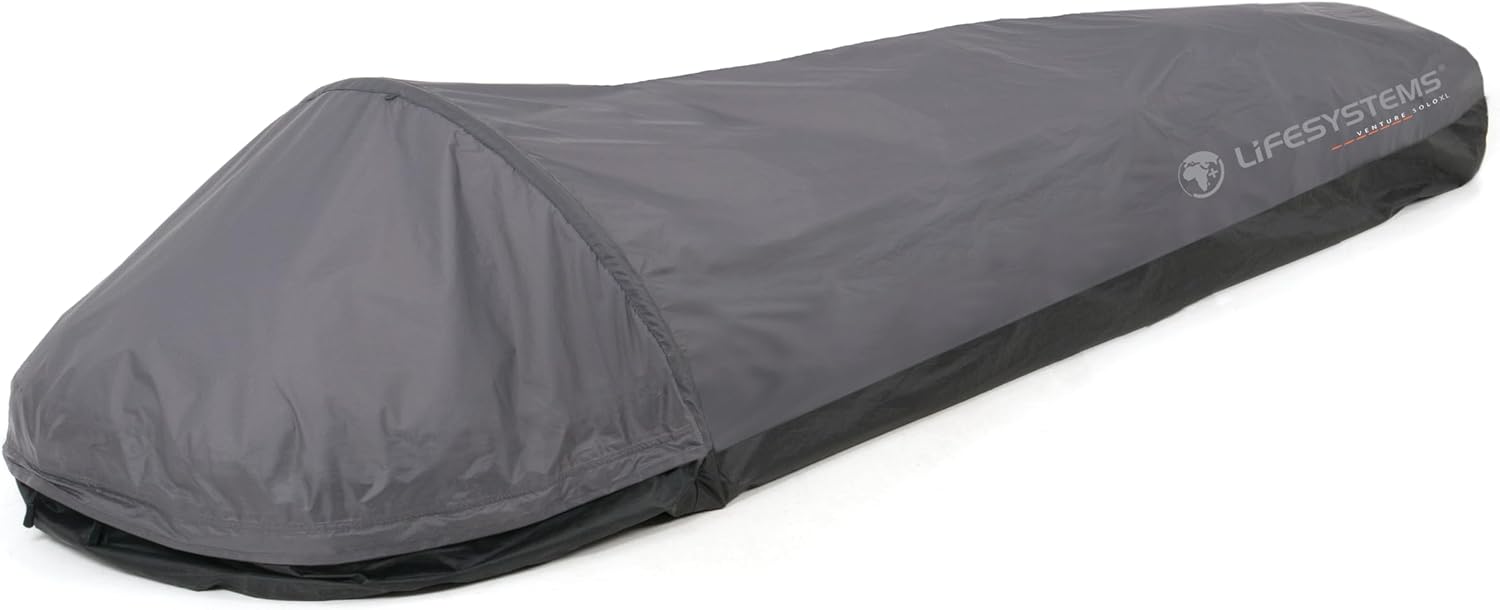
Lifesystems Venture Solo Bivi Bag

Lifesystems Venture Solo Bivi Bag

A compact emergency bivi bag from Lifesystems that reflects body heat back to keep you warm if you're stranded or injured outdoors. The kind of lightweight insurance that lives in a rucksack for hillwalks and long drives.

  • Reflective lining helps retain body heat in the cold
  • Windproof and waterproof outer shields against the elements
  • Packs down small and light enough to always carry
Check price on Amazon →
SOL Emergency Bivvy

SOL Emergency Bivvy

A lightweight reflective survival bag that traps body heat to fend off hypothermia in a cold-weather emergency. Packs down small enough to live permanently in a rucksack or car.

  • Reflects back a large share of your body heat
  • Tears far less easily than a thin foil blanket
  • Compact and light enough to always carry
Check price on Amazon →