A sleeping mat solves the problem most people underestimate on a cold night: the ground. Lying on cold concrete, tiles or earth pulls heat out of you faster than the air ever will, and no amount of blankets on top makes up for an uninsulated surface underneath. A self-inflating or inflatable mat puts a layer of trapped air between your body and the floor, and that insulation — measured as an R-value — is what actually keeps you warm when you sleep on the ground during a power cut, a house evacuation, or a night in the car. The trade-off is bulk and, for inflatable mats, a small risk of a puncture, though a self-inflating foam mat still gives some insulation even flat.
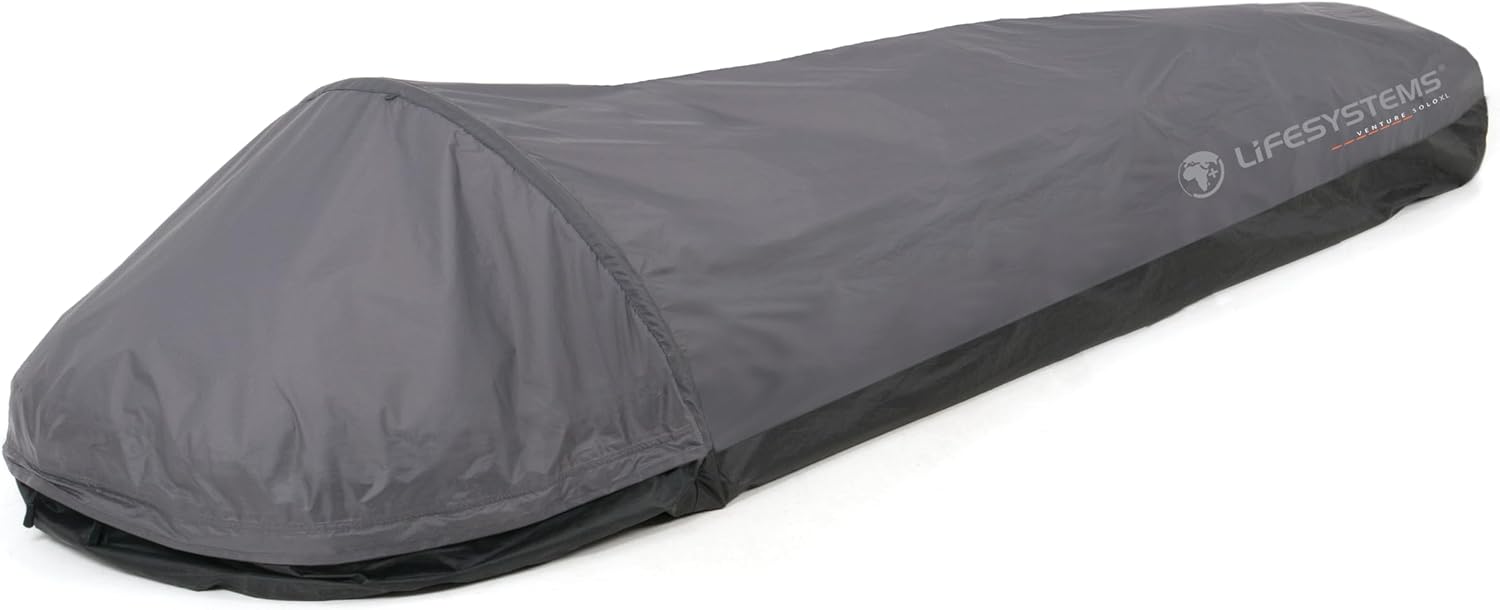
A bivvy bag solves a different problem: the weather. It is a waterproof, windproof shell you climb into, either around a sleeping bag or on its own in an emergency, and its whole job is to keep rain, wind and ground damp off you and the insulation you are relying on. The lightweight emergency versions weigh almost nothing and pack to the size of a fist, which makes them ideal grab-bag and car items, but on their own they provide very little warmth — a night in just a bivvy is about survival, not comfort. Crucially, a bivvy does almost nothing about heat lost into the ground, which is exactly the gap a mat fills.