- 01 Duct tape: the all-purpose first reach
- 02 Zip ties: fast, strong, and genuinely reusable if you buy the right kind
- 03 Bungee cords: tension where tape and ties can't help
- 04 A basic sewing kit: for the fixes tape can't hold
- 05 Putting it together
- 06 Common repairs this kit actually handles
- 07 Buying tips
- 08 The short version
Gear fails at inconvenient moments — a strap tears, a tent pole cracks, a rucksack buckle snaps, a boot sole starts to peel. None of these are emergencies on their own, but left unfixed in the field they can turn a minor annoyance into a genuine problem. A small field repair kit solves most of this on the spot: duct tape, zip ties, bungee cords and a basic sewing kit between them cover the overwhelming majority of common gear failures, and together they weigh and cost almost nothing.
Duct tape: the all-purpose first reach
A few metres of duct tape wound flat around a water bottle or a short length of pencil fixes more problems than anything else in this kit — patching a torn tent, sealing a split seam, reinforcing a worn strap, or holding a cracked pole together until you're home. It sticks to almost anything, works wet or dry, and doesn't need tools. Its weakness is anything that flexes or needs to come apart again cleanly; for that, the other three tools in this kit pick up the slack.
Zip ties: fast, strong, and genuinely reusable if you buy the right kind
Zip ties are the quickest fix for anything that needs to be cinched tight and held — a loose buckle, a flapping bit of kit, bundling cordage, even a temporary fix for a broken zip pull. Standard ties are one-use (cut to remove), but releasable cable ties with a small tab let you undo and reuse them, which is worth the slightly higher cost for a repair kit you'll use repeatedly rather than once. Keep a mix of sizes — a few long, heavy-duty ties alongside smaller ones cover far more jobs than a single size.
Bungee cords: tension where tape and ties can't help
Where duct tape and zip ties hold things together, bungee cords hold things in place under tension — lashing a rolled sleeping mat to a pack, securing a tarp corner against wind, or keeping a car boot lid down over an awkward load. The hook ends make them quick to attach and remove without any tool, which is exactly what you want for something you'll reposition often. They're not a structural fix the way tape or a stitch is, but for keeping things from flapping, shifting or falling off, nothing in this kit beats them.
A basic sewing kit: for the fixes tape can't hold
Tape and ties are quick, but neither survives repeated flexing or load the way a stitch does — a torn pack strap, a popped button, or a split seam on clothing will eventually win against tape alone. A compact sewing kit with a few needles, strong thread and a handful of spare buttons takes up almost no space and handles the repairs that genuinely need to hold for the rest of a trip, not just until you get home. It's the slowest tool in this kit to use, which is exactly why it's for the repairs the others can't manage.
Putting it together
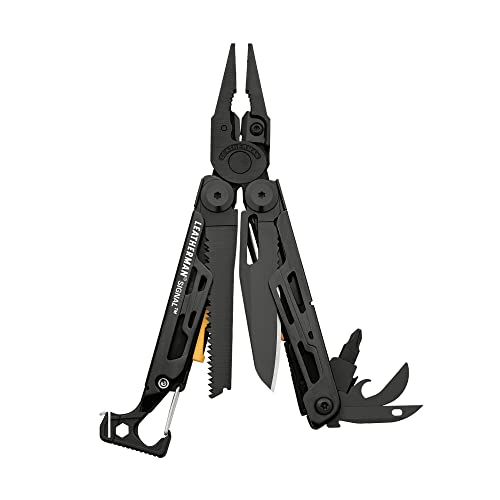
None of this needs its own bag — a small zip pouch in a grab bag rucksack or the lid pocket of a daypack holds all four items with room to spare. A multi-tool with scissors or a small blade makes using tape, ties and thread considerably easier, so it's worth keeping the two together. Check the kit occasionally — tape left rolled for years can lose its stick, and thread can perish — but otherwise this is as close to fit-and-forget as emergency kit gets.
Common repairs this kit actually handles
A few concrete examples show how these four items work together: a boot sole starting to peel can be wrapped with duct tape to get you home, then properly reglued or replaced later. A tent pole that's cracked can be splinted with a short stick and duct tape, or in a pinch, zip-tied to a nearby guy line for extra support. A rucksack strap that's torn at the stitching holds far better with a few passes of needle and thread than tape alone, since tape peels under the repeated pulling a shoulder strap takes. And a tarp corner that's lost its grommet can often be re-rigged with a bungee cord looped through a makeshift toggle rather than needing the tarp replaced.
Buying tips
For duct tape, a smaller roll wound flat around something else (a water bottle, a pencil, a lighter) saves carrying a full-size roll you'll barely dent. For zip ties, a mixed pack with a few different lengths is more useful than a single size, and releasable ones are worth the extra cost for a kit you'll reuse. For bungee cords, hook-ended ones in a couple of lengths cover far more jobs than one size of cord. For a sewing kit, look for one with a few needle sizes, strong polyester thread rather than thin cotton, and a small pair of scissors or thread cutter included.
The short version
A field repair kit is cheap, tiny, and fixes the overwhelming majority of gear failures on the spot: duct tape for a fast patch, zip ties for cinching things tight, bungee cords for holding things under tension, and a sewing kit for the repairs that need to actually hold. Pack all four together and a torn strap or cracked pole stops being a reason to cut a trip short.