A roll of strong tape is one of the cheapest, most useful things in any emergency kit. When a storm strips a ridge tile or cracks a window, when a tarp needs its edges sealed, when kit splits, a hose weeps or a boot sole starts flapping, good tape buys you time — a temporary, weatherable fix that holds until you can do the job properly. The trouble is that "duct tape" now covers everything from thin, weak pound-shop rolls to heavy-duty adhesive tapes like Gorilla Tape that behave very differently. This guide explains what to buy for a UK prep kit, what strong tape genuinely holds, and — just as important — what it will not do.
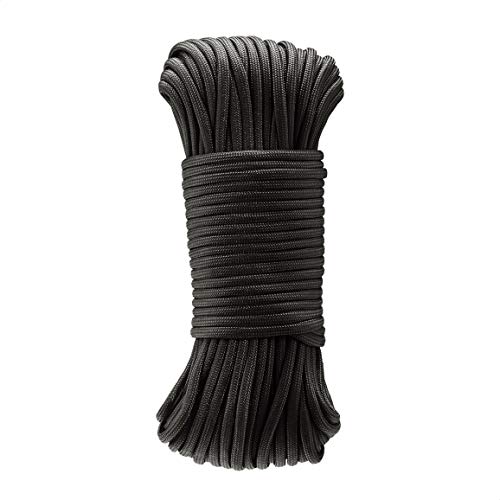
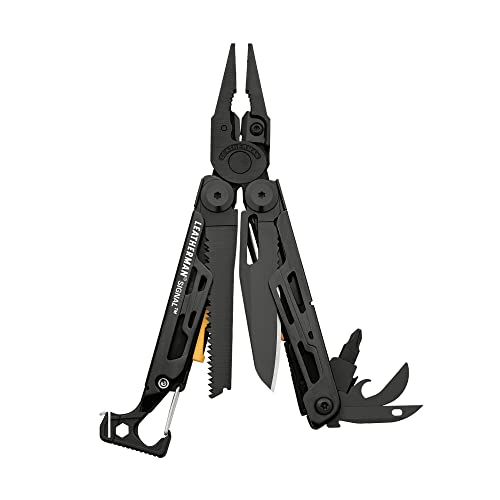
Tape earns its place alongside the rest of the repair and shelter kit rather than replacing it. Keep it with a tarpaulin, paracord and bungee cords for storm cover, a multi-tool for cutting and prising, and your first aid kit. For the wider picture see our tarp buying guide, paracord guide and storm preparedness.
Cloth duct tape vs heavy adhesive tape
Most rolls fall into two camps. General-purpose cloth duct tape — like the 3M 1900 — is a fabric-backed tape with a rubbery adhesive: it tears cleanly by hand, sticks to plastic, wood, metal and fabric, and is the sensible default for everyday repairs, taping tarp edges, bundling kit and quick weatherproofing. Heavy adhesive tapes such as Gorilla Tape use a thicker cloth backing and a much stronger, tackier adhesive that grips rough, uneven and slightly damp surfaces far better, and holds under load where thinner tape peels. The trade-off is that Gorilla-type tape is harder to tear by hand, costs more per metre, and can leave more residue.
For a UK kit the honest answer is to carry both jobs: a general-purpose cloth roll for the many light, tidy repairs where hand-tearing and easy removal matter, and one heavy roll for the times you need real grip — sealing a tarp against wind, holding a cracked pane's shards in place, or a fix that has to survive weather. A short Gorilla Handy Roll lives easily in a grab bag or glovebox, while a full-size roll stays in the shed or the home emergency box.
What strong tape actually holds — and what it doesn't
Tape is brilliant at surface repairs: sealing seams and edges, patching holes in tarps and sheeting, bundling and lashing, reinforcing a tear, keeping wind and rain out of a gap, and holding two flat surfaces together while an adhesive or a proper repair sets. In a storm it will temporarily hold cracked glass together so it doesn't shower down, seal the edge of a tarp over damaged roofing, and close draughty gaps that are bleeding heat during a power cut. It's also genuinely handy in first aid for securing dressings or splint padding when nothing better is to hand — though purpose-made medical tape is kinder to skin.
What tape will not do is make a permanent or structural repair. It doesn't bond well to cold, wet, dusty, greasy or flaking surfaces, it creeps under sustained load and in the cold, and it fails over time as the adhesive dries or the backing degrades in UV. Never rely on tape to hold anything safety-critical, to seal a live gas or water leak beyond a very short-term stopgap, or to "fix" storm damage you should not be near in the first place — a damaged roof is a job for daylight, dry conditions and often a professional, not a ladder in a gale. Treat every taped fix as buying time, then do it properly.
What to look for when buying
Width and length: 48–50mm is the useful all-rounder width; a 10–50m length is plenty for a kit, and a couple of shorter rolls stored in different places beat one big roll you can never find. Backing and adhesive: cloth (fabric-reinforced) tape tears by hand and conforms to shapes better than plastic packing tape, which is why it's the prep default; a stronger adhesive matters most for rough, cold or slightly damp surfaces. Brand: recognisable names — 3M, Gorilla, and reputable own-brands — are worth the small premium over unbranded rolls that lose their grip in the cold or leave gummy residue. Colour is mostly cosmetic, though black and silver are the most versatile and a roll of bright tape can double as marking or signalling.
Our duct tape picks list availability-checked options spanning both jobs: a long 3M 1900 cloth roll for general repairs, and several Gorilla Tape rolls — from a compact handy roll to heavy-duty and Ultimate — for the times you need maximum grip on awkward surfaces.
Storing tape so it works when you need it
Tape is only useful if it still sticks when the moment comes, and adhesive tape does age. Keep rolls out of direct heat and sunlight, ideally in a sealed bag or box so dust and damp don't reach the exposed edge; a dusty, sun-baked roll left on a shelf for years may peel straight off when you try to use it. Fold a small tab back on the loose end so you can find it quickly in the dark or in gloves, and check your kit rolls occasionally — if the adhesive has gone hard, shiny or won't grab, replace it. Because tape is cheap, spread it around: one roll in the grab bag, one in the car, one in the home emergency box and one in the shed means you're never hunting for it during an actual emergency.
The short version
For UK preparedness, keep two kinds of tape: a general-purpose cloth duct tape for everyday, hand-tearable repairs and tidy fixes, and one heavy adhesive tape like Gorilla Tape for real grip on rough, cold or damp surfaces and jobs that must survive weather. Buy a recognisable brand in a 48–50mm width, store rolls sealed and out of heat and sun, and spread them across the grab bag, car, home box and shed. Remember what tape is for — buying time with a temporary, weatherable fix — and never treat a taped repair as permanent, structural or a substitute for staying safe. See our duct tape picks and storm preparedness guide for the wider kit.