A tarpaulin is the most useful bit of kit almost nobody thinks to buy until they need it. When a storm lifts a few tiles and rain is getting into the loft, when a fence panel goes and you need to cover a gap, when you're camped out and want a dry patch of ground or a rain shelter over the tent door — a decent tarp does the job for a handful of pounds. But "tarpaulin" covers everything from a flimsy blue builder's sheet to a proper ripstop shelter tarp, and the wrong one tears at the first gust. This guide covers the types, what the numbers mean, how to size and secure one, and where a tarp earns its place in a UK home and outdoor kit.
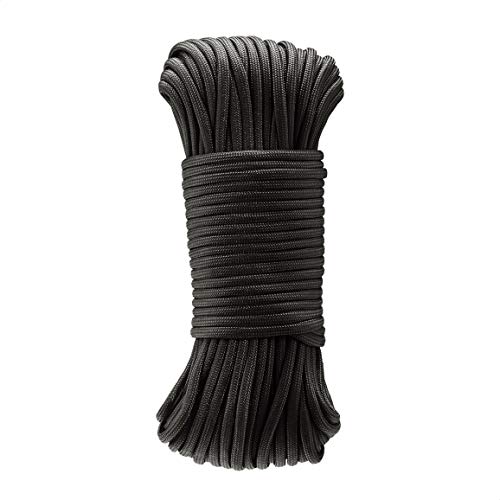
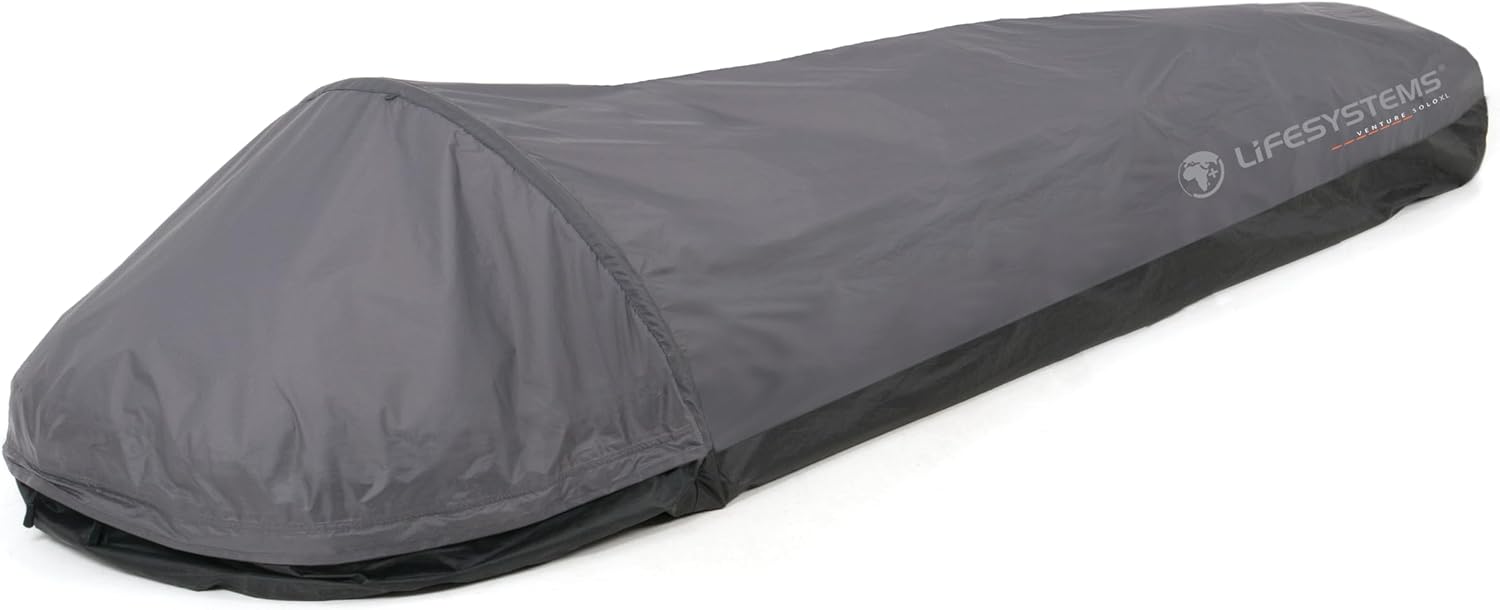
A tarp works hardest when it's paired with the means to rig it. Keep some paracord and a few bungee cords with it, a roll of duct tape for quick repairs, and work gloves for handling wet, gritty sheeting after a storm. For overnight shelter, a tarp and a bivvy bag make a light, cheap pairing — we compare the two in tarp vs bivvy bag.
The two jobs a tarp does — and why it matters which you buy
Most tarps are bought for one of two very different jobs. The first is emergency cover: throwing a sheet over a damaged roof, a broken window, a leaking flat roof or a pile of firewood, and weighing or fixing it down until a repair can happen. That job wants a heavy-duty, fully waterproof sheet with plenty of reinforced eyelets and enough size to overlap the damage generously. The second job is shelter and ground cover: rigging a lightweight tarp as a rain roof over a camp, a porch for a tent, or a groundsheet under a sleeping mat. That job wants something lighter, packable and easy to pitch, with tie-out points in sensible places. A cheap builder's tarp is fine for the first job and poor for the second; a proper ripstop shelter tarp does both but costs more. Decide which job comes first before you buy.
Material and the number that matters: GSM
The single most useful spec on a heavy-duty tarp is its GSM — grams per square metre — which is roughly how much material there is per square metre and a fair proxy for toughness. As a rough UK guide: 80–120gsm is the thin blue builder's tarp, fine for covering a woodpile or a one-off cover but prone to tearing and UV-perishing within a season; 180–250gsm is a genuinely heavy-duty tarp that will survive being rigged over a damaged roof through a run of storms; and 250gsm-plus is industrial-grade cover for long exposure. For emergency roof or window cover you want at least 180gsm. Most heavy-duty home tarps are woven polyethylene (PE) laminated both sides — cheap, fully waterproof and the sensible default for cover duty.
Lightweight shelter tarps are a different material story. Camping and bushcraft tarps like the DD Tarp 3x3 are usually coated ripstop polyester or nylon with a hydrostatic-head waterproof rating rather than a GSM: they're far lighter and more packable, pitch neatly with their multiple tie-out loops, and are built to be rigged as a roof rather than laid flat as cover. If you'll carry it in a rucksack or pitch it as shelter, buy a ripstop shelter tarp; if it lives in the shed for storm cover, buy heavy-duty PE by GSM.
Size: buy bigger than the gap
Whatever the job, size up. For emergency roof or window cover you want the sheet to overlap the damaged area by a good margin on every side so wind-driven rain can't track under the edges — a 3m x 4m or larger tarp covers most domestic roof damage with room to fix the edges down. For a camp shelter, a 3m x 3m tarp is the versatile all-rounder: big enough for a two-person rain roof or a generous porch, small enough to pitch tight in wind. Remember that stated tarp sizes are usually the cut size before hemming, so the usable area is a little smaller than the label — another reason to round up rather than down.
Eyelets, edges and tie-outs
A tarp is only as good as the points you can attach to. On heavy-duty cover tarps, look for rustproof metal eyelets set into a reinforced, double-stitched or welded hem at close spacing — every 0.5m to 1m — so you can lace it down tightly without the wind finding a loose edge to lift. Sparse eyelets on a plain hem are the first thing to fail. On shelter tarps, the equivalent is a good spread of reinforced tie-out loops or attachment points: corners, mid-edges and ideally a few across the body so you can pitch it in different configurations. A reinforced centre point is a bonus for pitching a peaked roof. Cheap tarps skimp here first, so check the photos and the count before buying.
Rigging and securing it in a UK gale
The commonest tarp failure isn't the material — it's how it was fixed down. For emergency roof cover, run the tarp well up over the ridge if you safely can so water sheds down the good side, weigh the top edge with timber battens rather than loose bricks that slide, and lace the eyelets to fixed points with strong cord. Never work on a wet or storm-battered roof yourself if it's high or steep — cover what you can safely reach from a window or low flat roof and get a roofer for the rest. For a camp shelter, pitch with the low edge into the wind, keep lines taut with a bungee cord or an adjustable knot to absorb gusts, and use paracord rated well above the load. A roll of duct tape patches a small tear before it runs. Handle stiff, cold, gritty sheeting in work gloves — wet tarp edges and metal eyelets cut hands surprisingly easily.
Where a tarp earns its place in a UK kit
Autumn and winter are tarp season. Named storms strip tiles and slates, fences and sheds take damage, and the gap between the damage and a tradesperson arriving is exactly when water does its worst — a tarp bought in advance for a few pounds can save a ceiling. Keep one in the shed or garage as part of a home storm-readiness kit, ready before the wind rather than sourced after it. Read storm preparedness for UK homes and the 24-hour storm-warning checklist for the wider picture, and what to buy before a winter storm for the rest of the kit. A tarp also pulls its weight in a flood — see flood preparedness for UK homes — and as cheap, versatile shelter and ground cover in any grab-bag or camp setup, worked alongside a head torch for rigging in the dark and a folding saw for cutting stakes and clearing branches.
The short version
For emergency home cover, buy a heavy-duty woven-PE tarp of at least 180gsm, 3m x 4m or larger, with closely spaced metal eyelets in a reinforced hem — and keep it in the shed before storm season, not after the damage. For camp shelter and ground cover, buy a lightweight ripstop shelter tarp around 3m x 3m with plenty of tie-out points. Either way, size up, secure it properly, and keep cord, bungees, tape and gloves with it. See our tarpaulin picks for buyable, availability-checked options.