- 01 Test your alarms and swap the batteries
- 02 Round up every battery — and check they're in date
- 03 Charge everything that holds charge
- 04 Test the torches, radio and lighting
- 05 Rotate the food and water
- 06 Refresh the first aid kit
- 07 Sort the warmth layer
- 08 Get the car winter-ready
- 09 Check the documents and the plan
- 10 A quick autumn kit-check list
- 11 Frequently asked questions
- 12 How often should I check my emergency kit?
- 13 Why change alarm batteries if they haven't chirped?
- 14 Do smoke and carbon monoxide alarms really expire?
- 15 What's the one thing most people forget?
- 16 The short version
Most people build an emergency kit once, tuck it in a cupboard, and forget about it. Then a power cut or a storm arrives and the torch batteries are flat, the tinned food is two years out of date, and nobody's sure if the smoke alarm still beeps. A kit only helps if it actually works on the night — and autumn is the sensible time to check, because it's right before the season that tests it. This is a walk-through of what to check, test, rotate and top up on the gear you already own, so your autumn and winter kit is ready before the first cold snap or storm.
A handy anchor: the clocks go back on Sunday 26 October 2026, and the old fire-service advice still holds — "change your clocks, change your batteries." Pin the whole kit check to that weekend and it becomes an easy once-a-year habit.
Test your alarms and swap the batteries
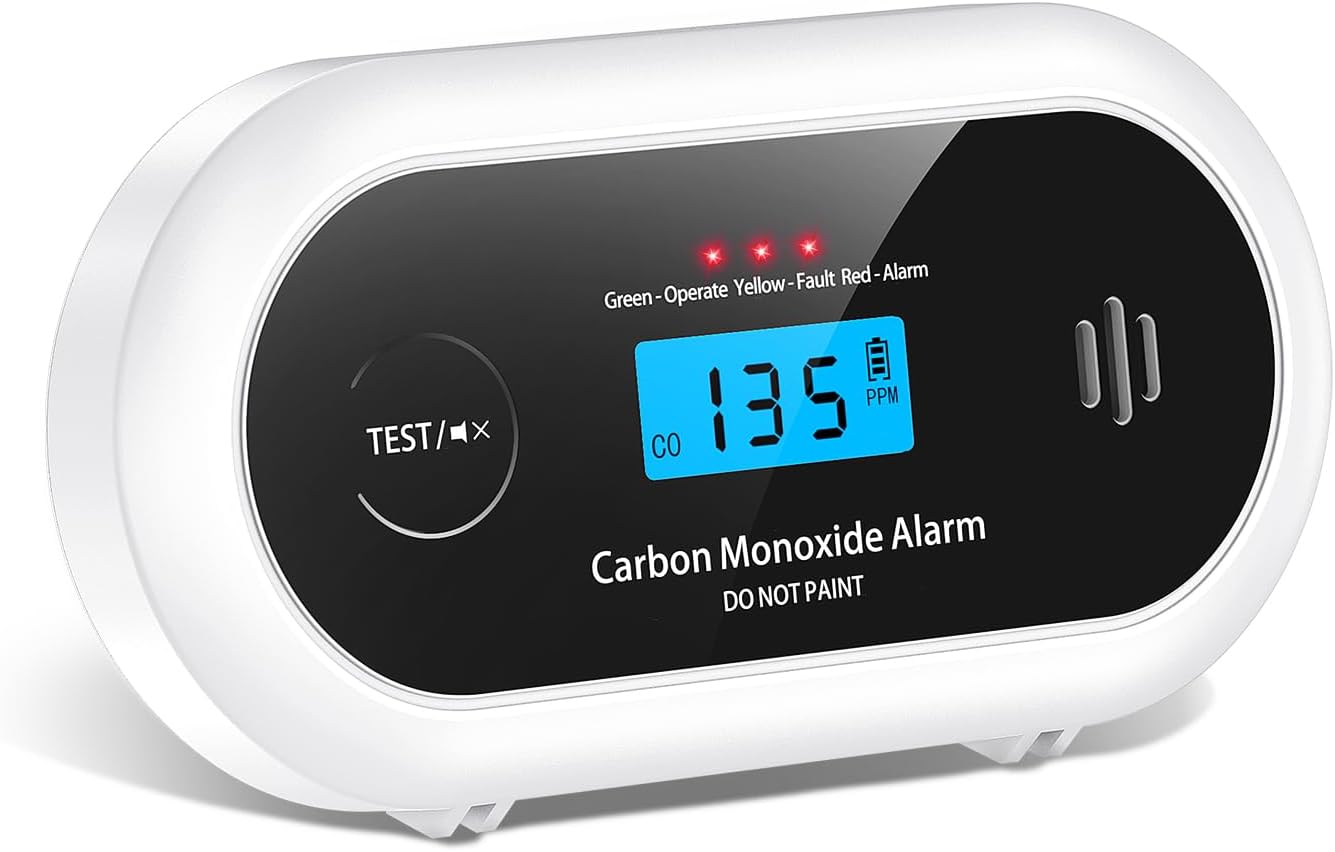
Start with the things that save lives. Press the test button on every smoke alarm and carbon monoxide alarm in the house — they should sound loudly. A chirp every minute or so means a low battery; silence means a dead unit or a flat battery, and it needs sorting today, not later. Winter is exactly when CO risk rises, because we shut windows, run heating, and (in a power cut) sometimes bring out stoves and heaters that should never be used indoors.
Replace the batteries in any battery-powered alarm as a matter of routine at the clocks change, even if it hasn't chirped yet. And check the date printed on the units themselves: smoke alarms and CO alarms expire — typically after about ten years — and an out-of-date sensor can fail silently. If yours are near or past their date, replace the whole alarm.
Round up every battery — and check they're in date
Torches and radios are only as good as the cells in them. Gather your loose batteries and check the use-by dates printed on them; alkalines slowly lose charge on the shelf and can leak and corrode a device if left in too long. Take alkaline batteries out of any torch or gadget that's been sitting unused since spring — a leaked cell is the classic reason a torch is dead when you finally need it.
For anything that lives in a kit and only gets used in an emergency, lithium AAs are worth the money: they hold charge for years and cope far better with cold than alkalines. Our AA battery guide explains the trade-offs, and the best AA batteries roundup covers what to stock. Whatever you use, keep a fresh spare set in the same box as the kit so you're never hunting for one in the dark.
Charge everything that holds charge
Rechargeable gear self-discharges while it sits. Top up your power banks so they're at or near full — a power bank at 20% is nearly useless when the lights go out. If you have a portable power station, run it up to full and check it holds; most like a top-up every few months rather than being left flat all winter. Charge any rechargeable torches and head torches, and if you keep a rechargeable radio or hand warmers, cycle those too. Do this now, then diarise a mid-winter top-up if the kit hasn't been touched.
Test the torches, radio and lighting
Switch on every torch, head torch and lantern in the kit. A dim, flickering beam usually means tired batteries — replace them and test again. Make sure everyone in the house knows where the main torches live, because fumbling for them in a blackout is how candles get lit near curtains.
Turn on your emergency radio and confirm it still tunes in and, if it's a wind-up or solar model, that the crank and panel still charge it. A battery, wind-up or solar radio is your link to official updates when the mobile network is down or congested during a storm.
Rotate the food and water
This is the job most people skip. Go through your emergency food and tinned stores and check the dates. Anything close to expiry should move into the normal kitchen rotation and be replaced — the whole point of a store is that it's edible when you need it. If you keep longer-life ration packs, note their dates in your phone so you're not caught out. Our emergency food storage guide covers sensible shelf lives, and the power-cut food safety guide explains what's safe to eat from a fridge and freezer when the power's off.
For water, check any stored containers: shop-bought bottled water has a best-before date, and water you've stored yourself should be refreshed periodically. Make sure lids seal and containers haven't been left somewhere they'll freeze and split. Aim for the standard planning figure of a few litres per person per day for at least three days.
Refresh the first aid kit
Open the first aid kit and actually look inside. Plasters and dressings have expiry dates and the sticky ones dry out; antiseptic wipes evaporate; any medicines — painkillers, antihistamines, rehydration sachets — expire. Replace what's used or out of date, and top up the items you always seem to run low on. A kit that's been raided for a few plasters over the year is half a kit until you refill it.
Sort the warmth layer
Before it gets properly cold, dig out the warm kit so it's to hand, not buried. Check hot water bottles for perishing — the rubber degrades over time and an old one can split and scald, so replace any that feel stiff, cracked or are past the date moulded into the neck. Make sure blankets, sleeping bags and spare layers are dry and aired, not damp from summer storage. The idea is that on the first freezing evening you can warm one room quickly rather than rummaging through the loft.
Get the car winter-ready
Autumn is the moment to rebuild the car kit for the season. Check your de-icer and scraper are in the boot and the de-icer isn't an empty can from last February. Add a blanket, a torch, a hi-vis, some water and a snack, and — for icy pavements and getting from the car — a set of ice grips is cheap insurance. If you keep a jump starter, charge it now; lead-acid car batteries fail most often in the first hard frost.
Check the documents and the plan
Finally, the non-gear bits. Are your important documents still protected and accessible? Does everyone in the household know the plan — where the kit is, where to meet, how you'll contact each other if phones are patchy? A five-minute conversation now is worth more than any single piece of kit. Our home emergency kit checklist is a good final sweep to make sure nothing obvious is missing, and if a named storm is forecast, the what to buy before a winter storm list covers the last-minute top-ups.
A quick autumn kit-check list
Run through this once a year, ideally at the October clocks change:
Test every smoke and CO alarm and replace their batteries; check the alarms aren't past their expiry date. Round up all batteries, bin any that have leaked or expired, and keep fresh lithium spares with the kit. Charge power banks, power stations and rechargeable torches to full. Test every torch, lantern and the radio. Rotate food and water past or near their dates. Refresh the first aid kit's expired and used items. Check hot water bottles for perishing and air out the warm layers. Rebuild the car kit and charge the jump starter. Confirm documents are protected and the household plan is clear.
Frequently asked questions
How often should I check my emergency kit?
A thorough check once a year is enough for most households, and pinning it to the October clocks change makes it easy to remember. Add a quick mid-winter glance at battery and power-bank levels if the kit hasn't been touched, and always do a fast top-up check when a storm is forecast.
Why change alarm batteries if they haven't chirped?
Because the chirp only starts once the battery is nearly flat, and you'd rather not discover that during a night-time emergency. Replacing them on a fixed annual schedule means the alarm always has plenty of charge in hand. It's the same logic behind the old "change your clocks, change your batteries" advice.
Do smoke and carbon monoxide alarms really expire?
Yes. The sensors degrade over time — smoke alarms and CO alarms are typically rated for around ten years — and an expired unit can fail to detect anything even if the battery is fine. Check the date printed on the casing and replace the whole alarm when it's due.
What's the one thing most people forget?
Rotating the food and water. It's the least glamorous job and the easiest to skip, but a store of tins and bottles that all went out of date last year isn't a store at all. Check the dates, eat and replace what's close, and you'll always have something edible when it matters.
The short version
An emergency kit isn't a one-off purchase — it's something you keep alive with a five-point check once a year: test the alarms, refresh the batteries, charge the power, rotate the food and water, and get the car and warmth ready. Do it at the October clocks change and your autumn and winter kit will actually work on the night you need it.