- 01 Why batteries are the weak link in most kits
- 02 The three types of AA, honestly compared
- 03 Lithium (the standby choice)
- 04 Alkaline (fine for everyday, risky for standby)
- 05 Rechargeable (best for high-drain, cyclable gear)
- 06 So which should you actually buy?
- 07 How many, and how to store them
- 08 A twice-a-year habit that pays off
- 09 Frequently asked questions
- 10 Are lithium AA batteries worth the extra cost?
- 11 Do lithium AA batteries leak like alkalines?
- 12 Can I use rechargeable AAs in a smoke alarm?
- 13 How long do AA batteries last in storage?
- 14 The short version
Batteries are the least glamorous thing in an emergency kit and the one that most often lets people down. You reach for the torch in a power cut, and the cells you slotted in two winters ago are flat or, worse, have leaked and corroded the contacts. AA is the single most common size across preparedness gear — torches, head torches, radios, and the smoke and carbon monoxide alarms that quietly protect you all run on it — so getting your AA choice right is one of the cheapest, highest-leverage things you can do. This guide explains the three chemistries you'll see (lithium, alkaline and rechargeable), which to buy for kit that mostly sits in a drawer, and how to store them so they're ready when it matters.
Why batteries are the weak link in most kits
The problem with standby kit is that it sits unused for months or years, and that's exactly the condition ordinary batteries hate. Alkaline cells slowly self-discharge on the shelf, sag badly in the cold, and — the real killer — leak potassium hydroxide as they age, which crusts up and destroys the device around them. Plenty of good torches and radios have been binned not because they failed, but because a forgotten alkaline inside them leaked. For anything you're relying on to work first time after a long wait — and that's most of an emergency kit — the type of AA you choose matters more than the brand of the device.
The three types of AA, honestly compared
Lithium (the standby choice)
Lithium AAs — the non-rechargeable kind, such as Energizer Ultimate Lithium — are the ones to buy for kit that has to work after sitting untouched. They hold their charge for up to two decades, keep working in the cold when alkalines fade, weigh about a third less, and are far more resistant to leaking. They cost more per cell, but in a torch or alarm you check twice a year rather than daily, that premium buys peace of mind. This is the sensible default for a 72-hour home kit, a grab bag, and anything safety-critical.
Alkaline (fine for everyday, risky for standby)
Standard alkaline AAs are cheap and everywhere, and there's nothing wrong with them for a TV remote or a kids' toy you use constantly. The trouble is standby storage: they lose capacity over years, struggle in the cold, and are the cells most prone to leaking as they age. If you do use alkalines in kit, buy a fresh pack, write the date on it, and rotate them yearly — don't leave a set to age inside a device for three winters and hope.
Rechargeable (best for high-drain, cyclable gear)
Low-self-discharge NiMH rechargeables (the pre-charged 'ready to use' type) are excellent value for anything you cycle through often — a bright everyday head torch, a games controller, a camera. They hold a usable charge for a year or two on the shelf, and one cell replaces hundreds of disposables. The catch for prepping is that they need charging, and in a long power cut you can only top them up if you have a way to do so (power bank, solar or car). So they're a great everyday choice and a fine supplement, but they shouldn't be the only batteries in your emergency kit.
So which should you actually buy?
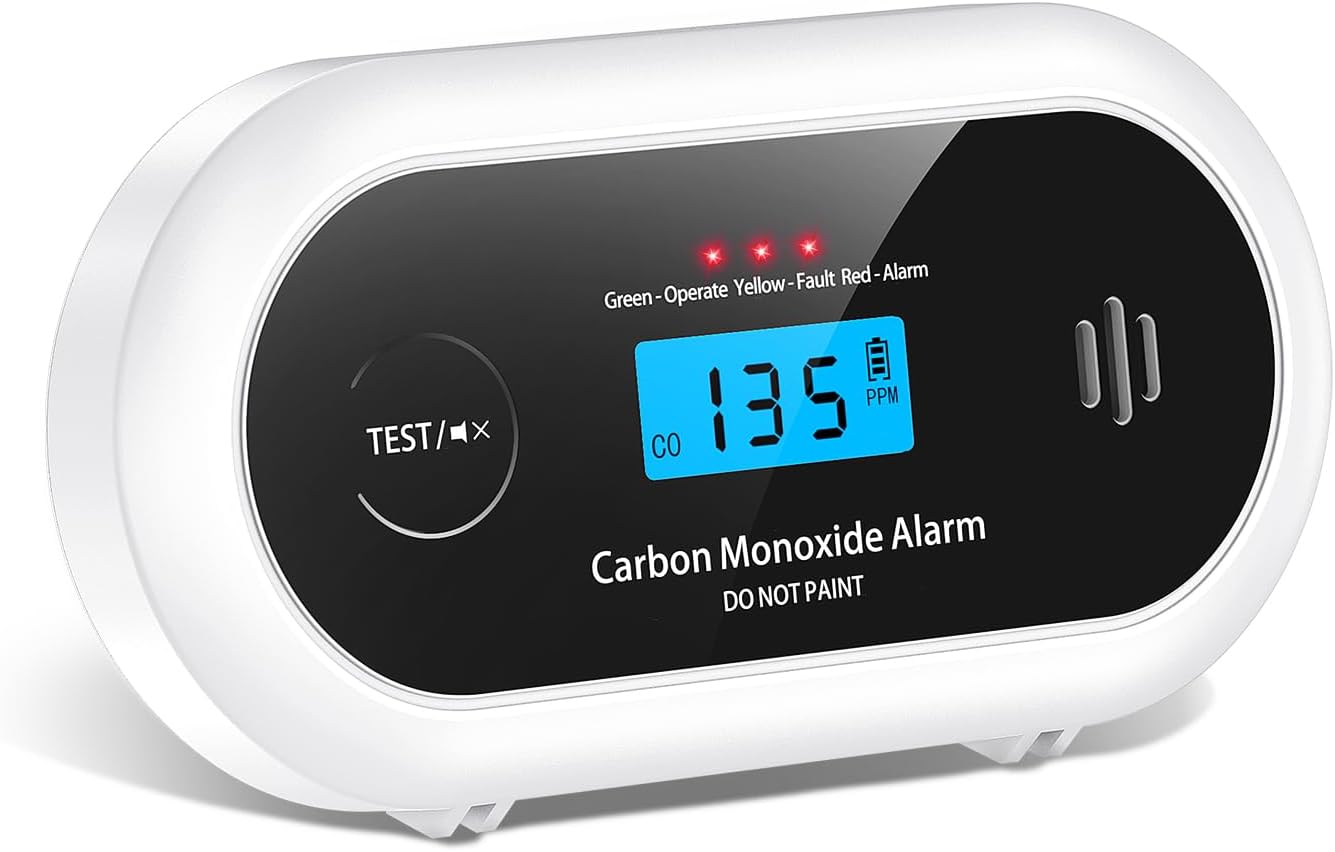
A simple rule covers most people. For safety-critical and rarely-touched standby gear — smoke and CO alarms, the emergency torch in the drawer, the radio you only use when the power's out — fit lithium AAs and forget about them for years. For everyday, frequently-used devices, use low-self-discharge rechargeables and keep a charger handy. Keep a pack of fresh alkalines as cheap bulk backup if you like, but treat them as the short-life option. The best AA batteries page has our picks in 4, 10 and 20-cell packs for exactly this — a small pack for a grab bag, a bigger one to stock a whole house.
How many, and how to store them
Count the AA-powered gear in your home — torches, head torches, radio, alarms — total the cells each needs, then keep at least one full spare set for everything, and two for the things that matter most. Store batteries in their original packaging or a dedicated box, somewhere cool and dry; a kitchen drawer is fine, a hot airing cupboard or a freezing shed is not. Keep loose cells away from coins, keys and each other's terminals to avoid short circuits. Don't mix old and new cells, or different chemistries, in the same device. And check the use-by date printed on the pack — lithium gives you the longest window, which is part of why it's worth the extra.
A twice-a-year habit that pays off
The single best thing you can do with batteries costs nothing: when the clocks change each spring and autumn, test your smoke and CO alarms, check the torches and radio actually light up and work, and replace anything weak. It's the same weekend you'd be checking the rest of your winter readiness, and it turns 'I think the batteries are fine' into 'I know they are'. Lithium cells make this easier because they rarely need replacing between checks — but the check itself is what catches the surprise flat cell before an actual emergency does.
Frequently asked questions
Are lithium AA batteries worth the extra cost?
For emergency and standby kit, yes. Lithium AAs hold their charge for up to twenty years, keep working in the cold, weigh less and rarely leak — so a torch, radio or alarm you check twice a year will simply work when you need it. For everyday high-drain gear you use constantly, rechargeables are better value; but for kit that sits waiting, the small premium on lithium is cheap insurance against a flat or corroded battery in a power cut.
Do lithium AA batteries leak like alkalines?
Far less. Leaking alkaline cells — which crust up and corrode the contacts inside a device — are one of the main reasons torches and radios get thrown away. Lithium AAs are much more leak-resistant, which is a big part of why they suit gear that sits unused for years. No battery is completely immune, so still remove cells from anything you're storing long-term without them, but lithium is the safer bet to leave in place.
Can I use rechargeable AAs in a smoke alarm?
It's not recommended. Rechargeable NiMH cells sit at a slightly lower voltage and self-discharge over time, so a smoke or CO alarm may warn of low battery sooner or, worse, run flat between checks. Alarms are safety-critical and rarely touched, which is exactly the case for long-life lithium (or the sealed 10-year alarms that need no battery changes at all). Save rechargeables for gear you cycle through and recharge often.
How long do AA batteries last in storage?
It depends on the type. Unused lithium AAs can hold most of their charge for up to twenty years; low-self-discharge rechargeables keep a usable charge for a year or two between top-ups; ordinary alkalines are best used within five to seven years and lose capacity faster in warmth. Always check the use-by date on the pack, store cells somewhere cool and dry, and rotate stock so the oldest gets used first.
The short version
AA cells are the backbone of a home emergency kit, and the type you choose matters more than the device. Fit lithium AAs in anything safety-critical or rarely used — smoke and CO alarms, the standby torch and radio — because they last for years, work in the cold and don't leak. Use rechargeables for everyday high-drain gear, keep cheap alkalines only as short-life backup, store everything cool, dry and dated, and test your alarms and torches every time the clocks change. Get the humble AA right and the rest of your power-cut kit actually works when the lights go out.