When the power goes off in a UK winter, the first thing most people miss is a hot drink and a warm meal. A gas or multi-fuel camping stove is the obvious answer, but the humble solid fuel tablet is the quiet backup that keeps working when the gas canister is empty or the lighter won't spark. These little blocks — think FireDragon and hexamine tablets — pack into a coat pocket, store for years without leaking, and light in the wet. This guide explains what they actually are, the difference between cooking fuel and fire-lighting aids, their honest limits, and where they earn their place in a UK power-cut and storm kit.
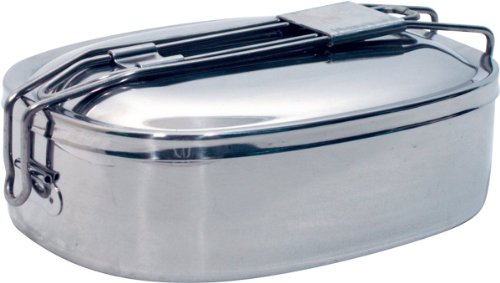
Solid fuel belongs in the fire & cooking corner of a kit precisely because it's so undemanding to store and so reliable to light. Keep a few blocks alongside your camping stove, a mess tin to cook in, and both a fire steel and waterproof matches so you can always get a flame. For the bigger picture on feeding a household through an outage, see our guides on cooking without power and lighting a fire in wet conditions.
What solid fuel tablets actually are
Solid fuel tablets are small, dry, compressed blocks that burn with a steady flame for several minutes each — long enough to boil a mug of water or heat a tin of food. The military-style versions are hexamine (also sold as Esbit), a white compressed tablet that's been the standard 'cook one meal' fuel for decades. The more modern and pleasanter option is FireDragon, a UK-made solid fuel derived from plant sugars that lights easily, burns cleaner, is far less toxic to handle, and will even light when damp. Both are designed to sit under a small folding stove or a mess tin and do one job well: get a small amount of food or water hot with no moving parts to fail.
Their appeal in a UK emergency kit is entirely about storage and reliability. Unlike a gas canister that can slowly leak or a liquid fuel that spills, a foil-wrapped block of solid fuel sits in a drawer for years and is ready the moment you unwrap it. It doesn't care about the cold, it lights from a match, a lighter or a fire steel, and it's light and compact enough to live permanently in a grab bag or a car kit. That combination — indefinite shelf life, waterproof-ish, ignites in the wet — is why it's a classic backup fuel rather than an everyday one.
Cooking fuel vs fire-lighters — don't confuse the two
The most common mix-up is between purpose-made cooking fuel and fire-lighting aids, because they look similar and sit on the same shelf. FireDragon blocks and hexamine tablets are cooking fuel: clean-ish, controllable, and meant to be burned directly under a pot. Natural firelighters — like Flamers wood-wool firelighters — are the opposite job: they're a wax-and-wood tinder designed to get a stubborn fire, a wood-burner or a BBQ going, not to cook a meal over. You can press a natural firelighter into service to boil water in a pinch, but they burn sootier and less predictably than proper fuel tablets.
For a well-rounded kit it's worth having both. Keep solid fuel cooking tablets for the actual cooking backup, and keep a pack of natural firelighters if you have a wood-burner, an open fire or a fire pit you'd fall back on for heat and cooking during a longer outage. A natural firelighter plus a fire steel is also a brilliant, foolproof way to start a fire in damp UK conditions when newspaper and kindling refuse to catch — see our wet-weather fire-lighting guide for the technique.
The honest limits
Solid fuel is a backup, not a kitchen, and it's important to be realistic about what it can't do. It's slow: a single hexamine tablet will get a mug of water hot but may not bring a full pot to a rolling boil, and you'll often need two blocks or a windshield to boil reliably. It gives you no fine flame control — it's essentially on until it's burnt out — so it's for boiling and heating, not simmering or proper cooking. Hexamine in particular smells and gives off fumes you don't want to breathe, and all solid fuel needs a stable stand or stove to sit on and a mess tin or pot above it; a loose block on a worktop is a burn and fire risk.
The rule that matters most: never burn solid fuel — or any stove — indoors in an unventilated space. Like any combustion it produces carbon monoxide, so cook in a well-ventilated spot, ideally an open doorway, a porch, or outside under cover, never in a closed room, tent or car. Pair your cooking kit with a working carbon monoxide alarm at home and keep a first aid kit to hand for the inevitable minor burns. Treat solid fuel as the compact 'boil a brew and heat a tin' option that always works, and let a camping stove or gas be your main cooking method when you have it.
What to look for when buying
Fuel type: for cooking, FireDragon is the friendlier choice — cleaner, less toxic, lights when damp and made in the UK — while hexamine (Esbit-style) is cheaper and ultra-compact but smellier and best kept for the car or shed. For fire-lighting, choose natural wood-wool firelighters over petroleum-based white blocks if you'll ever cook over the resulting fire. Burn time and pack size: check how long each block burns and how many you get; a typical block burns roughly 8–12 minutes, so plan two or three per hot meal and buy a pack that covers a few days. Packaging: individually foil-wrapped blocks store best and stay dry; loose tablets in a tin are fine if the tin seals. A folding stove or stand: many hexamine packs include a small folding cooker — if not, you'll want a stand or a stove your mess tin sits on.
Our solid fuel picks cover the three jobs with availability-checked options: FireDragon blocks as the clean, easy-lighting cooking fuel that works wet; Godora hexamine tablets as the compact, cheap military-style boil-a-meal option; and Flamers natural firelighters for reliably starting a wood-burner, fire pit or BBQ you'd rely on in a longer outage.
How it fits a UK power-cut and storm kit
The sensible way to think about cooking backups is in layers, and solid fuel is the bottom, most-reliable layer. Your primary should be whatever's easiest day to day — a gas camping stove or a multi-fuel stove. Behind that, keep solid fuel as the failsafe: it doesn't run out the way a part-used gas canister might, it doesn't leak in storage, and it lights in weather that beats a lighter. A few blocks, a mess tin, a means of ignition and a hot drink's worth of stored water turn a miserable dark evening into a manageable one. See our camping stove buying guide and gas canister guide for the primary options.
Stock it once and forget it, because that's its whole point. Split your solid fuel across the places you'd need it — a few blocks in the grab bag, a pack in the car kit, and a box in the home emergency cupboard next to the stove and matches — and it'll still light years later. For the full household plan, work through our UK power cut preparedness guide and home emergency kit checklist, and read cooking without power for safe technique.
The short version
Solid fuel tablets are the compact, indestructible backup that keeps a UK kit cooking when the gas runs out and the lighter won't spark. They boil a brew and heat a tin, store for years without leaking, and light in the wet — but they're slow, offer no flame control, and must only ever be burned in a well-ventilated space on a stable stand. Buy clean, easy-lighting FireDragon or compact hexamine for cooking, keep natural firelighters if you have a wood-burner or fire pit, and pair them with a mess tin, waterproof matches and a fire steel. See our solid fuel picks, the camping stove vs solid fuel tablets and gas canister vs solid fuel tablets comparisons, and our cooking without power guide.