- 01 Why a sleeping mat matters more than people think
- 02 R-value: the one number that matters
- 03 Foam, self-inflating or air mat?
- 04 Closed-cell foam mats
- 05 Self-inflating mats
- 06 Inflatable air mats
- 07 What else to look for
- 08 Packed size and weight
- 09 Length, width and thickness
- 10 Durability and repairability
- 11 How a mat fits your cold-weather plan
- 12 Frequently asked questions
- 13 What R-value do I need for a UK winter?
- 14 Do I really need a mat if I have a good sleeping bag?
- 15 Foam, self-inflating or air mat — which should I buy?
- 16 Can I use a sleeping mat indoors during a power cut?
- 17 How do I look after a sleeping mat?
- 18 The short version
A sleeping mat is the bit of a warmth kit that people forget — and it's often the bit that decides whether you actually stay warm. Most of us think about the sleeping bag and stop there, but the cold that gets to you overnight comes up from underneath: a bag's insulation crushes flat under your body weight and stops working, so a cold floor, a camp pitch or a car seat pulls heat straight out of you. A mat is what puts a layer of trapped air between you and that cold surface. This guide explains R-value — the one number that matters and that nobody bothers to define — then covers foam versus self-inflating versus air mats, packed size and weight, and where a mat earns its place in a UK cold-weather kit, whether that's a hill camp, a spare-room floor during a power cut, or a grab bag.
Why a sleeping mat matters more than people think
Insulation only works when it can trap air. A sleeping bag is full of loft — down or synthetic fibres holding warm air around you — but the moment you lie on it, your body weight squashes the underside flat, and flattened insulation does almost nothing. That's why you can be in a warm bag on cold ground and still shiver: the heat is escaping downwards into the floor, which conducts it away far faster than still air ever would. A mat fixes this by putting its own layer of trapped air (or closed-cell foam) between you and the surface, insulation that doesn't compress to nothing. In a home power cut where you're bedding down on a hard floor, or on a cold winter walk where you might have to stop and rest, that under-you insulation is the difference between an uncomfortable night and a genuinely cold, hypothermia-risk one. Buy the bag and the mat together, not the bag alone.
R-value: the one number that matters
R-value measures how well a mat resists heat passing through it — how good it is at stopping the ground from stealing your warmth. Higher is warmer. It's the single most useful spec on a mat, and helpfully it's now standardised (the ASTM F3340 test), so an R-value of 4 from one brand means roughly the same as an R-value of 4 from another. As a rough UK guide: R-value 1–2 is a summer-only mat; 2–4 covers spring and autumn; 4–5 is a proper cold-weather / winter mat for freezing nights; and 5+ is for hard frost, snow or lying on a genuinely cold surface. For a British winter kit or a cold spare-room floor, aim for R-value 4 or above — don't be tempted by a thin summer mat just because it packs smaller.
A useful trick: R-values stack. If you own a thin foam mat and a modest air mat, laying one on top of the other adds their R-values together, which is a cheap way to reach winter warmth from summer gear. Putting a closed-cell foam mat underneath an inflatable also protects the air mat from punctures on rough ground — a common setup for people who camp in the cold.
Foam, self-inflating or air mat?
Closed-cell foam mats
A folding or rolled foam mat is the simplest, toughest and cheapest option. It can't puncture, needs no inflating, insulates reliably and costs little — which makes it a sensible choice for a grab bag or an emergency stash where you want something that just works and won't fail. The downsides are bulk (it's bouncy and doesn't pack small) and comfort (it's thin and firm). For pure insurance-policy insulation on a floor, or as the bottom layer under an air mat, foam is hard to beat.
Self-inflating mats
A self-inflating mat combines open-cell foam with an airtight shell: open the valve and the foam draws in air on its own, then you top it up with a few breaths and close the valve. You get more comfort and warmth than plain foam with less faff than a pure air mat, and it's puncture-repairable rather than instantly dead if it nicks. It's the practical middle ground and, for a home emergency mat or car kit that lives packed and gets used occasionally, usually the most sensible buy. The trade-off is weight and packed size — heavier and bulkier than a modern air mat.
Inflatable air mats
A pure air mat has no foam — you inflate it fully by mouth or with a pump sack. These pack down astonishingly small and light, and the best insulated ones (with internal baffles or reflective layers) reach high R-values, which is why hikers counting grams choose them. The catch is that they can puncture, they take effort to inflate, and a thin uninsulated air mat can actually feel colder than foam because the air inside circulates and carries heat away. If you go this route for cold weather, buy one with a stated winter R-value and carry the repair kit.
What else to look for
Packed size and weight
Match this to the job. For a rucksack you'll carry on a hill walk, packed size and weight are everything, and a compact insulated air or self-inflating mat wins. For a home 72-hour kit or a car boot, bulk barely matters and you can favour the toughness and no-fuss reliability of foam or a self-inflating mat. Be honest about how the mat will actually live and travel before you pay a premium for the lightest option.
Length, width and thickness
A mat only insulates the parts of you that are on it, so a too-short mat leaves your feet or shoulders on the cold floor. A regular length suits most people; taller users want a long version. Wider mats stop you rolling off onto the cold ground in the night. Thickness affects comfort more than warmth — a thicker mat cushions hips and shoulders on a hard floor — but a warm, thin mat still beats a thick, cold one, so treat R-value as the priority and thickness as the comfort bonus.
Durability and repairability
For anything that lives in a kit and gets used rarely, reliability beats grams. A mat you can patch in the field (self-inflating and quality air mats come with, or take, a repair kit) is far better than one that's scrap after a single nick. Foam can't fail at all, which is exactly why it's the default for pure emergency insurance. Check the mat comes with a stuff sack and, ideally, a repair patch.
How a mat fits your cold-weather plan
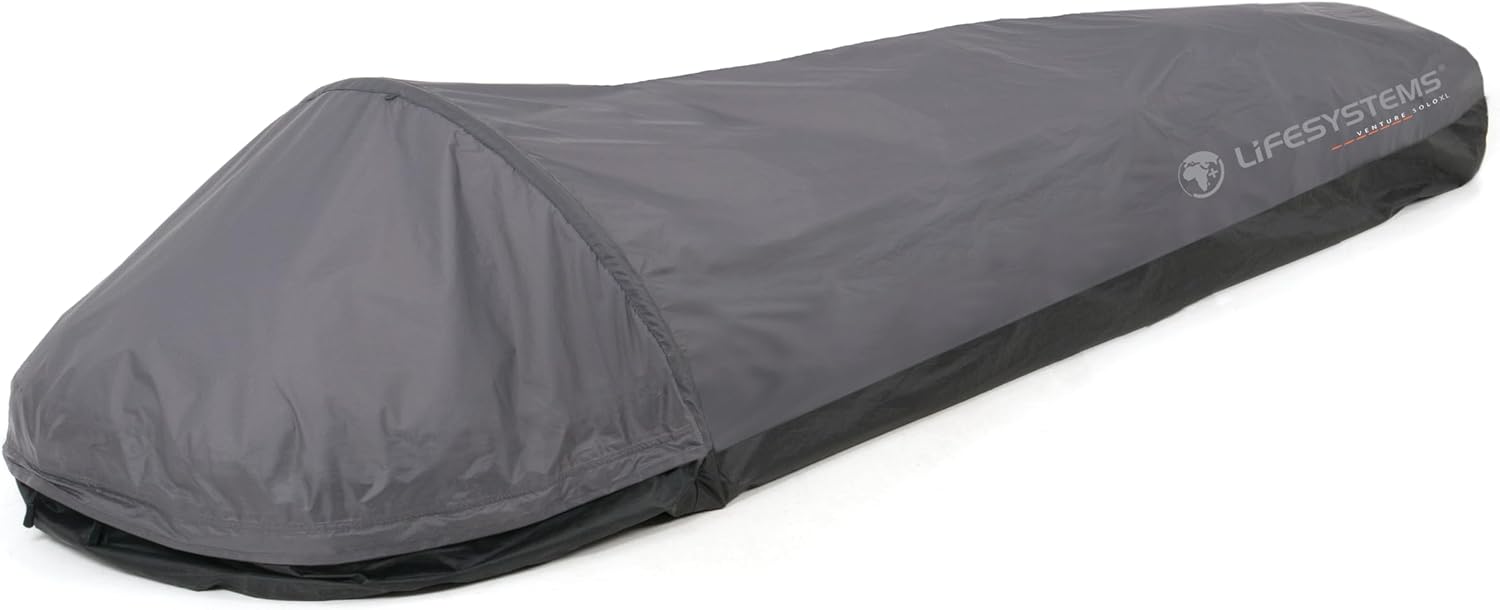
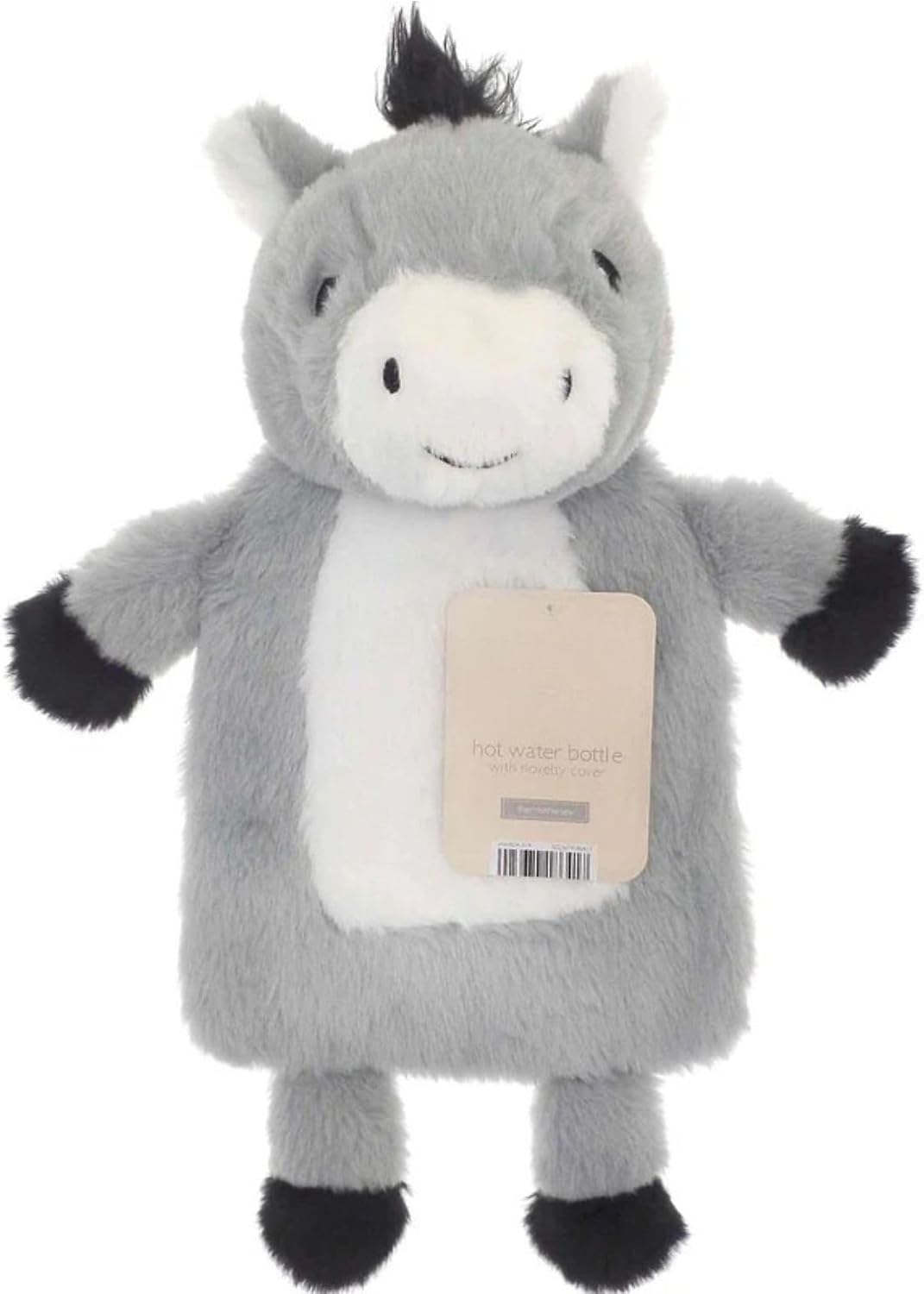
A sleeping mat is a warmth multiplier for the rest of your sleep system. The classic cold-night setup is a mat under you and a thermal sleeping bag over you — the mat stops the ground stealing heat, the bag traps the heat you make. If you're bedding down on a floor in a winter power cut, a mat plus a bag or a wool blanket is far warmer than piling blankets on a cold surface, because no amount of covers on top fixes the cold coming from below. Add a hot water bottle inside the bag for a warm start, keep a foil emergency blanket as a lightweight reflective layer or backup, and a bivvy bag if you might sleep somewhere exposed. For the whole picture on staying warm without power, see how to stay warm in a UK winter power cut and our guide to whether sleeping bags are warmer than blankets.
Frequently asked questions
What R-value do I need for a UK winter?
Aim for an R-value of 4 or above for a British winter, a cold spare-room floor, or freezing nights outdoors. Roughly: 1–2 is summer only, 2–4 covers spring and autumn, 4–5 is a proper winter mat, and 5+ is for hard frost or snow. R-values are now measured on a standard test, so the number is comparable across brands. If your mat isn't warm enough, laying a foam mat underneath it adds the two R-values together.
Do I really need a mat if I have a good sleeping bag?
Yes. A sleeping bag's insulation crushes flat under your body weight, so the underside does almost nothing to stop heat escaping into the ground or floor. That downward heat loss is what makes people cold even in a warm bag. A mat provides the under-you insulation the flattened bag can't, which is why a mat-plus-bag combination is far warmer than either alone — see are sleeping bags warmer than blankets for how the layers work together.
Foam, self-inflating or air mat — which should I buy?
For a grab bag or pure emergency insurance, closed-cell foam is cheapest, toughest and can't puncture. For a home kit or car boot that gets occasional use, a self-inflating mat is the practical all-rounder — comfortable, warm and repairable. For carrying on a hill walk where weight and packed size matter, an insulated inflatable air mat packs smallest, as long as you buy one with a winter R-value and carry the repair kit.
Can I use a sleeping mat indoors during a power cut?
Absolutely — it's one of the best uses. Bedding down on a hard floor pulls heat out of you fast, and a mat puts insulation between you and that cold surface. Combine it with a sleeping bag or wool blanket and a hot water bottle, preferably in one small room you can keep warm, for the most efficient way to stay warm through a winter power cut.
How do I look after a sleeping mat?
Store a self-inflating or air mat unrolled and with the valve open if you can, so the foam or shell isn't compressed for months on end — this keeps its loft and self-inflation working. Keep it clean and dry before packing to avoid mould, patch small punctures with the supplied repair kit rather than binning the mat, and keep it away from sharp edges and heat sources. A foam mat needs nothing beyond keeping it dry and out of the sun.
The short version
A sleeping mat is the under-you insulation that stops the cold ground or floor stealing your warmth — the bit a sleeping bag can't do because its underside crushes flat. The number that matters is R-value: aim for 4 or above for a UK winter, less for milder seasons, and remember you can stack mats to add their R-values together. Choose closed-cell foam for cheap, bomb-proof emergency insurance; a self-inflating mat as the comfortable, repairable all-rounder for a home or car kit; or an insulated air mat when packed size and weight rule. Pair it with a thermal sleeping bag and a hot water bottle, and it quietly does more to keep you warm through a cold night or a power cut than almost anything else in the kit.