A rain poncho is one of the cheapest, lightest bits of kit you can carry and one of the most reliably useful. When the sky opens on a walk, a school run or a wait at a bus stop, a poncho keeps you and your bag dry in seconds — and unlike a fitted waterproof jacket it goes straight over whatever you're already wearing and over your rucksack too. Kept packed in a coat pocket, a car door bin or a grab bag, it's there the day you need it. This guide covers the two types worth buying, what makes a good one, how they double as emergency shelter, and where a poncho earns its place in a UK kit.
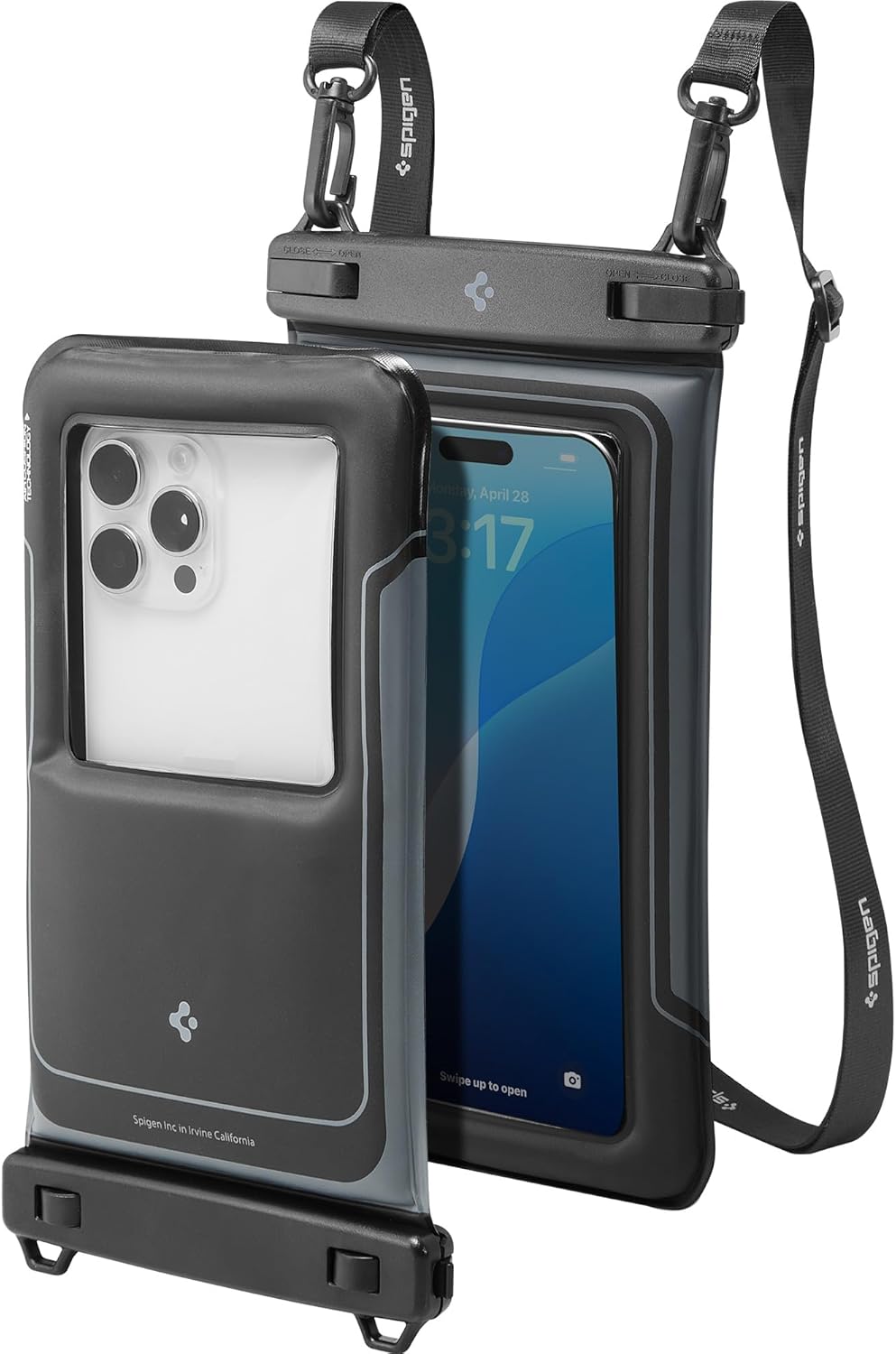
A poncho works best as part of a small wet-weather set: keep your phone dry in a waterproof phone pouch, your spare layers and documents in a dry bag, and a head torch to hand if the rain arrives with the dark. For real cold, a poncho keeps the wet off but does little for warmth — pair it with a thermal base layer and an emergency blanket.
Reusable vs disposable: which type to buy
Ponchos split into two clear types, and it's worth owning both. A reusable poncho is a heavier, coated fabric with a proper hood, press-studs or poppers down the sides, and often eyelets at the corners. It stands up to repeated use, packs down to about fist size, and is the one you keep in a coat pocket, day pack or the car all year. A disposable poncho is thin PE film, sold cheaply in multipacks, weighs almost nothing and is meant for one or a few uses. Its job is to be everywhere at once — a couple stashed in every bag, the glovebox, a festival kit or a 72-hour kit — so nobody in the family is ever caught out. Buy a good reusable one for yourself and a multipack of disposables to spread around.
Coverage and fit: longer is drier
A poncho's whole advantage is coverage, so buy one generous enough to do the job. Look for length that reaches at least mid-thigh and, ideally, long enough at the back to cover a rucksack — a poncho cut to go over your pack keeps both you and your kit dry, which a jacket never will. A proper hood with a drawcord matters more than anything: a hood that blows back or won't cinch leaves your head and neck soaked. Sleeves or wide arm openings help you keep your hands free and dry; a plain cape with no arm shaping flaps about in wind. For most adults a one-size or L/XL reusable poncho fits over winter layers with room to spare, which is what you want.
Material, seams and wind
For a reusable poncho, the material is usually coated polyester or a heavier PVC/EVA. Coated polyester is lighter and packs smaller; PVC/EVA is tougher and fully waterproof but bulkier and stiffer in the cold. Either is fine — what matters more is that the seams are welded or taped rather than just stitched, because plain stitch holes leak exactly where rain runs off. Press-studs down the sides turn a flapping cape into something that stays put in wind and stops rain driving up underneath. Disposable film ponchos have none of this: they tear easily, especially at the hood and seams, and a gust can shred a thin one, so treat them as short-term cover rather than storm gear.
The hidden bonus: emergency shelter and ground sheet
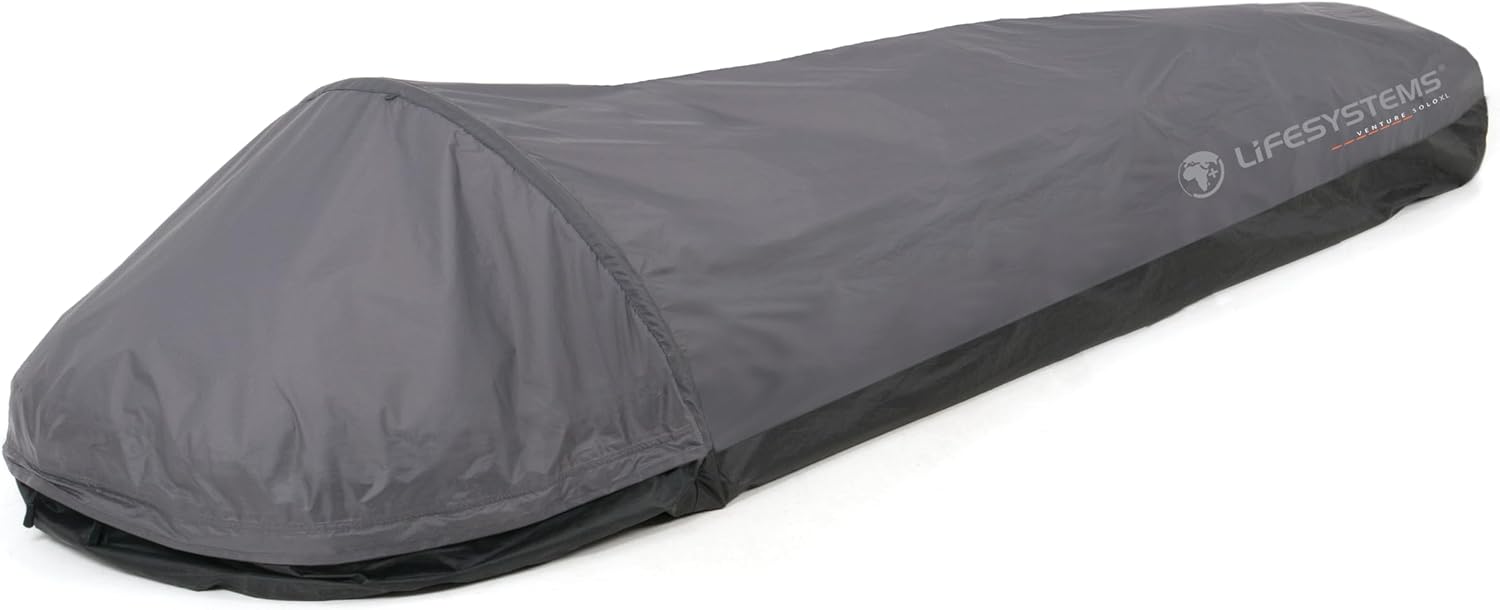
A decent reusable poncho is quietly one of the most versatile bits of shelter kit you can carry. With corner eyelets and a length of paracord, it rigs as a small rain roof over a break spot or a casualty, or pegs out as a groundsheet to keep a sitting or sleeping surface off wet ground. In a genuine emergency, worn over an emergency blanket it traps a layer of warm air while shedding rain — the poncho keeps you dry, the blanket keeps the heat in. It won't replace a tarpaulin or a bivvy bag for a planned overnight, but for the weight it earns its place. Check for reinforced corner eyelets if you want this backup use — many cheaper ponchos leave them off.
Where a poncho earns its place in a UK kit
Britain's weather makes a poncho a year-round buy, but autumn and winter are when it matters most: sudden downpours, wind-driven rain and long waits in the wet are exactly when getting soaked turns from an annoyance into a cold, miserable — and, on a hill, genuinely risky — problem. Keep a reusable poncho in every coat and every bag, disposables spread through the car and kit, and you'll never be caught without cover. A poncho belongs in a winter walking safety kit, a grab bag and any storm-readiness plan — see what to buy before a winter storm for the rest. For the days out where staying dry is a safety issue, not just comfort, it's a couple of pounds very well spent.
The short version
Buy one good reusable poncho — coated fabric, a proper drawcord hood, welded or taped seams, side poppers, long enough to cover you and your pack, and corner eyelets if you want the shelter backup — for everyday and outdoor use. Add a multipack of disposables to seed the car, spare bags and the family kit so nobody's ever caught out. Keep it packed where you'll actually have it, not in a drawer. See our rain poncho picks for buyable, availability-checked options.