It's the part of preparedness nobody wants to think about, and exactly the one that catches people out. In a UK emergency the lights and heating get the attention, but it's often the toilet that fails first: flooding backs up the drains, a burst main or a boil-water notice means you shouldn't be flushing with the water you've got, and freezing weather can leave a septic or pumped system unusable. If you're sheltering at home — which for most UK emergencies is the sensible plan — you need a dignified, hygienic way to go. A portable toilet is that answer. This guide explains the three types you'll see, how the waste is actually contained and got rid of, and the bits you need alongside it to make it work.
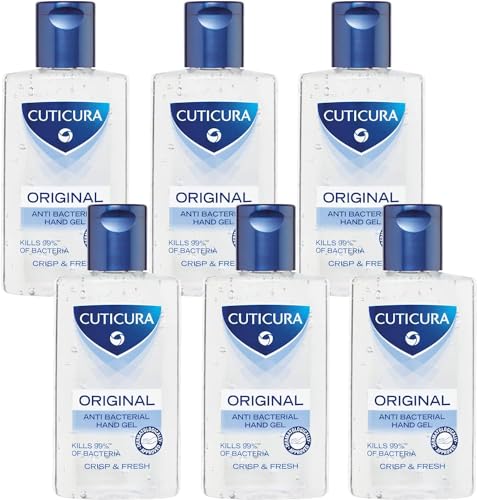
Emergency sanitation deserves a proper place in a UK kit because when it's needed, it's needed for days, not minutes. Keep whichever toilet suits your home alongside plenty of wet wipes and hand sanitiser for hygiene when washing water is short, a box of nitrile gloves for dealing with waste, and enough stored water in a water carrier that you're never tempted to flush your drinking supply. For the wider picture see our boil water notice guide, flood preparedness and what to do in a water outage.
The three types of portable toilet
Almost everything on the market is one of three designs, and they suit very different situations. A folding or collapsible bag-style loo — like the CarpLife Bivvy Loo kit — is essentially a sturdy frame or bucket that holds a heavy-duty liner bag; you go into the lined bag, add a gelling powder that turns liquid into a firm, low-smell gel, then tie off the bag and bin it. It packs flat, weighs almost nothing, costs the least, and is the easiest to store in a cupboard, a car boot or a grab bag. The trade-off is that you're buying and disposing of bags and powder, and it's the most basic to use.
A folding full-height toilet — such as the foldable camping toilet with disposal bags — is the same bag-and-liner idea but on a proper knee-height seat with a lid, so it's far more comfortable and stable for adults, older relatives and anyone who struggles to lower themselves to the ground. It still folds down for storage and uses disposable bags, giving you a good middle ground between packability and comfort. The third type, a self-contained chemical flush toilet — the classic Thetford Porta Potti that caravanners and boaters trust — has a separate fresh-water tank and a sealed waste tank you flush into and later empty at a proper disposal point. It's the most toilet-like to use and the best for longer outages or several people, but it's bulkier, heavier, needs chemicals and somewhere sanitary to empty the waste tank.
How the waste is actually dealt with
This is the part that decides whether a portable toilet is a relief or a nightmare, so be honest with yourself about it before you buy. Bag-and-powder toilets (the folding bucket and the full-height folding seat) contain waste in a sealed, gelled bag that goes out with your general household waste — check your local council's guidance, but a well-tied double bag of gelled waste is normally acceptable in the black bin. That's genuinely convenient in an emergency because you don't need a disposal point; you do need a steady supply of liners and gelling powder (or cat-litter as a stopgap), and you must not let bags overfill. A chemical flush toilet holds waste in a tank with a deodorising fluid, which is far pleasanter over several days, but that tank has to be carried to a proper chemical-waste or foul-drain disposal point and rinsed — fine at a campsite or if your own drains come back, awkward in a flat mid-flood.
For most UK households sheltering at home, a bag-and-powder toilet is the pragmatic choice: no disposal point needed, cheap to stock, and quick to deal with. Choose a chemical flush unit if you want the most normal experience, expect a longer or repeated outage, or are covering several people — just make sure you've thought through where the waste tank will be emptied.
What size and which one for your situation
Match the toilet to who's using it and how long you're planning for. For a car, a small flat, or a grab-and-go kit where space is tight, the folding bag-style loo wins on packed size and price. For a family home, or where older or less mobile relatives are involved, the extra comfort and stability of a folding full-height seat is worth the small amount of extra storage space — a squat over a low bucket is genuinely hard for many adults, and dignity matters when an emergency is already stressful. For a caravan, boat, longer expected outage, or a household that wants the least unpleasant option over several days, the self-contained chemical flush toilet earns its bulk. Many people sensibly keep more than one: a cheap folding bag loo in the car and a better toilet at home.
Don't overthink capacity for short outages. A single person gets through fewer liners than you'd fear, and a modest pack of bags plus gelling powder covers a typical 24–72 hour UK event — which is the planning horizon most official advice uses. Store the consumables with the toilet so the kit is complete the day you need it, and rotate any chemicals before they age.
What to look for when buying
Stability and weight rating: a wobbly toilet is worse than none, so check it's rated for the heaviest adult using it and that the legs or base feel solid — the full-height folding seat is the safer bet for adults over a low bucket. Seat height and comfort: knee-height with a real lid beats a squat, especially for older users. Liners and consumables: confirm what it uses, whether standard bin bags fit or you're locked into a specific liner, and buy a supply of gelling powder up front. For a chemical toilet, check the fresh and waste tank sizes and how easy the waste tank is to carry and empty. Packed size and storage: it needs to live somewhere you'll actually keep it. Brand matters least here, but for a chemical flush toilet a recognised name like Thetford is worth it for seals that don't leak.
Our portable toilet picks cover all three archetypes with availability-checked options: the pack-flat CarpLife Bivvy Loo kit that ships with liners, waste powder and wipes; the sturdier full-height folding toilet with a proper seat and disposal bags; and the self-contained Thetford Porta Potti for longer outages and caravan or boat use.
Using one hygienically when water is short
A portable toilet only works well if you set it up as a small system, not a single object. Line and prime it before you need it so there's no fumbling in the dark, and keep a lidded bin or spare tied bags close by. The rule that matters most is separating the toilet from everything to do with food and drinking water: use nitrile gloves when handling waste or liners, clean up afterwards with wet wipes and hand sanitiser if you can't spare washing water, and never use your stored drinking water in a water carrier for flushing or cleaning the toilet. Keep the toilet, its consumables and the hygiene kit together, and empty or bag waste before it overfills. For how much water to set aside so you're not tempted to raid it, see how to store water for emergencies.
The short version
Emergency sanitation is the bit of UK preparedness people skip and then desperately wish they hadn't. If the drains back up in a flood, or a boil-water notice or burst main means you shouldn't flush, a portable toilet keeps things hygienic and dignified while you shelter at home. Choose a pack-flat folding bag loo for the car or a tight space, a folding full-height seat for comfort and for less-mobile users at home, or a self-contained chemical flush toilet for longer outages and caravan or boat use. Stock the liners, gelling powder, gloves, wipes and sanitiser that make it actually work, and keep drinking water strictly separate. See our portable toilet picks, the portable toilet vs wet wipes comparison, and our boil water notice guide for how it fits the wider kit.