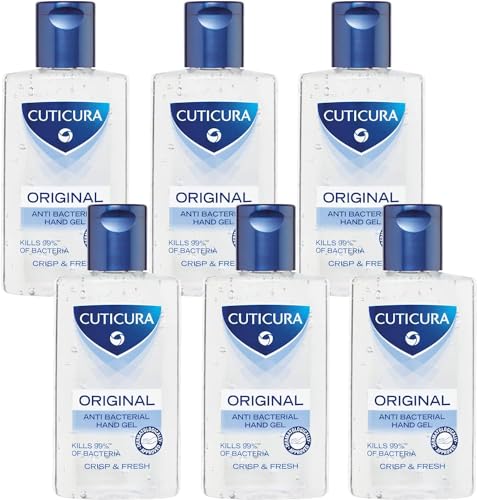
Most emergency planning focuses on food, water and warmth, and hygiene gets forgotten until the taps actually stop. A boil water notice, a burst main, or a flood can all mean no safe running water for hand-washing or cleaning for hours or days — and poor hygiene in exactly that situation is how a bad week turns into a stomach bug on top of everything else. The fix is cheap, light and easy to forget to pack: a decent hand sanitiser and a pack of proper wipes.
Why hygiene matters more, not less, in an emergency
When water is short, people naturally ration washing — which is exactly the wrong moment for hand hygiene to slip, especially around food preparation, using a toilet, or treating a minor injury. Illness spreading through a household already dealing with a power cut or flood makes everything harder, and norovirus and other stomach bugs spread easily through contaminated hands. A small amount of planning here protects the rest of your emergency plan from being undermined by an entirely preventable illness.
Hand sanitiser: the quick fix for hands
A gel hand sanitiser with at least 60% alcohol content is the practical stand-in for hand-washing when running water isn't available or you want to conserve a limited stored supply. It's quick, needs no rinsing, and a small bottle lasts a long time if it's reserved for genuine need rather than everyday use. Keep it before eating, after using a toilet of any kind, and after handling anything that's been in flood water or sewage — hand sanitiser doesn't replace washing when hands are visibly dirty or greasy, where soap and water (even a small amount, poured carefully) does a better job, but for routine hand hygiene it's the right lightweight tool.
Wipes: cleaning more than just hands
Wet wipes cover the jobs sanitiser can't: cleaning surfaces, wiping down before food prep, a basic body wash when a shower isn't possible, and cleaning up after using a portable toilet. Antibacterial wipes are worth the small extra cost over plain baby wipes for anything touching food surfaces or skin after contact with flood water or waste. Keep a decent supply rather than a single travel pack — a genuine multi-day outage uses more than people expect, and running out partway through is a common planning miss.
A pair of nitrile gloves is worth keeping alongside both: wear them for anything genuinely unpleasant — clearing flood debris, dealing with sewage backup, or handling rubbish that's built up — then clean up with sanitiser or wipes afterwards rather than relying on bare hands and hoping for the best.
What to actually keep in the kit
A practical hygiene kit for a UK household is small: a bottle of hand sanitiser per person or per room, a couple of packs of antibacterial wipes, a spare pair of nitrile gloves, and if your plan includes a portable toilet, enough wipes and bags to match. None of this needs its own dedicated bag — it slots easily into an existing home emergency kit or grab bag without adding noticeable bulk.
Dishes, surfaces and food prep without running water
Hands aren't the only thing that need attention. Wipe down food preparation surfaces before and after use, even if that just means a wipe rather than a full wash, and avoid using the same cloth or wipe for raw meat prep and anything else. If you're using stored water sparingly, a one-rinse-then-sanitise approach for dishes — a quick wipe to remove visible food, then an antibacterial wipe over the surface — is a reasonable compromise when you can't spare water for a proper wash and rinse. Keep a small bottle of washing-up liquid with your stored water if you're planning for a longer outage, since grease doesn't shift with sanitiser alone.
A note on children and anyone with specific needs
Children generally need more frequent hand hygiene prompts than adults, especially if normal routines like regular hand-washing before meals have been disrupted by a power cut or evacuation. Anyone managing a wound, a stoma, or a medical device at home should think through how they'll maintain hygiene around it specifically if water is limited — this is worth planning in advance with a GP or district nurse rather than improvising on the day, particularly if it ties into the household's medical power cut plan.
The short version
Hygiene is the part of emergency planning most people forget until the water's already off. A bottle of hand sanitiser and a pack of decent wipes cost little, take up almost no space, and stop a water outage, flood or boil water notice from turning into a preventable stomach bug on top of everything else you're already dealing with.