When the power goes out on a dark winter evening, a candle is the first thing many households reach for — and there's nothing wrong with that, as long as it's the right candle used the right way. The catch is that most candles on the shelf are made to smell nice on a mantelpiece, not to light a room through a power cut. This guide covers which emergency candles actually earn a place in a UK power-cut kit, how long they really burn, and — the part that matters most — how to use them without turning a blackout into a house fire or a carbon-monoxide scare.
A candle is a backup light, not your main plan. A torch or head torch is safer and brighter for moving around, and an LED lantern throws better room light with none of the flame risk — see our emergency lighting compared guide for how they stack up. Candles come into their own as the cheap, no-batteries fallback that keeps working when everything else is flat. Keep a pack, keep it sensible, and keep matches with it.
What to look for in an emergency candle
Buy plain, not pretty. Unscented, undyed white candles are what you want: strong fragrance is unpleasant in a closed room for hours, and it's a sign the candle was designed for décor rather than duty. Decorative, scented and novelty candles are exactly the wrong buy here — you want a boring, functional light source. Look for a wide, stable base or a proper cup so the candle won't topple, and prefer packs of many over a single showpiece, because a real outage burns through more than you'd think.
Two formats cover almost every household need. Stubby pillar candles like our PAPSTAR unscented pillars sit securely, burn for many hours each, and give a decent pool of light — the workhorse for a table or worktop. Tea lights are the other half of the kit: cheap, compact, and easy to place safely in a jar or holder in several rooms. Ordinary tea lights burn only three to four hours, so look for long-burn versions — 8-hour tea lights last a full evening without constant relighting. Soy-wax tea lights burn a little cleaner and cooler than cheap paraffin, a small plus in a closed room.
How many candles — and how much burn time
Think in burn-hours, not candle count. A long winter power cut can run from teatime to bedtime, so plan on roughly four to six hours of light per evening, per room you actually want lit. A pack of eight pillar candles or fifty long-burn tea lights sounds like a lot until you're three evenings into a storm outage. Buy more than you think you need, store the spare pack somewhere you'll find it in the dark, and keep a second stash in the car alongside the rest of the winter kit. Candles are cheap; running out at 9pm on a freezing night is not.
You also need a way to light them. A box of waterproof matches or a couple of lighters kept with the candles is non-negotiable — the candle is useless without them, and this is the single most common gap in a home kit. Store matches and candles together in a sealed tub so damp and time don't ruin them.
The safety bit — read this before the next storm
Candles cause house fires every winter, and the risk climbs during power cuts precisely when people are relying on them. Never leave a burning candle unattended: snuff it out when you leave the room and before you sleep, and keep a torch by the bed so you're never tempted to carry a flame around in the dark. Stand every candle in a proper non-flammable holder on a stable, heat-resistant surface, well clear of curtains, bedding, paper and anything that can catch. Keep them out of reach of children and pets, and never place one where a knock could tip it over.
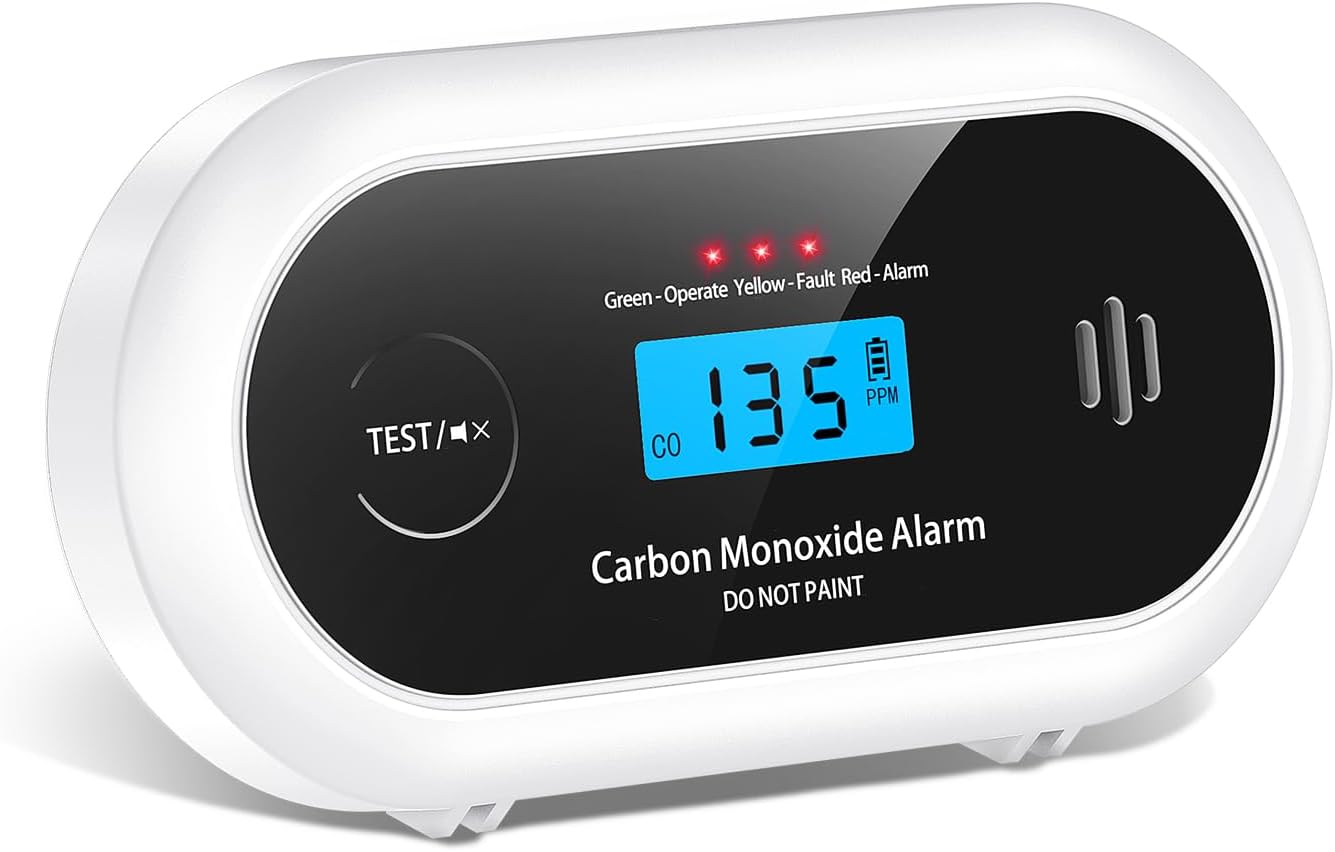
Just as important: a candle is not a heater. Burning several candles in a small, closed room to take the chill off is dangerous — open flames consume oxygen and can produce carbon monoxide, and the fire risk is real. If you're worried about warmth in an outage, read how to stay warm safely and lean on layers, blankets and hot water bottles instead. Any home that burns candles, gas or solid fuel during a power cut should have a working carbon-monoxide alarm, and every home needs a fire blanket within reach of the kitchen. Treat candles as light, and keep the flame small, supervised and stable.
Where candles fit in a UK power-cut kit
Candles are the cheap insurance layer, not the headline act. Build the kit in order: a torch or head torch for each person and an LED lantern for room light first, a power bank to keep phones alive, and then candles and long-burn tea lights as the no-batteries fallback that never needs charging. Keep a pack in the grab bag and another in a kitchen drawer with matches. For the whole picture of a household outage, see our 48-hour power cut plan and the emergency lighting comparison.
The short version
Buy plain, unscented white candles — stubby pillars for steady table light and long-burn (8-hour) tea lights for spreading light around the house — and keep matches or a lighter with them. Plan for four to six burn-hours per room per evening and buy more than you expect to use. Above all, use them safely: always in a stable holder, never unattended, never as a heat source, and always alongside a working carbon-monoxide alarm and a fire blanket. See our emergency candle picks for availability-checked options.