A winter power cut or a broken boiler can turn a home cold within hours, and in the UK that cold can become dangerous faster than people expect. The instinct to fire up any available heat source is understandable, but some choices can kill quietly. This guide shows you how to hold on to warmth safely, which heat sources are genuinely safe indoors, and the deadly mistakes to avoid when the temperature drops and the power stays off.
Create One Warm Room
When heating fails, stop trying to warm the whole house. Choose a single room, ideally a small one with few external walls and a window that catches the daytime sun. A living room often works well because sofas and soft furnishings hold warmth. Close the door, keep everyone in that room during the day, and gather there to sleep if the cold is severe. Concentrating people, bedding and any safe heat into one space means body heat and effort are not wasted heating empty rooms you are not using anyway.
Layer Up and Seal the Draughts
Your clothing is your first and most reliable heating system. Several thin layers trap more warm air than one thick jumper, so build up with a base layer, a fleece or wool mid-layer and an outer layer. Wear a hat indoors, because a surprising amount of heat is lost from an uncovered head, and keep feet warm with thick socks and slippers. Gloves and a scarf help when you are sitting still for long periods.
Then stop the warmth escaping. Close curtains as dusk falls to insulate windows, and open them on sunny days to let free heat in. Block draughts under doors with a rolled towel or a draught excluder, and shut off unused rooms. A duvet or blanket over your lap while seated makes a real difference, and even a pop-up tent or a blanket den indoors can trap body heat effectively, which children in particular tend to enjoy.
Safe Heat Sources Versus Deadly Ones
Some heat sources are safe indoors and some can kill within a room in minutes. This distinction matters more than anything else in this guide. Never, under any circumstances, burn charcoal, a barbecue, a petrol or diesel generator, a camping stove, or a patio or gas heater designed for outdoor use inside a home, garage, shed or tent. These produce carbon monoxide, a gas you cannot see, smell or taste, and it can kill you and your family before you realise anything is wrong. Never use a gas hob, grill or oven to heat a room.
So what is safe? An electric heater running from mains power, or from a suitably rated battery power station, is safe, though it needs electricity you may not have. A mains gas central heating system, or a gas or wood fire that is properly installed, serviced and vented to a chimney, is designed for indoor use. Any fuel-burning heater, such as a bottled-gas or paraffin heater, must be approved by its manufacturer for indoor use, used strictly to the instructions, and only in a well-ventilated room. Paraffin and gas heaters also carry a real fire risk, so keep them clear of furnishings. If in doubt, do not burn it indoors.
Carbon Monoxide Alarms and Warning Signs
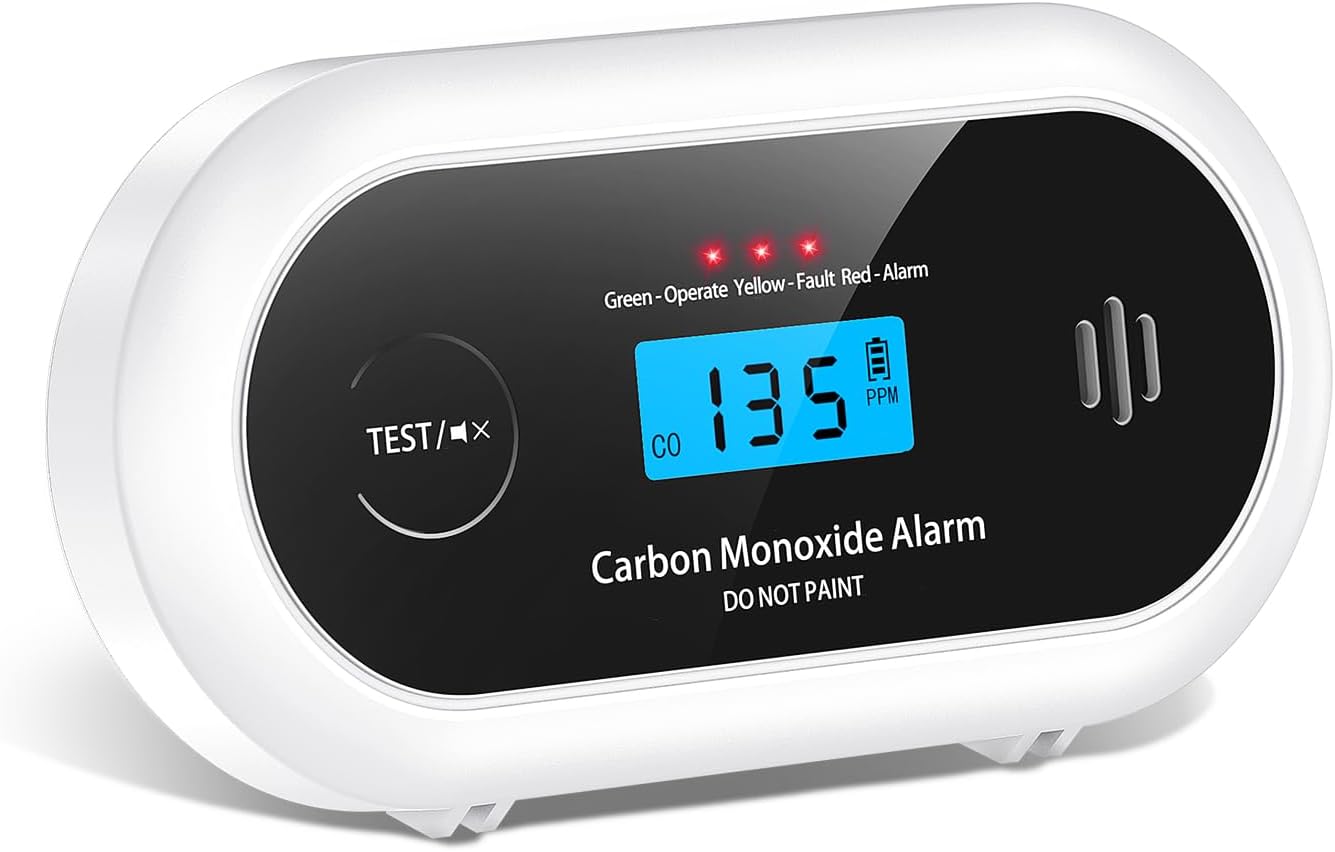
Because carbon monoxide gives no warning to your senses, a battery-powered CO alarm is one of the cheapest pieces of life-saving equipment you can own. Fit one in any room with a fuel-burning appliance and check the battery before winter arrives. Treat it as essential, not optional, especially if you ever run any kind of heater or stove indoors during an emergency.
Learn the symptoms of carbon monoxide poisoning: headache, dizziness, nausea, breathlessness, tiredness and confusion. They are easily mistaken for flu, but a key clue is that several people, or pets, feel ill at once and improve when they leave the house. If your alarm sounds or you suspect poisoning, get everyone into fresh air immediately, open doors and windows, do not go back inside, and call 999. For a gas emergency, also ring the National Gas Emergency line on 0800 111 999.
Hot Water Bottles and Warmth Without Power
You do not need a powered heater to feel warmer. A hot water bottle is one of the best tools in a cold home. If you can heat water safely, fill a bottle and hold it against your core or tuck it inside your clothing. Always use a cover to avoid burns, and never fill a bottle with very hot water if it is old or perished, as it may split. Replace hot water bottles every couple of years so they do not fail when you need them.
Warm drinks and hot food also raise your sense of warmth and keep morale up, so a flask of hot soup or tea prepared while you can is well worth the effort. Move around gently now and then, because light activity generates body heat, but avoid working up a sweat, because damp clothing will chill you quickly once you stop.
Staying Warm in Bed Overnight
Nights are when the cold bites hardest. Wear clean, dry nightwear, including socks and a hat, and add blankets on top of your duvet rather than relying on one heavy layer. A hot water bottle placed in the bed a few minutes before you get in takes the chill off the sheets. Sharing a bed, or at least a room, lets a family pool body heat, and this is genuinely sensible in a serious cold emergency rather than something to feel awkward about. Keep a torch and your phone within reach, and do not use candles for light near bedding, because of the fire risk.
Extra Care for the Elderly and Very Young
Some people feel the cold far more dangerously than others. Older adults, babies and very young children, and anyone with a heart or lung condition, are at much higher risk of harm from a cold home, and older people may not notice how cold they have become. Check on elderly neighbours and relatives during a cold spell or power cut. Keep babies warm with layers and blankets, but never place a hot water bottle directly against a baby, and do not overheat a cot. If someone becomes very cold, drowsy, confused or stops shivering, they may have hypothermia, which is a medical emergency: warm them gradually and call 999.
What To Do Next
Before the next cold snap, prepare so you are never tempted into a dangerous choice. Fit a battery carbon monoxide alarm and test it, and put spare batteries aside. Keep warm layers, spare blankets, hot water bottles and a flask where you can reach them in the dark, alongside a torch and a power bank. Write down the power cut line, 105, and the gas emergency line, 0800 111 999. Above all, remember the one rule that saves lives: never bring outdoor burning heaters, barbecues, generators or stoves inside for warmth. Stay layered, stay in one warm room, and keep the deadly shortcuts firmly outside.